Healthy and Unhealthy Neurons — Understanding Brain Cell Function and Disorders
Neurons are the fundamental units of the nervous system, responsible for transmitting electrical and chemical signals throughout the brain and body. The health of neurons is essential for proper cognitive function, memory, coordination, and overall nervous system performance. Understanding the differences between healthy and unhealthy neurons provides insight into neurological function and disease prevention.
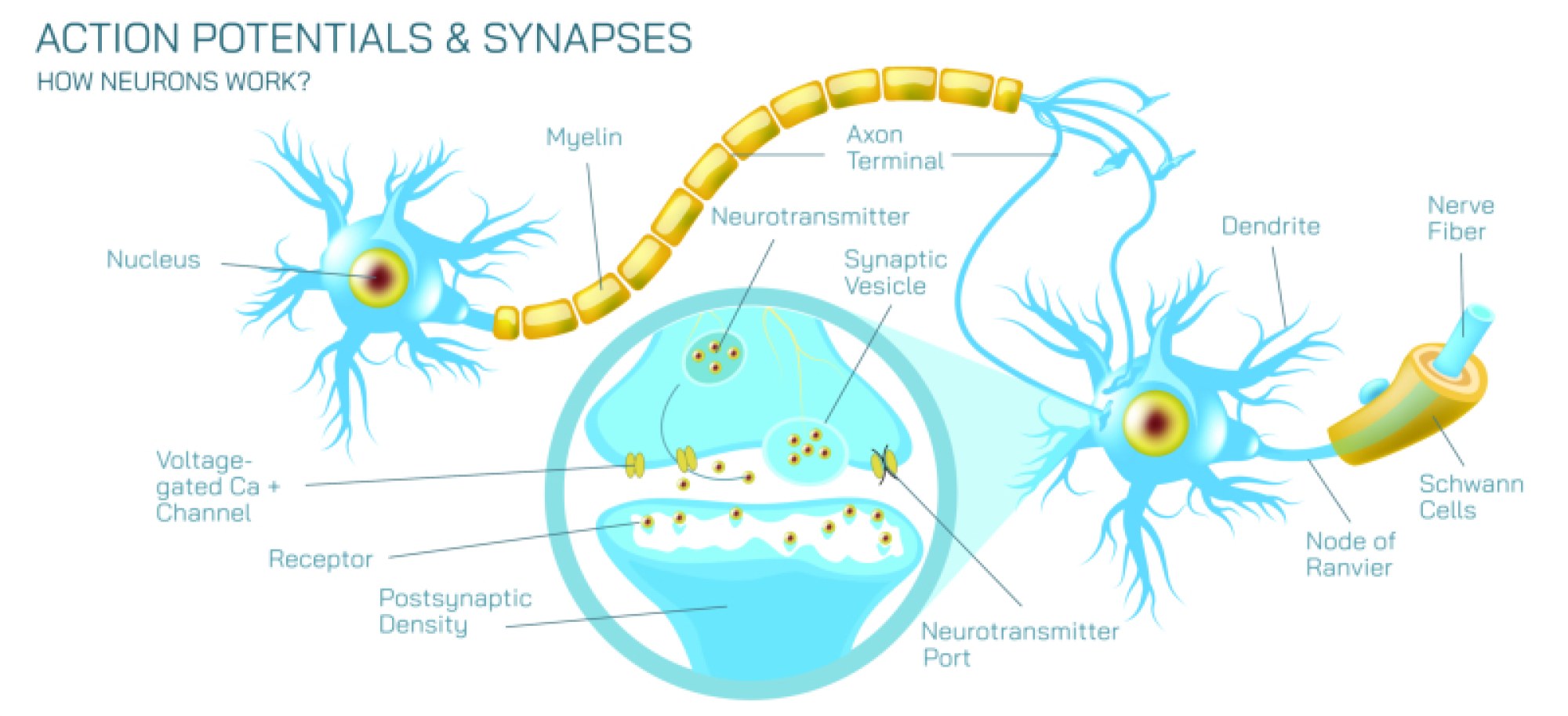
A healthy neuron has a well-defined structure including a cell body, dendrites, and a long axon. The dendrites receive signals from other neurons, while the axon transmits messages to target cells or other neurons. Healthy neurons maintain efficient communication through synapses, with sufficient neurotransmitter release and proper myelin insulation. They are resilient to stress, capable of repair, and supported by adequate blood supply, nutrients, and oxygen. Healthy neurons are the foundation of learning, memory retention, and precise motor control.
In contrast, an unhealthy neuron exhibits structural damage, such as shriveled dendrites, fragmented axons, or impaired synapses. Factors contributing to neuronal damage include oxidative stress, inflammation, toxins, poor nutrition, aging, and neurodegenerative diseases like Alzheimer’s, Parkinson’s, or multiple sclerosis. Unhealthy neurons have impaired signal transmission, reduced connectivity, and a diminished ability to repair themselves. Over time, extensive neuronal damage can lead to cognitive decline, memory loss, motor dysfunction, and other neurological deficits.
Maintaining neuron health involves proper nutrition rich in omega-3 fatty acids, antioxidants, and essential vitamins. Regular physical and mental exercise stimulates neurogenesis and strengthens synaptic connections. Avoiding toxins, managing stress, and controlling metabolic conditions like diabetes also protect neurons from damage. Advances in neuroscience research continue to explore therapeutic strategies to repair or regenerate damaged neurons, including stem cell therapy, neuroprotective drugs, and lifestyle interventions.
In conclusion, the contrast between healthy and unhealthy neurons highlights the critical role of neuronal integrity in overall brain function. Healthy neurons ensure efficient communication, robust cognitive abilities, and neurological resilience, while unhealthy neurons contribute to progressive disorders and functional decline. Promoting neuron health through nutrition, lifestyle, and protective measures is essential for long-term cognitive and nervous system well-being. Understanding neuron health allows individuals and professionals to implement strategies for prevention, maintenance, and therapeutic recovery, safeguarding the brain’s complex network of cells for optimal performance and quality of life.