The Earth is a complex and dynamic planet composed of several interconnected systems that together support life and maintain environmental balance. These systems are commonly classified into four major spheres: the biosphere, atmosphere, hydrosphere, and lithosphere. Each sphere has a unique composition and function, yet none operates independently. Instead, they interact continuously, shaping Earth’s surface, climate, and living conditions. Understanding the composition of Earth through these four spheres provides a comprehensive view of how our planet functions as a life-supporting system.
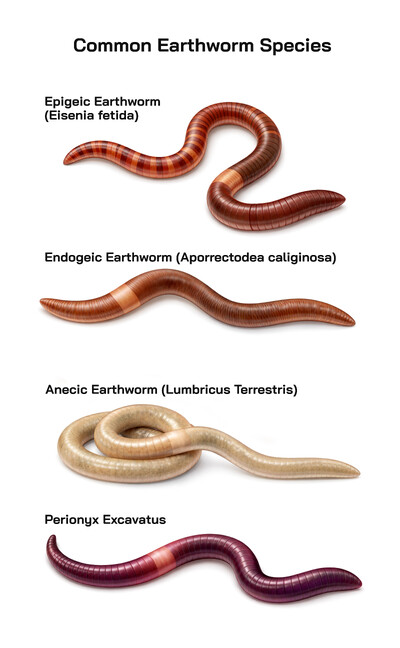
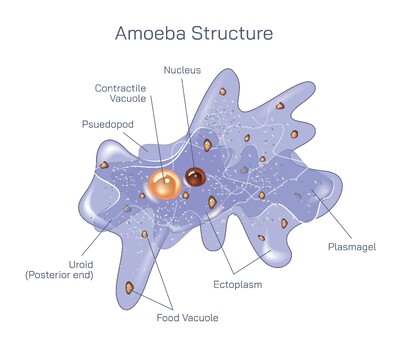
The biosphere represents the living component of Earth. It includes all organisms, from microscopic bacteria to large plants and animals, and extends across land, water, and air where life exists. The biosphere is not a separate layer but rather a network of life that overlaps with the other spheres. Its composition is defined by biological diversity, including plants, animals, fungi, and microorganisms, all interacting within ecosystems. These organisms are composed primarily of organic matter and depend on energy, water, and nutrients obtained from other Earth systems.
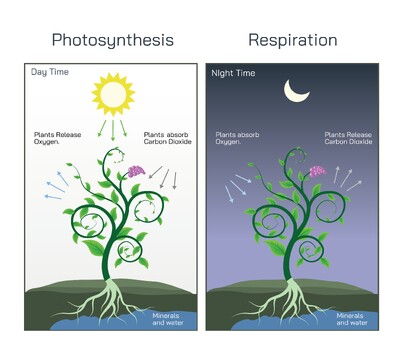
The biosphere plays a vital role in maintaining environmental balance. Plants within the biosphere absorb carbon dioxide from the atmosphere and release oxygen through photosynthesis, directly influencing atmospheric composition. Living organisms regulate nutrient cycles, including carbon, nitrogen, and oxygen cycles, which are essential for sustaining life. The biosphere also contributes to soil formation, water purification, and climate regulation, making it a central component of Earth’s composition.
The atmosphere is the gaseous envelope that surrounds Earth and is essential for protecting life and regulating climate. Its composition consists mainly of nitrogen and oxygen, along with smaller amounts of other gases such as argon, carbon dioxide, and water vapor. These gases are arranged in layers based on temperature and density, forming a structured system that extends from the Earth’s surface into space. The lower portion of the atmosphere is where weather occurs and where most living organisms interact directly with air.
The atmosphere serves several critical functions. It supplies oxygen for respiration, carbon dioxide for photosynthesis, and protects Earth from harmful solar radiation. The presence of certain gases helps regulate temperature by trapping heat, preventing extreme temperature fluctuations between day and night. This temperature regulation is essential for maintaining stable conditions suitable for life. The movement of air within the atmosphere also drives weather patterns, distributing heat and moisture across the planet.
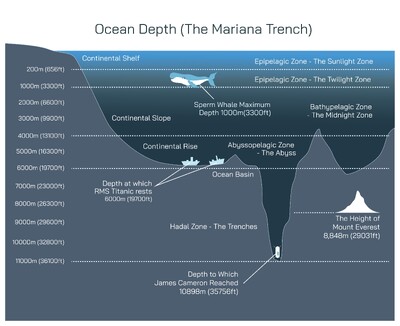
The hydrosphere includes all forms of water on Earth, making it one of the most significant components of Earth’s composition. It encompasses oceans, seas, rivers, lakes, glaciers, groundwater, and water vapor in the atmosphere. Water exists in solid, liquid, and gaseous states, continuously moving through the environment via natural processes. The hydrosphere covers most of Earth’s surface and plays a crucial role in shaping landscapes and supporting life.
Water within the hydrosphere is essential for all living organisms. It serves as a medium for chemical reactions, nutrient transport, and temperature regulation within biological systems. Large water bodies influence climate by absorbing and releasing heat, moderating temperatures in coastal regions. Freshwater systems support agriculture, drinking water supplies, and aquatic ecosystems. The hydrosphere also interacts with the atmosphere through evaporation and precipitation, forming the foundation of Earth’s water cycle.
The lithosphere is the solid, outer part of Earth and includes the crust and the uppermost portion of the mantle. It is composed of rocks, minerals, soil, and landforms that make up continents, ocean floors, mountains, and plains. The lithosphere provides the physical foundation for terrestrial life and human activity. Its composition varies depending on location, containing different types of rocks and mineral resources.
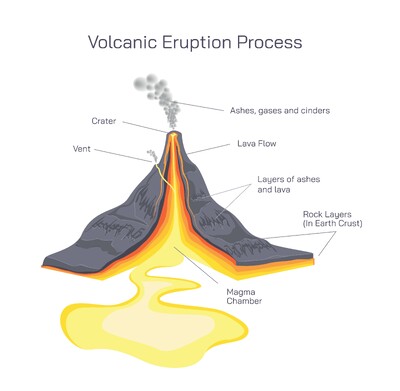
The lithosphere plays a critical role in supporting ecosystems by providing soil for plant growth and habitats for many organisms. It also contains valuable natural resources such as metals, fossil fuels, and minerals that are essential for human civilization. Geological processes within the lithosphere, including volcanic activity and tectonic movement, continuously reshape Earth’s surface. These processes influence landform development and contribute to nutrient cycling through the breakdown of rocks.
The interaction among the biosphere, atmosphere, hydrosphere, and lithosphere defines Earth as a unified system. For example, rainfall from the atmosphere enters the hydrosphere, flows across the lithosphere, and supports life in the biosphere. Plants growing in soil influence atmospheric composition, while weathering of rocks releases nutrients that sustain ecosystems. These interactions create a dynamic balance that allows Earth to remain habitable.
Energy from the Sun drives many of the interactions between Earth’s spheres. Solar energy powers atmospheric circulation, fuels photosynthesis in the biosphere, and drives the movement of water within the hydrosphere. The lithosphere responds to these processes through erosion, soil formation, and landscape evolution. Together, these energy-driven interactions maintain Earth’s natural cycles and environmental stability.
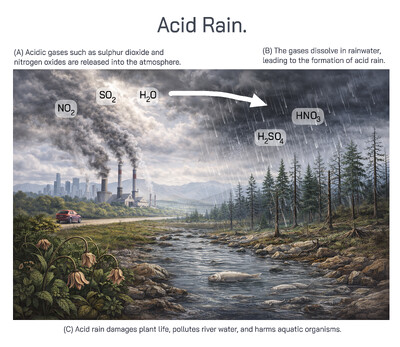
Human activities increasingly influence all four spheres. Industrial emissions alter atmospheric composition, land use changes affect the lithosphere, water consumption impacts the hydrosphere, and biodiversity loss disrupts the biosphere. Understanding the composition and function of Earth’s spheres is essential for managing these impacts and promoting environmental sustainability.
In educational and scientific contexts, the division of Earth into biosphere, atmosphere, hydrosphere, and lithosphere provides a framework for studying environmental processes. This approach helps explain how physical, chemical, and biological factors interact to shape the planet. It also highlights the interconnected nature of Earth systems and the importance of maintaining balance among them.
The Earth can be best understood not as a collection of isolated parts, but as an integrated system in which the biosphere, atmosphere, hydrosphere, and lithosphere function together in constant exchange of matter and energy. Each sphere has its own composition and internal processes, yet its true significance emerges only through interaction with the others. This interconnected design is what allows Earth to sustain life over long geological timescales.
The biosphere is unique among Earth’s spheres because it is the only one composed entirely of living matter. However, it is also the most spatially dispersed, extending from deep ocean ecosystems to high-altitude environments where only specialized organisms can survive. Life in the biosphere is chemically complex, built primarily from carbon-based molecules, water, and a limited set of essential elements such as nitrogen, phosphorus, and sulfur. These elements are not confined to the biosphere but are continuously exchanged with the other spheres through biological activity.
A defining feature of the biosphere is its ability to modify its environment. Over millions of years, living organisms have transformed Earth’s surface and atmosphere. The accumulation of oxygen in the atmosphere, for example, is the direct result of photosynthetic organisms. Vegetation influences local and global climate by regulating moisture, reflecting sunlight, and stabilizing soil. Even microscopic life plays a critical role by decomposing organic matter and recycling nutrients, ensuring that essential elements remain available for future generations of organisms.
The atmosphere acts as Earth’s interface with space and plays a crucial role in maintaining conditions suitable for life. Its composition is finely balanced; even small changes in gas concentrations can significantly affect climate and biological processes. The atmosphere is not static but constantly in motion, driven by solar heating and Earth’s rotation. These movements distribute heat, moisture, and gases around the planet, preventing extreme environmental conditions.
Beyond weather and climate, the atmosphere serves as a protective shield. It filters harmful radiation, burns up most incoming meteoroids, and moderates surface temperatures. Its interaction with the biosphere is continuous and reciprocal. Plants and microorganisms alter atmospheric composition, while atmospheric conditions determine where and how life can exist. Over geological time, this mutual influence has shaped both the evolution of life and the structure of the atmosphere itself.
The hydrosphere is the most mobile of Earth’s spheres, constantly circulating through evaporation, condensation, precipitation, runoff, and infiltration. Water’s unique physical properties make it an effective regulator of temperature and a universal solvent for chemical reactions. These properties allow the hydrosphere to connect Earth’s systems in ways no other substance can. Water transports nutrients from the lithosphere to the biosphere and carries heat from equatorial regions toward the poles, influencing global climate patterns.
Water also acts as a geological agent. Flowing water erodes rock, shapes valleys, and redistributes sediments, continuously modifying the lithosphere. In frozen form, it expands and fractures rock, contributing to soil formation. Within living organisms, water enables metabolic reactions and nutrient transport, making it indispensable to the biosphere. The hydrosphere’s interaction with the atmosphere drives weather systems and climate variability, demonstrating its central role in Earth’s dynamics.
The lithosphere provides the structural foundation of the planet. Its composition reflects Earth’s internal processes, including heat flow, mantle convection, and tectonic activity. The lithosphere is not uniform; it consists of continental and oceanic regions with distinct compositions and densities. These variations influence topography, ocean depth, and the distribution of ecosystems.
Although often perceived as inert, the lithosphere is highly dynamic over long timescales. Tectonic movements reshape continents, create mountains, and open ocean basins. Volcanic activity releases gases into the atmosphere and contributes new material to Earth’s surface. Weathering and erosion gradually break down rocks, releasing minerals that become essential nutrients for living organisms. In this way, the lithosphere acts as both a source of materials and a stage upon which biological and climatic processes unfold.
The interaction between Earth’s spheres is governed largely by cycles. The carbon cycle links the atmosphere, biosphere, hydrosphere, and lithosphere through processes such as photosynthesis, respiration, ocean absorption, and rock formation. The nitrogen cycle moves essential nutrients between soil, water, air, and living organisms. These cycles ensure that matter is reused rather than depleted, supporting long-term planetary stability.
Energy flow is another unifying factor. Solar energy enters the system through the atmosphere, drives evaporation in the hydrosphere, fuels photosynthesis in the biosphere, and influences surface processes in the lithosphere. Earth’s internal heat also contributes energy, particularly through tectonic and volcanic activity. The balance between incoming solar energy and outgoing heat determines Earth’s overall climate and habitability.
Human activity has introduced a new and powerful influence on all four spheres. Land modification alters the lithosphere, emissions change atmospheric composition, water extraction affects the hydrosphere, and biodiversity loss disrupts the biosphere. Unlike natural processes, many human-driven changes occur rapidly, challenging the ability of Earth’s systems to adapt. Understanding the composition and interactions of Earth’s spheres is therefore essential for managing environmental change responsibly.
From a systems perspective, Earth’s habitability is not the result of a single sphere but of their continuous cooperation. Life depends on air to breathe, water to survive, and land to provide nutrients and stability. At the same time, life actively reshapes air, water, and land. This mutual dependence creates a self-regulating planetary system that has remained stable enough to support life for billions of years.
In conclusion, the biosphere, atmosphere, hydrosphere, and lithosphere together form a unified Earth system. Each sphere has a distinct composition and function, but their interactions define the planet’s behavior and capacity to sustain life. Viewing Earth through this integrated framework deepens our understanding of environmental processes and highlights the importance of preserving balance among all components of the planet.
The Earth functions as a finely tuned planetary system in which the biosphere, atmosphere, hydrosphere, and lithosphere are inseparably linked. What makes this system extraordinary is not only the individual composition of each sphere, but the way they continuously exchange matter, energy, and information. These exchanges allow Earth to regulate itself, adapt to change, and remain habitable across immense spans of time. Viewing Earth through this integrated lens reveals the planet as an active, evolving system rather than a static collection of layers.
The biosphere is often described simply as the realm of life, but its true complexity lies in how deeply embedded it is within the other spheres. Life does not exist in isolation; it occupies specific zones where temperature, pressure, chemistry, and energy availability intersect favorably. These zones range from sunlit forest canopies to deep-sea hydrothermal vents, demonstrating that the biosphere adapts to extreme variations within the atmosphere, hydrosphere, and lithosphere. Living organisms act as both consumers and transformers of materials, converting inorganic substances into organic forms and redistributing them throughout the planet.
A unique characteristic of the biosphere is its ability to amplify small environmental changes into large-scale planetary effects. For example, the expansion or reduction of vegetation alters atmospheric gas balance, surface reflectivity, and water movement. Over geological time, such biological feedbacks have driven major transitions in Earth’s climate and chemistry. Life has not merely adapted to Earth; it has actively shaped the planet’s surface and internal cycles, leaving signatures in rocks, sediments, and atmospheric composition.
The atmosphere operates as a dynamic regulatory envelope that mediates energy exchange between Earth and space. Its layered structure allows different processes to occur at different heights, from weather formation near the surface to radiation absorption higher up. The atmosphere’s composition is continuously adjusted through interactions with oceans, land, and living organisms. Gases are absorbed, released, transformed, and redistributed, maintaining conditions that are neither too extreme nor too uniform for life.
One of the atmosphere’s most critical roles is buffering change. By circulating heat and moisture, it prevents localized extremes from dominating the planet. Winds transport water vapor from oceans to continents, enabling rainfall far from coastlines. At the same time, atmospheric circulation redistributes heat, balancing energy differences between equatorial and polar regions. Without this constant movement, Earth would experience far harsher temperature contrasts, severely limiting the biosphere.
The hydrosphere is Earth’s primary medium for connectivity. Water links the atmosphere, biosphere, and lithosphere through its ability to change state and dissolve substances. As water moves, it carries heat, minerals, gases, and organic matter, acting as a planetary transport system. This mobility allows energy and materials to circulate efficiently, supporting ecosystems and shaping landscapes.
Water’s thermal properties make the hydrosphere a stabilizing force in Earth’s climate. Large bodies of water absorb heat during warm periods and release it slowly during cooler times, moderating temperature fluctuations. This buffering effect extends beyond coastal regions, influencing global climate patterns. In addition, the hydrosphere stores vast quantities of carbon, reducing the amount present in the atmosphere and helping regulate long-term climate stability.
The lithosphere represents Earth’s structural and chemical foundation. It contains the raw materials that support life and human civilization, but its significance goes far beyond resource storage. The lithosphere interacts constantly with the other spheres through weathering, erosion, and tectonic activity. Rocks exposed at the surface break down into soils, releasing nutrients that sustain ecosystems. Deeper within the lithosphere, tectonic forces recycle material back into the mantle, driving long-term planetary renewal.
Geological processes within the lithosphere influence global conditions on timescales far longer than biological or atmospheric processes. Mountain building alters wind patterns and precipitation, reshaping climate and ecosystems. Volcanic eruptions inject gases and particles into the atmosphere, sometimes triggering short-term cooling or long-term chemical change. These deep Earth processes demonstrate that the lithosphere, though slow-moving, plays a decisive role in shaping Earth’s surface environment.
The interaction between Earth’s spheres is governed by feedback mechanisms that either stabilize or amplify change. Negative feedbacks tend to maintain balance, such as increased plant growth absorbing excess atmospheric carbon dioxide. Positive feedbacks, on the other hand, can accelerate change, such as ice loss reducing surface reflectivity and increasing warming. The balance between these feedbacks determines how Earth responds to natural and human-driven disturbances.
Energy flow provides the unifying force behind these interactions. Solar energy drives atmospheric circulation, powers the water cycle, and fuels photosynthesis. Earth’s internal heat contributes additional energy, particularly in the lithosphere, where it drives tectonic motion and volcanism. Together, these energy sources sustain continuous movement and transformation across all spheres.
Human activity has become a major force within this system, capable of altering natural cycles at unprecedented speed. Changes in land use modify the lithosphere and biosphere, emissions alter atmospheric composition, and large-scale water use reshapes the hydrosphere. Unlike natural processes that unfold over thousands or millions of years, many human impacts occur within decades, testing the resilience of Earth’s interconnected systems.
Understanding Earth’s composition through the biosphere, atmosphere, hydrosphere, and lithosphere is therefore not just an academic exercise. It provides a framework for recognizing how actions in one sphere inevitably affect the others. Protecting ecosystems, managing water resources, reducing atmospheric pollution, and preserving soil integrity are all interconnected goals, because damage to one sphere weakens the entire system.
In conclusion, the composition of Earth can be understood through its four major spheres: biosphere, atmosphere, hydrosphere, and lithosphere. Each sphere has a distinct composition and role, yet all are interdependent. The biosphere supports life, the atmosphere regulates air and climate, the hydrosphere manages water, and the lithosphere provides structural support and resources. Together, these systems create a stable and life-sustaining planet. Understanding their composition and interactions is fundamental to Earth science, environmental awareness, and the responsible stewardship of our planet. The biosphere, atmosphere, hydrosphere, and lithosphere together form a unified Earth system. Each sphere has a distinct composition and function, but their interactions define the planet’s behavior and capacity to sustain life. Viewing Earth through this integrated framework deepens our understanding of environmental processes and highlights the importance of preserving balance among all components of the planet.
In essence, Earth’s habitability arises from cooperation among its spheres. Life depends on stable air, accessible water, and fertile land, while those same elements are continuously reshaped by living organisms. This reciprocal relationship has allowed Earth to sustain life for billions of years despite constant change. Appreciating this interconnected composition deepens our understanding of the planet and underscores the responsibility to maintain balance within the system that supports all life.