The Earth’s atmosphere is a complex and dynamic layer of gases that surrounds the planet and makes life possible. Atmospheric composition refers to the relative proportions of different gases present in the air, while greenhouse gases are a specific group of gases that play a critical role in regulating Earth’s temperature. Understanding atmospheric composition and greenhouse gases is essential for grasping how the planet maintains a stable climate, how weather systems function, and how human activities influence global warming and climate change.
Composition of the Earth’s Atmosphere
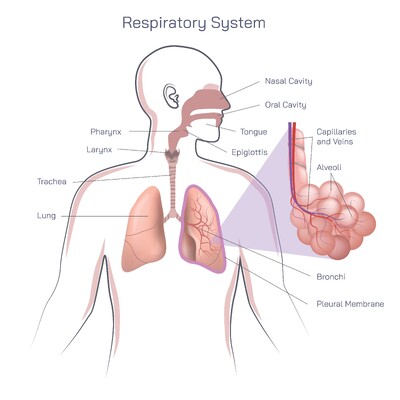
The atmosphere is primarily composed of a mixture of gases that remain relatively uniform near the Earth’s surface. Nitrogen is the most abundant gas, making up the majority of the atmosphere. It is largely inert under normal conditions and acts as a stabilizing component, diluting more reactive gases such as oxygen. Oxygen is the second most abundant gas and is essential for respiration in most living organisms. Together, nitrogen and oxygen form the bulk of the air and are responsible for supporting life and combustion processes.
In addition to nitrogen and oxygen, the atmosphere contains argon, which is a noble gas present in small but stable amounts. Argon does not participate in chemical reactions under normal conditions, yet it contributes to the overall pressure and physical properties of the atmosphere. A very small fraction of the atmosphere consists of trace gases, which include carbon dioxide, neon, helium, methane, ozone, and nitrous oxide. Although these gases are present in minute quantities compared to nitrogen and oxygen, they have a disproportionate influence on climate and atmospheric processes.
Vertical Distribution and Atmospheric Behavior
Atmospheric composition is not entirely uniform at all altitudes. Near the Earth’s surface, in the lower atmospheric layers, gases are well mixed due to turbulence and weather-related motion. This region is where most weather phenomena occur and where greenhouse gases exert their strongest influence. As altitude increases, the composition and density of gases gradually change, affecting temperature patterns and radiation balance.
Water vapor, although not shown prominently in many composition charts, is another crucial atmospheric component. Its concentration varies widely depending on location, altitude, and weather conditions. Water vapor is a natural greenhouse gas and plays a major role in cloud formation, precipitation, and energy transfer within the atmosphere.
Understanding Greenhouse Gases
Greenhouse gases are atmospheric gases that have the ability to absorb and re-emit infrared radiation. This property allows them to trap heat within the atmosphere, creating a warming effect known as the greenhouse effect. Without greenhouse gases, the Earth’s average temperature would be too low to support most forms of life. Thus, greenhouse gases are both natural and necessary components of the atmosphere.
The most significant greenhouse gases include carbon dioxide, methane, nitrous oxide, ozone, and water vapor. Among these, carbon dioxide is the most prominent due to its abundance and persistence in the atmosphere. Methane, although present in smaller quantities, is highly effective at trapping heat. Nitrous oxide and ozone also contribute to warming, despite their relatively low concentrations.
Carbon Dioxide and Its Role
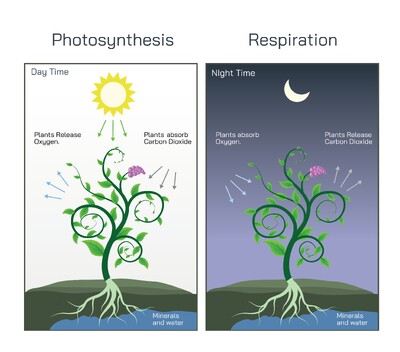
Carbon dioxide is a naturally occurring gas produced by respiration, volcanic activity, and the decomposition of organic matter. It is also absorbed by plants during photosynthesis, making it a key part of the carbon cycle. However, human activities such as burning fossil fuels, deforestation, and industrial processes have significantly increased carbon dioxide levels in the atmosphere. This enhanced concentration strengthens the greenhouse effect, leading to a gradual rise in global temperatures.
Carbon dioxide remains in the atmosphere for long periods, which means its warming influence accumulates over time. This makes it one of the most important drivers of long-term climate change.
Methane, Nitrous Oxide, and Other Trace Greenhouse Gases
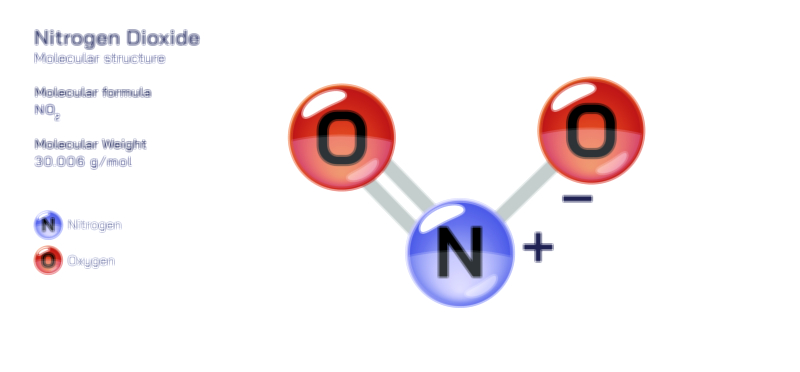
Methane is released from natural sources such as wetlands and from human-related activities including agriculture, livestock digestion, and fossil fuel extraction. Although methane exists in smaller amounts than carbon dioxide, it is far more efficient at trapping heat over shorter time scales. Nitrous oxide is produced by soil processes, agricultural fertilizers, and certain industrial activities. It contributes both to warming and to chemical reactions that affect the ozone layer.
Ozone plays a dual role in the atmosphere. In the upper atmosphere, it protects life by absorbing harmful ultraviolet radiation. Near the Earth’s surface, however, ozone acts as a greenhouse gas and air pollutant, contributing to warming and health problems.
The Greenhouse Effect and Temperature Regulation
The greenhouse effect occurs when sunlight reaches the Earth’s surface and warms it. The surface then emits energy back toward the atmosphere as infrared radiation. Greenhouse gases absorb part of this outgoing energy and re-radiate it in all directions, including back toward the surface. This process keeps the planet warmer than it would otherwise be.
This natural greenhouse effect is essential for maintaining a stable and habitable climate. However, when greenhouse gas concentrations increase beyond natural levels, excess heat becomes trapped, leading to global warming. This enhanced greenhouse effect disrupts climate patterns, influences weather extremes, and affects ecosystems worldwide.
Human Influence on Atmospheric Composition
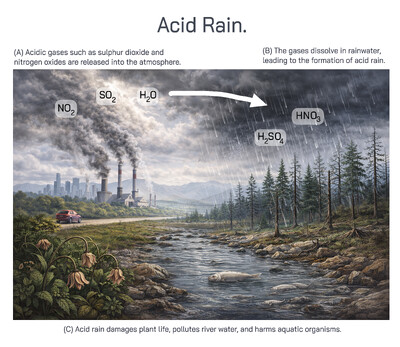
Human activities have altered atmospheric composition significantly over the past century. Industrialization, urbanization, and increased energy demand have raised the concentration of greenhouse gases. Changes in land use, deforestation, and agricultural practices further modify gas balances in the atmosphere. These changes affect not only temperature but also precipitation patterns, sea levels, and the frequency of extreme weather events.
Understanding atmospheric composition helps scientists monitor these changes and predict future climate trends. It also provides the scientific basis for developing strategies to reduce greenhouse gas emissions and mitigate climate change.
Educational and Environmental Importance
Studying atmospheric composition and greenhouse gases is fundamental in environmental science and climate education. It helps students and policymakers understand the delicate balance that sustains life on Earth. Visual representations such as composition charts and diagrams make it easier to grasp the relative importance of different gases and their roles in climate regulation.
Conclusion
Atmospheric composition defines the mixture of gases that sustain life and regulate Earth’s climate, while greenhouse gases play a vital role in trapping heat and maintaining temperature balance. Nitrogen and oxygen dominate the atmosphere, but trace gases like carbon dioxide, methane, and nitrous oxide have a powerful influence on climate systems. Understanding how these gases function, interact, and change due to human activity is essential for addressing global warming and protecting the planet’s environmental stability.