Abiotic and biotic factors are the two fundamental components that together make up any ecosystem. An ecosystem is a community of living organisms interacting with the physical and chemical environment around them. To understand how ecosystems function, survive, and maintain balance, it is essential to clearly distinguish between biotic factors, which include all living components, and abiotic factors, which include all non-living components. Although they are different in nature, abiotic and biotic factors are deeply interconnected and continuously influence one another.
Abiotic factors refer to the non-living physical and chemical elements of the environment that affect living organisms. These factors provide the basic conditions necessary for life to exist and function. Examples of abiotic factors include sunlight, temperature, water, air, soil, minerals, nutrients, humidity, wind, and climate. Abiotic factors do not have life, but they strongly determine where organisms can live, how they grow, and how ecosystems are structured.
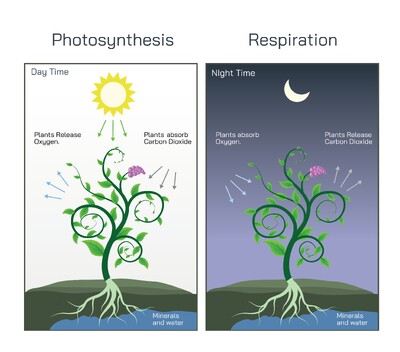
Sunlight is one of the most important abiotic factors in any ecosystem. It serves as the primary source of energy for most ecosystems on Earth. Green plants use sunlight to perform photosynthesis, a process through which they produce food and release oxygen. The availability of sunlight directly affects plant growth, which in turn influences the entire food chain. Ecosystems with abundant sunlight generally support greater productivity and biodiversity.
Temperature is another crucial abiotic factor. It affects the metabolic activities of living organisms, influencing growth, reproduction, and survival. Different organisms are adapted to different temperature ranges. Extreme temperatures can limit species distribution, while moderate temperatures support greater biological diversity. Seasonal temperature changes also influence migration, hibernation, and breeding cycles in animals.
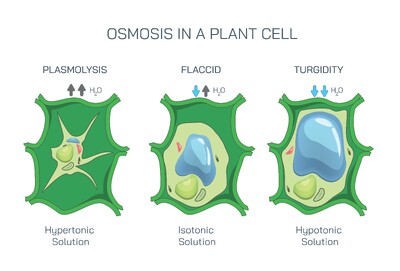
Water is essential for all forms of life and is a key abiotic factor in ecosystems. It acts as a medium for chemical reactions within living cells and helps regulate body temperature. The availability of water determines the type of ecosystem present, such as deserts, forests, grasslands, or aquatic ecosystems. Variations in rainfall and water quality can greatly affect plant and animal populations.
Soil is a vital abiotic factor, especially in terrestrial ecosystems. It provides physical support for plants and supplies essential minerals and nutrients required for growth. Soil composition, texture, and fertility influence the types of plants that can grow in a particular area. Healthy soil supports diverse plant life, which in turn supports a wide range of animals.
Air and atmospheric gases also play a significant role as abiotic factors. Oxygen is necessary for respiration in most living organisms, while carbon dioxide is essential for photosynthesis. The balance of gases in the atmosphere influences climate and directly affects life processes.
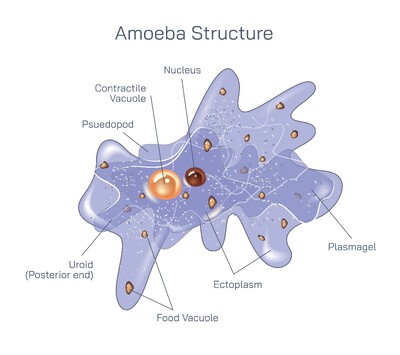
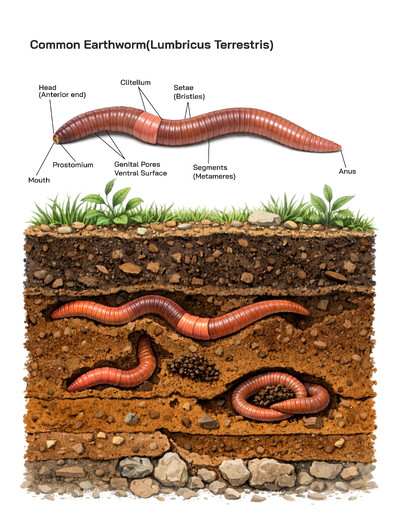
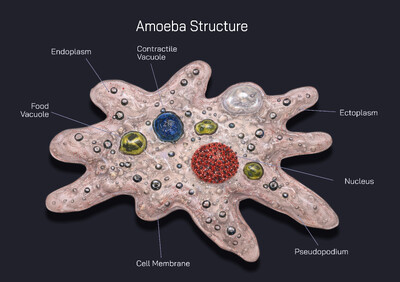
Biotic factors, on the other hand, include all living organisms present in an ecosystem. These factors encompass plants, animals, microorganisms, fungi, bacteria, and humans. Biotic factors are usually classified based on their role in the ecosystem as producers, consumers, and decomposers.
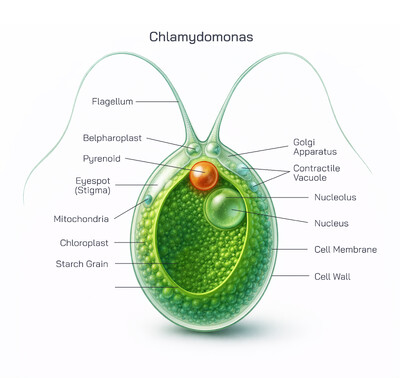
Producers are organisms that can manufacture their own food using energy from sunlight or chemical sources. Green plants, algae, and some bacteria fall into this category. Producers form the base of the food chain and are essential for energy flow within an ecosystem. Without producers, ecosystems would not be able to sustain life.
Consumers are organisms that depend on other organisms for food. They cannot produce their own food and must obtain energy by eating plants or other animals. Consumers are further divided into herbivores, carnivores, and omnivores. Herbivores feed on plants, carnivores feed on other animals, and omnivores consume both plants and animals. Each level of consumers plays a specific role in controlling population sizes and maintaining ecological balance.
Decomposers are organisms such as bacteria and fungi that break down dead plants and animals into simpler substances. Decomposition returns nutrients to the soil and water, making them available for reuse by producers. Decomposers play a critical role in nutrient cycling and prevent the accumulation of waste in ecosystems.
The interaction between abiotic and biotic factors is what drives ecosystem processes. Abiotic factors determine the type of biotic community that can exist in a particular environment. For example, deserts with low water availability support drought-resistant plants and animals, while aquatic ecosystems support organisms adapted to living in water.
Biotic factors also influence abiotic conditions. Plants can modify soil structure, increase humidity, and regulate temperature through shade. Large populations of organisms can alter nutrient levels and chemical composition of the environment. These interactions create feedback loops that help stabilize ecosystems.
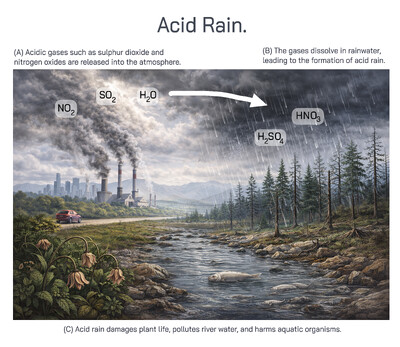
Changes in abiotic factors can have significant impacts on biotic components. A decrease in rainfall can lead to drought, affecting plant growth and causing food shortages for animals. Similarly, changes in temperature can shift species distribution and disrupt ecological relationships. Human activities that alter abiotic factors, such as pollution and climate change, can have long-lasting effects on ecosystems.
Biotic interactions such as competition, predation, mutualism, and parasitism further shape ecosystems. These interactions depend on both living organisms and the abiotic conditions in which they occur. A stable ecosystem requires a balance between biotic interactions and abiotic conditions.
In educational contexts, the concept of abiotic and biotic factors is fundamental in ecology and environmental science. Understanding these factors helps explain ecosystem diversity, productivity, and resilience. Diagrams showing both abiotic and biotic components make it easier to visualize how ecosystems function as integrated systems.
Abiotic and biotic factors together determine ecosystem health. A healthy ecosystem has suitable abiotic conditions and a balanced biotic community. Disruption in either component can lead to ecosystem imbalance, loss of biodiversity, and reduced ecosystem services.
In conclusion, abiotic and biotic factors are the two essential components of every ecosystem. Abiotic factors include non-living elements such as sunlight, water, temperature, soil, and air, which create the physical environment for life. Biotic factors include all living organisms, such as plants, animals, and microorganisms, that interact within this environment. Together, these factors shape ecosystems, regulate energy flow, cycle nutrients, and maintain ecological balance. Understanding abiotic and biotic factors provides a strong foundation for studying ecology, environmental science, and the complex relationships that sustain life on Earth.