Acid rain is a serious environmental phenomenon that results from the release of certain air pollutants into the atmosphere and their subsequent transformation into acidic substances. It is a form of precipitation that contains higher-than-normal amounts of acids, which fall to the Earth’s surface and cause damage to natural ecosystems, soil, water bodies, vegetation, buildings, and human-made structures. Although the term “acid rain” suggests only rainfall, it actually includes a range of acidic deposits such as rain, snow, sleet, fog, and even dry particles that settle on surfaces. Understanding acid rain is essential for appreciating how human activities influence atmospheric chemistry and environmental health.
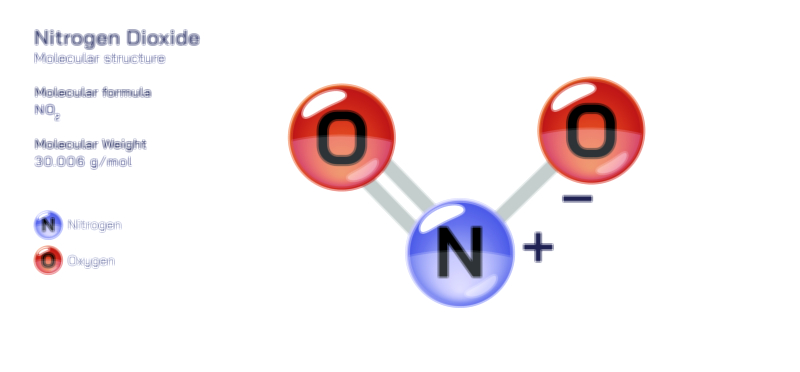
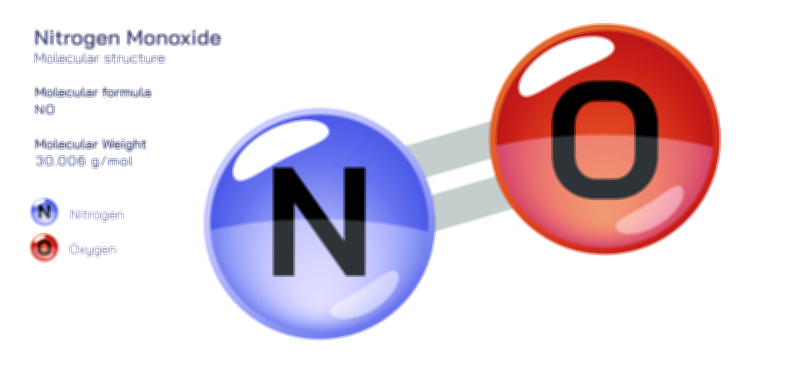
The primary cause of acid rain is the emission of sulfur dioxide and nitrogen oxides into the atmosphere. These gases are mainly released from the burning of fossil fuels such as coal, oil, and natural gas. Power plants that generate electricity, industrial factories, refineries, and motor vehicles are major sources of these pollutants. When fossil fuels are burned, sulfur present in the fuel combines with oxygen to form sulfur dioxide, while high-temperature combustion in engines and power stations produces nitrogen oxides from nitrogen and oxygen in the air.
Once released into the atmosphere, sulfur dioxide and nitrogen oxides do not remain in their original form. They undergo a series of complex chemical reactions involving water vapor, oxygen, and other atmospheric components. Through these reactions, sulfur dioxide is converted into sulfuric acid, and nitrogen oxides are converted into nitric acid. These acids dissolve in cloud droplets or attach to airborne particles, eventually returning to the Earth’s surface through precipitation or dry deposition.
Acid rain reaches the ground in two main ways, known as wet deposition and dry deposition. Wet deposition occurs when acidic compounds are dissolved in rain, snow, sleet, or fog and fall to the ground. This form of acid rain can travel long distances from its original source, meaning pollution generated in one region may cause environmental damage hundreds of kilometers away. Dry deposition occurs when acidic particles and gases settle directly on surfaces such as leaves, soil, buildings, and water bodies. These dry deposits can later be washed away by rain, forming acidic runoff.
One of the most severe impacts of acid rain is on aquatic ecosystems. Lakes, rivers, and streams are particularly vulnerable to changes in acidity. When acid rain enters freshwater bodies, it lowers the pH of the water, making it more acidic. Many aquatic organisms, including fish, amphibians, and invertebrates, are highly sensitive to changes in pH. Acidic water can damage fish gills, interfere with reproduction, and reduce survival rates. In extreme cases, entire fish populations may disappear from affected lakes.
Acid rain also disrupts soil chemistry and plant health. When acidic precipitation falls on soil, it leaches essential nutrients such as calcium, magnesium, and potassium from the soil. These nutrients are vital for plant growth and development. At the same time, acid rain can release harmful metals like aluminum from the soil, which can damage plant roots and interfere with nutrient uptake. As a result, trees and crops may become weak, stunted, or more susceptible to disease and pests.
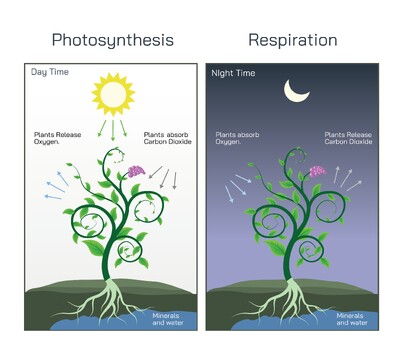
Forests are especially affected by acid rain, particularly at high altitudes where clouds and fog often contain high concentrations of acidic compounds. Acid rain can damage leaf surfaces, reducing the plant’s ability to carry out photosynthesis. Over time, this weakens trees, slows growth, and increases vulnerability to environmental stress such as drought, cold temperatures, and insect infestations. Large forested areas in various parts of the world have experienced decline linked to long-term exposure to acid deposition.
In addition to natural ecosystems, acid rain causes significant damage to buildings, monuments, and cultural heritage sites. Structures made of limestone, marble, and other calcium-based materials are particularly vulnerable. Acidic compounds react with these materials, causing them to erode, crack, and lose detail over time. Many historical monuments and statues have suffered visible damage due to prolonged exposure to acid rain, leading to costly restoration efforts.
Acid rain also affects agricultural productivity. Crops grown in acidified soils may show reduced growth and lower yields due to nutrient loss and root damage. Farmers in regions affected by acid deposition may need to apply soil treatments to neutralize acidity and restore fertility. This increases agricultural costs and highlights the broader economic impact of air pollution.
From a human health perspective, acid rain itself does not usually cause direct harm when it falls. However, the pollutants responsible for acid rain, such as sulfur dioxide and nitrogen oxides, can have serious health effects. These gases contribute to respiratory problems, including asthma and bronchitis, and can worsen existing heart and lung conditions. Fine particles formed from these pollutants can penetrate deep into the lungs, posing additional health risks.
The formation and effects of acid rain demonstrate the interconnected nature of the environment. Air pollution does not remain confined to the atmosphere but interacts with land, water, and living organisms. Acid rain is a clear example of how human activities can alter natural chemical cycles and create long-term environmental challenges.
Efforts to reduce acid rain have focused on controlling emissions of sulfur dioxide and nitrogen oxides. Technologies such as scrubbers in power plants remove sulfur dioxide from exhaust gases before they are released into the atmosphere. Catalytic converters in vehicles reduce nitrogen oxide emissions. The use of cleaner fuels, renewable energy sources, and improved energy efficiency has also contributed to lower pollution levels in many regions.
International agreements and environmental regulations have played a major role in addressing acid rain. By setting limits on emissions and encouraging cleaner technologies, many countries have successfully reduced acid deposition over the past few decades. These efforts demonstrate that environmental problems caused by human activity can be mitigated through scientific understanding, policy action, and public awareness.
Education and awareness are essential for preventing acid rain in the long term. Understanding the causes and effects of acid rain encourages individuals and communities to support clean energy solutions, reduce fossil fuel consumption, and advocate for environmental protection. Small changes in energy use, transportation choices, and industrial practices can collectively make a significant difference.
In conclusion, acid rain is a complex environmental issue caused primarily by the release of sulfur dioxide and nitrogen oxides from human activities. These pollutants react in the atmosphere to form acids that fall to the Earth’s surface through wet and dry deposition. Acid rain damages aquatic ecosystems, soil, forests, crops, buildings, and cultural monuments, while also posing indirect risks to human health. Understanding acid rain highlights the importance of controlling air pollution and protecting the delicate balance of natural systems. Through emission reduction, cleaner energy use, and environmental awareness, the harmful effects of acid rain can be reduced, ensuring a healthier and more sustainable environment for future generations.