Photosynthesis and plant respiration are two fundamental biological processes that together sustain plant life and support all living organisms on Earth. These processes are closely interconnected and represent opposite but complementary aspects of energy transformation in plants. Photosynthesis is the process by which green plants manufacture their own food using light energy, while plant respiration is the process by which plants release energy from that food to carry out vital life activities. Understanding both processes in detail provides a clear picture of how plants grow, survive, and contribute to the balance of life on the planet.
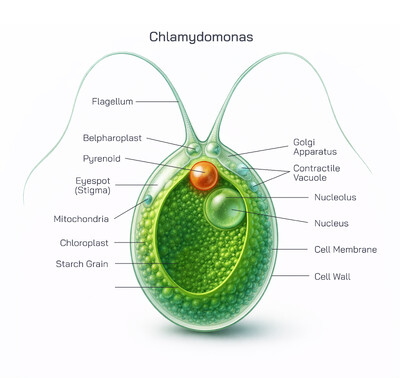
Photosynthesis is a unique ability of green plants, algae, and some microorganisms that allows them to convert light energy into chemical energy. This process takes place mainly in the leaves of plants, inside specialized cell organelles called chloroplasts. Chloroplasts contain a green pigment known as chlorophyll, which absorbs light energy from the Sun. This absorbed energy drives a series of chemical reactions that result in the formation of glucose, a simple sugar that serves as food for the plant.
The process of photosynthesis can be broadly understood as occurring in two major stages: the light-dependent reactions and the light-independent reactions. The light-dependent reactions take place in the thylakoid membranes of chloroplasts and require sunlight directly. During these reactions, light energy is absorbed by chlorophyll and converted into chemical energy in the form of energy-rich molecules. At the same time, water molecules are split, releasing oxygen as a by-product. This oxygen is released into the atmosphere, making photosynthesis the primary source of oxygen for most living organisms.
The light-independent reactions, often referred to as the dark reactions, do not require light directly and occur in the stroma of the chloroplast. In these reactions, carbon dioxide from the atmosphere is fixed and converted into glucose using the energy produced during the light-dependent reactions. This stage is essential for food synthesis, as it produces carbohydrates that the plant can store or use for growth and development.
Photosynthesis plays a vital role not only in plant life but also in maintaining ecological balance. It forms the base of food chains, as plants are primary producers that supply energy to herbivores and, indirectly, to carnivores. By absorbing carbon dioxide and releasing oxygen, photosynthesis helps regulate atmospheric composition and supports the carbon and oxygen cycles.
While photosynthesis stores energy, plant respiration is the process that releases this stored energy for use by the plant. Respiration occurs in all living plant cells and takes place continuously, both during the day and at night. Unlike photosynthesis, respiration does not require light. The primary purpose of respiration is to break down glucose and release energy needed for growth, repair, reproduction, and other metabolic activities.
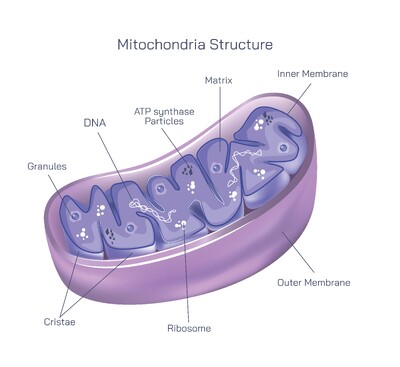
Plant respiration occurs mainly in the mitochondria, which are known as the powerhouses of the cell. During respiration, glucose produced during photosynthesis is combined with oxygen to release energy. This energy is stored in a usable form that the plant can utilize for various life processes. As a result of respiration, carbon dioxide and water are produced as waste products.
Respiration in plants can be divided into stages, including glycolysis, the Krebs cycle, and the electron transport system. These stages occur in different parts of the cell and involve a series of enzyme-controlled reactions. Although the detailed biochemical steps are complex, the overall outcome is the release of energy from glucose molecules. This energy is essential for cell division, nutrient transport, synthesis of proteins, and maintenance of cellular structures.
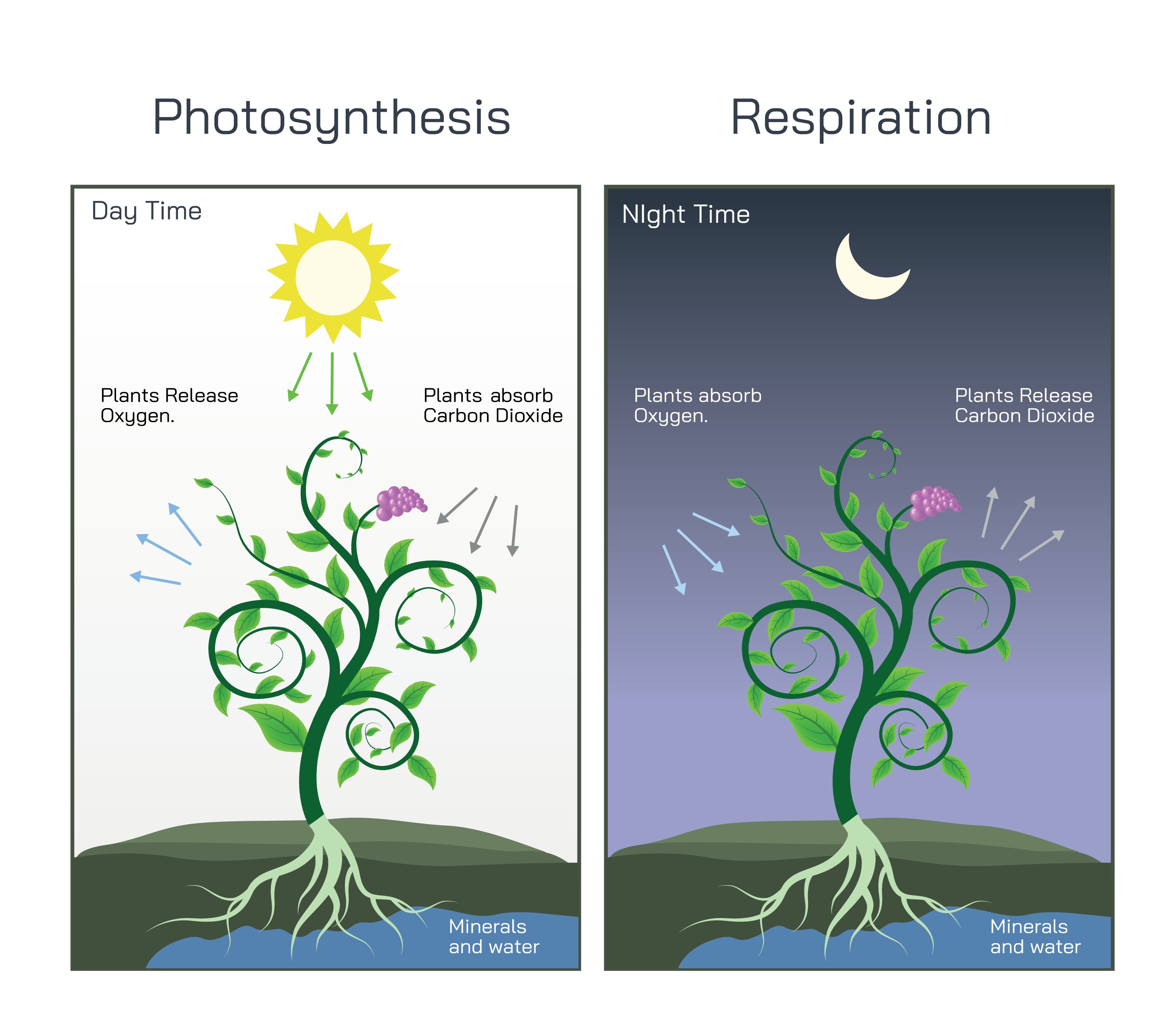
One important point to understand is that photosynthesis and respiration are interdependent processes. The glucose and oxygen produced during photosynthesis are used in respiration, while the carbon dioxide and water released during respiration are used again in photosynthesis. This creates a continuous cycle of matter and energy within the plant. Without photosynthesis, plants would not have food to respire, and without respiration, the energy stored during photosynthesis would remain unusable.
Another key difference between photosynthesis and plant respiration lies in their occurrence and location. Photosynthesis takes place only in green parts of the plant, primarily leaves, and only in the presence of light. Respiration, on the other hand, occurs in all living cells of the plant, including roots, stems, and leaves, and continues throughout the day and night. This ensures that energy is always available for essential life activities.
Gas exchange in plants supports both photosynthesis and respiration. Plants absorb carbon dioxide and release oxygen during photosynthesis, while they absorb oxygen and release carbon dioxide during respiration. This exchange of gases occurs mainly through small pores on the leaf surface called stomata. The opening and closing of stomata are regulated to balance gas exchange with water conservation.
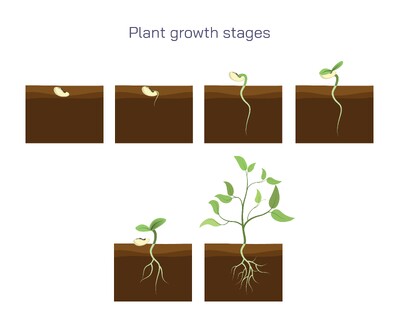
Photosynthesis and plant respiration together support plant growth and development. Photosynthesis provides the raw materials and stored energy needed for building plant tissues, while respiration supplies the energy required to use those materials effectively. This balance ensures that plants can grow, repair damaged tissues, and respond to environmental changes.
From an ecological perspective, these processes are critical for sustaining life on Earth. Photosynthesis is the primary source of organic matter and oxygen, making it essential for all aerobic organisms. Plant respiration ensures that energy flows through ecosystems, supporting food webs and nutrient cycles. Together, these processes maintain the stability of ecosystems and the continuity of life.
In agricultural and environmental studies, understanding photosynthesis and plant respiration helps improve crop productivity and manage ecosystems effectively. Factors such as light availability, water supply, temperature, and nutrient levels influence both processes. Optimizing these factors can enhance photosynthesis while ensuring efficient respiration, leading to healthier plants and higher yields.
In conclusion, photosynthesis and plant respiration are two complementary processes that define plant life. Photosynthesis enables plants to produce their own food by converting light energy into chemical energy, while plant respiration releases that energy for use in growth and metabolism. These processes are interconnected, continuous, and essential for maintaining life on Earth. A clear understanding of photosynthesis and plant respiration highlights the remarkable efficiency of plants and their central role in sustaining ecosystems, regulating atmospheric gases, and supporting all forms of life.