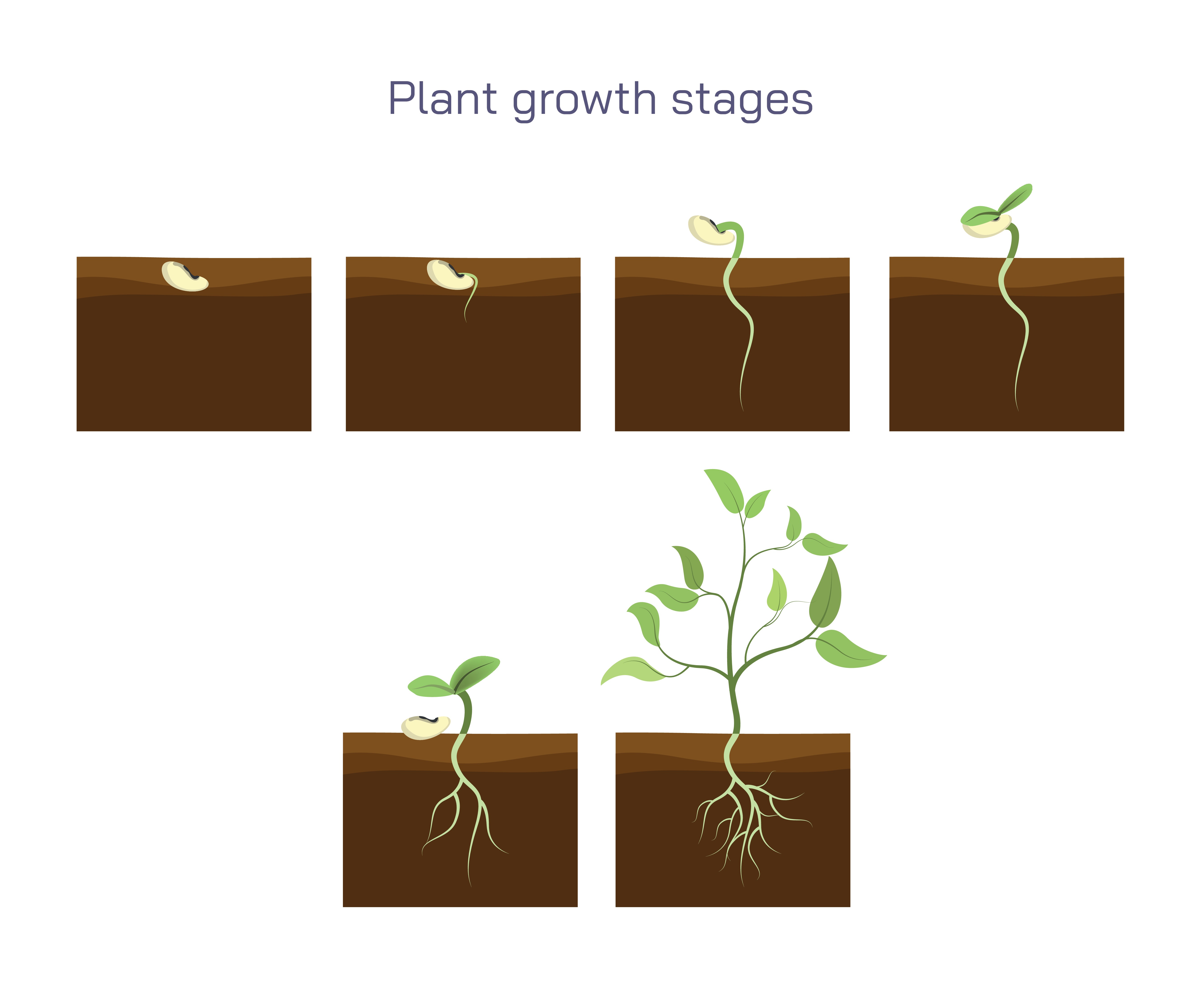
Plant growth stages describe the complete and continuous process through which a plant develops from a dormant seed into a mature organism capable of reproduction. Understanding these stages is essential in biology, agriculture, horticulture, and environmental science because each phase represents specific structural, physiological, and biochemical changes that determine the health, productivity, and survival of plants. Although the exact duration and appearance of each stage may vary depending on plant species, climate, and growing conditions, the fundamental stages remain largely consistent across most flowering plants.
Seed Germination Stage
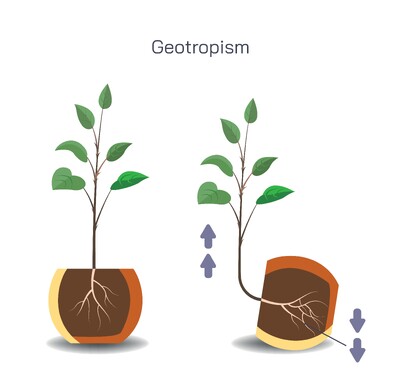
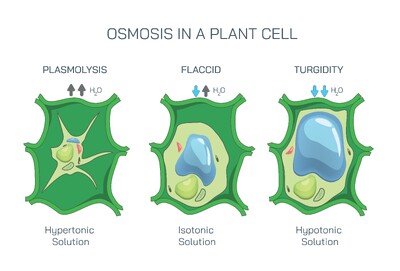
The plant life cycle begins with seed germination, a critical stage during which a dormant seed becomes an active, growing organism. Germination starts when the seed absorbs water from the soil, a process known as imbibition. Water activates enzymes inside the seed that initiate metabolic activities. As respiration increases, stored food materials within the seed are broken down to supply energy for growth. The seed coat softens and eventually splits, allowing the radicle, or embryonic root, to emerge first. This early root anchors the plant and begins absorbing water and minerals. Shortly afterward, the plumule, or embryonic shoot, grows upward toward the light. Proper temperature, oxygen availability, and moisture are essential for successful germination. Without these favorable conditions, the seed may remain dormant or fail to sprout.
Seedling Stage
Once the shoot emerges above the soil surface, the plant enters the seedling stage. This phase is characterized by the appearance of the first leaves, known as cotyledons or seed leaves. Cotyledons provide nourishment to the young plant until it can perform photosynthesis efficiently. As true leaves begin to form, the seedling gradually becomes independent of stored food reserves. During this stage, the plant is particularly delicate and vulnerable to environmental stress such as drought, pests, diseases, and mechanical damage. A healthy seedling develops a balanced root and shoot system, which lays the foundation for future growth. Adequate sunlight, water, and nutrients are vital at this stage to ensure proper establishment.
Vegetative Growth Stage
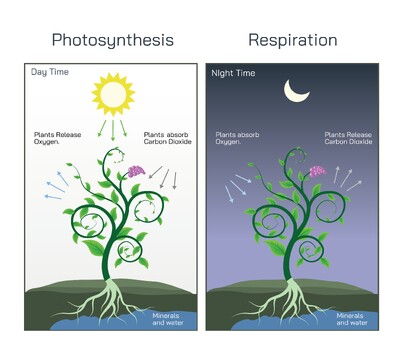
The vegetative stage is one of the longest and most important phases of plant growth. During this period, the plant focuses on increasing its size by producing leaves, stems, and roots. Leaves expand to maximize photosynthesis, allowing the plant to convert sunlight into chemical energy stored as carbohydrates. Stems elongate and strengthen to support future flowers and fruits, while roots grow deeper and wider to enhance water and mineral absorption. Plant hormones such as auxins, gibberellins, and cytokinins play a crucial role in regulating cell division and elongation during vegetative growth. This stage determines the plant’s overall structure and capacity to support reproduction later in life. Healthy vegetative growth is essential for high crop yield and strong plant resilience.
Budding and Pre-Flowering Stage
As the plant reaches maturity, it transitions into the budding or pre-flowering stage. This phase marks a shift from vegetative growth to reproductive development. Buds begin to form at the tips of shoots or in leaf axils. Internally, physiological changes occur as the plant reallocates energy from leaf and stem growth toward flower formation. Environmental cues such as day length, temperature, and nutrient availability often trigger this transition. The appearance of buds indicates that the plant is preparing for reproduction and that flowering is imminent.
Flowering Stage
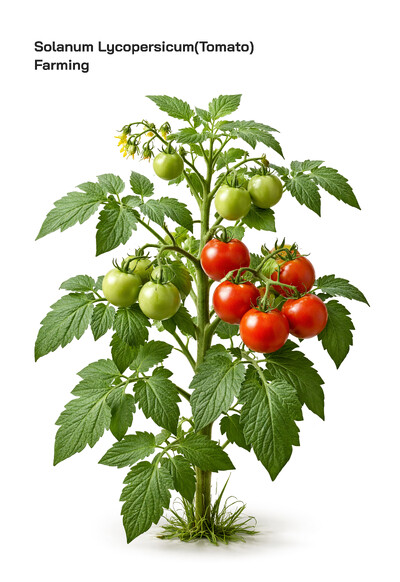
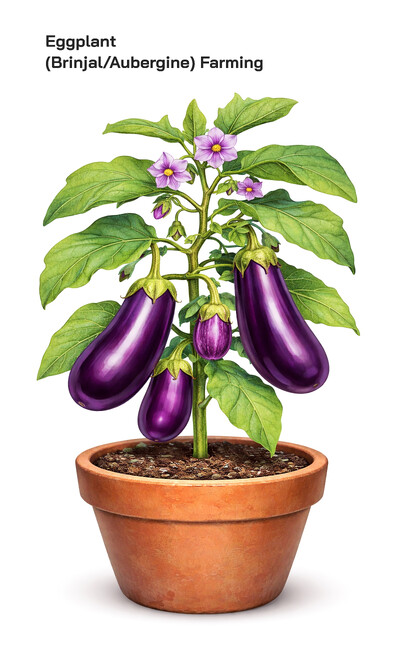
The flowering stage is the reproductive phase of the plant life cycle. Flowers develop and open, revealing reproductive organs responsible for pollination and fertilization. This stage is crucial for sexual reproduction in plants. Pollination occurs when pollen grains are transferred from the anther to the stigma, either by wind, water, insects, birds, or other animals. Following successful pollination, fertilization takes place, resulting in the formation of seeds. Flowering requires significant energy, and plants depend heavily on the resources accumulated during the vegetative stage. The timing and duration of flowering directly influence fruit and seed production, making this stage especially important in agriculture and horticulture.
Fruiting and Seed Formation Stage
After fertilization, the plant enters the fruiting stage. The ovary of the flower develops into a fruit, while the fertilized ovules become seeds. Fruits serve as protective structures for seeds and often aid in seed dispersal through animals, wind, or water. During this stage, nutrients are redirected to support seed development. As fruits mature, they undergo changes in size, color, texture, and chemical composition. Once fully developed, seeds become capable of germinating under favorable conditions, thus completing the plant life cycle. In many crops, this stage represents the harvest period and is critical for food production.
Senescence and Dormancy
In some plants, particularly annuals, the life cycle ends after seed production, and the plant undergoes senescence, a natural aging process leading to death. In perennials, above-ground parts may die back while roots or underground stems remain alive, entering a dormant phase. Dormancy allows plants to survive unfavorable environmental conditions and resume growth when conditions improve. This stage ensures continuity of the species across seasons.
In conclusion, plant growth stages represent a well-coordinated sequence of developmental events that transform a seed into a mature, reproducing organism. Each stage is interconnected, and successful progression depends on environmental factors, internal hormonal regulation, and resource availability. Understanding these stages is fundamental for improving agricultural practices, enhancing crop productivity, and gaining deeper insight into plant biology and life processes.