The eukaryotic cell is the fundamental structural and functional unit of all complex living organisms, including animals, plants, fungi, and protists. Unlike prokaryotic cells, eukaryotic cells possess a true nucleus and a wide variety of membrane-bound organelles that allow efficient compartmentalization of cellular functions. This advanced internal organization enables eukaryotic cells to perform complex metabolic activities, regulate genetic information precisely, and maintain high levels of specialization. Understanding the structure of a eukaryotic cell is essential for studying biology, medicine, genetics, and biotechnology.
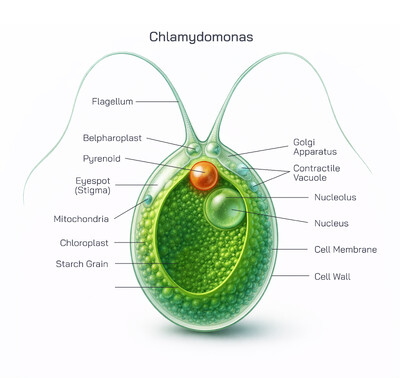
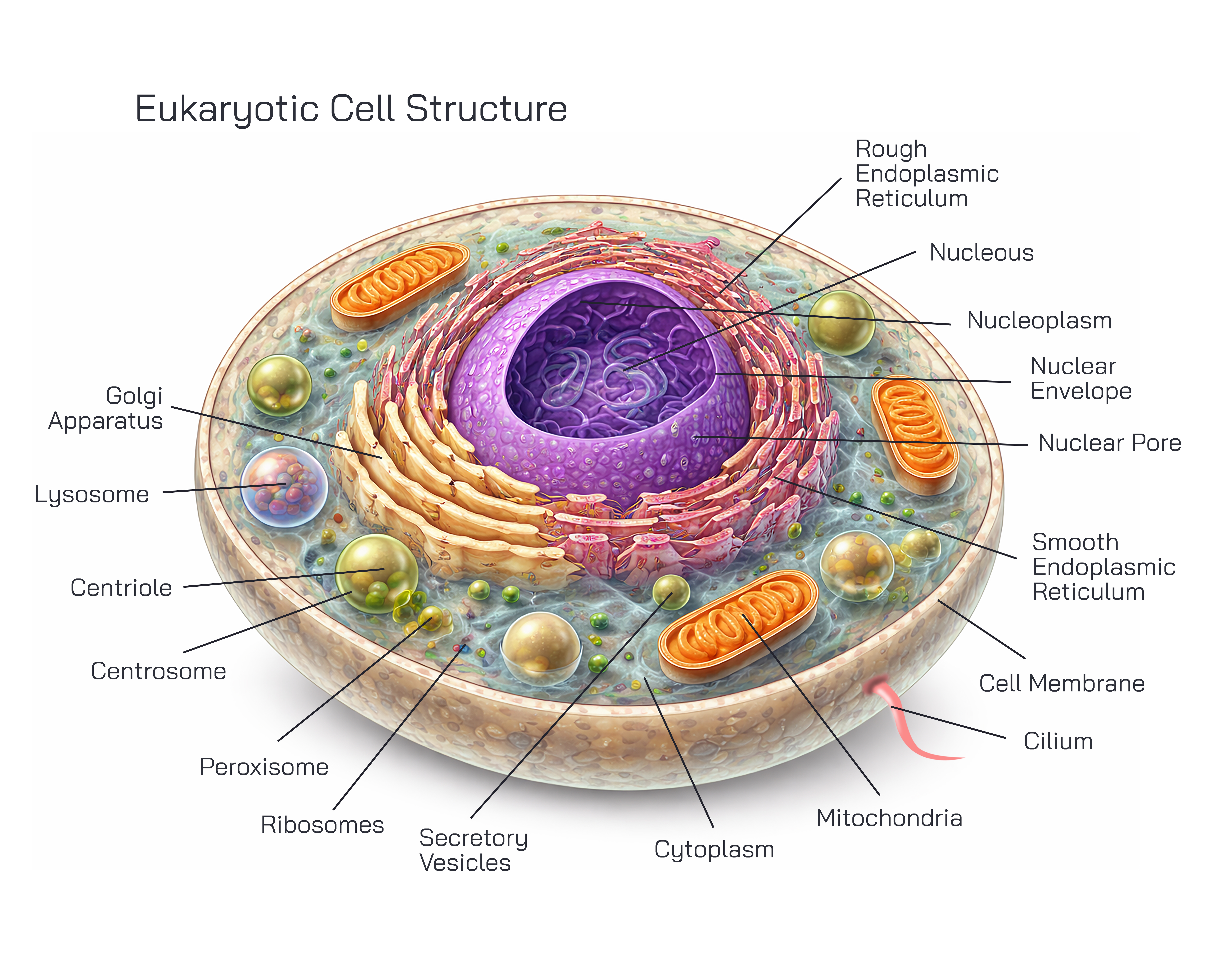
At the center of the eukaryotic cell lies the nucleus, which serves as the control center of the cell. The nucleus houses the genetic material in the form of DNA, organized into chromosomes. It is surrounded by a double-layered membrane called the nuclear envelope, which separates the nuclear contents from the cytoplasm. Embedded within the nuclear envelope are nuclear pores that regulate the movement of molecules such as RNA and proteins between the nucleus and cytoplasm. Inside the nucleus, the nucleoplasm contains chromatin and one or more nucleoli. The nucleolus plays a critical role in ribosome synthesis by producing ribosomal RNA and assembling ribosomal subunits.
Surrounding the nucleus is the cytoplasm, a semi-fluid matrix composed mainly of water, dissolved ions, enzymes, and organic molecules. The cytoplasm provides a medium in which organelles are suspended and biochemical reactions occur. It also facilitates intracellular transport and communication between different cellular components. The dynamic nature of the cytoplasm allows the cell to adapt quickly to environmental changes.
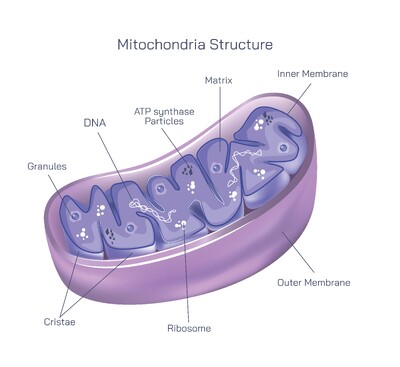
One of the most vital organelles within the cytoplasm is the mitochondrion. Often referred to as the powerhouse of the cell, mitochondria are responsible for producing energy in the form of ATP through cellular respiration. These organelles have a double membrane structure, with an outer membrane and a highly folded inner membrane forming cristae. The folding increases surface area, enhancing energy production efficiency. Mitochondria also contain their own DNA and ribosomes, indicating their evolutionary origin from ancient symbiotic bacteria.
The endoplasmic reticulum is a vast network of membranous tubules and sacs connected to the nuclear envelope. It exists in two forms: rough endoplasmic reticulum and smooth endoplasmic reticulum. The rough endoplasmic reticulum is studded with ribosomes and is primarily involved in protein synthesis and modification. Proteins produced here are destined for secretion, insertion into membranes, or transport to other organelles. In contrast, the smooth endoplasmic reticulum lacks ribosomes and plays a major role in lipid synthesis, detoxification of harmful substances, and calcium storage, especially in muscle cells.
Ribosomes are small, non-membranous structures responsible for protein synthesis. They may be found freely floating in the cytoplasm or attached to the rough endoplasmic reticulum. Free ribosomes typically synthesize proteins used within the cytosol, while bound ribosomes produce proteins that are transported or secreted. Ribosomes consist of ribosomal RNA and proteins and are essential for translating genetic information into functional molecules.
The Golgi apparatus acts as the processing and distribution center of the cell. It receives proteins and lipids from the endoplasmic reticulum, modifies them through processes such as glycosylation, and packages them into vesicles for transport to their final destinations. The Golgi apparatus plays a crucial role in intracellular trafficking and ensures that molecules reach the correct location within or outside the cell.
Lysosomes are membrane-bound organelles that contain digestive enzymes capable of breaking down waste materials, damaged organelles, and invading pathogens. They are often referred to as the recycling centers of the cell because they help maintain cellular cleanliness and efficiency. Lysosomal activity is vital for cellular defense, renewal, and programmed cell death.
Peroxisomes are another type of membrane-bound organelle involved in metabolic processes, particularly those related to lipid metabolism and detoxification. They contain enzymes that break down fatty acids and neutralize toxic substances by producing and degrading hydrogen peroxide. Peroxisomes help protect the cell from oxidative damage and contribute to metabolic balance.
The centrosome is an important structure involved in cell division. It consists of a pair of centrioles surrounded by protein material. During cell division, the centrosome organizes the spindle fibers that separate chromosomes into daughter cells. Proper functioning of the centrosome is essential for accurate genetic distribution and cell cycle progression.
Secretory vesicles are small membrane-bound sacs that transport proteins and other molecules from the Golgi apparatus to the cell membrane. These vesicles play a key role in secretion, allowing cells to release hormones, enzymes, and signaling molecules into the extracellular environment. Vesicle trafficking is fundamental to communication between cells.
The cell membrane, also known as the plasma membrane, encloses the eukaryotic cell and regulates the movement of substances in and out of the cell. It is composed of a phospholipid bilayer embedded with proteins, cholesterol, and carbohydrates. The cell membrane maintains cellular integrity, enables selective permeability, and facilitates cell signaling and recognition.
Some eukaryotic cells possess specialized structures such as cilia or flagella. Cilia are hair-like projections that help move fluids across the cell surface, while flagella assist in cell movement. These structures are particularly important in respiratory pathways, reproductive systems, and unicellular eukaryotes.
The defining feature of eukaryotic cells is compartmentalization. By separating different processes into distinct organelles, the cell increases efficiency, prevents interference between reactions, and allows precise regulation. This organization supports complex life processes such as multicellularity, tissue specialization, and advanced metabolic control.
Eukaryotic cell structure is fundamental to understanding how living organisms grow, function, and adapt. Disorders in organelle function can lead to diseases, highlighting the medical importance of cell biology. Research on eukaryotic cells has advanced knowledge in genetics, cancer biology, neurobiology, and biotechnology.
In conclusion, the eukaryotic cell is a highly organized and dynamic unit of life. Its nucleus stores and regulates genetic information, mitochondria produce energy, the endoplasmic reticulum and Golgi apparatus manage protein and lipid synthesis, lysosomes and peroxisomes handle waste and detoxification, and the cell membrane controls interaction with the environment. Together, these organelles work in harmony to sustain life, demonstrating the remarkable complexity and efficiency of eukaryotic cells.