Transport of Oxygen in the Blood and Other Organs: A Detailed Description
The Vital Journey of Oxygen Through the Human Body
The movement of oxygen from the atmosphere into the tissues represents one of the most essential biological processes supporting life. Every moment, your body relies on an intricate system that absorbs oxygen, transports it efficiently, and distributes it precisely to every organ that depends on it for energy and normal function. The process begins the moment air enters the lungs and continues in a coordinated sequence that involves the respiratory system, the circulatory system, and the cellular machinery within each organ. Without this beautifully orchestrated flow, none of the body’s tissues could generate the energy needed to maintain structure, repair damage, or perform daily activities. Understanding this pathway not only reveals how crucial oxygen is but also highlights how the body has evolved specialized mechanisms to ensure oxygen is constantly available, even in changing conditions.
How Oxygen Enters the Bloodstream
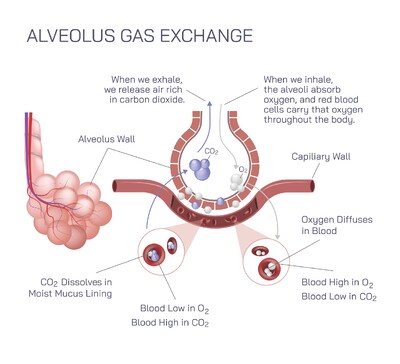
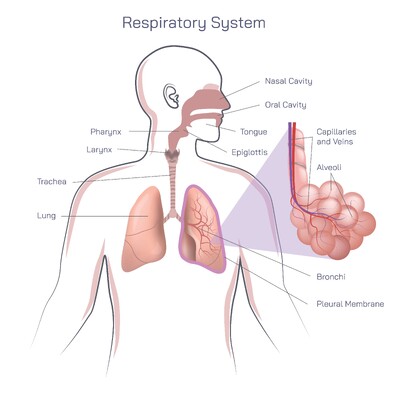
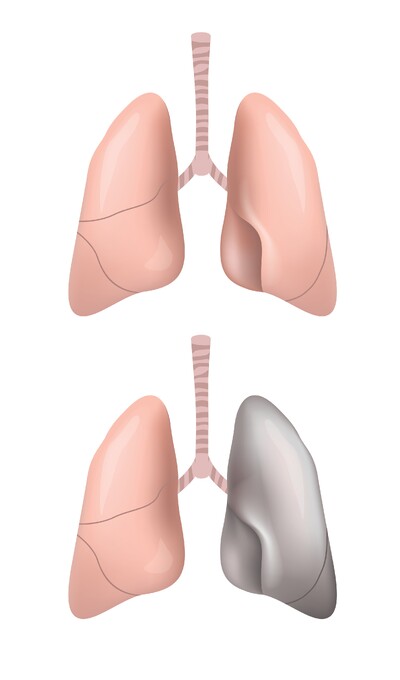
Inside the lungs, thousands of tiny air sacs known as alveoli provide the first major site of oxygen transfer. These structures create a massive surface area that maximizes contact between inhaled air and the surrounding capillary network. The thin membranes of the alveoli allow oxygen to pass easily into the blood while carbon dioxide travels in the opposite direction to be expelled during exhalation. The difference in oxygen concentration between the air-filled alveoli and the oxygen-poor blood arriving from the body establishes a strong driving force for oxygen to diffuse rapidly into the bloodstream. This ensures that, even with the brief time blood spends in the lungs, nearly complete oxygen saturation can occur under healthy conditions.
The Central Role of Hemoglobin in Oxygen Transport
Once inside the bloodstream, oxygen faces an important challenge: it does not dissolve efficiently in plasma. To overcome this limitation, the body relies on hemoglobin, an iron-containing protein within red blood cells capable of carrying large amounts of oxygen. Each hemoglobin molecule can attach multiple oxygen molecules, creating a highly efficient transport system that can deliver vast quantities of oxygen with minimal energy expenditure. Hemoglobin’s structure allows it to bind oxygen tightly in the high-oxygen environment of the lungs while releasing it easily where oxygen levels in tissues are lower. This behavior ensures a continuous supply of oxygen is maintained throughout the body and adapts dynamically to changing needs, such as during exercise, stress, or rest.
Circulation and Oxygen Distribution Across Organs
After oxygen-rich blood leaves the lungs, it travels to the heart, which pumps it forcefully through the arteries to reach every region of the body. Branching vessels deliver blood deep into organs through networks of capillaries, where oxygen is released to cells. Each organ receives oxygen according to its metabolic needs. The brain, for instance, requires a constant, high level of oxygen to maintain electrical activity and cognitive function. The heart muscles demand oxygen to power continuous pumping. The liver uses oxygen to sustain vital metabolic processes, while the kidneys rely on it to filter blood and maintain internal balance. Even resting skeletal muscles receive enough oxygen to support basic activity, while during exertion, blood flow and oxygen extraction can increase dramatically to meet rising demands.
Cellular Utilization and Energy Generation
Within the cells of each organ, oxygen plays a central role in producing energy. Inside mitochondria, the oxygen delivered by the blood becomes part of a complex series of biochemical reactions that generate usable energy for cellular tasks. This energy supports everything from muscle contraction to nerve signaling, hormone production, and tissue repair. Although these internal processes occur on a microscopic scale, they are essential for maintaining the larger functions of every organ and system. The delivery of oxygen, therefore, directly influences how efficiently the body operates and how well it responds to physical or environmental stress.
How the Body Regulates Oxygen Transport
Oxygen transport is not a passive process; instead, the body constantly adjusts to ensure optimal supply. When tissues consume more oxygen, the concentration difference between the blood and the cells becomes greater, encouraging hemoglobin to release oxygen more readily. The heart responds by increasing both rate and force of pumping, delivering more oxygen-rich blood. The respiratory system may increase breathing depth or frequency to raise oxygen intake and remove carbon dioxide more efficiently. Temperature, acidity, and carbon dioxide levels within tissues also influence hemoglobin’s ability to release oxygen, creating a highly adaptive system that maintains balance across different conditions and physiological states.
Oxygen Return, Carbon Dioxide Removal, and Circulatory Continuation
Once tissues extract oxygen from the blood, hemoglobin binds the carbon dioxide produced as a waste product of cellular energy metabolism. This gas travels back to the lungs, where it is released into the alveoli and removed from the body through exhalation. The blood, now low in oxygen, returns to the lungs through the veins, completing the circulatory loop and preparing for another cycle of oxygen loading. This continuous cycle ensures that tissues never experience prolonged shortages and that metabolic waste is cleared efficiently.
Impact on Health and Disease
Any disruption in the oxygen transport pathway can profoundly affect organ function. Conditions such as anemia reduce the number of red blood cells or hemoglobin available to carry oxygen. Respiratory diseases may limit oxygen entry into the bloodstream, while cardiovascular problems can impair blood flow and reduce delivery to vital organs. Similarly, high altitudes reduce the oxygen available in the air, pushing the body to adapt by increasing breathing, heart rate, and red blood cell production. These variations reveal how sensitive the oxygen transport system is and how dependent the body is on its unbroken operation.
The Integrated System That Sustains Life
The transport of oxygen in the blood and into organs represents a seamless interaction between the lungs, the heart, the blood vessels, red blood cells, and the cellular machinery of individual tissues. Every breath taken renews oxygen supply, every heartbeat distributes that supply, and every organ relies on the energy oxygen helps produce. This uninterrupted sequence underscores why oxygen is considered fundamental to life and why understanding its movement through the body is essential for comprehending how the human organism functions as a whole.