Photosynthesis Process: Conversion of Light Energy into Chemical Energy in Plants Explained
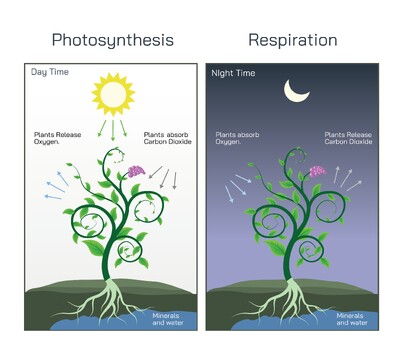
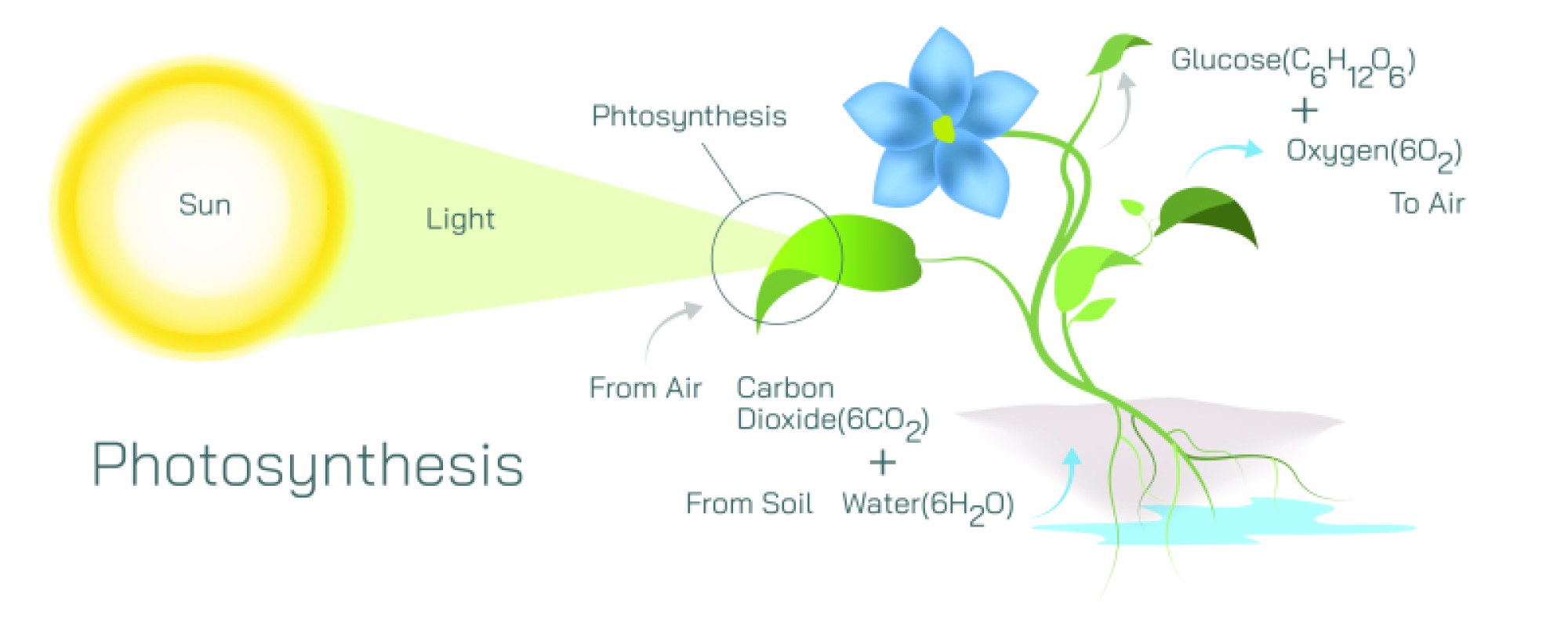
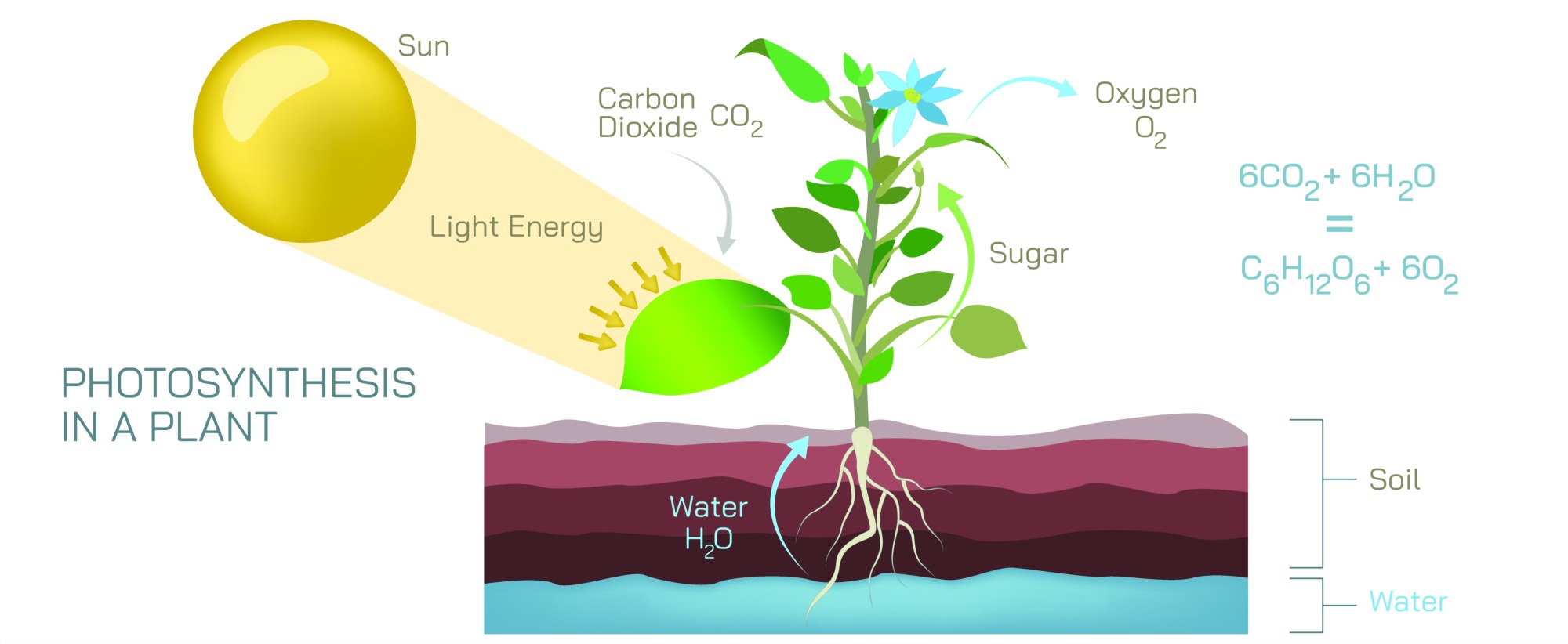
Photosynthesis is the biological engine that powers nearly all life on Earth, converting sunlight into usable chemical energy stored inside organic molecules. Although the word suggests a simple transformation, the process represents an astonishing sequence of molecular events that take place inside plant cells, where pigments, membranes, enzymes, and energy-carrying molecules cooperate to capture light and manufacture food. A typical diagram of photosynthesis traces the pathway from sunlight striking a leaf, through the reactions occurring in chloroplasts, to the production of glucose and oxygen. Beneath that simplified visual lies a highly coordinated biochemical system that enables plants to sustain themselves, feed ecosystems, and regulate the atmosphere. To fully understand the transformation of light energy into chemical energy, it is essential to follow the journey step by step, from the structure of chloroplasts to the roles of light-dependent and light-independent reactions.
The process begins within the chloroplasts, specialized organelles located in plant cells, especially abundant in the mesophyll tissue of leaves. Chloroplasts contain stacks of flattened membrane sacs called thylakoids, arranged in piles known as grana, surrounded by a fluid matrix called the stroma. The internal architecture of chloroplasts is not random; it creates distinct environments for different stages of photosynthesis. The thylakoid membranes host pigment molecules and protein complexes designed to absorb solar energy, while the stroma houses the enzymes that later convert this energy into carbohydrates. The pigments are led by chlorophyll, a molecule whose electron structure enables it to absorb red and blue wavelengths of light while reflecting green, giving plants their familiar color. When sunlight strikes chlorophyll molecules, photons excite electrons to higher energy levels, initiating the chain of reactions that make photosynthesis possible.
The first major stage of photosynthesis is known as the light-dependent reactions, which take place on the thylakoid membranes. When chlorophyll absorbs light, its energized electrons are transferred into a flow through a series of protein complexes called the electron transport chain. As electrons move along this chain, their energy is used to pump protons across the thylakoid membrane, generating an electrochemical gradient. This gradient drives ATP synthase, an enzyme that produces ATP, the universal energy currency of cells. Meanwhile, electrons removed from chlorophyll must be replaced, and this replacement occurs through the splitting of water, a reaction that produces electrons, hydrogen ions, and oxygen gas. Oxygen, released as a by-product, diffuses out of the leaf and eventually enters the atmosphere, supporting aerobic life on Earth. At the end of the light-dependent pathway, high-energy electrons are stored in another energy-carrying molecule, NADPH, ensuring that both ATP and NADPH are available for the next stage.
The second major phase of photosynthesis is known as the light-independent reactions, or the Calvin cycle, occurring in the stroma of the chloroplast. Although dependent on the products of the light reactions, this phase does not require light directly. Instead, enzymes use ATP and NADPH to convert carbon dioxide from the atmosphere into organic molecules. The key molecule of this step is RuBP, a five-carbon compound that binds with incoming carbon dioxide in a reaction catalyzed by the enzyme RuBisCO, one of the most abundant proteins on Earth. Through a series of transformations, the cycle produces G3P, a three-carbon molecule that can be used to form glucose and other carbohydrates. Some G3P is used to regenerate RuBP to keep the cycle operating, while the rest enters metabolic pathways that synthesize starch for storage or cellulose for building plant structures. In this way, the stroma serves as the biochemical workshop where inorganic carbon is assembled into the energy-rich molecules that support plant life.
A deeper look at photosynthesis reveals not just a single pathway but a network of feedback systems that balance the needs of the plant with environmental constraints. If light intensity increases, the rate of the light-dependent reactions rises up to a limit determined by available pigments and electron transport proteins. If carbon dioxide becomes scarce, the Calvin cycle slows, even if ample ATP and NADPH are present. Temperature also influences photosynthesis by affecting enzyme activity. These interdependencies illustrate how plants constantly adjust the balance between energy capture and energy storage to maintain optimal metabolism.
The global significance of photosynthesis extends far beyond individual plants. The oxygen produced during the splitting of water helped transform Earth’s early atmosphere, making aerobic life possible. The glucose generated by photosynthesis forms the base of food webs because plants, algae, and cyanobacteria act as primary producers, storing sunlight in chemical form so that herbivores and, in turn, carnivores can extract energy from their tissues. The carbon-fixing role of photosynthesis also moderates climate by removing carbon dioxide from the atmosphere and storing carbon in biomass and soils. For this reason, forests, oceans, and agricultural plants are central to regulating Earth’s carbon cycle.
From an energy-conversion point of view, photosynthesis exemplifies one of the most elegant biological strategies ever evolved. Light-absorbing pigments harness the raw energy of photons. Electron transport chains convert that energy into electrochemical gradients, which are in turn transformed into ATP and reducing power. Enzymatic machinery channels that stored energy into the formation of stable carbohydrates. At every stage, no single molecule acts alone; instead, the system works as a coordinated network in which the output of one pathway becomes the input of another. What begins as sunlight striking a leaf ends as chemical bonds capable of fueling growth, reproduction, repair, and all life processes.
Ultimately, the photosynthesis diagram that shows sunlight, chloroplasts, the thylakoid membrane, ATP and NADPH production, the Calvin cycle, and glucose synthesis encapsulates a biological story that supports the entire living world. It illustrates how energy from the Sun becomes energy for ecosystems, how invisible molecular machinery inside plant cells shapes Earth’s climate and food supply, and how life depends on a continuous cycle of capturing, transforming, and storing energy. By converting light into chemical energy, photosynthesis provides the fundamental link between the physical universe and the biological one — a transformation so vital that every breath of oxygen and every bite of food can be traced back to the green machinery within leaves.