Alveolus Gas Exchange in the Human Body: A Detailed Description
Understanding the Alveolus as the Core Site of Human Gas Exchange
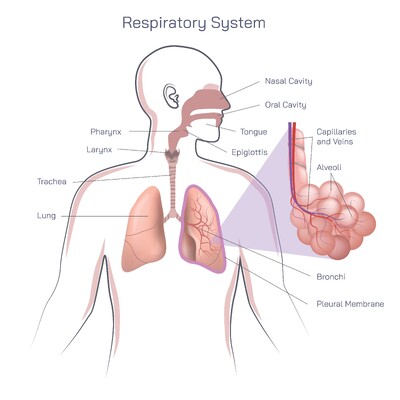
Gas exchange in the human body reaches its most essential stage inside tiny air sacs called alveoli, located deep within the lungs. These delicate structures serve as the final interface between the air we breathe and the bloodstream that circulates throughout the body. Every inhalation fills the alveoli with oxygen-rich air, and every exhalation removes carbon dioxide generated by cellular activity. The unique design of the alveoli—thin walls, surrounding capillaries, and a moist internal lining—creates an ideal environment for rapid diffusion of gases. This process allows oxygen to enter the bloodstream efficiently while carbon dioxide exits, ensuring that vital organs receive the oxygen they need and that waste gases are continuously removed.
The Structure of the Alveolus and Why It Is Suited for Gas Exchange
Each alveolus looks like a microscopic balloon with extremely thin, flexible walls made of a single layer of epithelial cells. Around each alveolus lies a dense network of capillaries, whose walls are also only one cell thick. This means the barrier between air and blood is incredibly thin, making diffusion both fast and efficient. The interior of each alveolus contains a thin film of moisture that helps dissolve gases, enabling oxygen and carbon dioxide to move across the membrane more easily. The vast number of alveoli—approximately 300 million in a single pair of lungs—provides an enormous surface area, which maximizes the body's ability to exchange gases with every breath.
How Oxygen Diffuses Into the Bloodstream
When air enters the alveolus during inhalation, it contains a higher concentration of oxygen than the oxygen-poor blood arriving from the body. This difference in oxygen concentration creates a gradient that drives oxygen molecules from the alveolar air across the respiratory membrane and into the blood. Once oxygen passes into the surrounding capillaries, it binds immediately to hemoglobin in red blood cells. Hemoglobin carries the oxygen throughout the body, delivering it to tissues that depend on oxygen for energy production. The rapid binding process ensures that the blood leaving the lungs becomes fully oxygenated before it circulates to the heart and the rest of the body.
How Carbon Dioxide Leaves the Blood During Exhalation
While oxygen enters the blood, carbon dioxide—a waste product of cellular metabolism—moves in the opposite direction. The blood arriving at the alveolus has a higher concentration of carbon dioxide than the air inside the alveolar sac. This concentration difference causes carbon dioxide to diffuse out of the blood, across the thin membrane, and into the alveolus. Once it enters the alveolar space, it mixes with the air that will soon be expelled during exhalation. This removal ensures that carbon dioxide does not accumulate in the body and helps maintain pH balance in the bloodstream.
The Respiratory Membrane: A Thin but Powerful Barrier
The efficiency of alveolar gas exchange depends on the structure of the respiratory membrane, which consists of the alveolar wall, the capillary wall, and the fused basement membrane between them. This ultra-thin barrier minimizes the distance gases must travel, allowing diffusion to occur in a fraction of a second. Because both oxygen and carbon dioxide are small and easily soluble, they pass rapidly across this membrane, enabling the lungs to refresh the body’s blood supply many times each minute.
Ventilation and Perfusion: Coordinating Airflow and Blood Flow
Effective gas exchange requires a perfect match between ventilation (air reaching the alveoli) and perfusion (blood flowing through the capillaries). The body continuously adjusts both processes to maintain balance. For example, if an alveolus receives less air, nearby blood vessels constrict to redirect blood to better-ventilated regions. This efficient coordination ensures optimal oxygen uptake and carbon dioxide removal, even during physical activity or changes in posture.
The Role of Hemoglobin in Gas Transport
Once oxygen enters the bloodstream, hemoglobin becomes the key transporter that carries it to tissues. Hemoglobin molecules can bind multiple oxygen molecules, allowing blood to carry far more oxygen than it could dissolve on its own. Hemoglobin’s ability to release oxygen where it is needed and rebind oxygen in the lungs supports energy production throughout the body. Meanwhile, carbon dioxide is transported back to the lungs dissolved in plasma, bound to hemoglobin, or converted into bicarbonate ions—each pathway contributing to overall gas balance.
How the Body Maintains Efficient Gas Exchange
The respiratory system constantly responds to the body's changing needs. During exercise, deeper and faster breathing increases oxygen intake, while the heart pumps more rapidly to deliver oxygen-rich blood to muscles. The alveoli handle this increased load by accelerating gas diffusion as more capillaries open within lung tissue. Even at rest, the system works continuously, bringing in fresh oxygen and removing carbon dioxide around the clock.
Importance of Healthy Alveoli for Overall Health
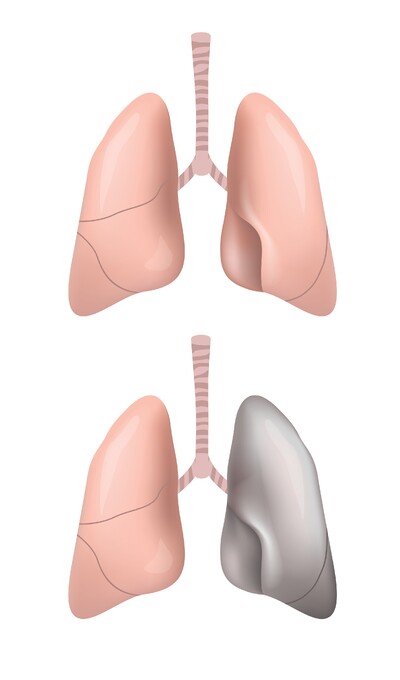
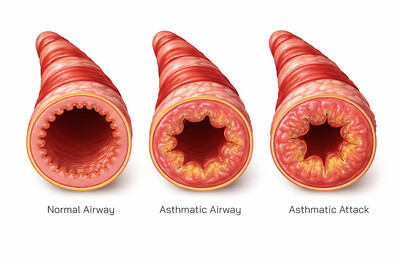
Healthy alveoli are essential for life. Damage from smoking, infection, pollutants, or chronic diseases such as COPD can thicken alveolar walls, reduce surface area, or trap air, making gas exchange inefficient. When alveoli cannot exchange gases properly, the body struggles to get enough oxygen and remove carbon dioxide, leading to fatigue, breathlessness, and reduced organ function. Maintaining lung health through clean air, exercise, hydration, and avoidance of harmful substances preserves the alveoli’s ability to perform their life-sustaining role.
A Vital Process That Powers Every Function of the Human Body
Alveolar gas exchange represents one of the most critical interactions in human physiology. By allowing oxygen to enter the bloodstream and carbon dioxide to leave it, the alveoli sustain cellular energy production, support organ function, and maintain metabolic balance. With every breath, this intricate process ensures that the body remains nourished, energized, and in equilibrium. Understanding the mechanisms behind alveolar gas exchange highlights the remarkable efficiency of the respiratory system and the essential role it plays in human survival.