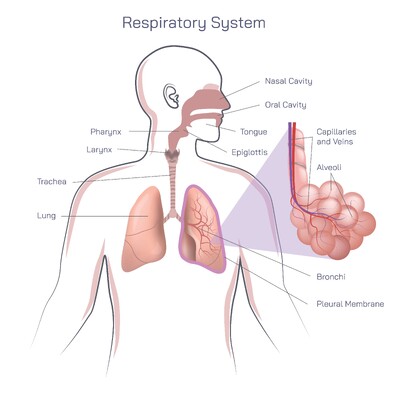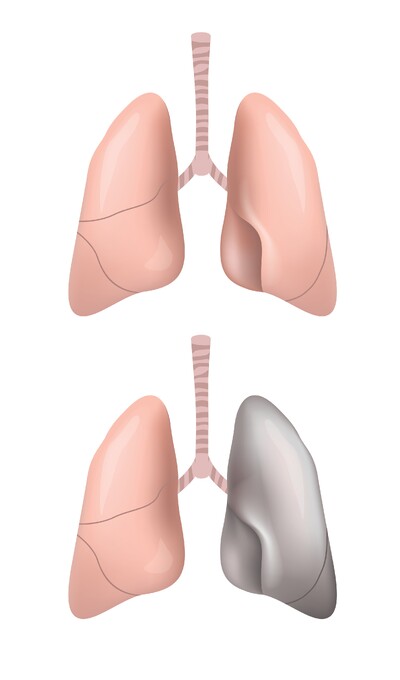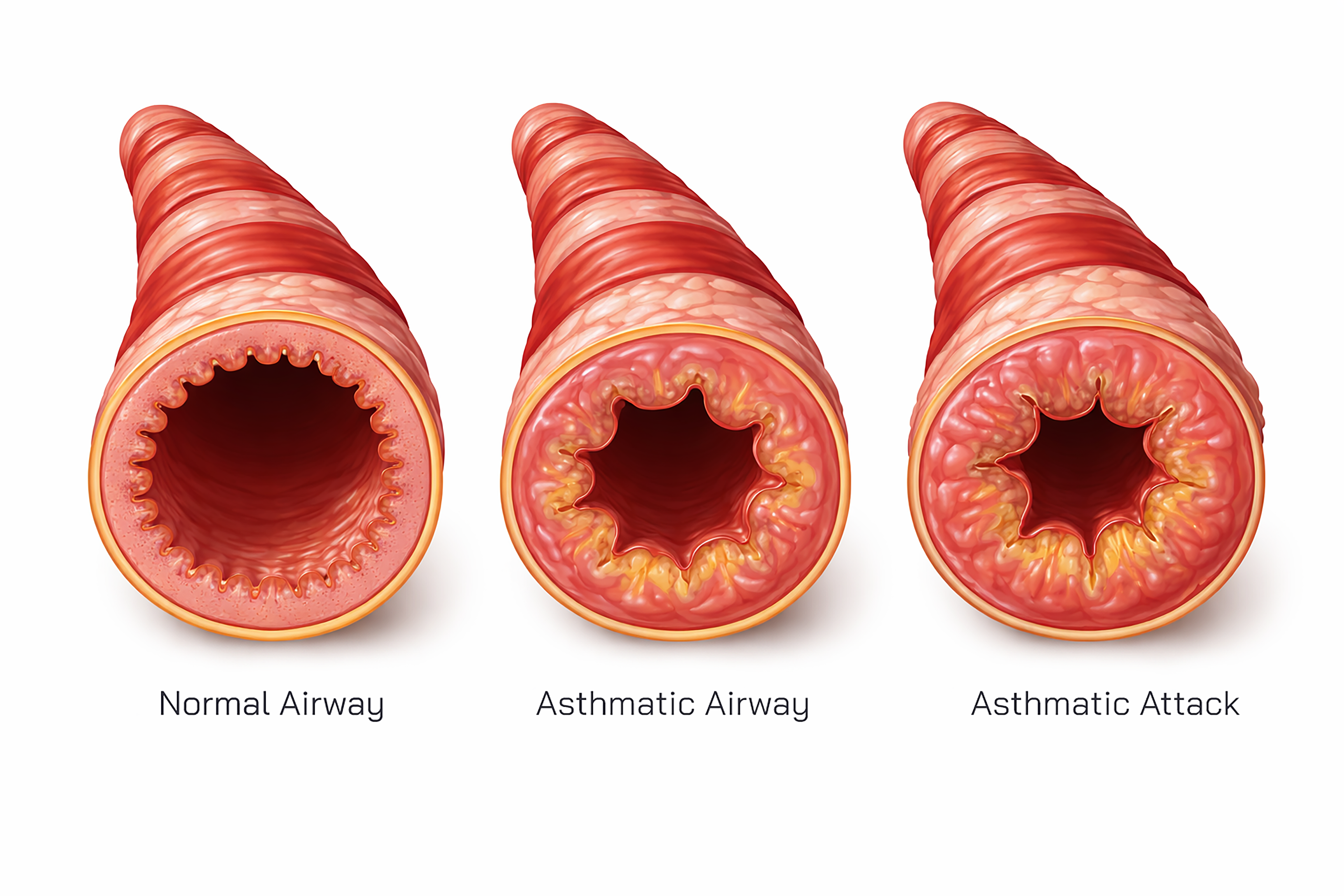
The human airway is a vital part of the respiratory system that allows air to move in and out of the lungs, enabling oxygen to reach the bloodstream and carbon dioxide to be removed from the body. To understand asthma clearly, it is important to compare a normal airway, an asthmatic airway, and what happens during an asthmatic attack. These three conditions differ mainly in airway structure, muscle behavior, inflammation, and mucus production. Although the changes may appear small, they have a major impact on breathing efficiency and overall respiratory health.
A normal airway is designed to allow smooth and unrestricted airflow. In a healthy person, the bronchial tubes that carry air into and out of the lungs are open and wide. The inner lining of the airway is thin and not inflamed. Smooth muscles that surround the airway walls remain relaxed, allowing the airway to maintain its natural diameter. The amount of mucus produced in a normal airway is minimal and serves only to trap dust particles and microorganisms. Because the airway is clear and flexible, air can move freely during inhalation and exhalation, making breathing effortless and efficient.
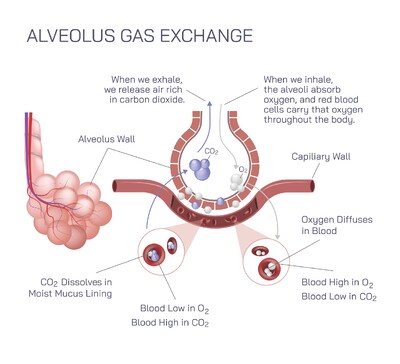
In a normal airway, oxygen-rich air easily reaches the tiny air sacs in the lungs, where gas exchange takes place. Carbon dioxide is removed without resistance. The airflow is quiet and smooth, with no wheezing or chest tightness. Physical activity, environmental changes, and mild irritants do not significantly affect breathing because the airway responds normally and maintains stability. This balanced structure ensures proper oxygen supply to all tissues and supports daily activities without respiratory discomfort.
An asthmatic airway, even when a person is not having an attack, is structurally and functionally different from a normal airway. In asthma, the airway is chronically sensitive and prone to inflammation. The inner lining of the bronchial tubes becomes swollen and thicker than normal. This swelling reduces the internal space of the airway, even before any acute symptoms appear. The smooth muscles surrounding the airway are more reactive and tend to tighten more easily than in a healthy airway.
In addition to inflammation, an asthmatic airway produces excess mucus. This mucus is thicker and stickier than normal, further narrowing the airway passage. Although the airway may still allow enough air for basic breathing during symptom-free periods, it is already partially narrowed. This makes the airway highly sensitive to triggers such as dust, pollen, cold air, smoke, exercise, strong odors, or respiratory infections. Even small irritants can provoke an exaggerated response in an asthmatic airway.
The presence of chronic inflammation in an asthmatic airway means that the respiratory system is always on high alert. The immune cells in the airway lining release chemicals that maintain swelling and sensitivity. As a result, the airway reacts quickly and strongly when exposed to triggers. This underlying condition explains why asthma is considered a chronic respiratory disease, even when symptoms are not always visible.
An asthmatic attack represents an acute worsening of airway narrowing and breathing difficulty. During an attack, several processes occur simultaneously, leading to significant airflow obstruction. First, the smooth muscles around the airway contract forcefully, a process known as bronchoconstriction. This muscle tightening causes the airway to narrow rapidly, making it difficult for air to pass through.
At the same time, inflammation in the airway lining increases. The already swollen walls become even thicker, further reducing the space available for airflow. Excessive mucus production also intensifies during an asthmatic attack. Thick mucus accumulates inside the airway, sometimes forming plugs that block airflow almost completely. These combined changes drastically restrict air movement, especially during exhalation.
Because air becomes trapped in the lungs, breathing out becomes harder than breathing in. This leads to the characteristic symptoms of an asthmatic attack, including wheezing, shortness of breath, chest tightness, and coughing. Wheezing occurs due to turbulent airflow through narrowed airways, producing a whistling sound. Chest tightness results from muscle contraction and increased effort required to breathe.
During a severe asthmatic attack, oxygen intake may be significantly reduced. This can lead to fatigue, dizziness, and anxiety. In extreme cases, reduced oxygen levels can become life-threatening if not treated promptly. The body struggles to maintain normal gas exchange, and emergency medical intervention may be required.
The difference between a normal airway and an asthmatic airway during an attack is dramatic. In a normal airway, the passage remains wide and flexible, allowing steady airflow. In contrast, during an asthmatic attack, the airway becomes narrow, inflamed, and blocked with mucus. This sudden reduction in airway diameter greatly increases resistance to airflow, making breathing labored and inefficient.
Asthmatic attacks can vary in severity. Mild attacks may cause slight wheezing and discomfort, while severe attacks can cause intense breathing difficulty and require urgent treatment. The frequency and severity of attacks depend on individual sensitivity, trigger exposure, and how well asthma is managed.
Understanding the differences between normal airway function, chronic asthmatic airway changes, and acute asthmatic attacks is crucial for effective asthma management. Treatments such as inhaled medications aim to reverse these changes by relaxing airway muscles, reducing inflammation, and decreasing mucus production. Preventive measures focus on controlling triggers and reducing chronic airway inflammation to minimize the risk of attacks.
From an educational perspective, comparing these three airway states helps explain why asthma is not just a temporary breathing problem but a long-term condition that requires continuous care. Visual diagrams showing normal airways alongside asthmatic airways and airways during an attack make these differences easier to understand by highlighting changes in airway width, muscle tone, and mucus levels.
In conclusion, a normal airway is open, flexible, and free from inflammation, allowing effortless breathing. An asthmatic airway is chronically inflamed, sensitive, and partially narrowed, even when symptoms are not present. During an asthmatic attack, airway muscles tighten, inflammation increases, and mucus production rises sharply, causing severe airflow obstruction and breathing difficulty. Understanding these structural and functional differences is essential for recognizing asthma symptoms, managing the condition effectively, and improving respiratory health and quality of life.