Respiratory System of the Human Body: A Detailed Description
Understanding the Respiratory System as the Body’s Oxygen Supply Network
The human respiratory system is a complex and finely coordinated network of organs responsible for bringing oxygen into the body and expelling carbon dioxide, a waste product of cellular metabolism. Every cell relies on the oxygen that the respiratory system delivers, making this system essential for sustaining life, supporting energy production, and maintaining internal stability. The process begins with the intake of air and continues through a series of anatomical structures that filter, warm, humidify, and transport gases to and from the lungs. By working in harmony with the cardiovascular system, the respiratory system ensures that oxygen reaches tissues efficiently while carbon dioxide is removed just as quickly.
Nasal and Oral Cavities: Gateways for Air Intake
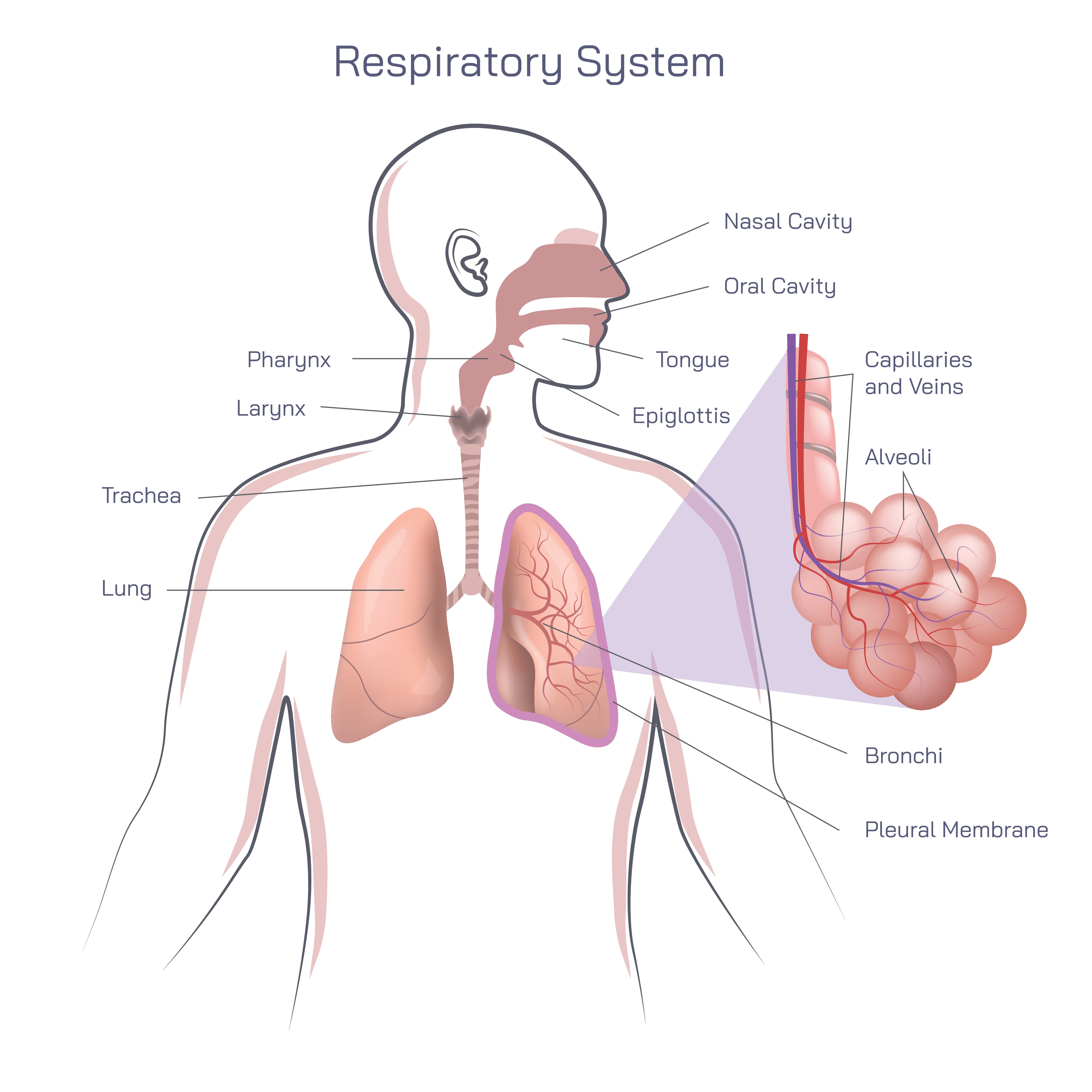
Air enters the respiratory system through the nasal cavity or the oral cavity. The nasal cavity is lined with tiny hairs and mucous membranes that trap dust, allergens, and microorganisms, providing the first layer of protection. The nasal passages also warm and humidify the air, making it more suitable for delicate lung tissues. The oral cavity serves as an additional pathway, especially during physical exertion when the body demands greater airflow. Both cavities contribute to the smooth flow of air toward the deeper respiratory structures.
The Pharynx and Larynx: Pathways and Protection
After passing through the nose or mouth, air travels into the throat, or pharynx, a shared pathway for both air and food. From there, it enters the larynx—commonly known as the voice box—which plays a dual role in sound production and respiratory protection. The epiglottis, a flap of cartilage, prevents food from entering the airway during swallowing, ensuring that air continues safely toward the trachea. The larynx maintains an open airway and houses the vocal cords, which vibrate during speech, adding a functional dimension beyond simple airflow.
The Trachea: A Secure Airway to the Lungs
The trachea, or windpipe, is a sturdy tube reinforced with C-shaped cartilage rings that prevent collapse during breathing. Lined with mucus and cilia—tiny hair-like structures—it traps impurities and sweeps them upward toward the throat for removal. This defense mechanism keeps the lower respiratory tract clean and prevents harmful particles from entering the lungs. The trachea branches into two primary bronchi, each leading to a lung.
Bronchi and Bronchioles: Distributing Air Inside the Lungs
Within the lungs, the bronchi divide into smaller bronchioles, forming a complex branching network known as the bronchial tree. This tree ensures that air reaches every region of the lungs, eventually delivering it to clusters of tiny air sacs called alveoli. As the tubes become smaller, their walls lose cartilage and gain smooth muscle, allowing them to adjust the airflow by expanding or contracting. This regulation helps maintain proper ventilation and distribute oxygen evenly.
The Lungs: Centers of Gas Exchange
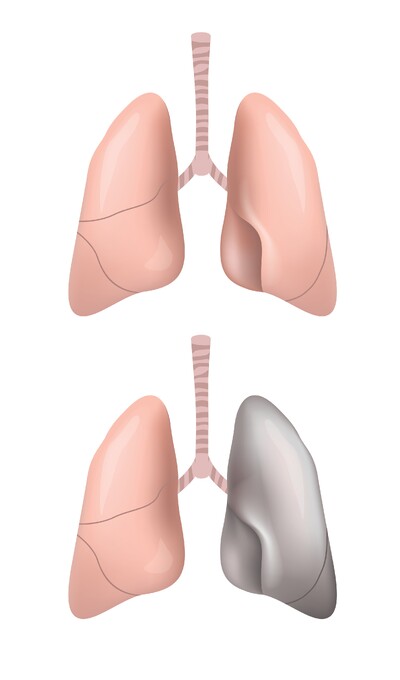
The lungs are paired organs designed for maximum efficiency in gas exchange. Each lung contains millions of alveoli that dramatically increase surface area, enabling rapid transfer of gases between air and blood. The right lung typically has three lobes, while the left lung has two lobes, making space for the heart. Surrounded by a protective membrane called the pleura, the lungs expand and contract smoothly with each breath. Their spongy texture allows them to handle large volumes of air while maintaining elasticity, which is essential for effective respiration.
Alveoli: Microscopic Sites of Oxygen and Carbon Dioxide Exchange
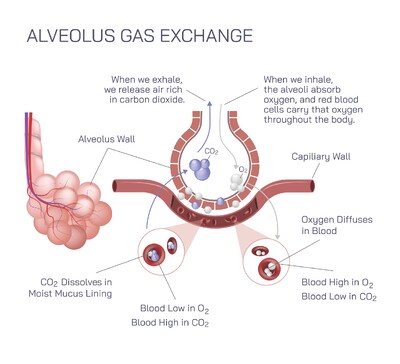
Alveoli are tiny balloon-like structures lined with a thin layer of moisture and surrounded by capillaries. This setup creates a short diffusion distance, allowing oxygen to move from inhaled air into the blood, while carbon dioxide moves from the blood into the alveoli to be exhaled. The alveolar walls are flexible and coated with surfactant, a substance that prevents collapse and reduces surface tension. This delicate but efficient interface between air and blood forms the foundation of external respiration and keeps the body supplied with oxygen.
The Diaphragm and Respiratory Muscles: Powering the Breathing Cycle
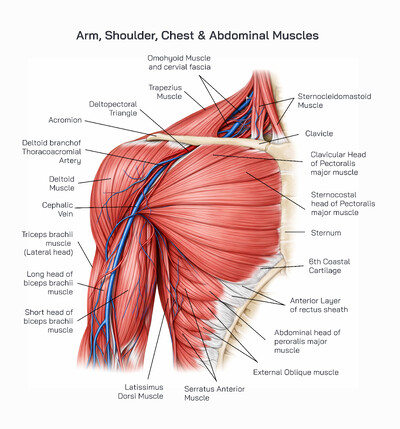
Breathing is an active process driven by the diaphragm—a dome-shaped muscle located below the lungs—and assisted by intercostal muscles between the ribs. When the diaphragm contracts, it moves downward, increasing the volume of the chest cavity and drawing air into the lungs. As it relaxes, the chest cavity returns to its resting size, pushing air out. This rhythmic motion creates the fundamental breathing cycle of inhalation and exhalation. Additional muscles in the neck and abdomen assist during exercise or respiratory stress, ensuring that airflow meets the body’s changing needs.
Internal and External Respiration: Delivering Oxygen Where It Is Needed
External respiration refers to the exchange of gases between alveoli and blood, while internal respiration involves the transfer of oxygen from blood to tissues and the collection of carbon dioxide from cells. These processes occur seamlessly because the respiratory and circulatory systems work together. Oxygenated blood travels from the lungs to the heart, which pumps it throughout the body. Cells use oxygen to produce energy, releasing carbon dioxide as a byproduct, which then returns to the lungs for removal. This ongoing cycle supports metabolism and maintains chemical balance.
Why the Respiratory System Is Vital for Health
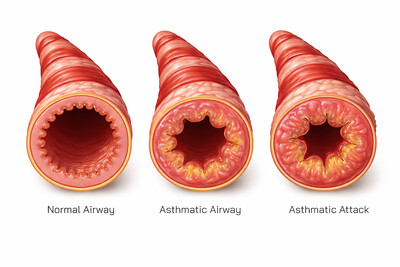
The respiratory system not only supplies oxygen and removes carbon dioxide but also contributes to speech, immune defense, pH regulation, and temperature control. Healthy respiratory function supports endurance, cognitive performance, and overall vitality. Conditions such as asthma, infections, and chronic lung diseases can disrupt airflow and gas exchange, emphasizing the importance of maintaining lung health through clean air, physical activity, hydration, and medical care when needed.
A Highly Coordinated System Essential for Life
The human respiratory system is a remarkable example of biological engineering, combining structural complexity with functional precision. Through its organs, tissues, and protective mechanisms, it ensures that each breath sustains life. Its constant interaction with other body systems allows the body to respond to activity, environment, and metabolic demands with efficiency and balance. Understanding the respiratory system deepens appreciation for the intricate processes that support every moment of living and breathing.