Fire Initiation and Combustion Process: Mechanisms, Flame Development, and Heat Release
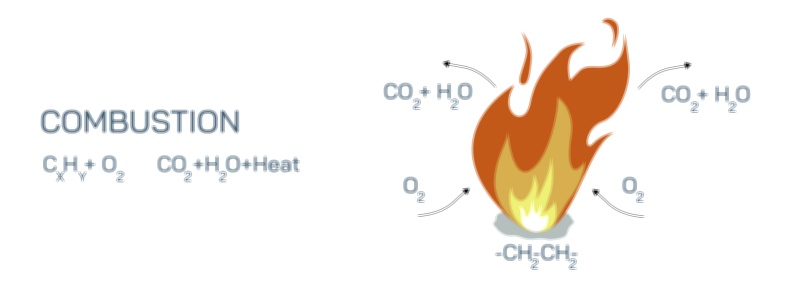
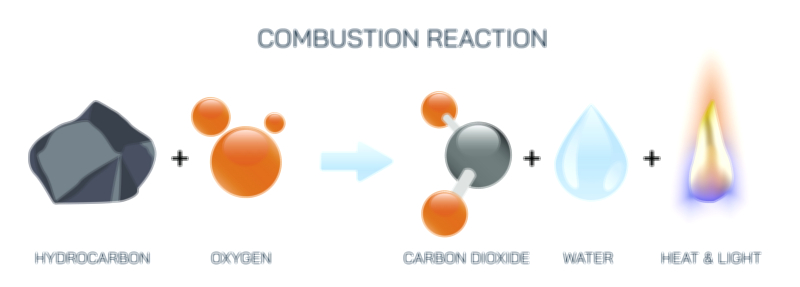
Fire initiation is the process of starting a flame or combustion reaction in a material capable of burning. Combustion is a rapid chemical reaction between a fuel and an oxidizing agent, usually oxygen, that produces heat, light, and various reaction products. Understanding fire initiation and the combustion process is crucial in fields such as fire safety, engineering, chemistry, and environmental studies.
Stages of Fire Initiation:
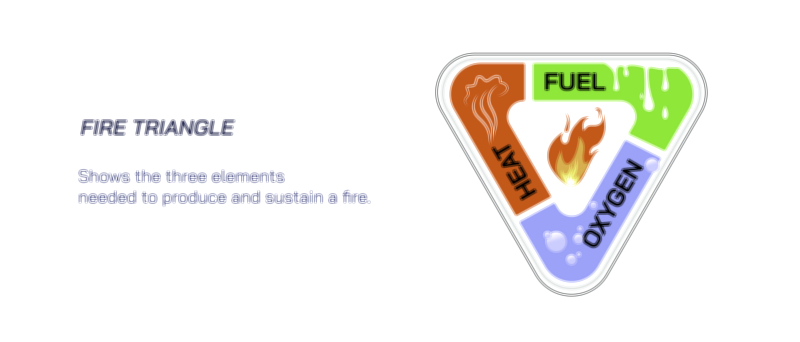
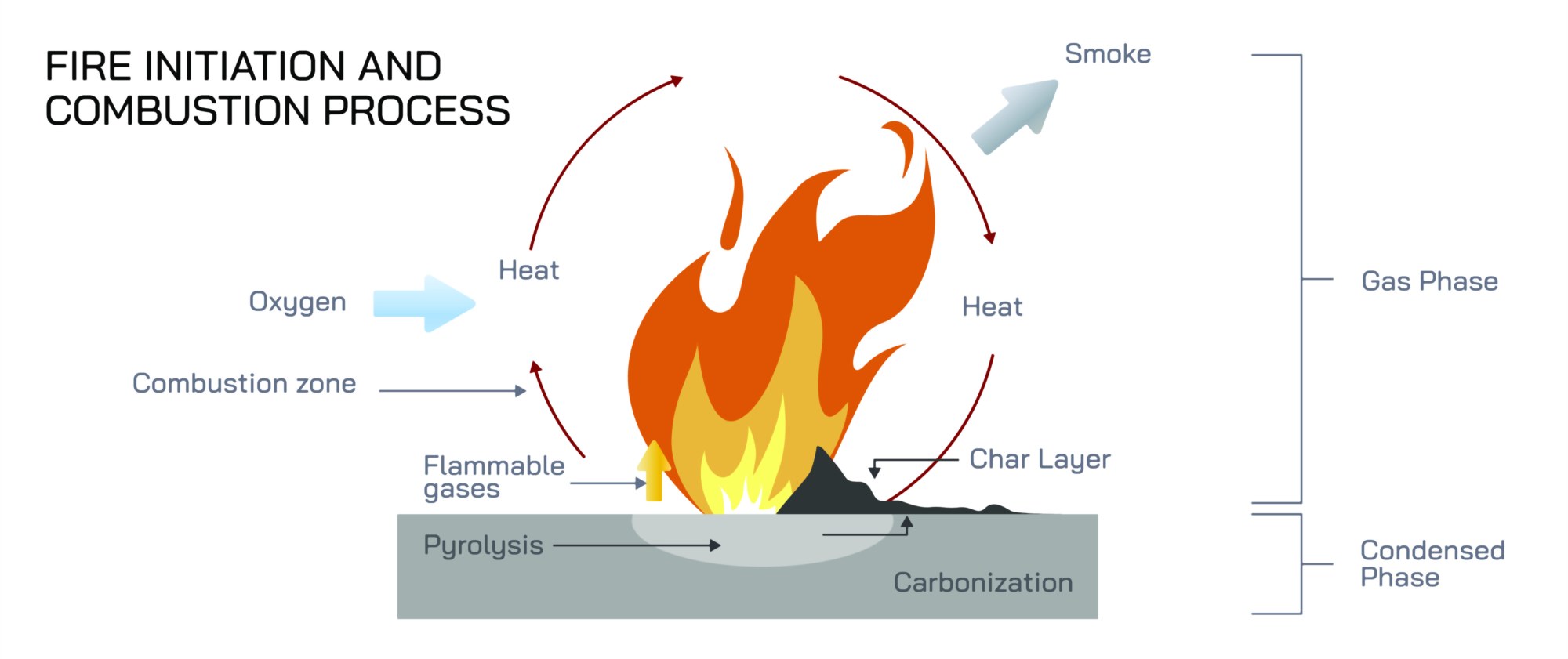
Ignition: Fire begins when a material reaches its ignition temperature, the minimum temperature required for spontaneous combustion. Ignition can occur through external heat sources, sparks, friction, or chemical reactions. Successful ignition requires sufficient fuel, oxygen, and energy, forming the basis of the fire triangle principle.
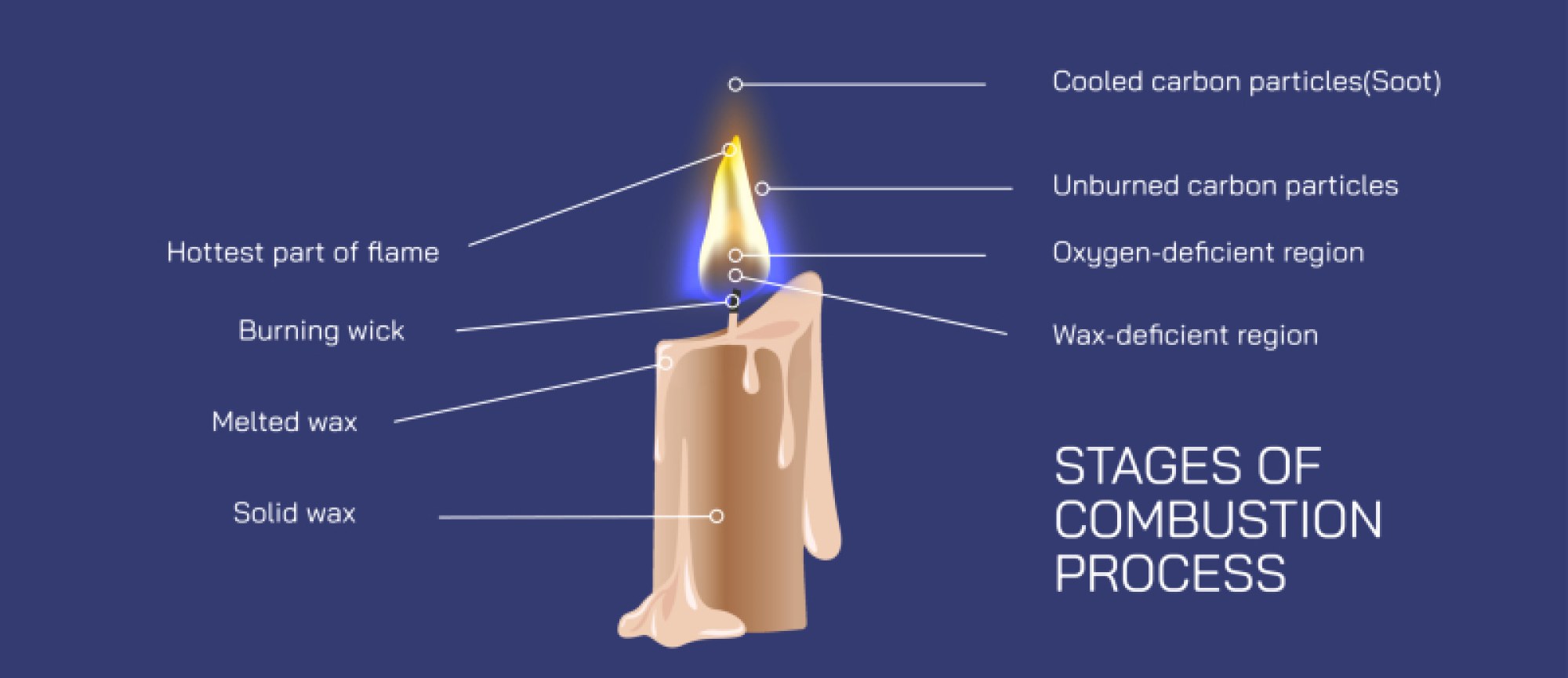
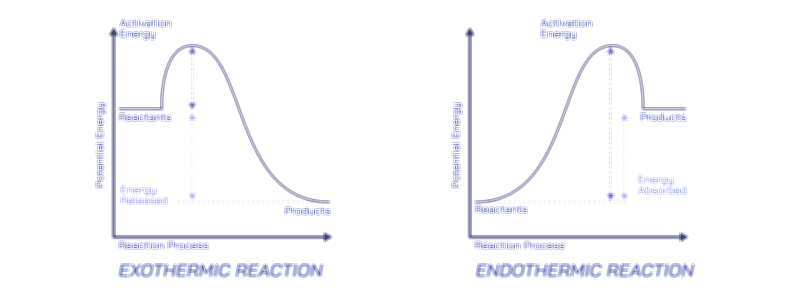
Flame Development: Once ignition occurs, a flame propagates through the fuel, driven by heat and chemical reactions. The fuel decomposes thermally, releasing volatile gases that react with oxygen. The visible flame represents the exothermic oxidation reactions of these gases.
Heat Release and Combustion: Combustion releases thermal energy, sustaining the reaction and allowing the fire to continue. The rate of combustion depends on fuel type, particle size, oxygen availability, and temperature. Efficient combustion converts chemical energy into heat and light, while incomplete combustion produces smoke, carbon monoxide, and other by-products.
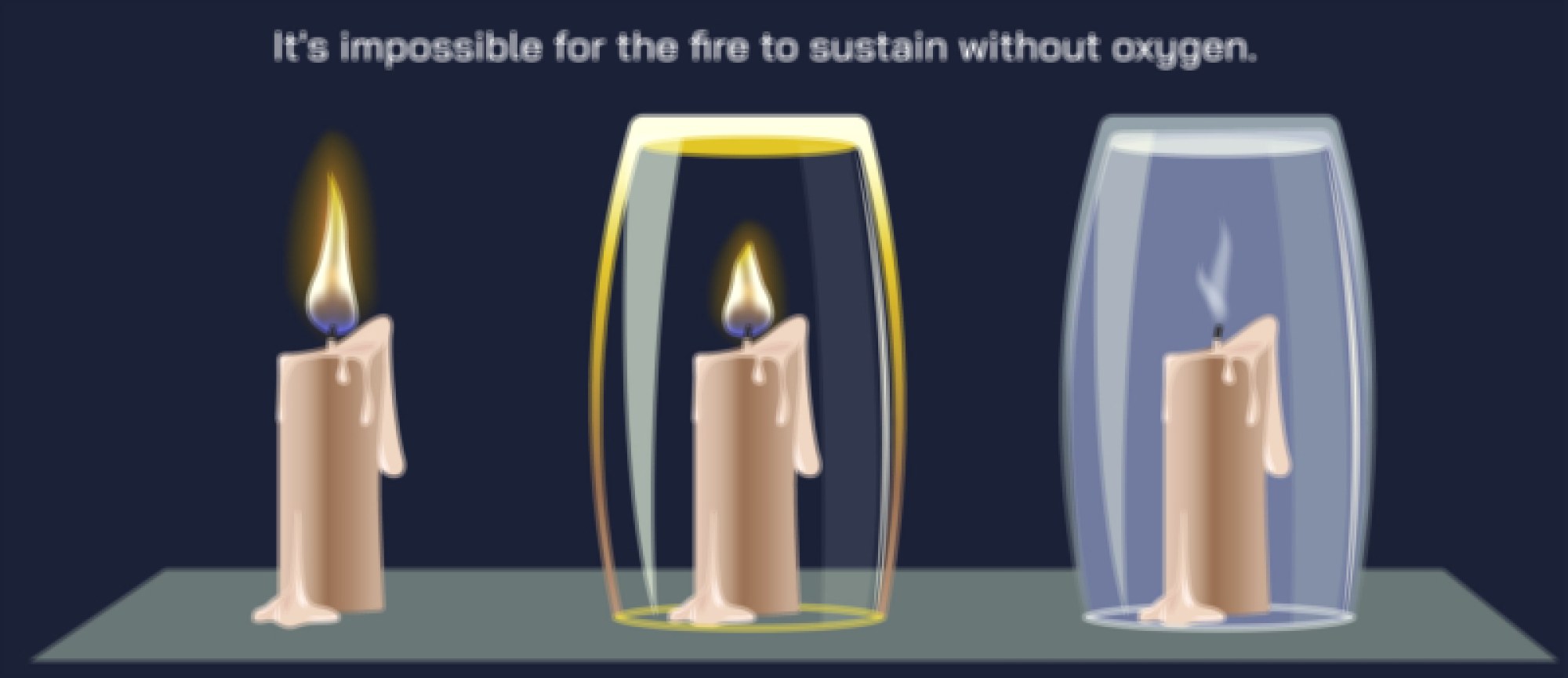
Sustained Combustion: A fire continues as long as there is a balance of fuel, oxygen, and heat. Combustion can be controlled, as in stoves or engines, or uncontrolled, as in forest fires or structural fires. Fire propagation depends on the surrounding environment, fuel arrangement, and ventilation.
Factors Influencing Combustion:
Fuel properties such as volatility, moisture content, and chemical composition
Oxygen concentration and availability for oxidation
Ambient temperature and heat transfer conditions
Catalysts or inhibitors that enhance or slow down chemical reactions
Applications and Importance:
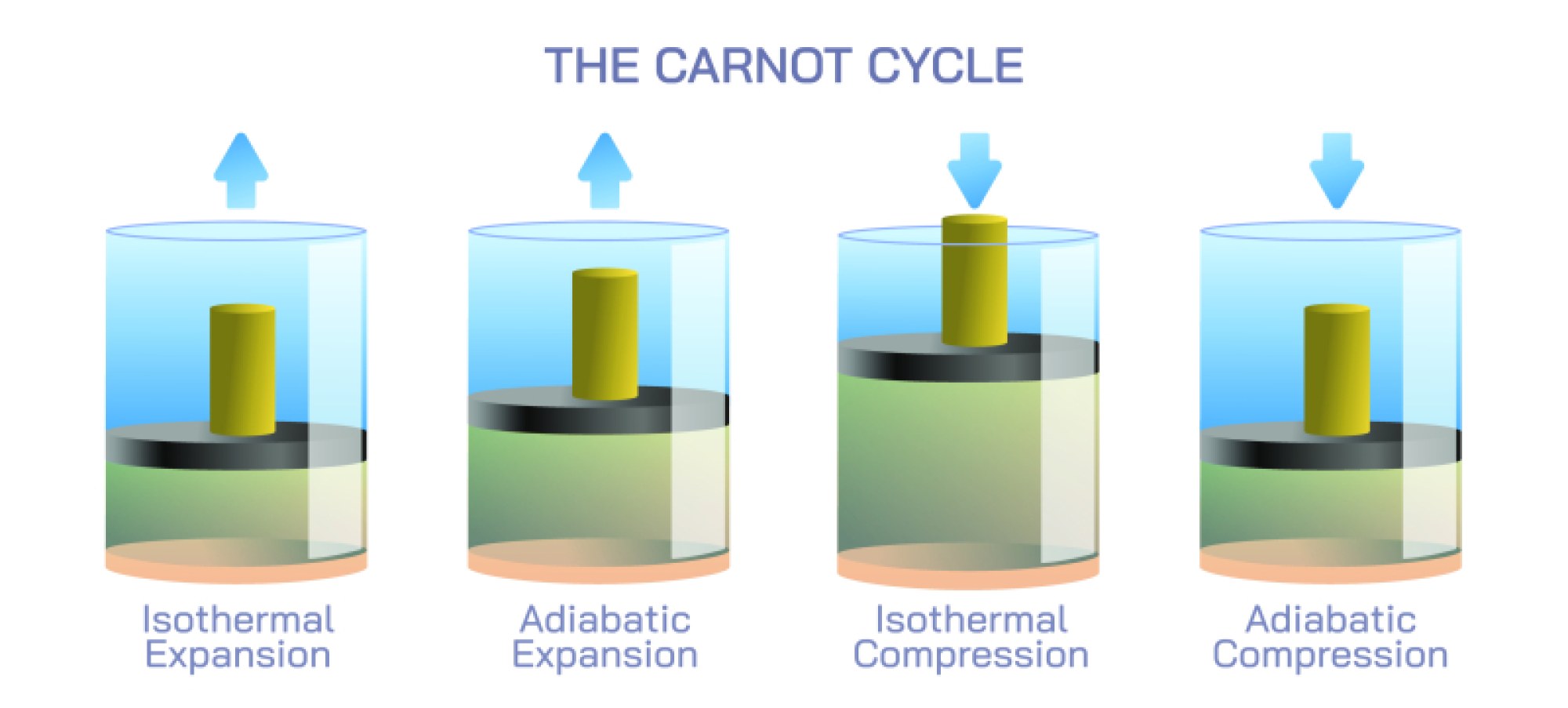
Understanding fire initiation and combustion processes is critical for fire safety, prevention, firefighting strategies, industrial combustion systems, and engine design. Controlled combustion is used in engines, power plants, and heating systems to efficiently convert chemical energy into usable energy. Uncontrolled fires highlight the importance of safety engineering, risk management, and environmental protection.
In conclusion, fire initiation and combustion involve a series of chemical and physical processes, starting from ignition, followed by flame development, heat release, and sustained burning. Mastery of these processes is essential for understanding fire behavior, improving safety, optimizing energy use, and applying combustion principles in scientific, industrial, and environmental contexts.