Comprehensive Overview of Wood Combustion Simulation and Region Interaction
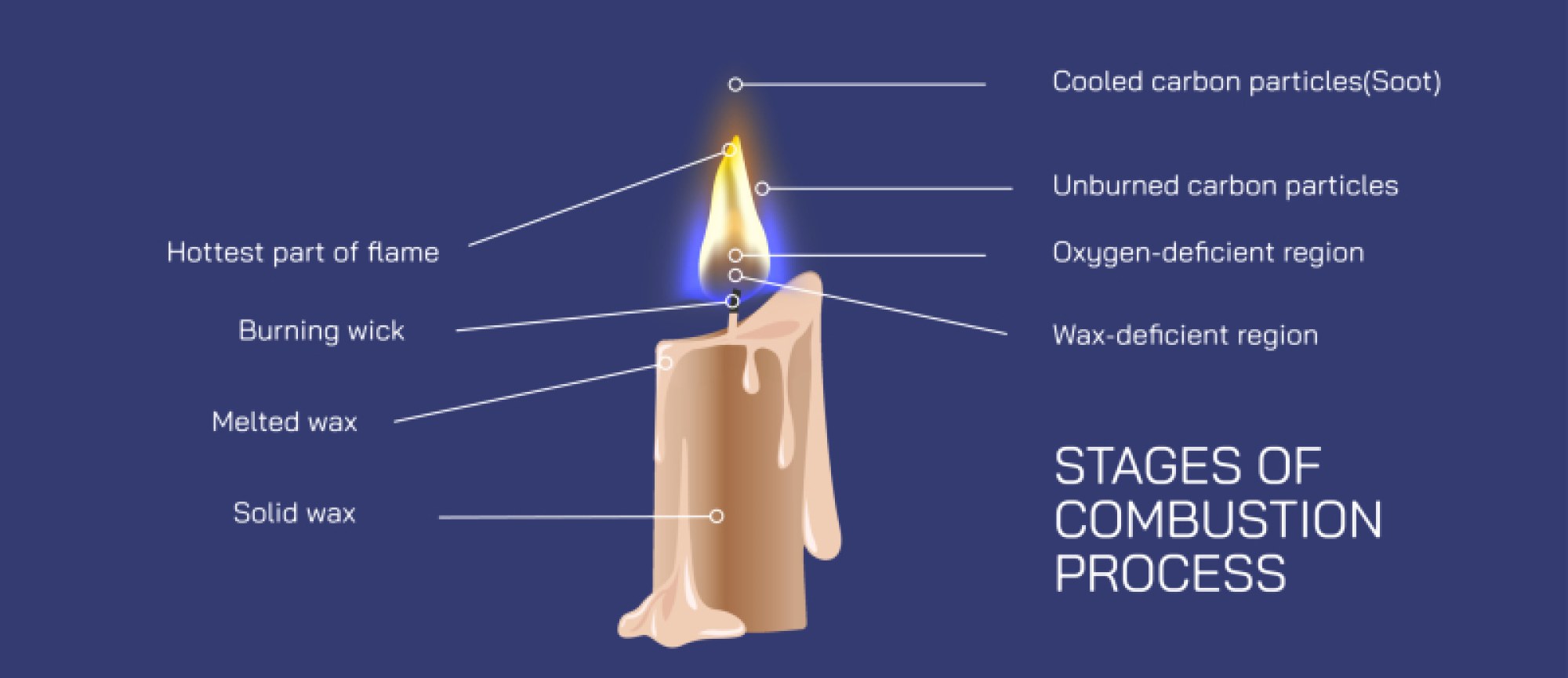
Simulating wood combustion requires a structured approach that separates the fire environment from the internal material response while connecting both areas through a carefully defined interface. The uploaded illustration demonstrates these essential regions: the flame environment, the solid fuel material, and the transition boundary between them. Together, these areas create a complete combustion model capable of tracking heat movement, chemical breakdown, and visual flame development.
The environment zone represents the area where the flame forms and evolves. In many advanced systems, this region is calculated with firefoam or similar solvers that handle turbulent flow, gas expansion, radiant transfer, and flame motion. The simulation in this area tracks how gases move upward due to heat, how the flame bends under airflow changes, and how the visible fire structure shifts when the fuel releases volatile compounds. This zone is key for capturing the dynamic behavior of fire, especially the continuous rise of hot gases and the swirling patterns that shape flame appearance.
The interface layer acts as the bridge between the flame environment and the internal material structure. It is at this boundary that heat crosses into the wood, gases escape from the material, and chemical products feed the flame. The interaction in this region dictates how fast the combustion spreads, how deep the heat penetrates, and how the burning transitions from surface charring to internal breakdown. Because this layer includes intense heat transfer and rapid material changes, it is often one of the most complex parts to model accurately.
Inside the material region lies the detailed pyrolysis model. Pyrolysis describes how wood decomposes when exposed to heat. At increasing temperatures, the material shifts from a solid into char, ash, and various gaseous components. This transformation changes the density, conductivity, and strength of the wood, reshaping how it continues to burn. The simulation calculates how moisture leaves the surface, how internal pockets release gases, and how the char layer thickens as combustion advances. Each step alters the thermal response of the wood, and these internal processes shape the external flame pattern.
As the simulation progresses, energy transfer becomes the key driver linking all regions. Heat from the flame enters the wood, triggering pyrolysis. Released gases flow back into the environment region, feeding the flame and amplifying the burn. The interface layer handles this steady back-and-forth exchange. Because of this interconnected process, accurate combustion simulation requires balancing fluid motion, solid decomposition, radiant transfer, and chemical reactions.
By visualizing the system with clearly separated zones, the uploaded diagram simplifies a complex scientific process into an intuitive structure. These regions provide a clear understanding of how fire develops on the surface while internal material behavior shapes the long-term burn cycle. Whether for research, safety modeling, animation, or engineering studies, this layered approach offers a complete view of wood combustion dynamics, enabling realistic prediction of flame patterns, heat impact, and material breakdown.