Understanding the Human Stress Response System: How the Body Reacts to Stress
The stress response system is an intricate network in the human body that enables individuals to respond to challenges, threats, or demanding situations. Often referred to as the fight-or-flight response, it integrates the nervous system, endocrine system, and multiple organs to produce rapid changes that prepare the body for immediate action and adaptation. Understanding this system is crucial for recognizing how physical, emotional, and psychological stress impacts overall health and performance.
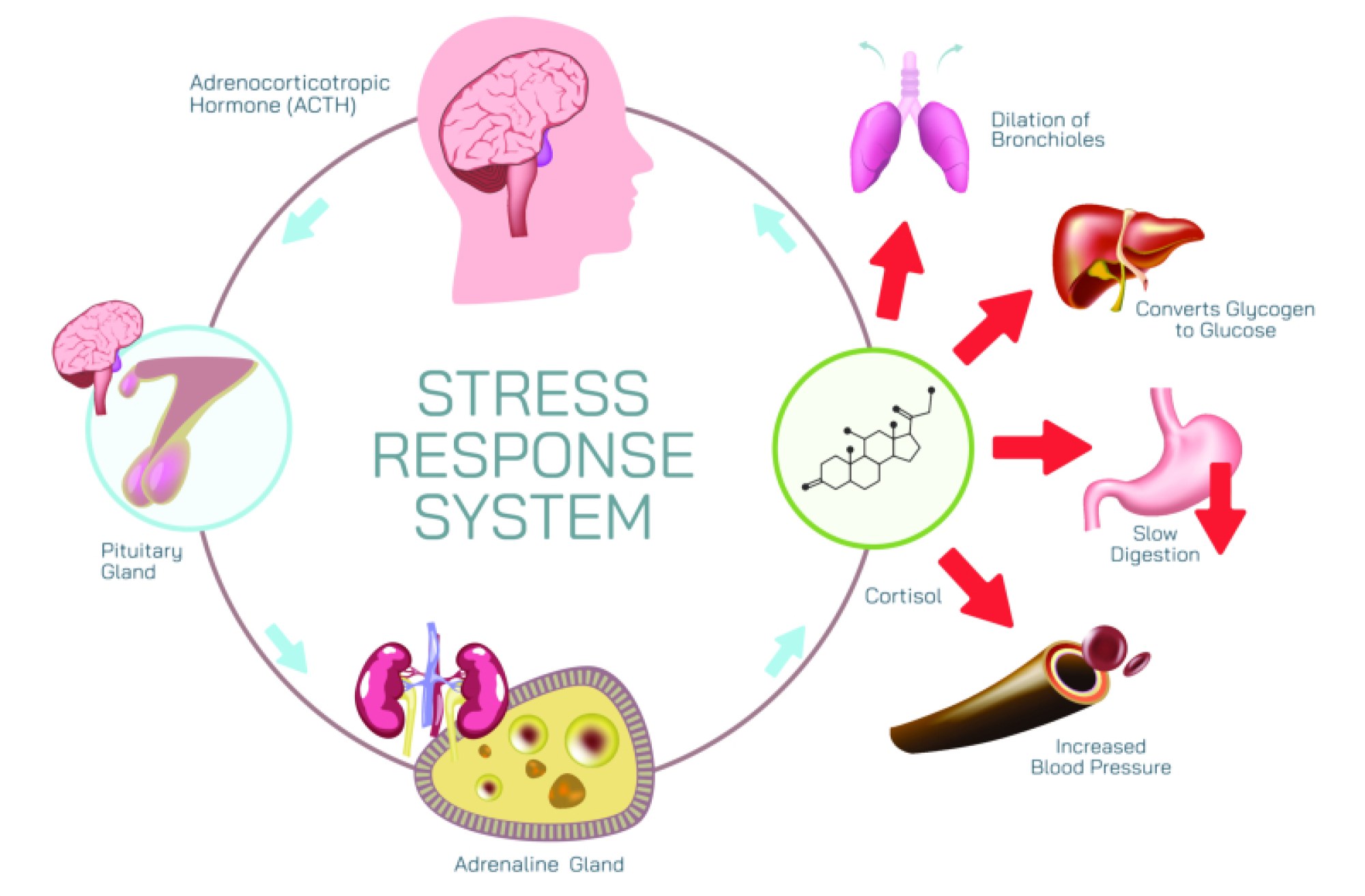
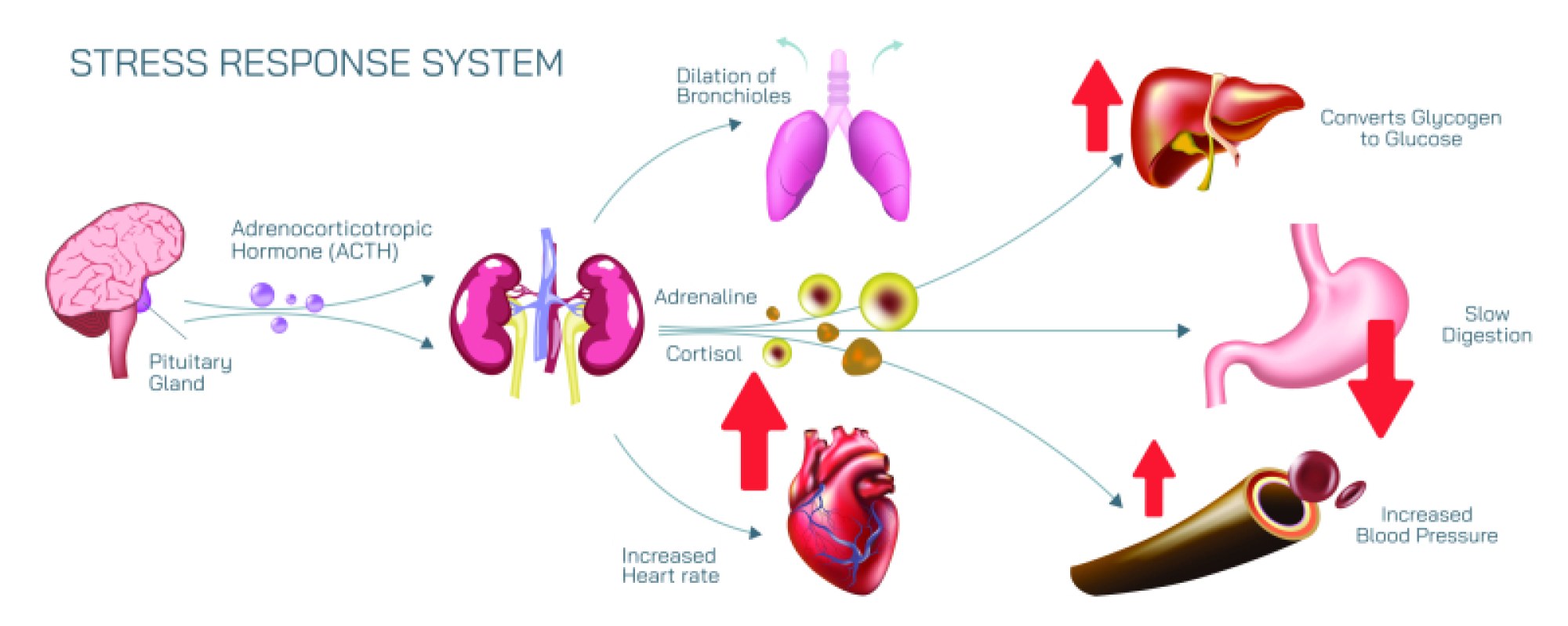
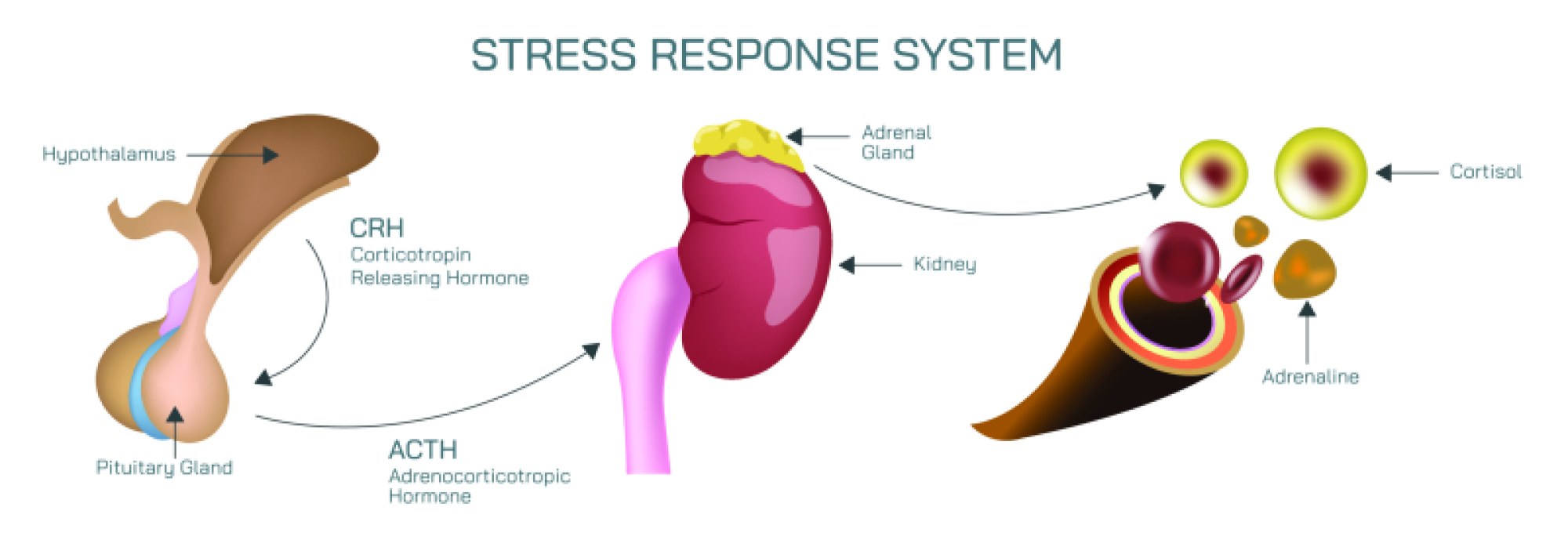
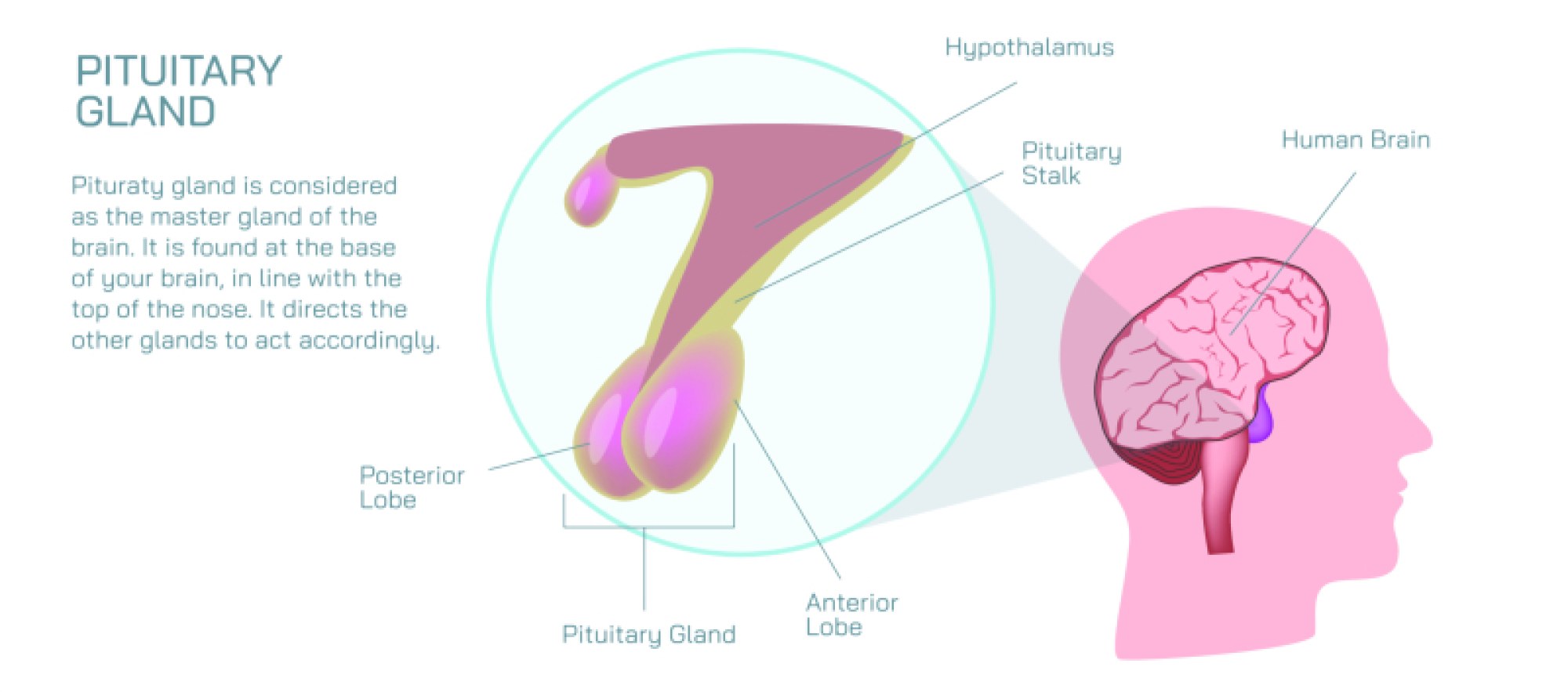
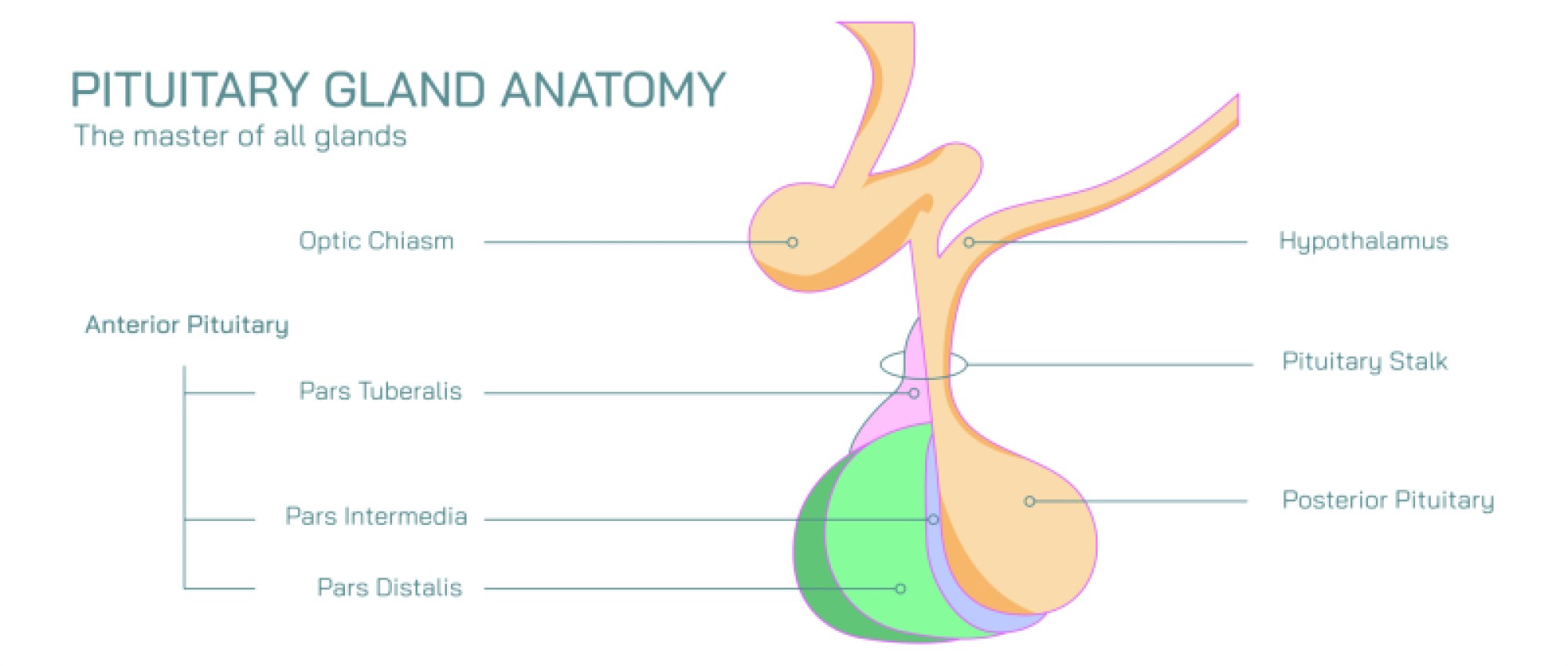
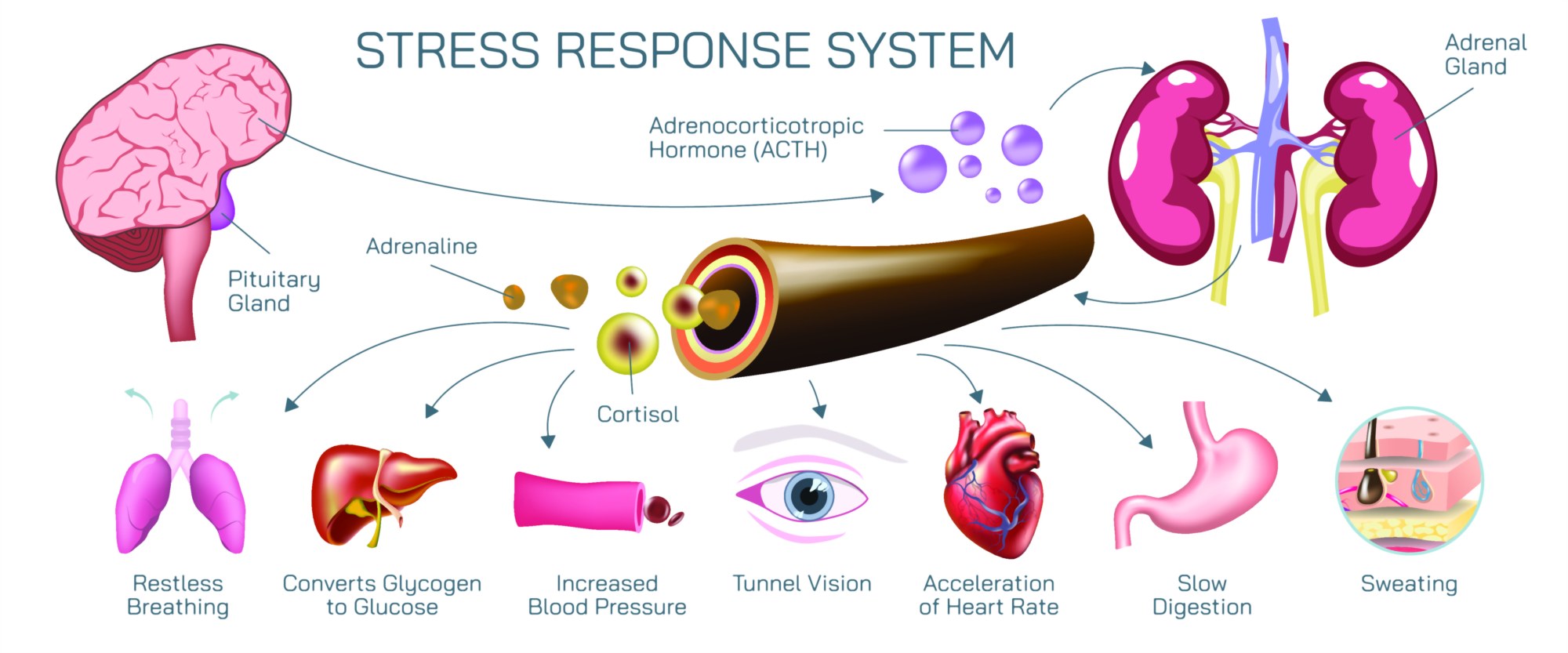
The sympathetic nervous system (SNS) plays a central role in the immediate stress response. When a threat is detected, the hypothalamus signals the adrenal medulla to release adrenaline and noradrenaline, which increase heart rate, blood pressure, and respiration while redirecting blood flow to muscles. This prepares the body for quick, coordinated action. The hypothalamic-pituitary-adrenal (HPA) axis is simultaneously activated, initiating the release of corticotropin-releasing hormone (CRH) from the hypothalamus. CRH stimulates the pituitary gland to secrete adrenocorticotropic hormone (ACTH), prompting the adrenal cortex to produce cortisol, a key stress hormone that maintains energy balance, regulates inflammation, and supports sustained stress responses.
During stress, non-essential functions such as digestion and immune activity are temporarily suppressed, ensuring energy and focus are directed toward survival and immediate performance. Once the stressor subsides, the parasympathetic nervous system (PNS) activates, slowing heart rate, lowering blood pressure, and promoting recovery and homeostasis. This dynamic interplay between SNS and PNS ensures the body can handle acute stress while maintaining long-term balance.
Chronic or repeated stress can overstimulate this system, leading to negative health outcomes such as anxiety, hypertension, immune suppression, and hormonal imbalances. Understanding the stress response system enables better stress management strategies, including mindfulness, exercise, regulated breathing, and sufficient sleep, all of which help regulate the nervous and endocrine responses effectively.
In conclusion, the human stress response system is a complex, multi-level mechanism that allows the body to respond, adapt, and recover from physical and psychological challenges. By coordinating hormonal release, nervous system activation, and physiological changes, it supports survival while highlighting the importance of stress management for long-term health, resilience, and optimized performance. Mastery of this concept equips individuals to recognize stress triggers, understand bodily reactions, and implement strategies to maintain balance and well-being in daily life.