Solid State Physics – Exploring Materials, Crystals, and Modern Applications
Solid state physics is a fundamental branch of physics that deals with the study of rigid matter, crystal structures, and material properties. It focuses on understanding how atoms and molecules are arranged in solids and how these arrangements influence electrical, thermal, mechanical, and optical properties. This field bridges the gap between atomic physics and material science, forming the foundation for advancements in electronics, semiconductors, superconductors, and nanotechnology.
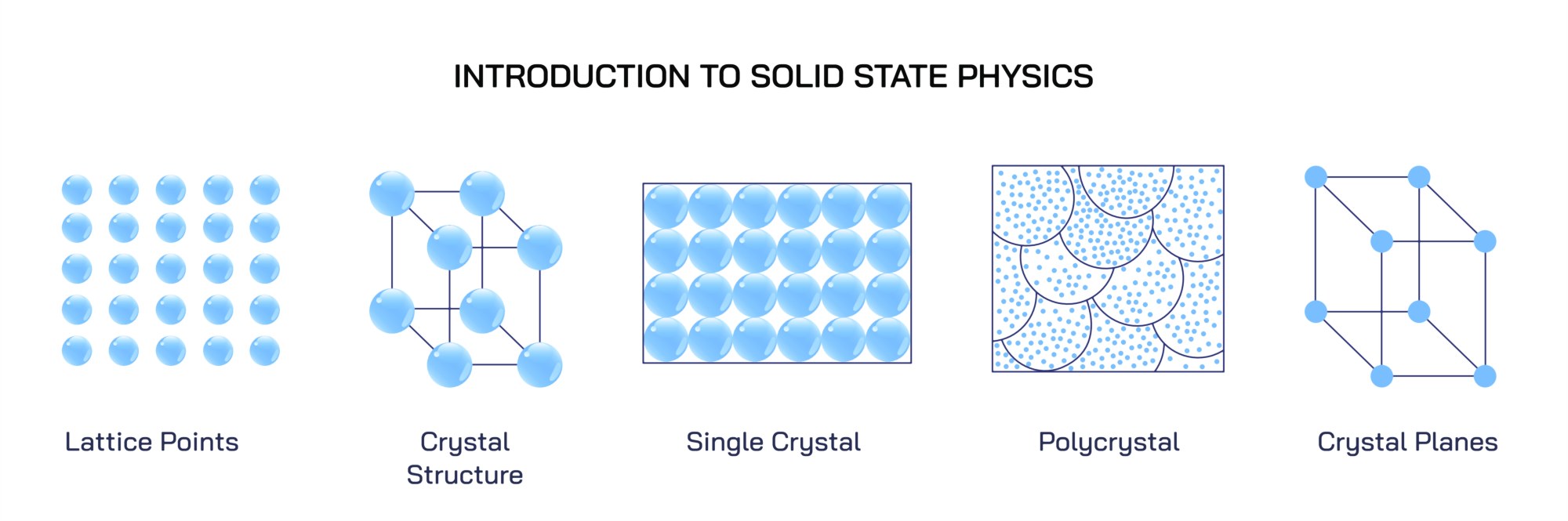
At the core of solid state physics is the study of crystal lattices, where atoms are arranged in repeating patterns known as unit cells. The geometry of these unit cells—cubic, tetragonal, hexagonal, or orthorhombic—determines the macroscopic properties of materials. Understanding lattice arrangements allows scientists and engineers to manipulate materials for specific applications, such as semiconductors in computers and smartphones or superconductors in energy transmission.
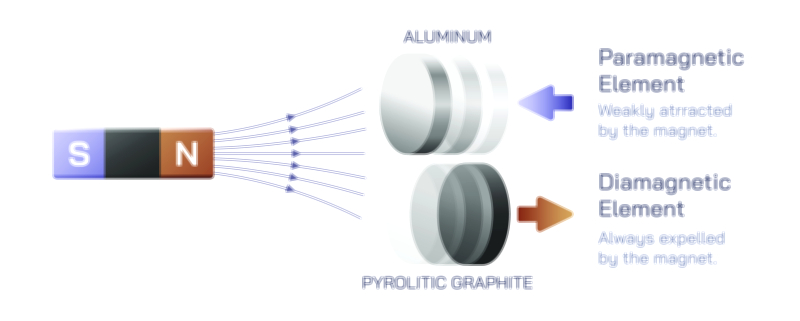
Solid state physics also investigates electronic band structures, which explain why some materials behave as conductors, insulators, or semiconductors. Electron mobility, energy gaps, and lattice vibrations (phonons) play critical roles in determining a material’s behavior under different conditions. Additionally, phenomena such as magnetism, ferroelectricity, and superconductivity are studied within this field, opening pathways to innovative technological applications.
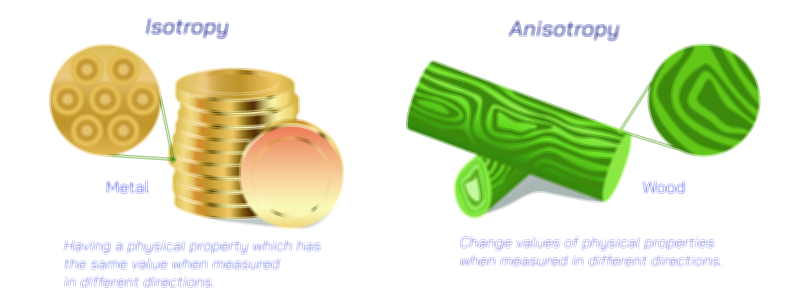
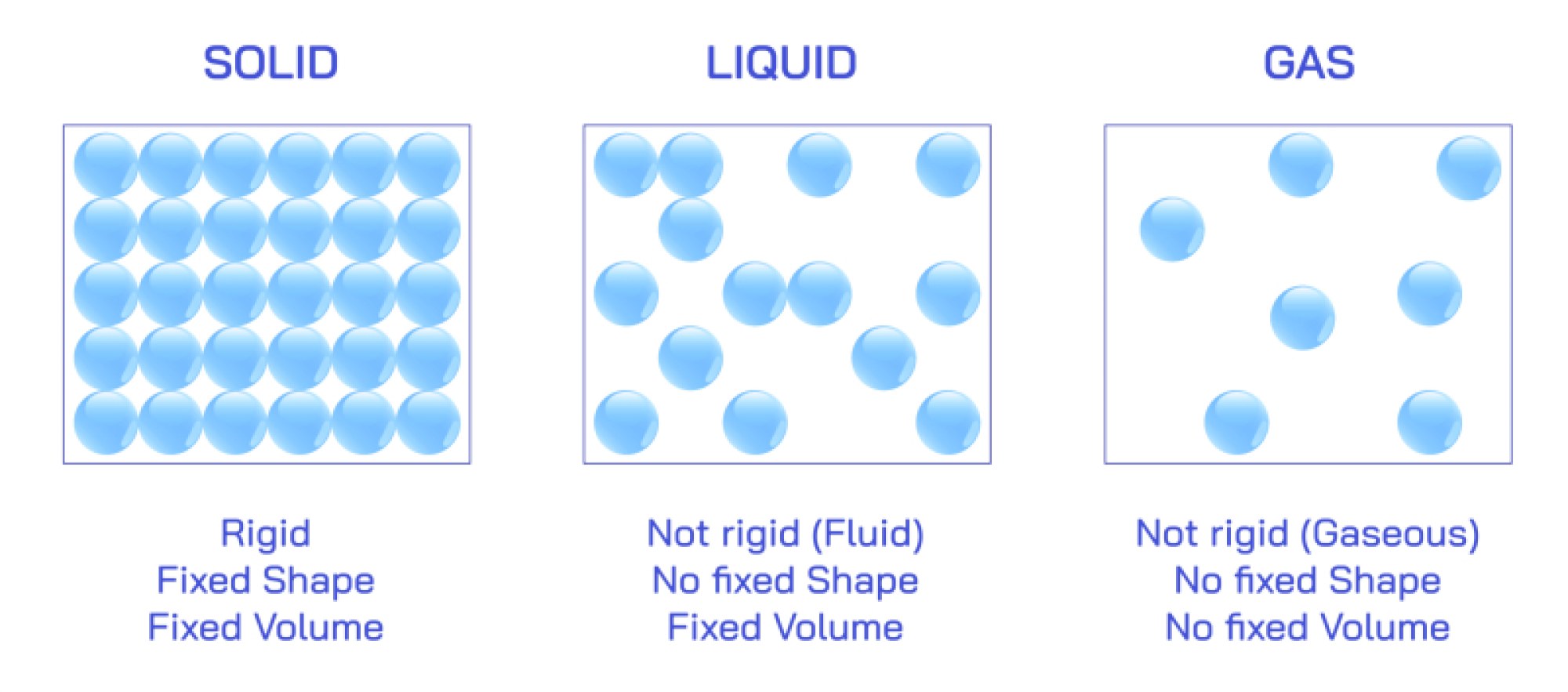
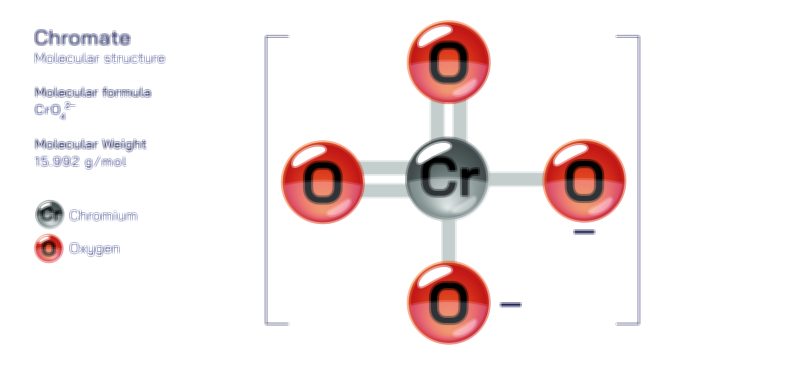
Visual and vector illustrations are essential for understanding solid state physics. Diagrams depicting crystal lattices, unit cells, and atomic arrangements make abstract concepts tangible, helping students, educators, and researchers comprehend complex structures. Animations and 3D models can show atomic vibrations, electron movement, and interactions within solids, enhancing educational engagement and scientific analysis.
The applications of solid state physics are pervasive in modern technology. It underpins the development of electronic devices, from transistors and diodes to integrated circuits. Solid state physics also contributes to materials engineering, allowing for stronger alloys, better thermal insulators, and advanced nanomaterials. Research in this field continues to drive innovation in quantum computing, solar energy, and advanced sensors.
In conclusion, solid state physics provides deep insight into the structure, properties, and behavior of solid materials. By studying crystal lattices, atomic arrangements, and electronic properties, scientists can design and engineer materials with precise functionalities. Educational illustrations, vector diagrams, and 3D models are indispensable tools for understanding these concepts, making solid state physics accessible, engaging, and essential for modern scientific and technological progress.