Environmental Microbes, Infections, Bacteria, Flues, Parasites — Vector Illustration for Education
Environmental microbes encompass a wide variety of microscopic organisms, including bacteria, viruses, fungi, and parasites, that exist in soil, water, air, and on surfaces. While many microbes play beneficial roles in ecosystems—such as nutrient cycling, decomposition, and symbiosis—some are pathogenic, causing infections, flues, and parasitic diseases in humans, animals, and plants. Vector illustrations of these microbes are crucial for educational and scientific visualization, helping learners understand their structure, transmission, and impact on health.
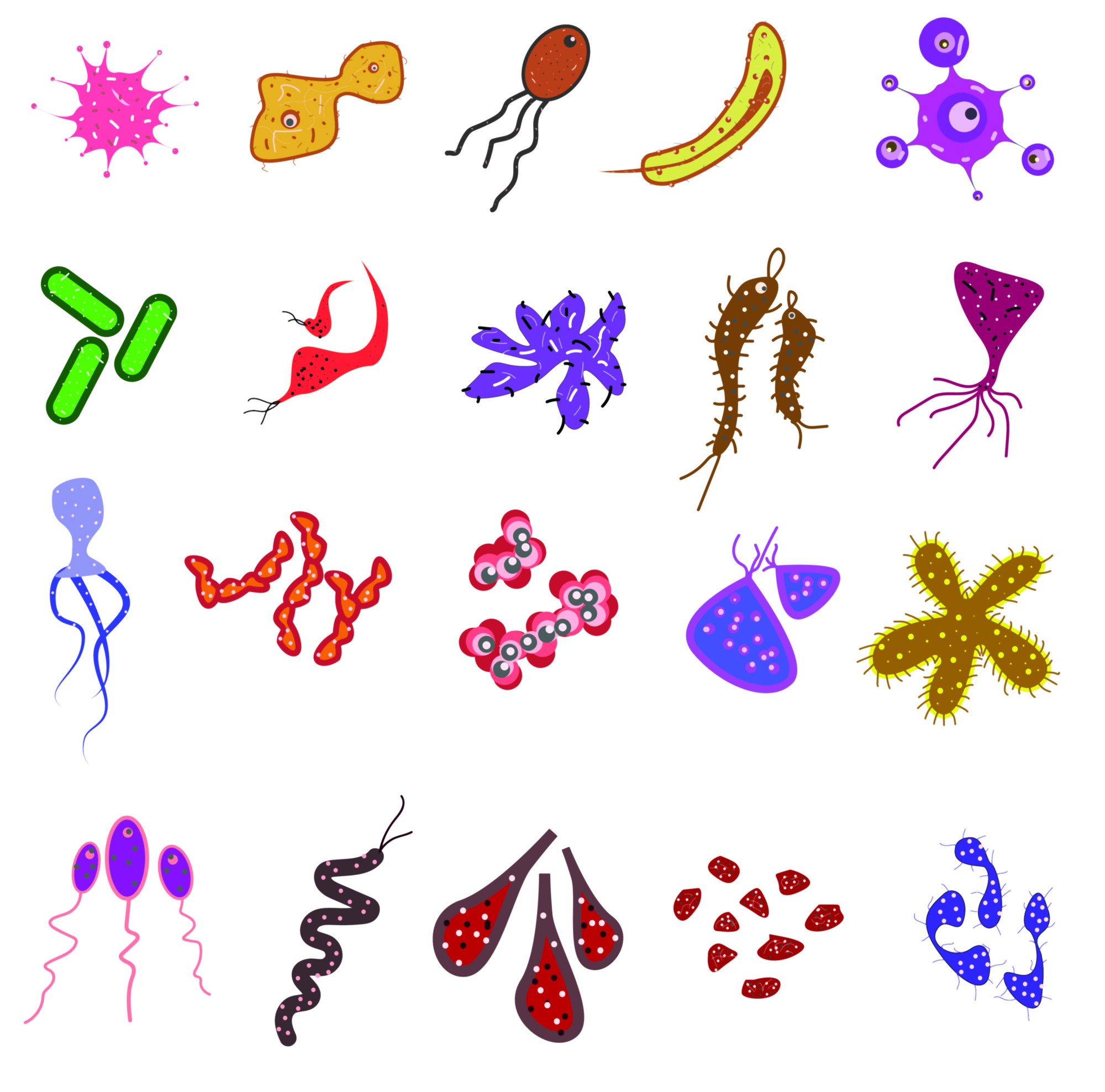
Bacteria are single-celled organisms found virtually everywhere in the environment. While some bacteria are harmless or beneficial, others are pathogenic and responsible for diseases such as tuberculosis, foodborne illnesses, and urinary tract infections. Visual representations of bacteria in vector format allow students and health professionals to clearly see cellular shapes, arrangements, and distinguishing features such as flagella or capsules, which are critical for identification and understanding microbial behavior.
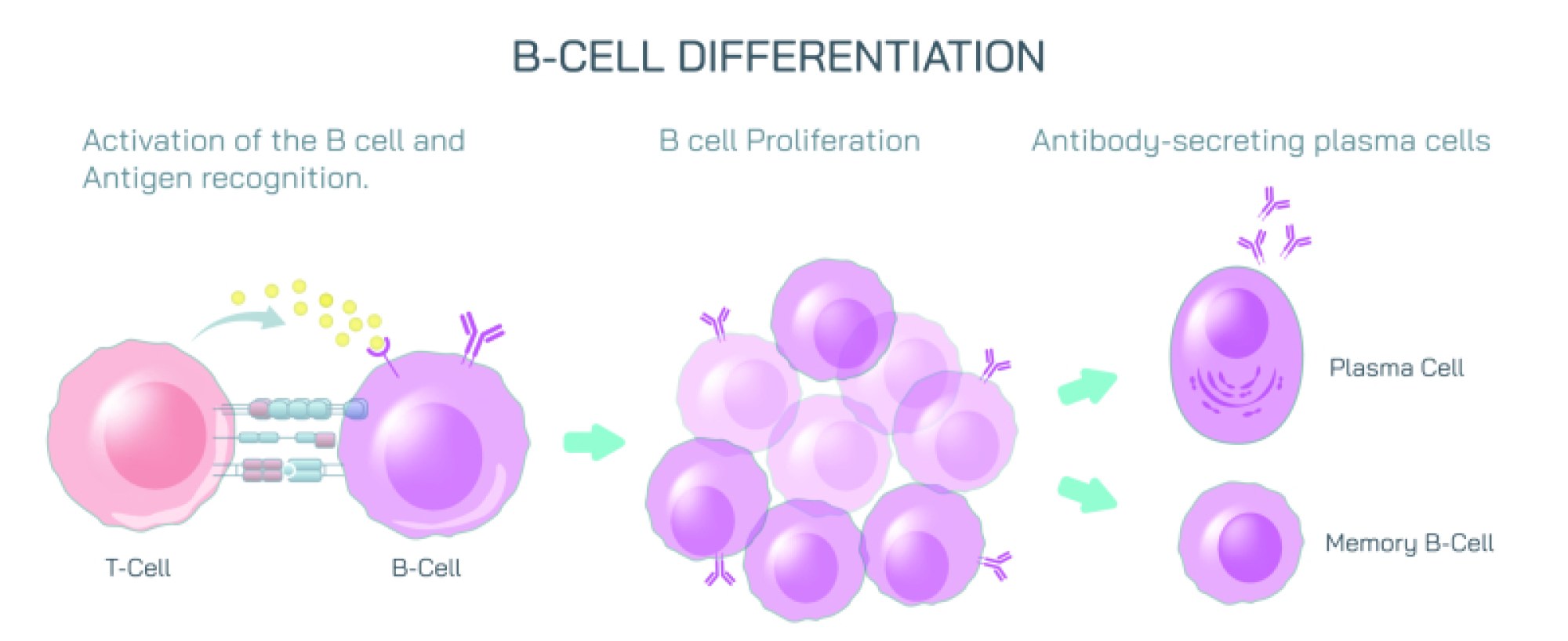
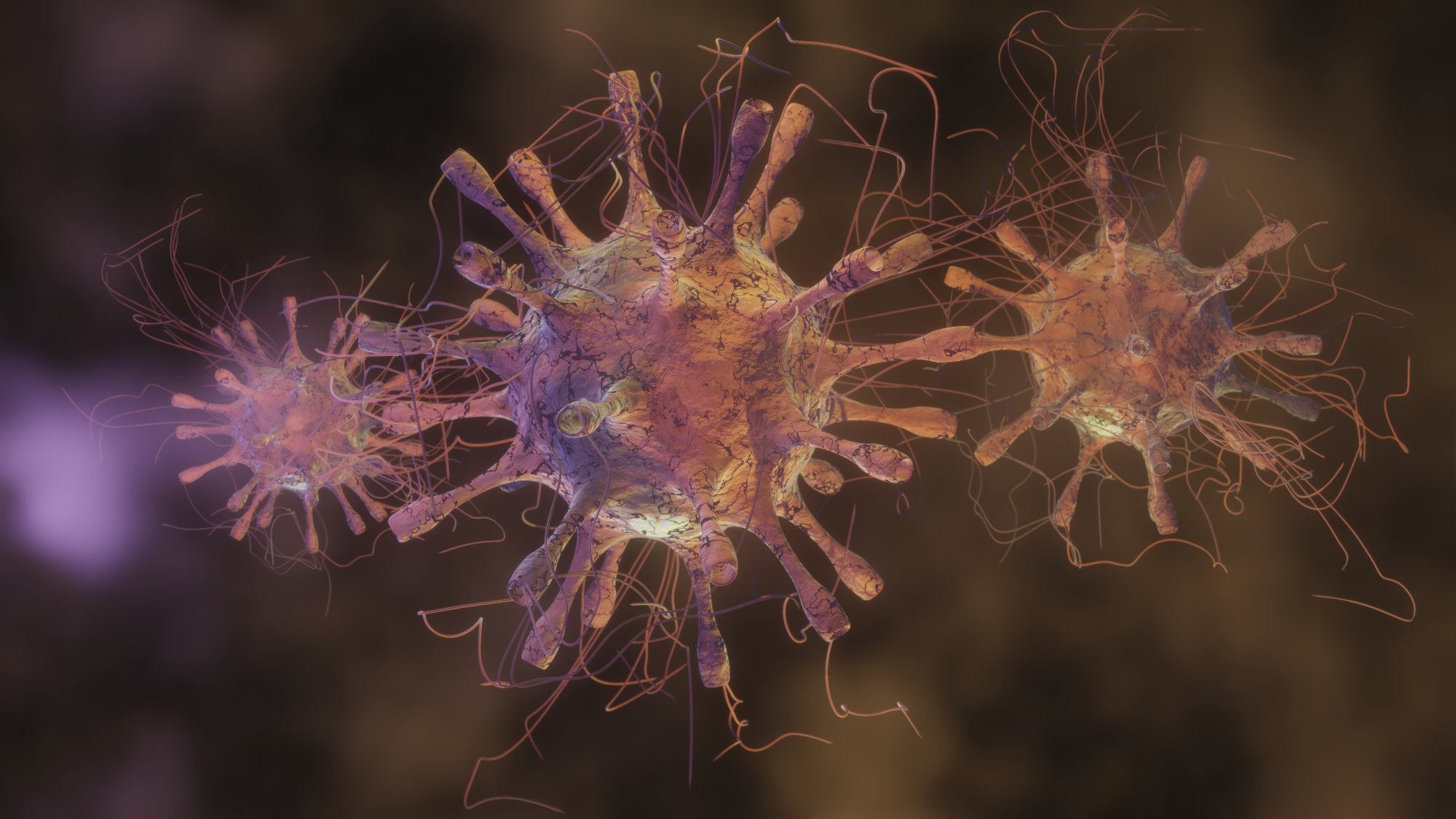
Viruses, often responsible for flues, colds, and more severe illnesses, are microscopic infectious agents that rely on host cells to reproduce. Illustrations of viruses highlight their protein coats, capsid structures, and genetic material, making abstract microscopic entities tangible and easier to comprehend. These visual tools also help explain infection pathways, host interactions, and prevention strategies such as vaccination.
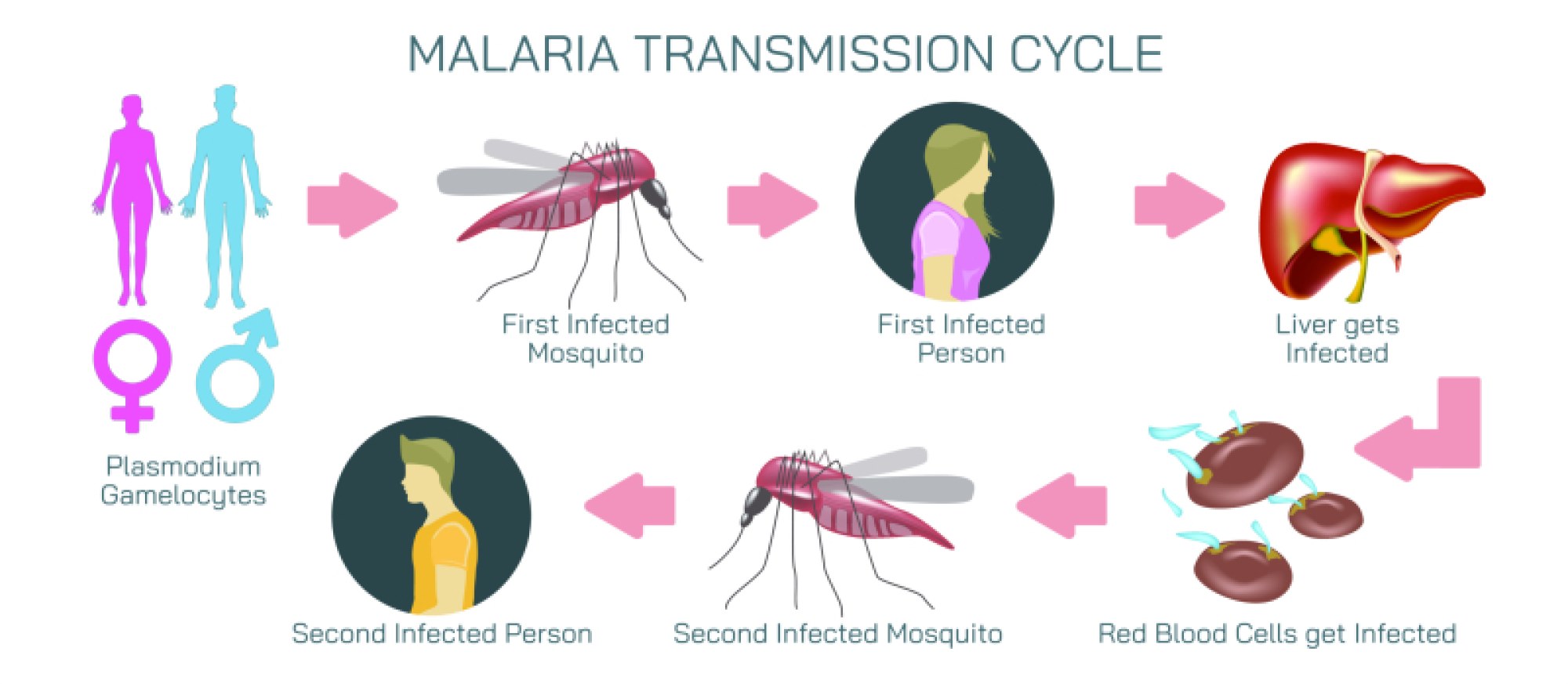
Parasites, including protozoa and worms, depend on host organisms for survival. Vector illustrations show their morphology, life cycles, and modes of infection, providing clarity on how these organisms affect humans and animals. Visualizing parasitic structures is essential for understanding transmission, diagnosis, and treatment.
Environmental microbes and pathogens are often responsible for epidemics, outbreaks, and health hazards. Education about these microbes using vector illustrations enables learners to see the diversity of forms, compare structures, and understand relationships between microbial species and the diseases they cause. Such illustrations can be integrated into biology textbooks, scientific presentations, educational posters, and online learning platforms, making microbiology accessible and engaging.
Vector illustrations are especially valuable because they are scalable, editable, and clear, allowing intricate details to be highlighted without loss of quality. They can represent multiple microbial species in a single visual, show interactions between pathogens and host cells, or depict environmental contexts such as waterborne bacteria, airborne viruses, or soil-dwelling parasites.
In conclusion, environmental microbes, infections, bacteria, flues, and parasites are essential topics for understanding public health, microbiology, and disease prevention. Vector illustrations provide a clear, scalable, and educationally effective method for visualizing these microorganisms, making complex microscopic worlds comprehensible to students, researchers, and health educators. By using such visualizations, learners can explore microbial diversity, understand mechanisms of infection, and gain awareness of the importance of hygiene, vaccination, and disease control.