Environmental microbial forces create a remarkable landscape that influences countless processes across varied living realms. Each region on this planet holds its own set of microscopic drivers—bacteria that flourish within soil layers, parasites that follow intricate life cycles, flu agents that migrate with seasonal flows, plus countless other microbial units that shift constantly. These components interact with remarkable precision, generating patterns that shape wider biological outcomes. Every location carries a signature blend of tiny actors pushing growth, decline, adaptation, or sometimes disruption. This continuous motion builds a dynamic stage where organisms adjust to new exposures, often gaining resilience while discovering fresh challenges.
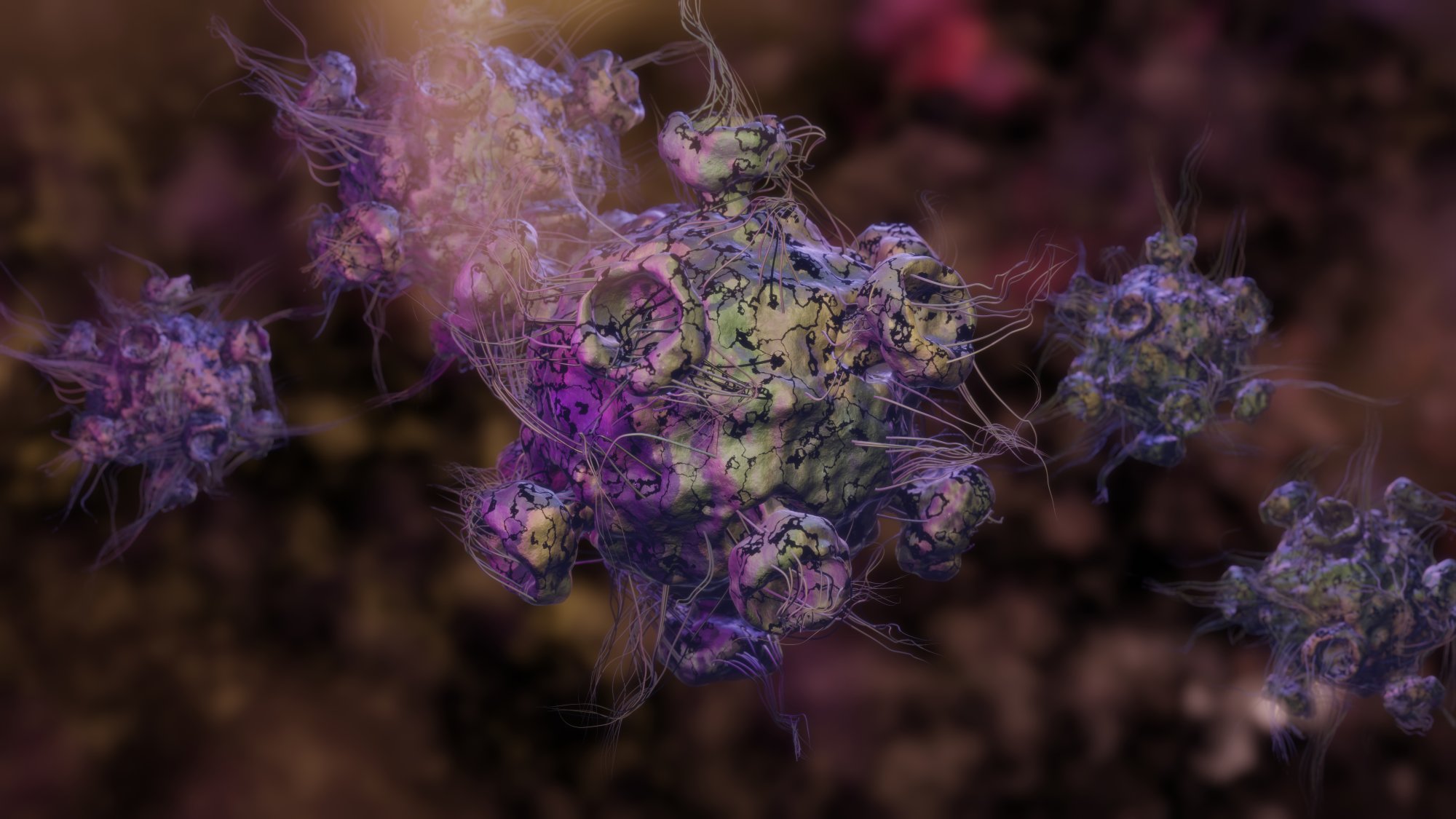
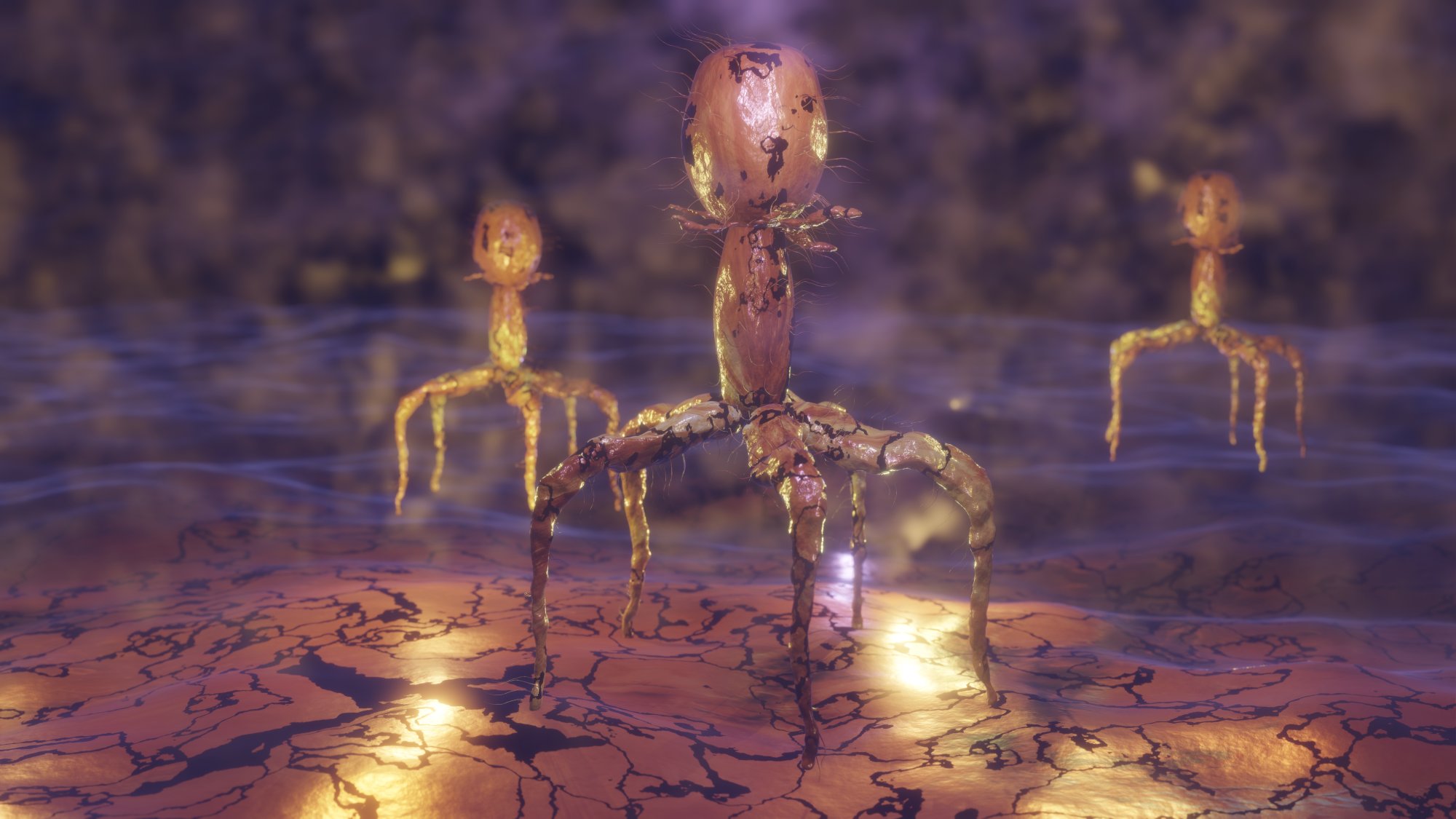
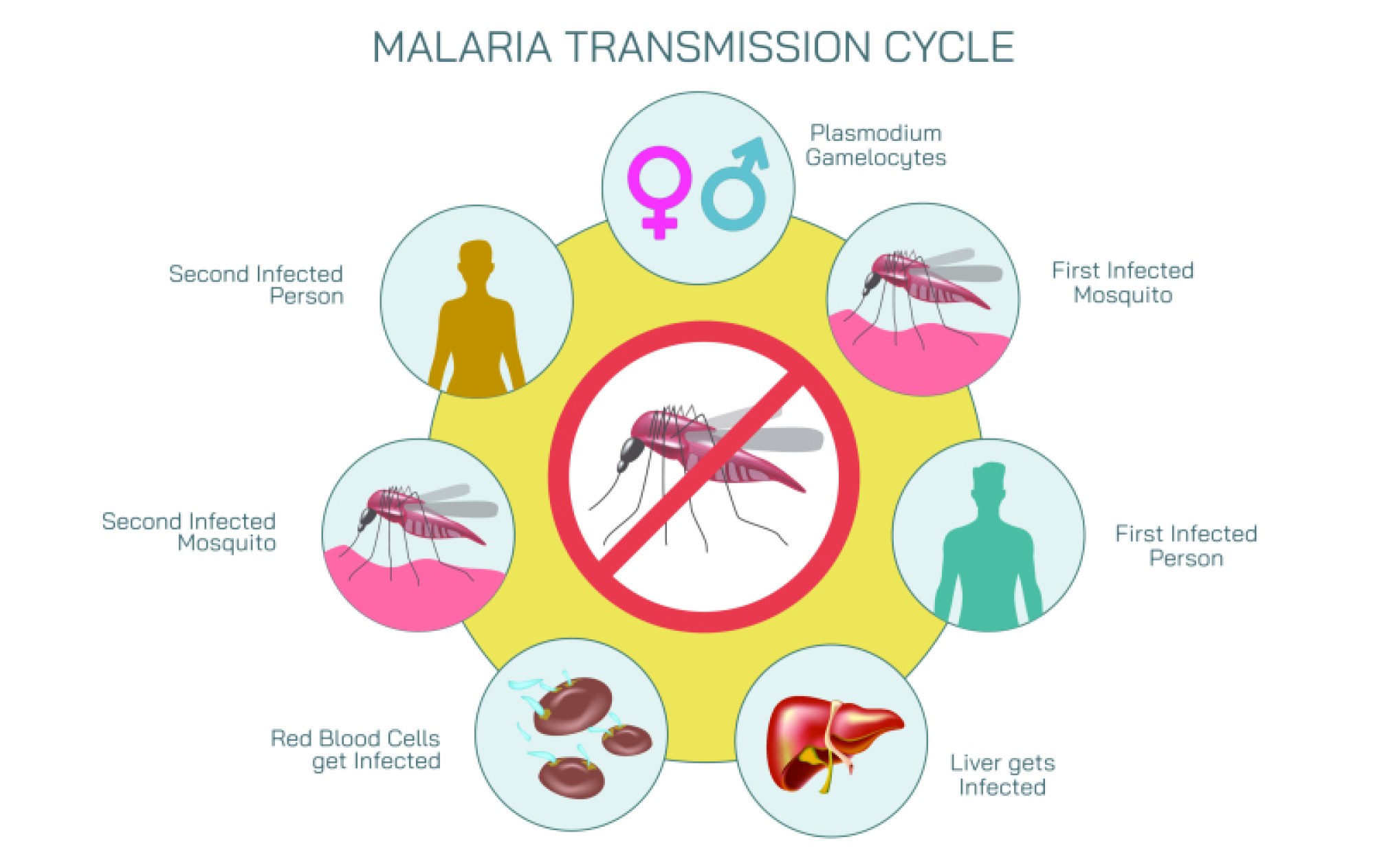
Bacteria occupy water, air, land, and organic matter. Their movement across such zones encourages nutrient exchange, energy flow, and structural change. Some support plant roots or aquatic webs, while others introduce stress within fragile clusters, pushing local species toward defensive responses. Parasites follow unique routes, entering hosts through contact, ingestion, or vector-driven passage. Once established, these organisms influence internal rhythms, sometimes slowing activity or altering behavior. Their presence pushes host systems into strategic adaptation, enabling communities of creatures across forests, plains, or marine stretches to develop fresh resistance.
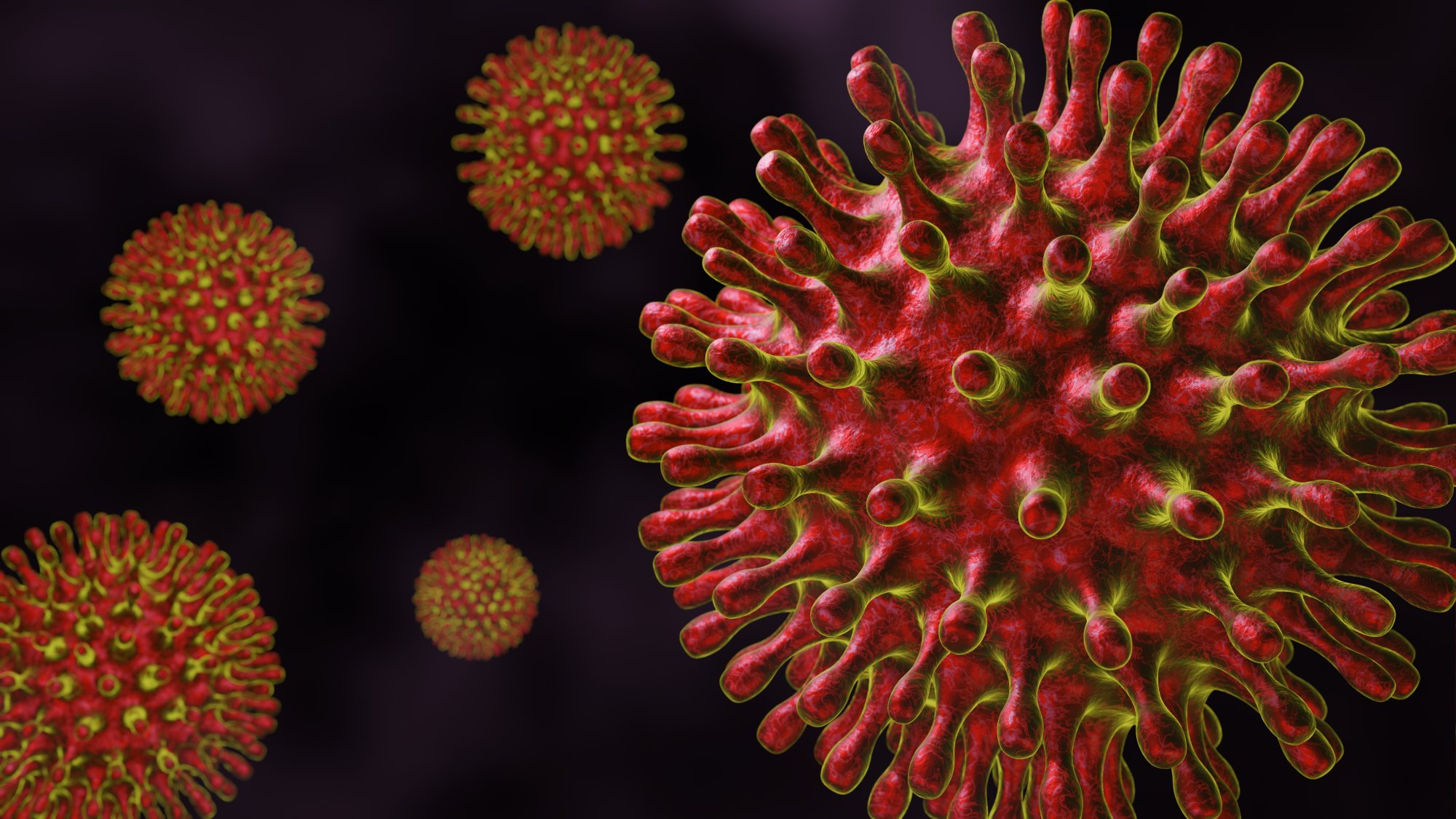
Flu agents travel quickly through populations, assisted by wind, droplets, or animal carriers. Seasonal patterns shift depending on climate, temperature changes, or movement within groups of creatures seeking food, shelter, or migration paths. Infections produced by these agents generate bursts of activity within localized clusters, sometimes fading slowly, sometimes accelerating through tight communities. Microbial synergy across these forces generates ripples that extend outward, influencing plant fields, aquatic pools, and animal shelters. Such ripple effects extend into larger cycles, affecting reproduction rates, food chain balance, and long-term survival.
Disease within any system rarely acts alone. Instead, multiple invisible influences combine, shaping results through layered pressure. Microbes respond to moisture, heat, cold, and nutrient access. Parasites track suitable hosts. Flu material adapts through rapid structural shifts. Bacteria replicate whenever conditions grow favorable. These combined dynamics create a vast field of interactions where every shift impacts another. A small rise in humidity may support bacterial bloom. A drop in temperature may encourage flu waves. Animal movement may deliver parasites across borders. Each subtle change contributes to broader transformations.
Living species evolve under this constant microbial push. Communities strengthen internal defenses, creating strategies to identify harmful intruders. Plants produce protective compounds. Animals adjust behavior to reduce exposure. Water life forms adapt by reorganizing movement patterns or developing stronger outer barriers. Over time, these adjustments guide long paths of evolution, influencing traits, survival strategies, and social behaviors within entire populations.
Microbial forces also shape global systems. They influence soil richness, promoting or reducing plant abundance. They impact river chemistry, enabling growth for some organisms while restricting others. They contribute to decomposition, recycling organic matter into resource pools that sustain future life. Their presence supports food chains from tiny aquatic forms up through towering predators. Without these ongoing processes, countless ecosystems would collapse under the weight of stagnation or imbalance.
Human communities benefit from observing these forces. Studying microbial motion reveals risks that may affect crops, livestock, or public surroundings. Learning from seasonal flu agents helps refine protective routines. Understanding parasite routes supports strategies that safeguard both rural and urban living spaces. Awareness empowers prevention, encouraging safe habits that reduce spread while sustaining harmony among species sharing this planet.
This vast microbial landscape remains active every moment. Through constant change, it shapes pathways for growth, adaptation, and continuity, influencing every corner of natural existence.