Stomach and Abdominal Symptoms – Understanding Digestive Signals, Underlying Causes, and Educational Insight into the Body’s Communication System
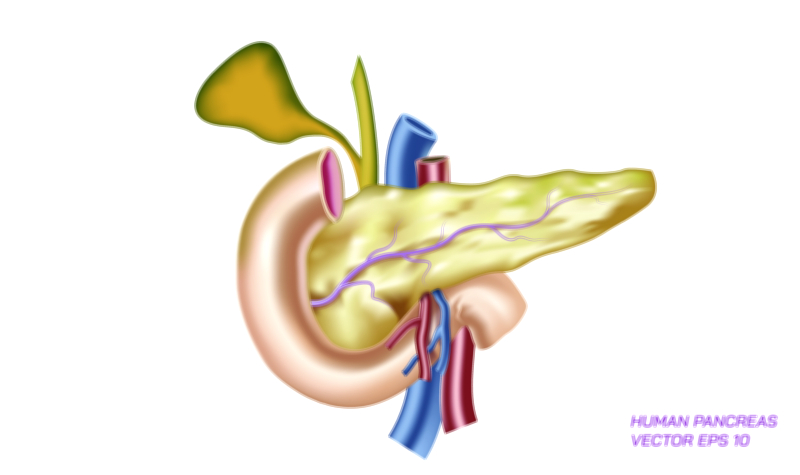
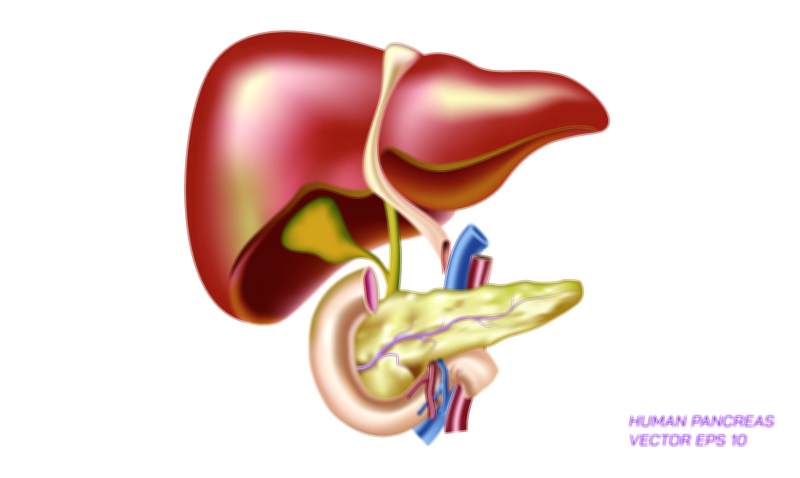
Stomach and abdominal symptoms are among the most frequent health concerns individuals face throughout life, and they play an essential role in the body’s communication system. When something disturbs the normal function of the digestive system, the body responds not with hidden or silent warnings but with signals that can be interpreted, felt, and described. These symptoms may range from mild and temporary sensations after a meal to persistent or severe discomfort that requires medical attention. To understand abdominal symptoms meaningfully, one must recognize that the abdomen is not a single-organ region but a vast landscape containing the stomach, intestines, liver, gallbladder, pancreas, spleen, and kidneys as well as major blood vessels and sheets of connective tissue. Because of this complexity, a single symptom such as pain, nausea, or bloating rarely tells the complete story on its own. However, when individuals learn to understand patterns—such as how pain changes with eating, how bowel habits evolve, or how bloating accompanies certain food triggers—they gain a powerful ability to identify what their bodies need and when professional guidance becomes necessary. Education about abdominal symptoms empowers rather than alarms, helping people distinguish between temporary digestive disturbances and possible signs of deeper medical conditions.
One of the most common abdominal symptoms people experience is pain or discomfort, yet pain rarely manifests in the same way from one person to another. Some describe a dull soreness that spreads across the abdomen, others feel intermittent cramps that build and fade rhythmically, and still others report sharp, localized pain that feels pinpointed to one small area. These variations reflect the different structures within the abdomen and how they respond to irritation or dysfunction. Generalized pain that occupies most of the abdomen is often associated with intestinal sensitivity, gas buildup, or stomach irritation after dietary imbalance or viral infection. In contrast, localized pain may correspond more closely to a specific organ or structure, and the exact location can offer helpful information. Pain in the upper middle abdomen often points toward the stomach, especially when worsened after eating, whereas pain higher on the right side under the ribs may reflect gallbladder disturbance. Pain in the lower abdomen, especially cramping in waves, may be associated with the colon during episodes of constipation, diarrhea, or irritable bowel activity. Even the timing of pain in relation to meals or bowel activity allows for interpretation, showing how abdominal discomfort is not random but linked to digestive processes that operate in predictable cycles.
Another cluster of abdominal symptoms revolves around bloating, swelling, and a sensation of heaviness or fullness. Although many people casually say they feel “bloated,” this symptom represents a complex interaction among intestinal movement, gas production, stomach emptying, and even fluid distribution within the abdomen. Bloating is not simply the presence of gas; rather, it is the feeling of distention or tightness when the abdomen retains air, water, or slowly moving food. Individuals may notice their clothing tightening temporarily or observe that the abdomen appears visually swollen. Such symptoms may arise after meals when digestion is sluggish, when high-fiber or gas-producing foods ferment in the intestine, when swallowed air accumulates during rapid eating, or when the natural balance of gut bacteria becomes disrupted. Occasional bloating is a normal reflection of digestive workload, but chronic bloating that persists regardless of diet can point toward enzyme deficiencies, food intolerances, chronic inflammation, or dysregulated gut motility. For educational purposes, it is important to understand that bloating is not merely a superficial sensation but a sign of how efficiently the gastrointestinal system manages space, motion, and chemical processing.
Changes in bowel habits provide another major window into abdominal health, and they signal how the intestines handle water, waste movement, and neural control. Diarrhea is marked by loose or watery bowel movements and indicates that food and fluid are traveling too quickly through the intestines for water absorption to occur. This rapid movement can arise from infection, emotional stress, food sensitivity, medication effects, diet changes, or intestinal inflammation. While short-term diarrhea serves as a protective clearing mechanism to expel irritants, prolonged diarrhea endangers hydration and nutrient balance and requires greater attention. On the opposite end of the spectrum, constipation reflects slow intestinal movement or excessive water absorption from the stool, producing dry and difficult-to-pass waste accompanied by abdominal heaviness and straining. Constipation may be triggered by low fiber intake, dehydration, delayed bowel response, sedentary behavior, or medication effects. For many individuals, bowel habits vary according to lifestyle, stress, and diet, and occasional irregularity is usually not a sign of disease. However, sudden persistent change in bowel patterns, especially when combined with weight loss, fatigue, or blood in stool, signals the need for medical evaluation. Bowel pattern analysis is a powerful educational tool because it teaches individuals not to ignore chronic digestive changes or attribute them only to stress or aging.
Another crucial abdominal symptom category involves nausea and vomiting, which reflect disruption in the communication between the digestive tract and the central nervous system. Nausea can occur even without stomach pain and often signals irritation of the stomach lining, inner ear imbalance, migraine activity, early pregnancy, emotional distress, or viral gastroenteritis. Vomiting is a more forceful protective response that uses muscular contractions to expel stomach contents with the goal of removing harmful substances. While vomiting sometimes provides relief by clearing irritants, excessive vomiting can quickly lead to dehydration, electrolyte imbalance, and weakness. Understanding nausea and vomiting from an educational perspective allows individuals to see these symptoms as protective rather than random or frightening. In most cases, rest, hydration, and bland foods allow recovery. However, vomiting that persists beyond a short period, contains blood, or accompanies severe abdominal pain or inability to tolerate liquids demands prompt medical review. Thus, nausea and vomiting represent a relationship between internal disruption and the body’s instinct to restore balance.
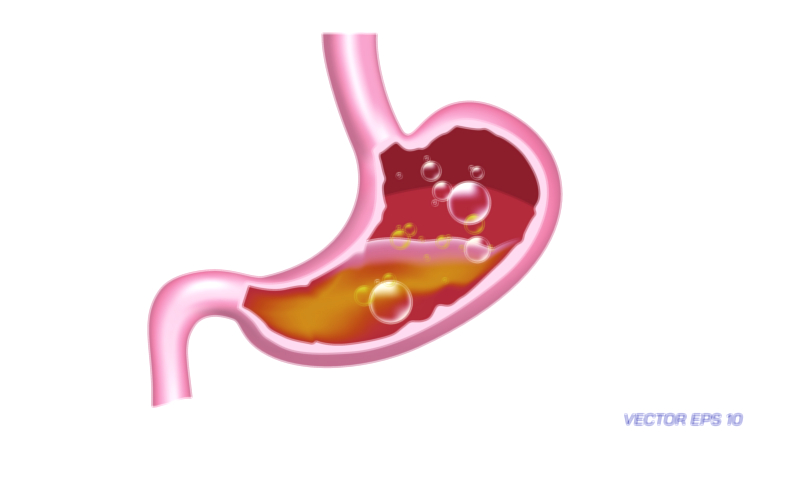
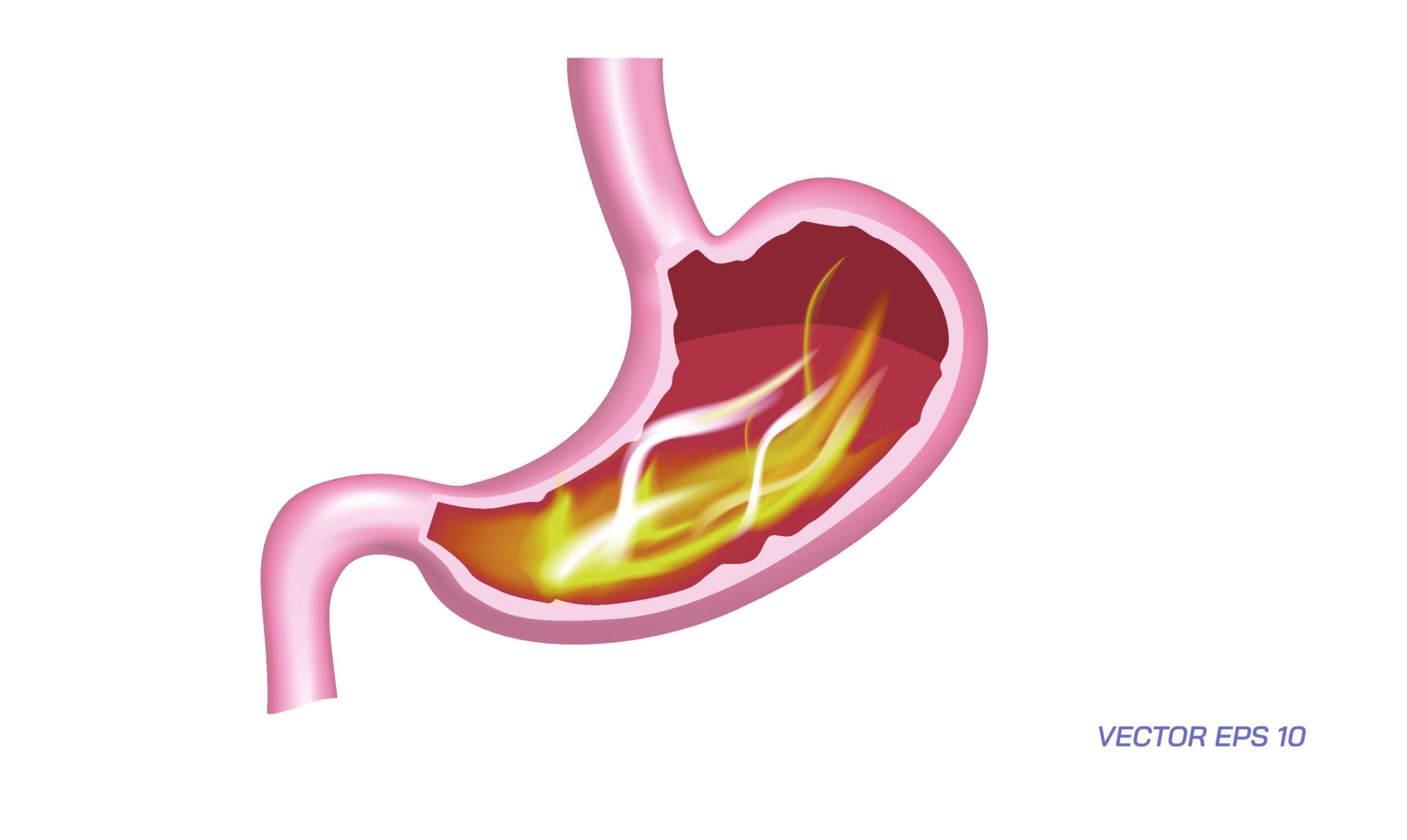
Acid reflux and heartburn add another dimension to abdominal symptoms by highlighting the role of muscular valves and chemical containment. The stomach relies on strong acid to break down food, but this acid must remain within the stomach. When the lower esophageal sphincter relaxes excessively or weakens, stomach acid flows upward into the esophagus, causing a burning sensation in the chest or throat, sometimes accompanied by sour taste and coughing. Acid reflux illustrates how digestive symptoms arise not just from the food being eaten but from the mechanics of digestion. Meals high in fat, large in volume, eaten late at night, or consumed before lying down can increase reflux, as can caffeine, alcohol, and smoking. Occasional heartburn is extremely common and often harmless, but chronic reflux can injure the esophagus or interfere with sleep and nutrition. Educational understanding allows individuals to control reflux triggers and to know when symptoms persist beyond lifestyle modification and require professional evaluation.
Loss of appetite, early fullness, and unexplained feeling of heaviness represent quieter but equally meaningful abdominal symptoms. Loss of appetite may emerge during infections or stress, but when appetite suppression persists, it may reflect inflammation, ulcer development, slowed gastric emptying, or hormonal imbalance. Early fullness, in which a person feels satisfied after only a few bites, may suggest delayed stomach emptying or pressure from bloating or inflammation. These symptoms are sometimes misunderstood or minimized because they are not always painful, yet they offer insight into how digestion operates over time. The stomach must fill, release acid and enzymes, move food forward through muscular contractions, and coordinate signals of hunger and satiety. When this coordination falters, discomfort arises long before severe disease develops. Paying attention to appetite signals can therefore help individuals catch digestive concerns early rather than waiting until pain becomes severe.
The most transformative educational lesson about stomach and abdominal symptoms is the recognition that these experiences are not random inconveniences but meaningful forms of communication. The digestive system responds to what a person eats, how they move, how they sleep, the stress they carry, and the medications they take. When symptoms come and go intermittently and resolve with lifestyle adjustments, hydration, and rest, they often represent mild disruptions rather than illness. When symptoms become constant, worsen over time, or accompany weight loss, bleeding, fever, or extreme fatigue, they indicate an imbalance requiring professional care. The goal is not self-diagnosis but informed interpretation. Individuals who understand the patterns behind abdominal symptoms become active participants in their own health rather than passive observers overwhelmed by discomfort.
Ultimately, the study of stomach and abdominal symptoms teaches more than anatomy and digestion; it teaches the ability to listen to the body with clarity and confidence. By understanding pain, bloating, bowel changes, nausea, reflux, and appetite shifts within the context of digestion, individuals cultivate awareness that is both practical and protective. Stomach symptoms are not simply problems to silence but signals to interpret. Through this awareness, people gain the confidence to care for themselves when symptoms are harmless and to seek guidance without delay when symptoms signal deeper concerns. Medical education about abdominal symptoms therefore provides not only scientific knowledge but also the foundation for lifelong body literacy, improved well-being, and smarter health decisions.