Comprehensive Overview of Environmental Micro Threats and Protective Measures
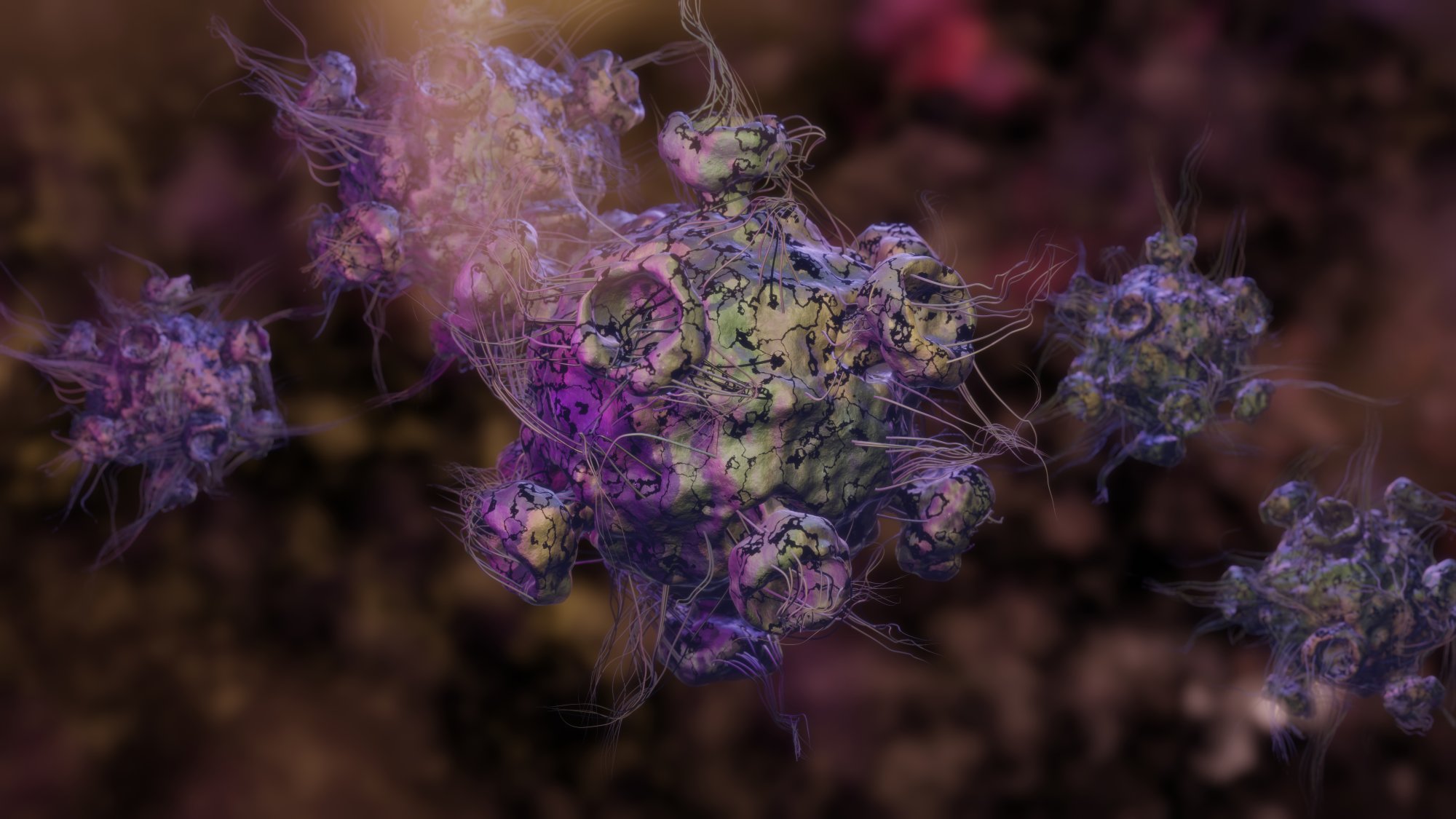
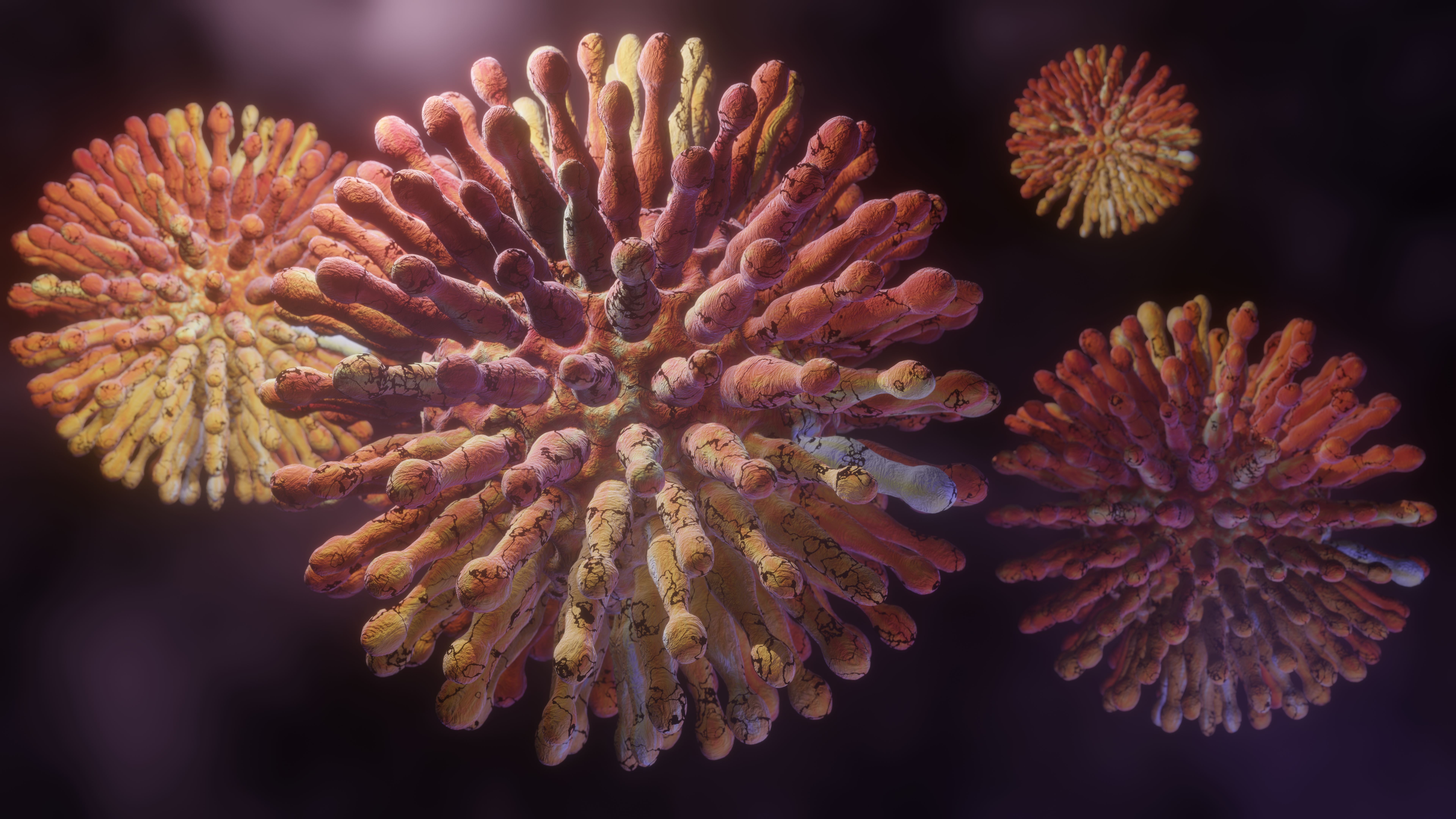
Environmental microbial forces represent a fascinating yet challenging dimension of life on Earth. Viruses, flu agents, parasites, and bacteria circulate through air, soil, water, vegetation, animals, and human communities, forming a complex web of biological influence. These microscopic entities are diverse in structure, behavior, and ecological roles, yet all share the capacity to shape living conditions through their interactions with hosts and surroundings. Understanding how these varied organisms behave across different settings helps individuals, families, and communities build better protective routines while respecting the natural environment that sustains life.
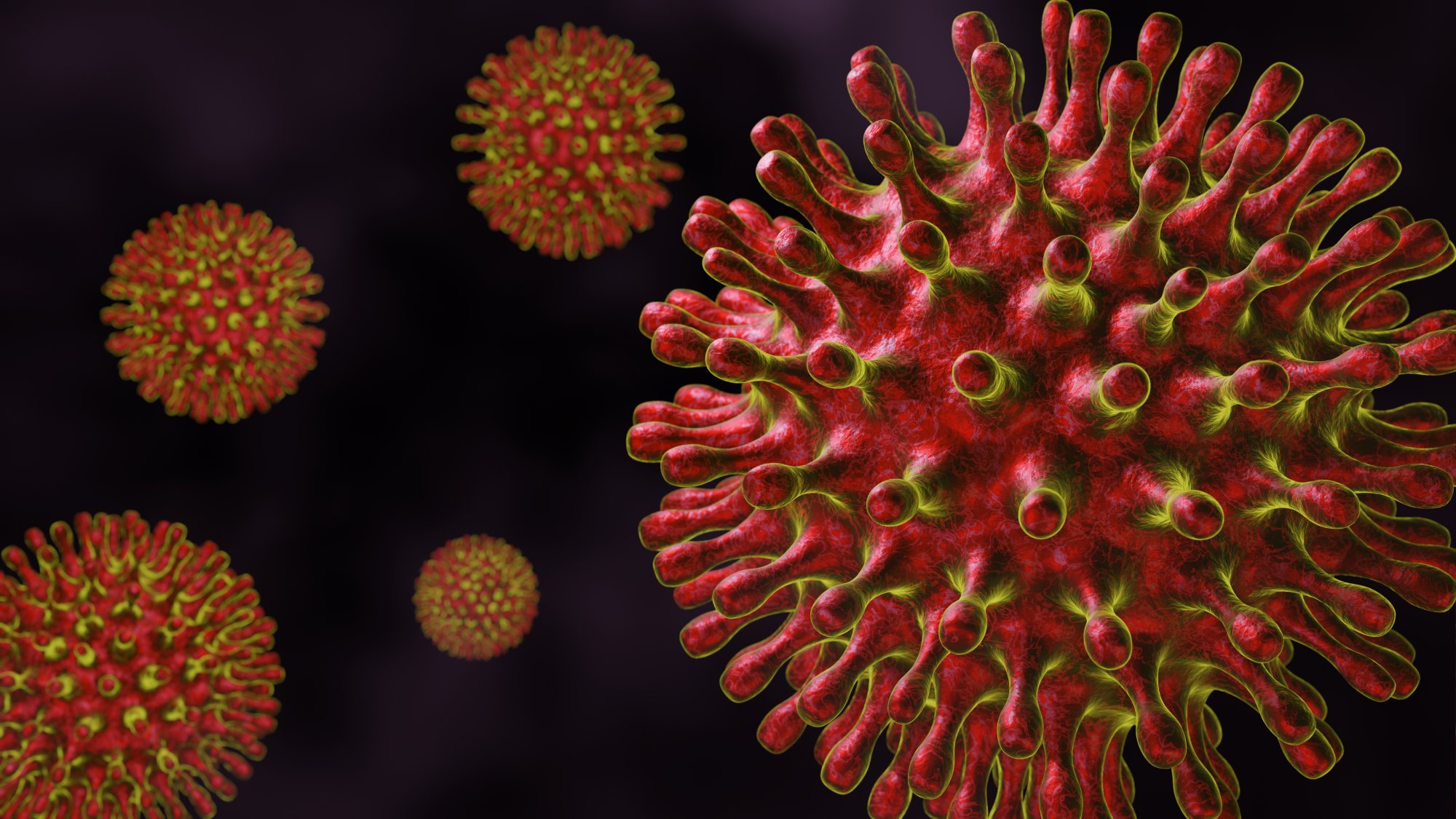
Viruses found in outdoor and indoor settings often rely on transmission opportunities through droplets, contact, or contaminated materials. Flu agents, in particular, thrive during specific climate patterns, especially when temperature and humidity shift in ways that support their survival. These forces gain strength through crowd interactions, seasonal gatherings, and confined spaces, making them more capable of reaching new hosts. Even though many viral particles are not visible, their influence becomes apparent when symptoms appear, prompting communities to pay closer attention to preventive habits.
Parasites represent another critical layer of environmental interaction. They can reside in soil, stagnant water, unclean food sources, or improperly maintained surroundings. Their survival often depends on a suitable host, and once established, they may affect energy levels, digestion, and overall vitality. Many parasites have intricate life cycles that involve insects, animals, or water bodies, making awareness essential for regions with changing climates or increased travel. Observing local guidance, maintaining clean living spaces, and practicing careful food handling techniques are effective ways to reduce the chances of encountering them.
Bacteria, present nearly everywhere, range from useful to harmful. Some play essential roles in nature by recycling nutrients or supporting plant life, while others may cause illness when encountered in unsafe environments. Touch surfaces, food preparation areas, and water storage systems can become points of concern when sanitation declines. Fortunately, simple routines such as consistent hand washing, clean kitchen habits, safe storage of perishables, and responsible waste management significantly minimize bacterial risks without requiring complex steps.
Infections arise when these microbial agents find favorable conditions within a host. The process depends on exposure, immunity, environment, and general health. Because living beings constantly interact with surroundings, the goal is not to eliminate all microbes—impossible and unnecessary—but to manage exposure wisely. Preventive measures bring balance and help maintain resilience. These actions strengthen community-wide protection, especially for children, elderly individuals, and those with weaker defense systems.
Caution plays a central role in reducing harmful encounters. Observing symptoms quickly, avoiding direct contact with unclean surfaces, and maintaining safe distances during outbreak periods help reduce spread. Educating family members about simple habits creates a culture of awareness that benefits everyone. Clean air circulation, outdoor mindfulness, and proper waste disposal also reduce microbial presence in shared environments.
Prevention builds on small, consistent steps. Using safe water, maintaining tidy surroundings, adopting mindful travel habits, and recognizing early signs of illness support healthier living. These routines help break transmission paths and reduce the chance of minor issues escalating within communities. A supportive approach that blends awareness, cleanliness, and responsible daily actions gives individuals the power to protect themselves without fear or stress.
Altogether, environmental viruses, flu agents, parasites, and bacteria form a diverse field of biological activity that touches every aspect of life. While they pose challenges, the knowledge of how they move, settle, and interact enables communities to respond with confidence. Through practical caution, steady prevention, and thoughtful living habits, people can maintain safer conditions and nurture wellbeing for themselves and those around them.