Plant Cell – Structure, Organelles, and Functions in Biology
A plant cell is a fundamental unit of life in plants, responsible for carrying out essential biological processes that sustain growth, energy production, and reproduction. Unlike animal cells, plant cells have unique features such as a rigid cell wall, chloroplasts, and a large central vacuole, which give them structure, enable photosynthesis, and maintain internal water balance. Understanding plant cells is crucial for students, researchers, and educators in biology and plant sciences.
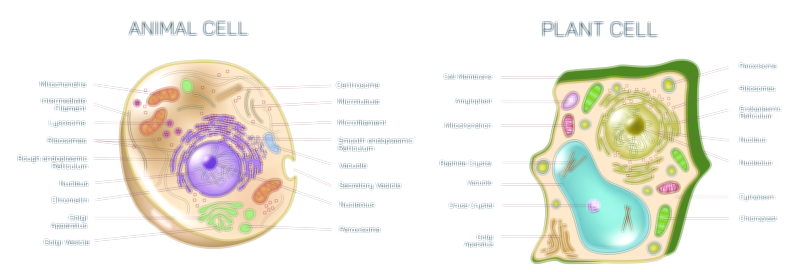
The cell wall, made of cellulose, provides structural support and protection, allowing the plant to maintain its shape and resist external stress. Inside the cell, the nucleus serves as the control center, regulating gene expression, cell growth, and reproduction. Chloroplasts contain chlorophyll, the pigment responsible for capturing sunlight and converting it into energy through photosynthesis, a process vital for the survival of plants and, ultimately, all life on Earth.
The vacuole is a large, fluid-filled organelle that stores water, nutrients, and waste products, while also maintaining turgor pressure, which keeps the plant upright. Mitochondria act as the powerhouse of the cell, producing energy required for cellular functions. The cytoplasm is the gel-like substance that fills the cell, allowing organelles to move and interact efficiently. Additional organelles like the endoplasmic reticulum, Golgi apparatus, and ribosomes coordinate protein synthesis, transport, and cellular maintenance, ensuring the cell functions optimally.
Visual representations of plant cells, such as diagrams, vector illustrations, and 3D models, help learners understand the relationships between organelles and their roles in maintaining plant life. These educational tools are invaluable in classrooms, laboratories, and online learning environments, providing clarity on complex cellular processes and fostering engagement in biology education.
Plant cells also provide insights into broader topics such as photosynthesis, cellular respiration, and plant growth regulation. Understanding how organelles interact and how the cell adapts to environmental conditions aids researchers in agriculture, botany, and biotechnology. Interactive illustrations and detailed diagrams can demonstrate these processes, making them accessible to students and professionals alike.
In conclusion, the plant cell is a highly organized structure with specialized organelles that enable growth, energy production, and survival. Its unique features, including the cell wall, chloroplasts, and vacuole, distinguish it from other cell types and make it a cornerstone of plant biology education. Illustrations, diagrams, and 3D models enhance understanding, allowing learners to visualize the complexity of plant life at the cellular level and appreciate the intricate processes that sustain plants and ecosystems.