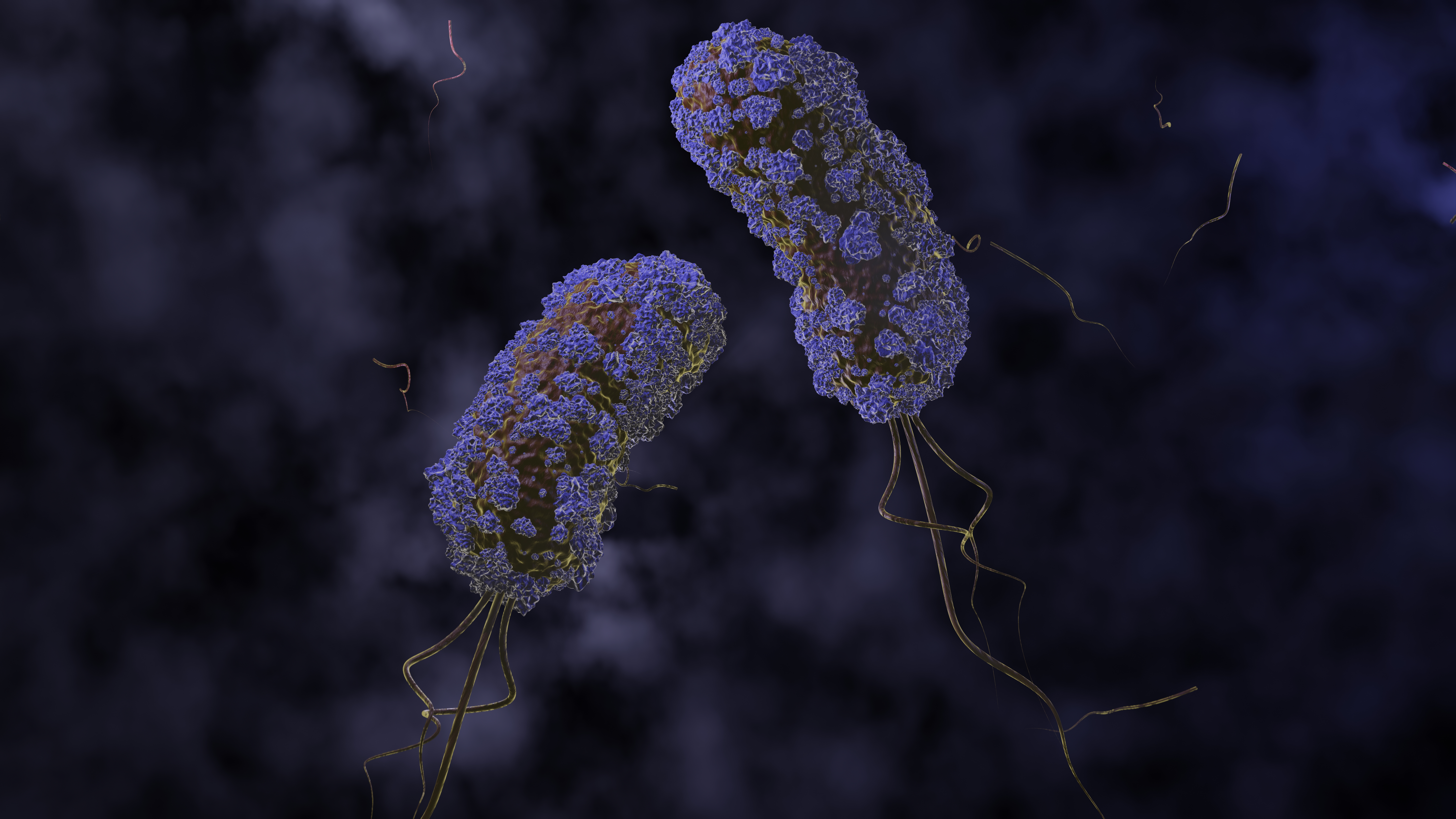
A 3D Rendered Illustration of Microscopic Bacterias and Infections Provides an Engaging Educational Perspective
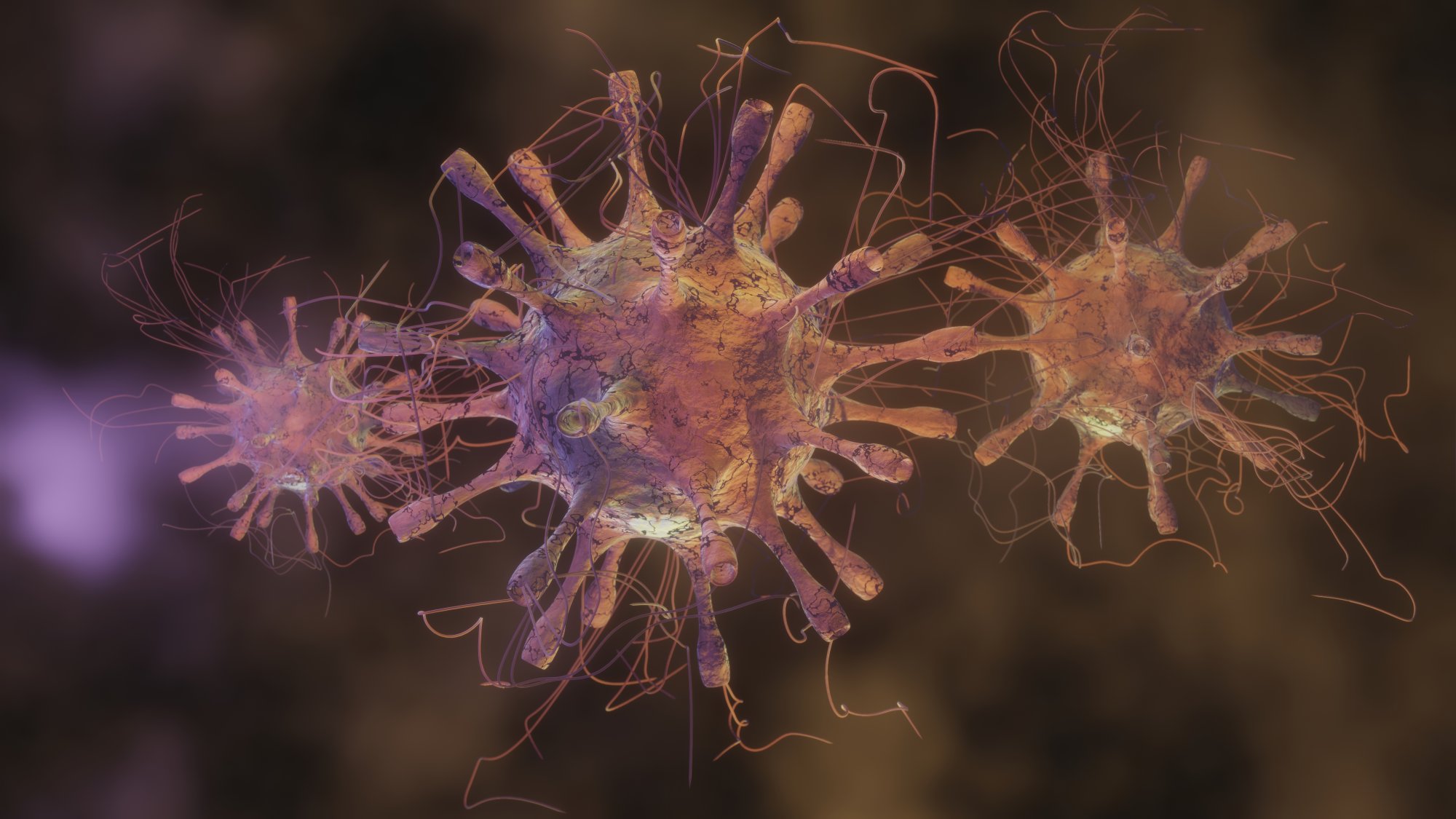
A 3D rendered illustration of microscopic bacterias and infections provides an engaging and highly informative visualization of biological processes that are normally invisible to the human eye. By using three-dimensional depth, realistic textures, and detailed modeling, such illustrations allow students, educators, and healthcare professionals to explore microbial activity and infection progression in a way that two-dimensional images cannot achieve. This immersive approach not only enhances learning but also improves comprehension of the complex interactions that occur at the microscopic level.
The illustration typically depicts a variety of bacterial forms—spherical (cocci), rod-shaped (bacilli), or spiral (spirilla)—each rendered with realistic surface textures, colors, and structural details. Fine elements such as flagella, pili, and cell membranes are shown to highlight how bacteria attach to host surfaces, move, and replicate. These features provide insight into the mechanisms of infection, demonstrating how pathogens establish themselves and proliferate within tissues or fluid environments. The 3D perspective allows viewers to appreciate spatial relationships and physical interactions, offering a more accurate understanding of microbial behavior.
Infections often begin with bacterial colonization, where microorganisms adhere to vulnerable tissues or cells. A 3D render can illustrate this stage by showing clusters forming at specific points, revealing the early dynamics of infection. By visualizing how bacteria multiply and spread, the illustration emphasizes the importance of early detection and preventive measures. Realistic lighting, shading, and depth cues make the scene visually compelling, guiding the viewer’s focus toward critical aspects of microbial growth and distribution.
The illustration can also highlight interactions between bacteria and the immune system. White blood cells, antibodies, or signaling molecules may be included to show how the body responds to invasion. This dual perspective demonstrates the ongoing battle between pathogenic microorganisms and host defenses, providing learners with a clear understanding of both microbial aggression and immune protection. By portraying this dynamic interplay, the visualization reinforces the significance of hygiene, vaccination, and medical intervention.
Additionally, 3D rendering emphasizes bacterial colony formation and biofilm development. Microorganisms rarely exist in isolation; they organize into communities that enhance survival and resistance to environmental stressors. The 3D perspective allows viewers to see these structural patterns and understand how dense colonies contribute to infection severity. Contextual elements such as surrounding tissue, fluid flow, or cellular barriers enhance realism and reinforce the educational value of the visualization.
The immersive quality of a 3D render also supports engagement and retention. By transforming abstract microbiological concepts into tangible, visually striking imagery, learners can explore complex processes interactively and intuitively. Such illustrations are ideal for use in scientific education, medical training, research publications, and digital media, providing a bridge between conceptual theory and observable reality.
In conclusion, a 3D rendered illustration of microscopic bacterias and infections provides an engaging and educational perspective that enhances understanding of microbial structure, behavior, and infection dynamics. Through realistic textures, spatial depth, and interactive visual storytelling, the model delivers clarity, insight, and learning effectiveness for students, educators, and healthcare professionals alike.