Repulsion and Attraction – Understanding Forces and Interactions in Nature
Repulsion and attraction are fundamental forces that govern interactions between particles, objects, and systems in physics, chemistry, and everyday life. These phenomena explain how matter behaves at both macroscopic and microscopic levels, influencing everything from magnetic objects to molecular bonding, and from celestial mechanics to simple daily experiences.
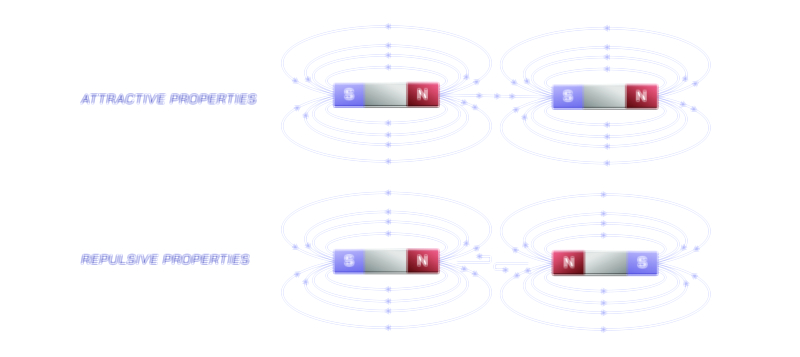
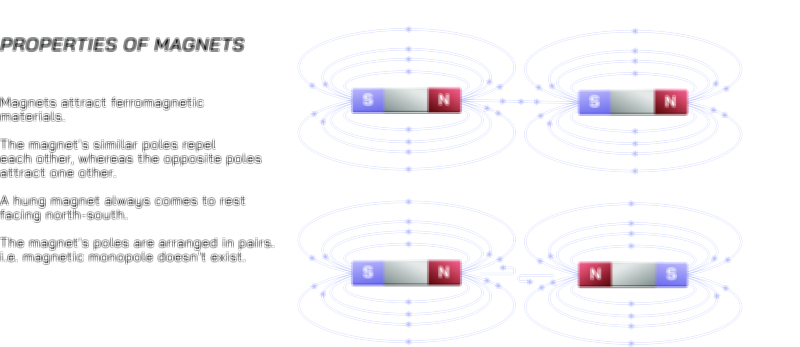
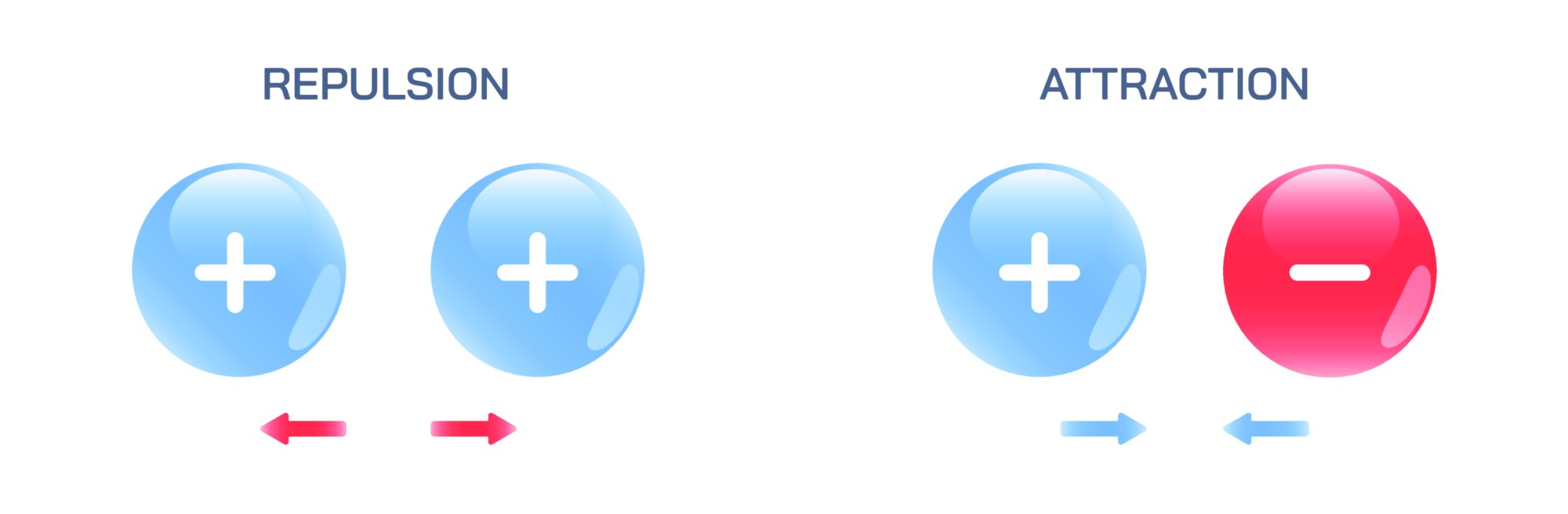
Repulsion occurs when objects or particles exert forces that push them away from each other. Examples include like electric charges, where positive charges repel other positives and negative charges repel other negatives, and similar magnetic poles, where north repels north and south repels south. Repulsion is crucial in maintaining structural integrity in matter, preventing objects from collapsing into one another and ensuring stability in atomic and molecular structures.
Attraction, on the other hand, is the force that draws objects or particles toward each other. Opposite charges in electricity attract, north and south magnetic poles attract, and molecules often experience intermolecular attractions that bind them together in liquids and solids. Attraction is essential for the formation of chemical bonds, holding molecules, crystals, and materials together. It also governs gravitational pull, keeping celestial bodies in stable orbits and allowing planets and moons to maintain predictable motion.
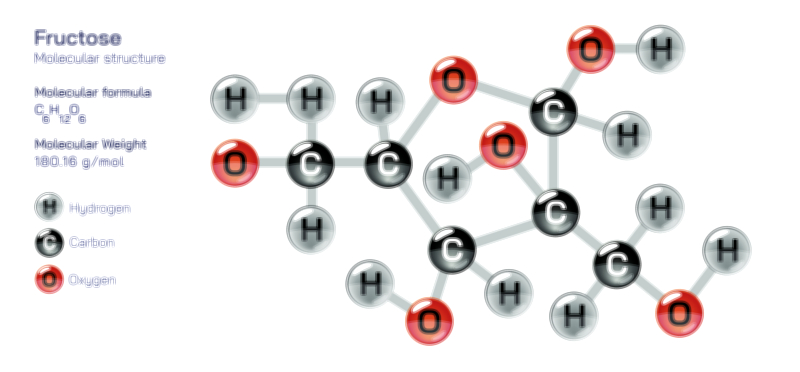
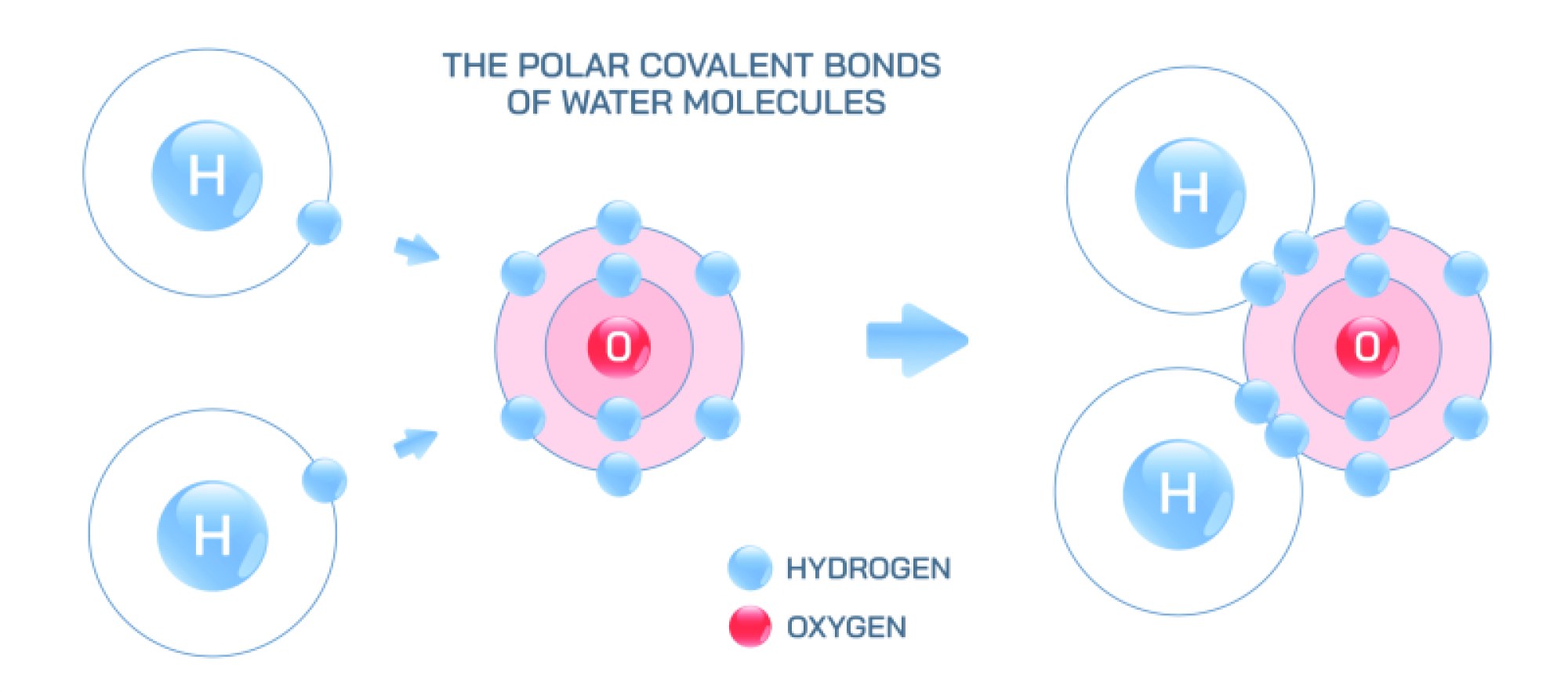
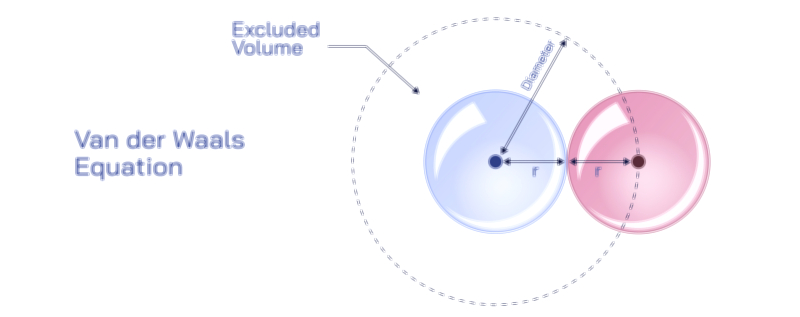
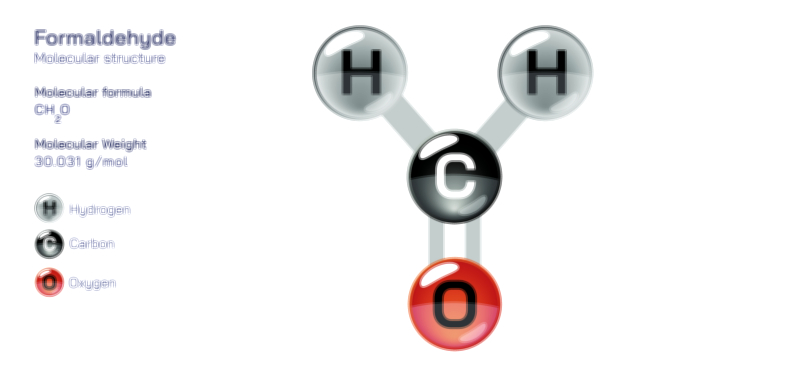
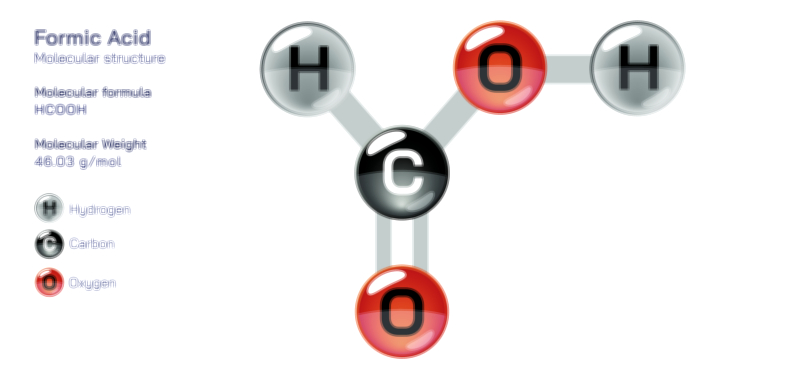
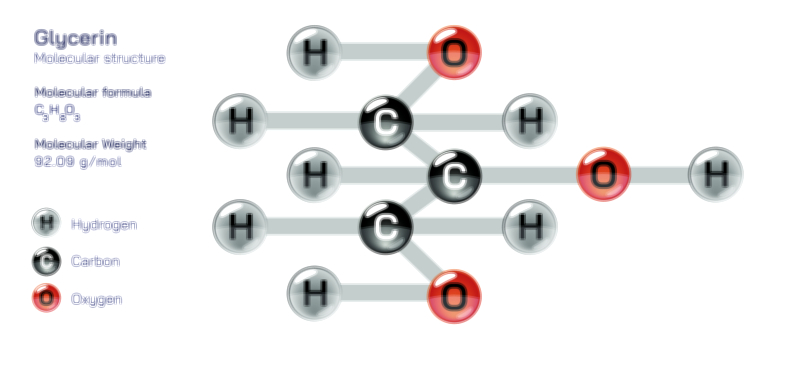
In molecular and chemical contexts, repulsion and attraction explain the behavior of atoms and molecules in bond formation, crystal lattices, and reactions. Electrons repel each other due to negative charges, while nuclei attract electrons to form stable molecules. Understanding these forces is key to comprehending chemical bonding, molecular shapes, and material properties.
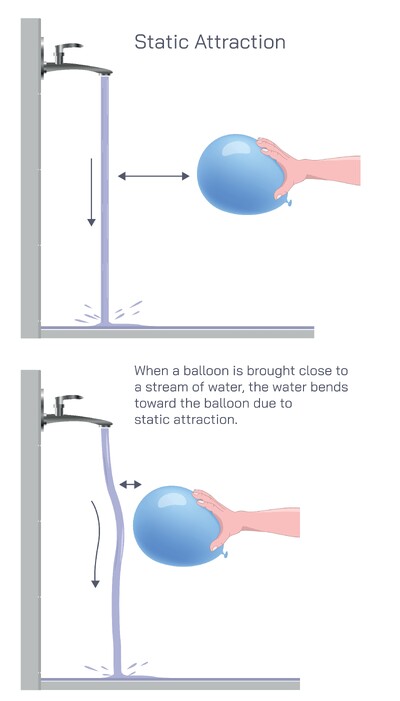
Visual illustrations of repulsion and attraction help learners understand these abstract concepts. Diagrams showing charged particles, magnetic interactions, and molecular forces provide a tangible way to see how forces work in real life. Animations and vector representations can depict the direction and strength of these forces, making physics and chemistry more interactive and comprehensible.
These concepts also extend to everyday life. For example, repulsion prevents magnets with the same poles from sticking, while attraction allows magnets to pull objects. Electrostatic repulsion makes hair stand on end when combed, and intermolecular attractions allow water droplets to form and stick together. Understanding these forces enhances knowledge of the natural world and aids in practical applications in engineering, materials science, and technology.
In conclusion, repulsion and attraction are foundational forces in nature, governing interactions at multiple scales. They explain how particles, molecules, and objects interact, ensuring stability, structure, and functionality. Educational illustrations and diagrams are powerful tools for visualizing these forces, making them accessible for students, educators, and anyone interested in the mechanics of the physical and chemical world. By studying repulsion and attraction, we gain insights into both the microcosm of molecular interactions and the macrocosm of natural phenomena, highlighting the interconnectedness of all matter and forces in the universe.