Peripheral Vestibular – Understanding the Balance System of the Inner Ear
The peripheral vestibular system is a critical part of the human balance and equilibrium mechanism, located in the inner ear. It works alongside the central nervous system to help the body maintain posture, spatial orientation, and motion perception. Understanding the peripheral vestibular system is essential for studying human anatomy, diagnosing balance disorders, and promoting overall health awareness.
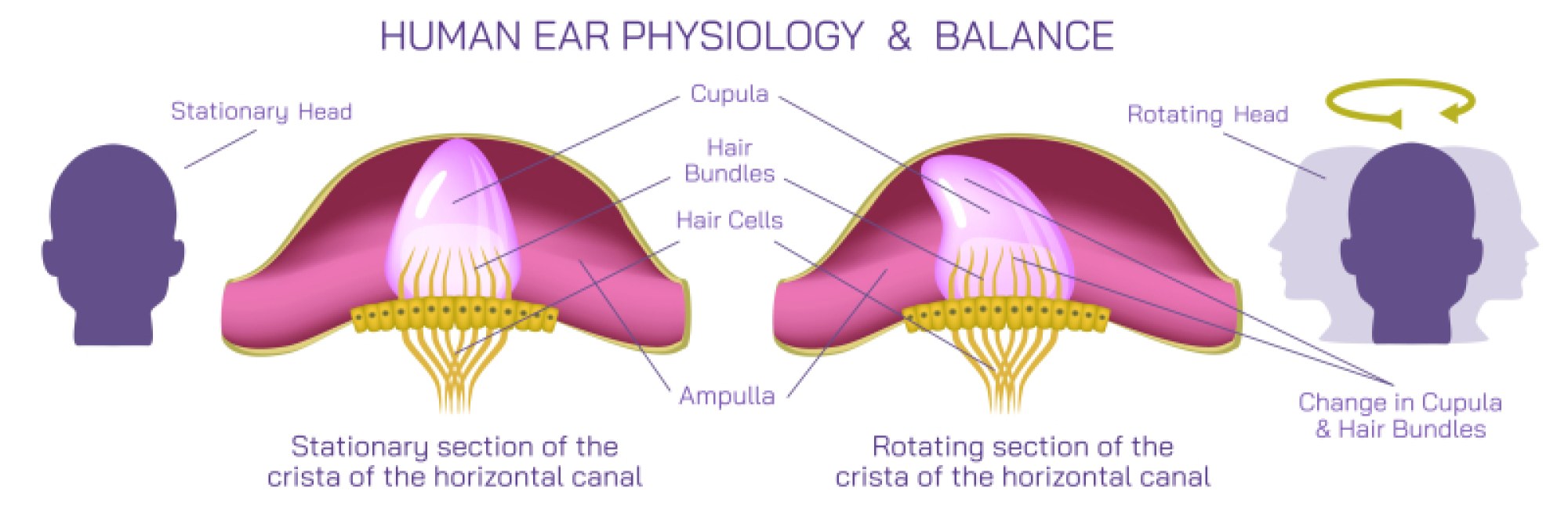
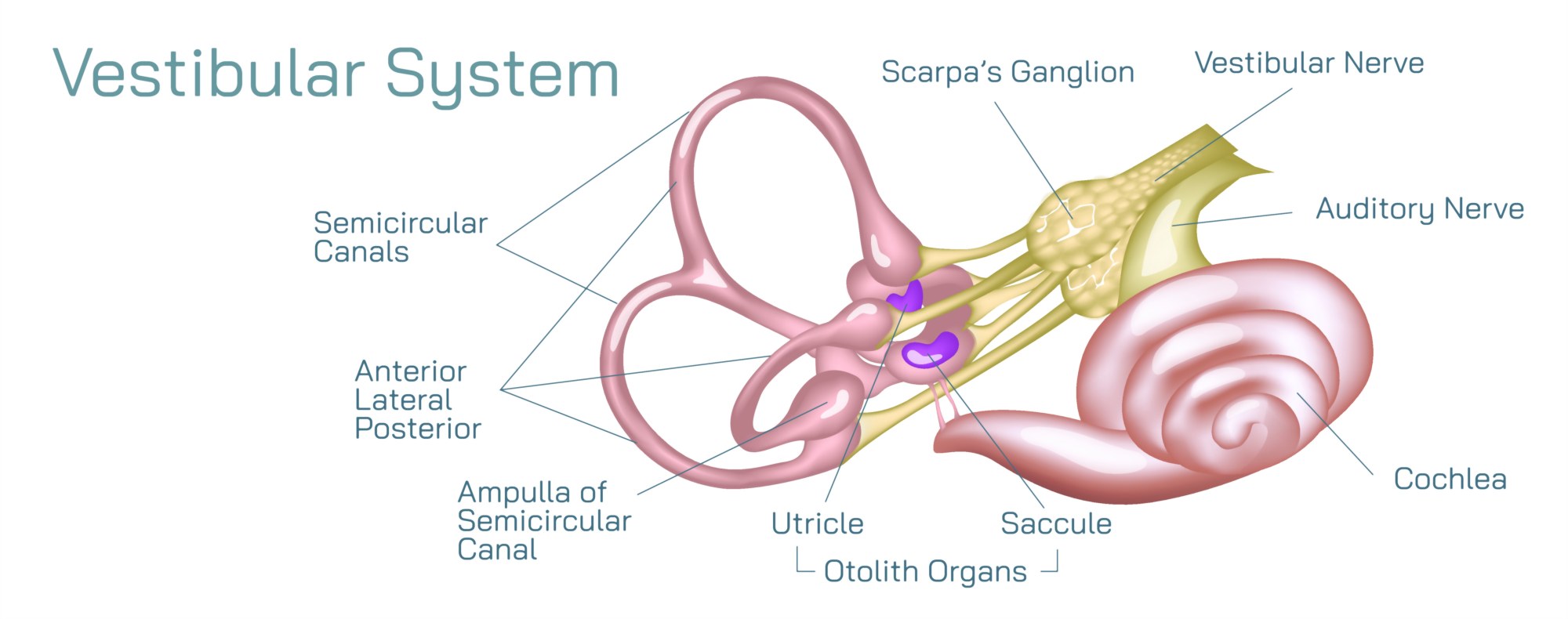
The system includes key structures such as the semicircular canals, utricle, and saccule, which are specialized to detect rotational and linear movements. These organs contain sensory hair cells that respond to head movements and changes in position. When movement occurs, the hair cells send signals via the vestibular nerve to the brain, providing real-time information about the body's orientation in space. This process allows humans to maintain balance while walking, running, or performing other daily activities.
Disruptions in the peripheral vestibular system can lead to dizziness, vertigo, imbalance, and spatial disorientation. Common conditions affecting this system include benign paroxysmal positional vertigo (BPPV), vestibular neuritis, labyrinthitis, and Ménière’s disease. Understanding how the peripheral vestibular system works helps healthcare professionals identify the causes of these disorders and develop effective treatments, including physical therapy, balance rehabilitation exercises, and medical interventions.
Visual illustrations of the peripheral vestibular system are highly effective for educational purposes. They can depict the semicircular canals, otolith organs, and vestibular nerve pathways in a clear, engaging manner, showing how movement is detected and transmitted to the brain. Such visuals assist students, medical trainees, and health educators in understanding the interconnected processes of balance, motion detection, and coordination.
The peripheral vestibular system is not only important for physical stability but also for overall quality of life. It plays a role in coordination of eye movements, orientation in space, and prevention of falls, especially in older adults. Educating people about the anatomy and function of this system, through clear illustrations and explanations, promotes awareness of balance health and preventive care.
In conclusion, the peripheral vestibular system is essential for maintaining human balance, detecting motion, and ensuring proper spatial orientation. Its components—the semicircular canals, utricle, saccule, and vestibular nerve—work together to transmit crucial information to the brain. Illustrations and educational diagrams enhance comprehension of this complex system, supporting learning, diagnosis, and health awareness. Understanding the peripheral vestibular system is foundational for anyone studying anatomy, physiology, neuroscience, or healthcare practices focused on balance and equilibrium.