Potassium – Essential Mineral for Body Functions and Health
Potassium is a vital mineral and electrolyte required for maintaining numerous physiological processes in the human body. It plays a critical role in muscle function, nerve signaling, heart health, and fluid balance, making it indispensable for overall well-being. Potassium is naturally present in a variety of foods, including fruits, vegetables, legumes, and dairy products, and its proper intake is essential for sustaining energy levels, metabolic processes, and organ function.
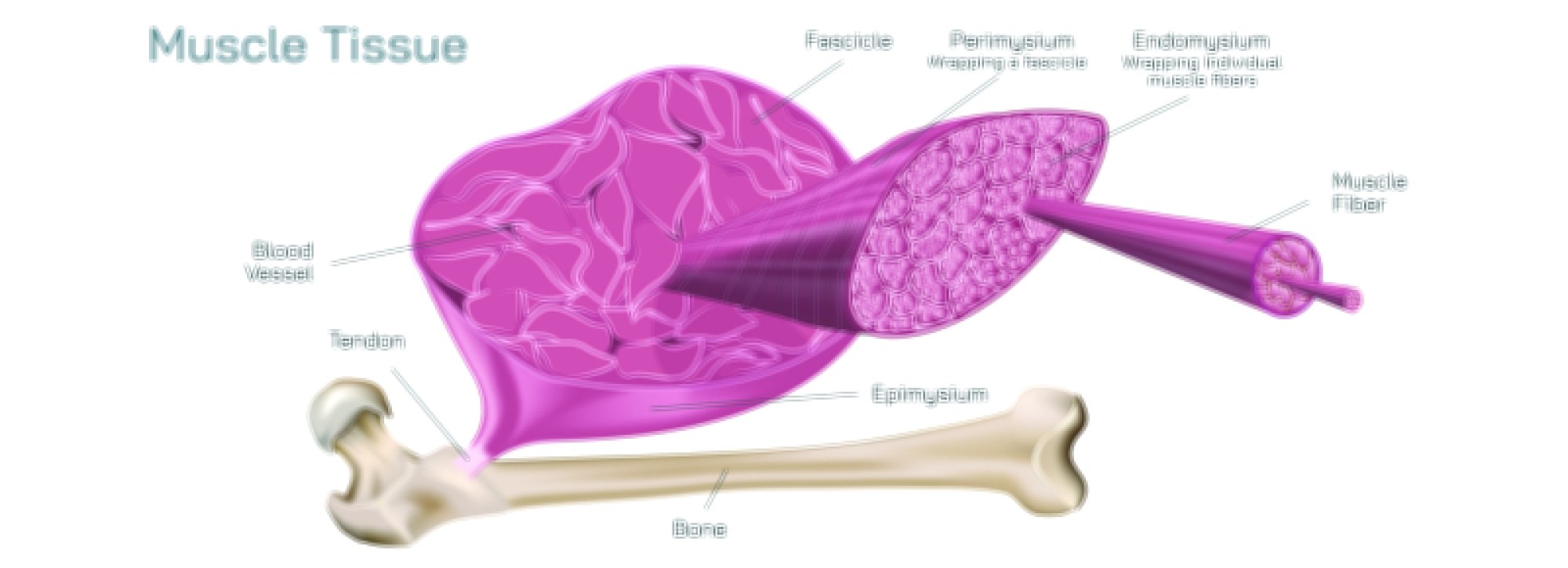
One of the key roles of potassium is in muscle contraction and relaxation, including the heart muscle. Adequate potassium levels help maintain normal heart rhythm, prevent muscle cramps, and support smooth functioning of skeletal muscles. It works in tandem with sodium to regulate cellular activity, fluid balance, and blood pressure, which is crucial for cardiovascular health and overall homeostasis.
Nerve signaling is another vital function supported by potassium. It helps transmit electrical impulses between nerve cells and muscles, enabling movement, coordination, and reflex actions. Potassium facilitates the communication of signals in the nervous system, ensuring that organs and muscles respond appropriately to stimuli. This makes it an essential component for both physical and neurological health.
Visual illustrations of potassium often depict its sources, role in electrolyte balance, and involvement in muscle and nerve function. Such diagrams and vector illustrations are useful for nutrition education, medical studies, and health awareness, helping learners understand how potassium contributes to daily bodily functions. Educational materials may show potassium-rich foods, its pathway in the body, and the effects of deficiency or excess intake.
Deficiency of potassium, known as hypokalemia, can lead to fatigue, muscle weakness, irregular heartbeats, and digestive issues. On the other hand, excessive potassium levels, or hyperkalemia, may affect heart rhythm and require medical attention. Understanding potassium’s role through educational visuals, infographics, and interactive diagrams enables students, health professionals, and the general public to recognize the importance of maintaining balanced potassium levels.
In addition to its biological functions, potassium is essential in metabolic processes, energy production, and cellular health. It supports enzyme activation, nutrient transport, and acid-base balance, highlighting its importance beyond muscles and nerves. Proper potassium intake contributes to overall vitality, well-being, and the prevention of chronic health issues.
In conclusion, potassium is a crucial mineral and electrolyte that supports muscle activity, nerve function, heart health, and fluid balance. Visual and educational illustrations of potassium, its dietary sources, and bodily functions enhance understanding of this essential nutrient. Maintaining optimal potassium levels is vital for health, energy, and proper functioning of multiple organ systems, making it a cornerstone of nutrition and medical education.