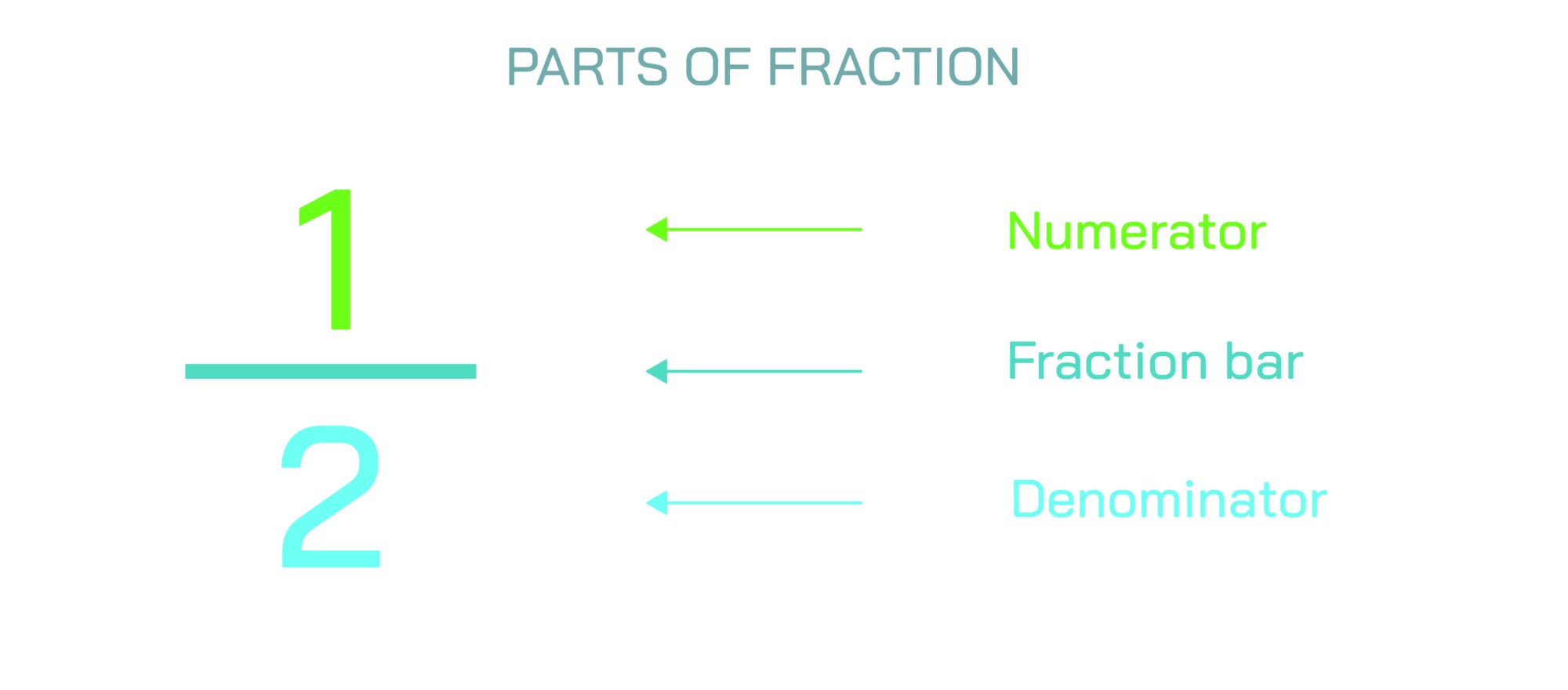
Parts of Fraction – Understanding Numerator, Denominator, and Fraction Components
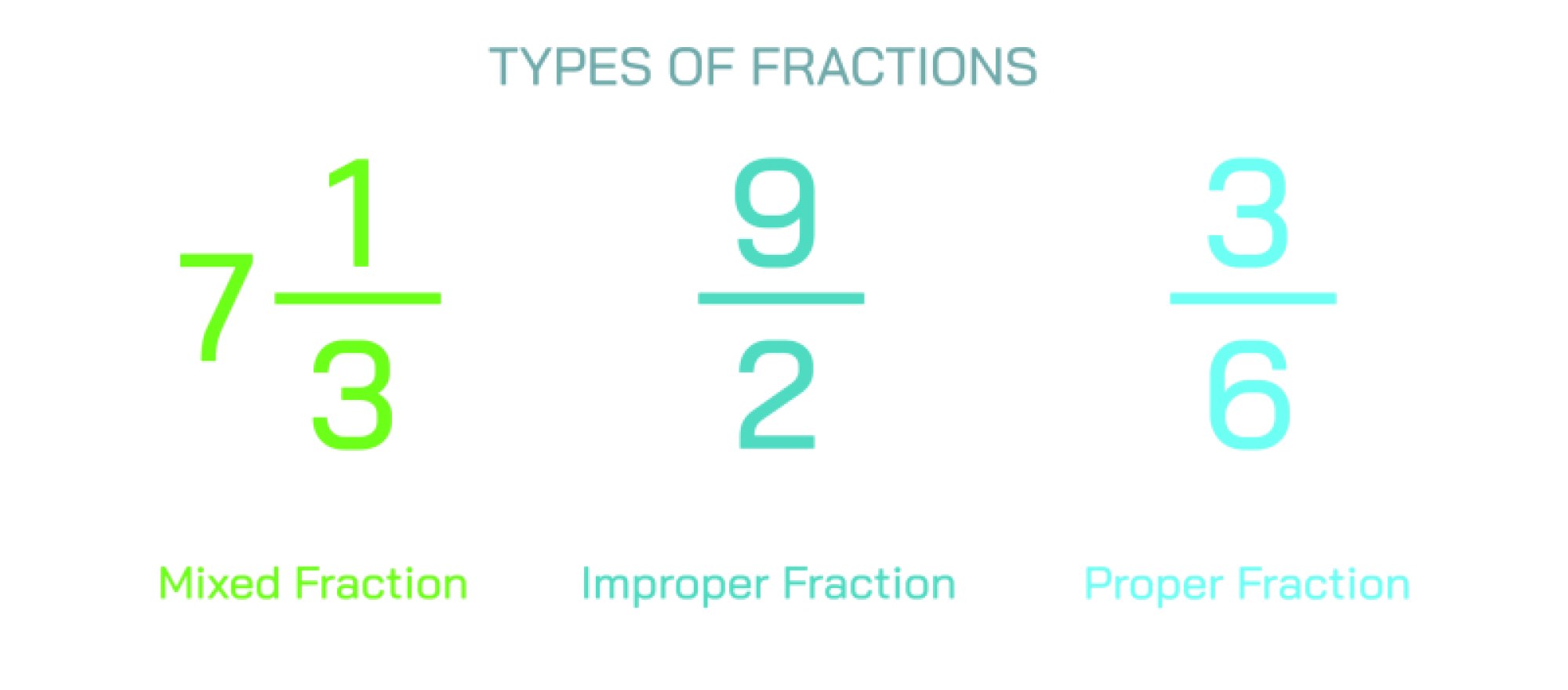
Fractions are a fundamental concept in mathematics that represent a part of a whole. Understanding the parts of a fraction is essential for building strong mathematical foundations, particularly for young learners. A fraction consists of two main components: the numerator and the denominator. These two parts work together to express how a whole is divided into equal parts, allowing students to understand proportions, ratios, and division in a visual and practical way.
The numerator is the top part of a fraction and indicates the number of equal parts being considered. For example, in a fraction, the numerator tells us how many parts of the whole are being counted. The denominator, on the other hand, is the bottom part of the fraction and shows the total number of equal parts into which the whole is divided. Together, these two parts give a complete representation of a portion of a whole, helping learners visualize and understand fractional quantities.
Visual illustrations of fractions are highly effective for teaching. For example, using shaded shapes, bars, circles, or objects to represent fractions helps students see how the numerator and denominator relate to each other. This approach transforms an abstract concept into something tangible, allowing children to grasp the meaning of fractions more easily. Interactive illustrations, such as fraction charts or visual vectors, also enhance comprehension by enabling learners to compare fractions, understand equivalencies, and identify relationships between parts and wholes.
Understanding the parts of a fraction is foundational for more advanced topics such as adding, subtracting, multiplying, and dividing fractions. It also plays a key role in understanding percentages, ratios, and proportions. By reinforcing the concept of numerator and denominator, educators can help students develop problem-solving skills and logical reasoning that extend beyond basic arithmetic.
Fractions are not only relevant in mathematics classrooms but also in everyday life. From dividing food portions and measuring ingredients to understanding time and financial calculations, fractions are used in practical scenarios regularly. Learning the parts of a fraction with visual aids, diagrams, and interactive tools prepares learners to apply this knowledge effectively in real-world contexts.
In conclusion, understanding the parts of a fraction—the numerator and denominator—is crucial for building a strong foundation in mathematics. Educational illustrations and visual representations make these concepts accessible, engaging, and memorable for students. By grasping how fractions are divided and represented, learners develop essential skills that are applied throughout mathematics and daily life, ensuring both academic success and practical understanding.