Understanding Hemispheres – Earth's Divisions and Global Significance
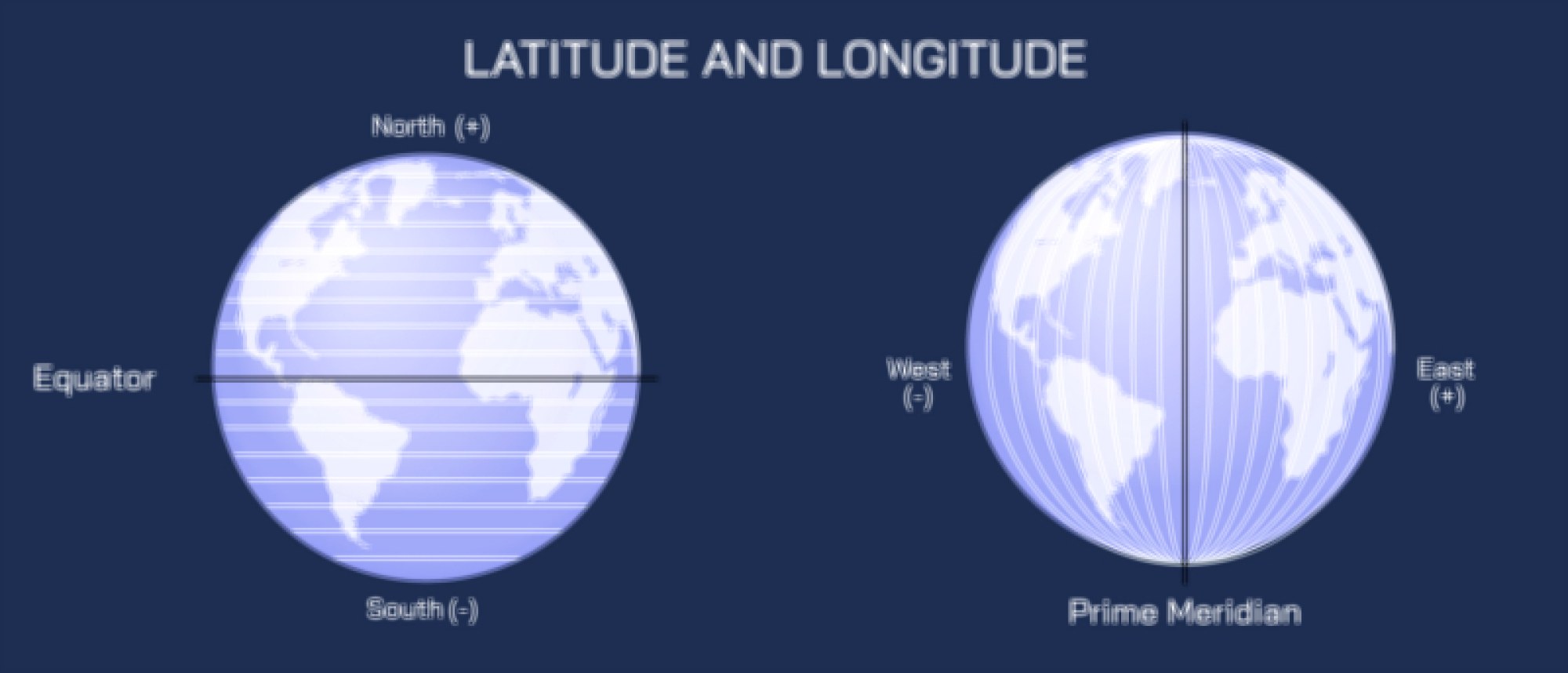
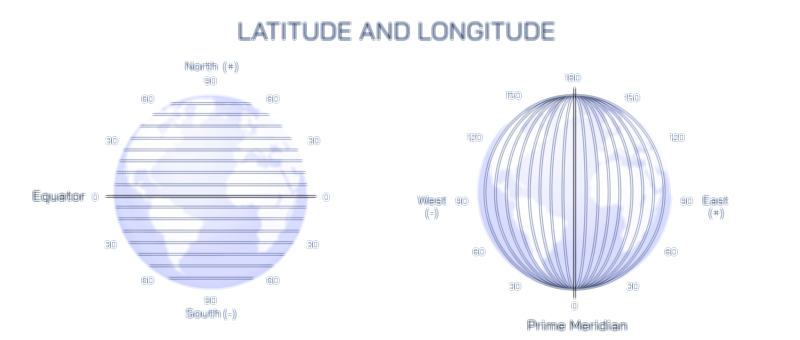
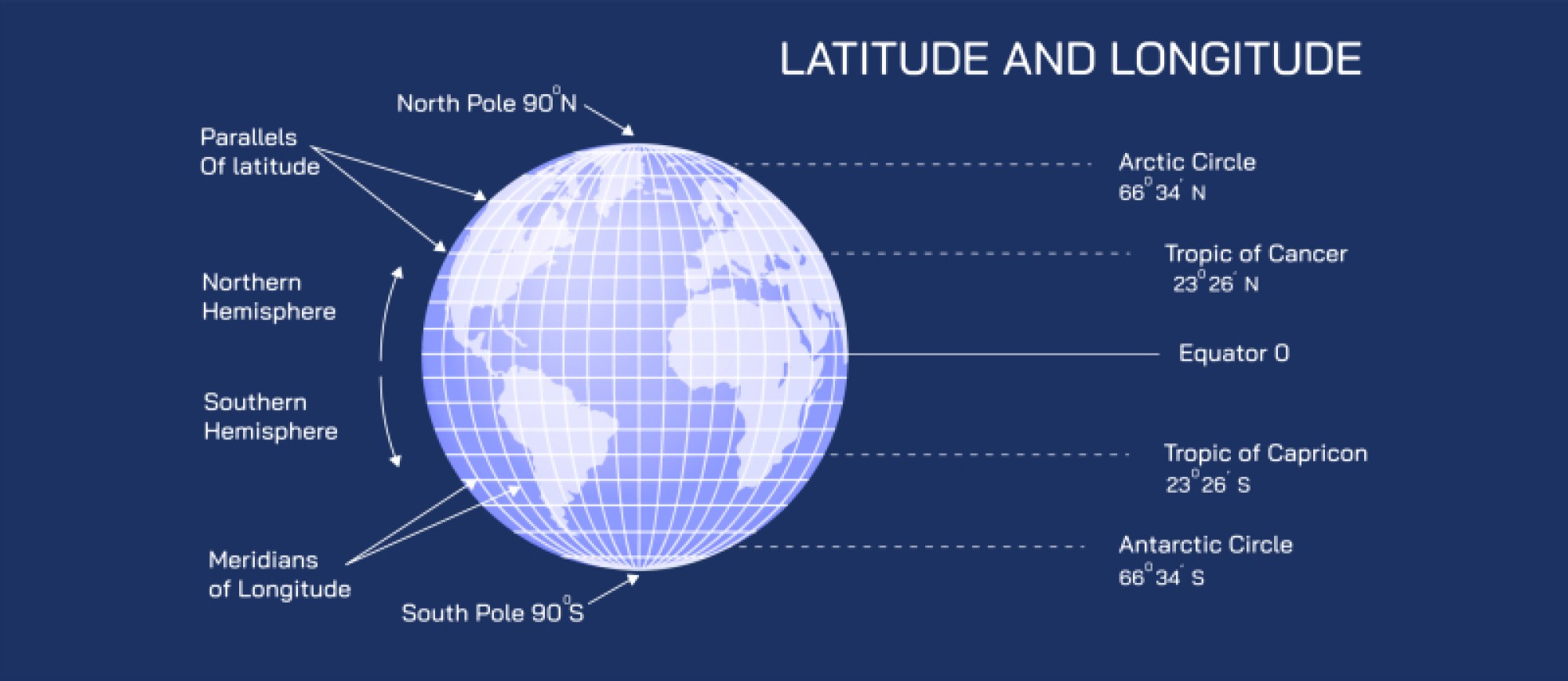
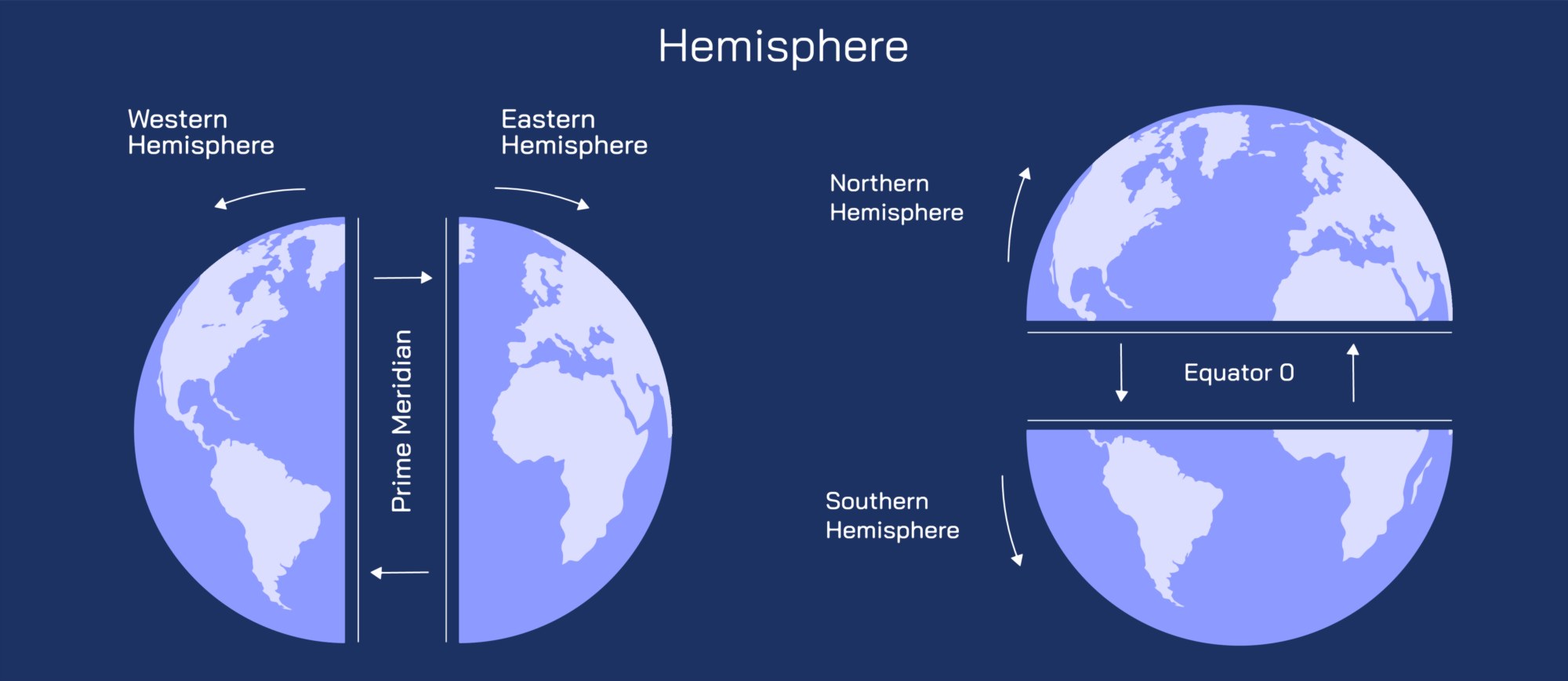
A hemisphere is a term used in geography to describe half of a sphere, particularly when dividing the Earth into northern and southern or eastern and western sections. The concept of hemispheres helps in understanding global geography, climate patterns, seasonal differences, cultural regions, and navigation. The most common division of Earth uses the equator as a reference line: the Northern Hemisphere lies above the equator, while the Southern Hemisphere lies below. Another division uses the prime meridian and the 180th meridian to separate the Eastern Hemisphere from the Western Hemisphere. These divisions are critical in the study of Earth sciences, climatology, and geography education.
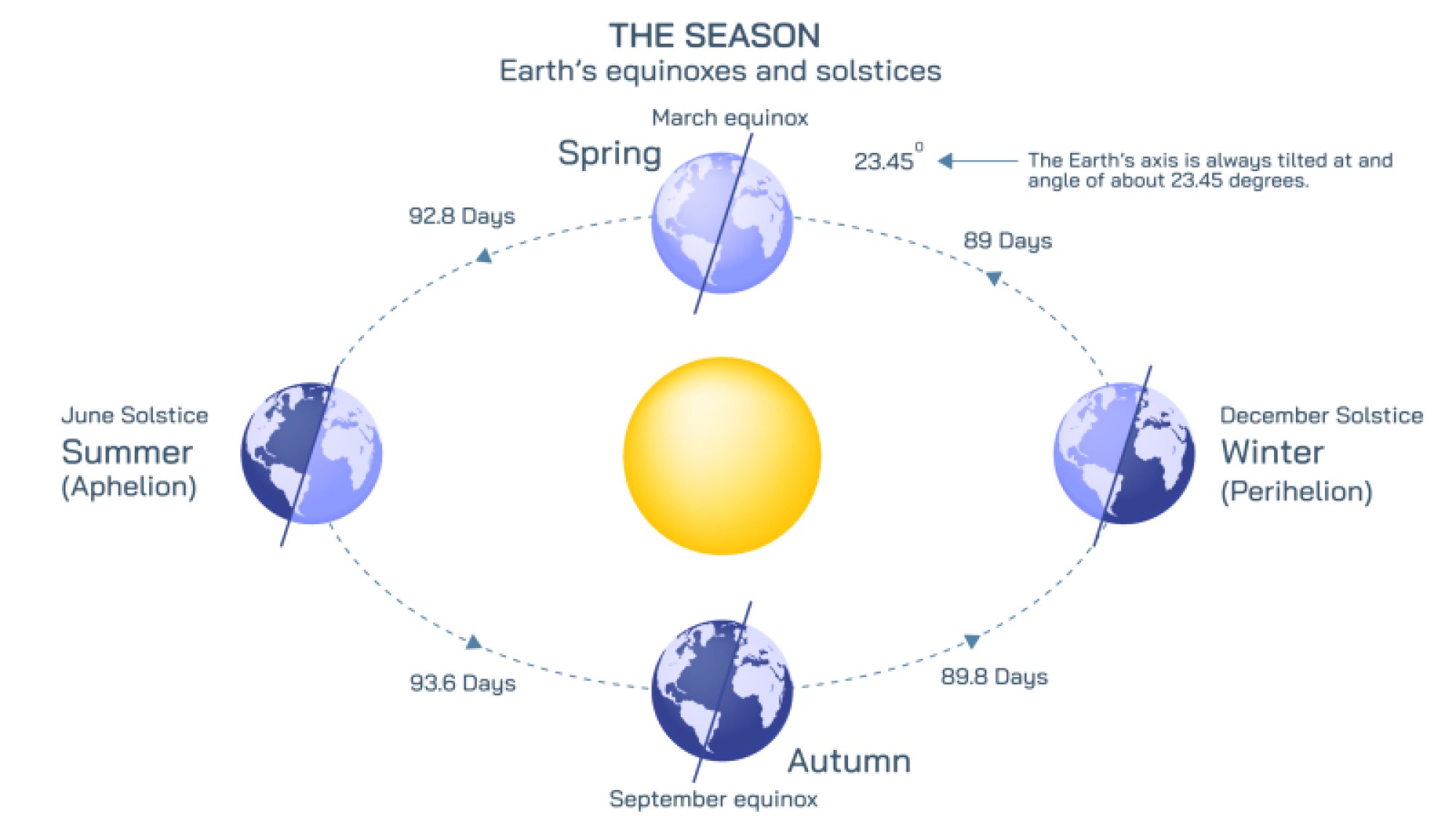
The Northern Hemisphere encompasses continents and regions including most of North America, Europe, the northern part of Africa, and a majority of Asia. It experiences seasons opposite to those of the Southern Hemisphere, meaning that summer in the north corresponds with winter in the south. It is home to the majority of Earth’s human population, as well as diverse ecosystems ranging from arctic tundra to temperate forests. The Southern Hemisphere, including Australia, most of South America, southern Africa, and Antarctica, has distinct seasonal and climatic patterns. For example, the southern hemisphere experiences milder summers and winters compared to equivalent latitudes in the north, due to the larger proportion of oceanic surfaces, which moderate temperature extremes.
The Eastern Hemisphere, primarily consisting of Europe, Asia, Africa, and Australia, holds a rich diversity of cultures, languages, and historical significance. The Western Hemisphere, including the Americas, is geographically and culturally distinct, with its own unique ecosystems, time zones, and climatic patterns. Understanding these hemispheric divisions is crucial for navigation, international communication, global climate studies, and mapping. Hemispheres also influence phenomena such as the Coriolis effect, which impacts ocean currents and wind directions differently in each hemisphere.
The concept of hemispheres can also extend beyond Earth. Astronomers use hemispheric divisions to study celestial spheres, mapping stars, planets, and other objects relative to imaginary planes. Similarly, ecological and climatological studies often reference hemispheric differences to explain patterns of biodiversity, rainfall, and temperature distribution across the globe.
In practical applications, hemispheres aid in cartography, navigation, and climate science. Maps and globes often label hemispheres for clarity, helping students, researchers, and travelers understand Earth's geography and seasonal changes. By dividing the planet into halves, we can simplify global observation and analysis, making it easier to study Earth's physical, cultural, and environmental systems systematically.
In conclusion, a hemisphere is more than just a half of the Earth; it is a vital concept for understanding global geography, climate, culture, and scientific observation. Whether studying the Northern, Southern, Eastern, or Western Hemisphere, this framework helps explain seasonal cycles, ecological patterns, and the spatial distribution of human societies. Hemispheres provide a structured approach to observing, navigating, and interpreting our planet, bridging scientific knowledge with practical, educational, and cultural applications.