Meiosis — Stages, Process, and Role in Sexual Reproduction
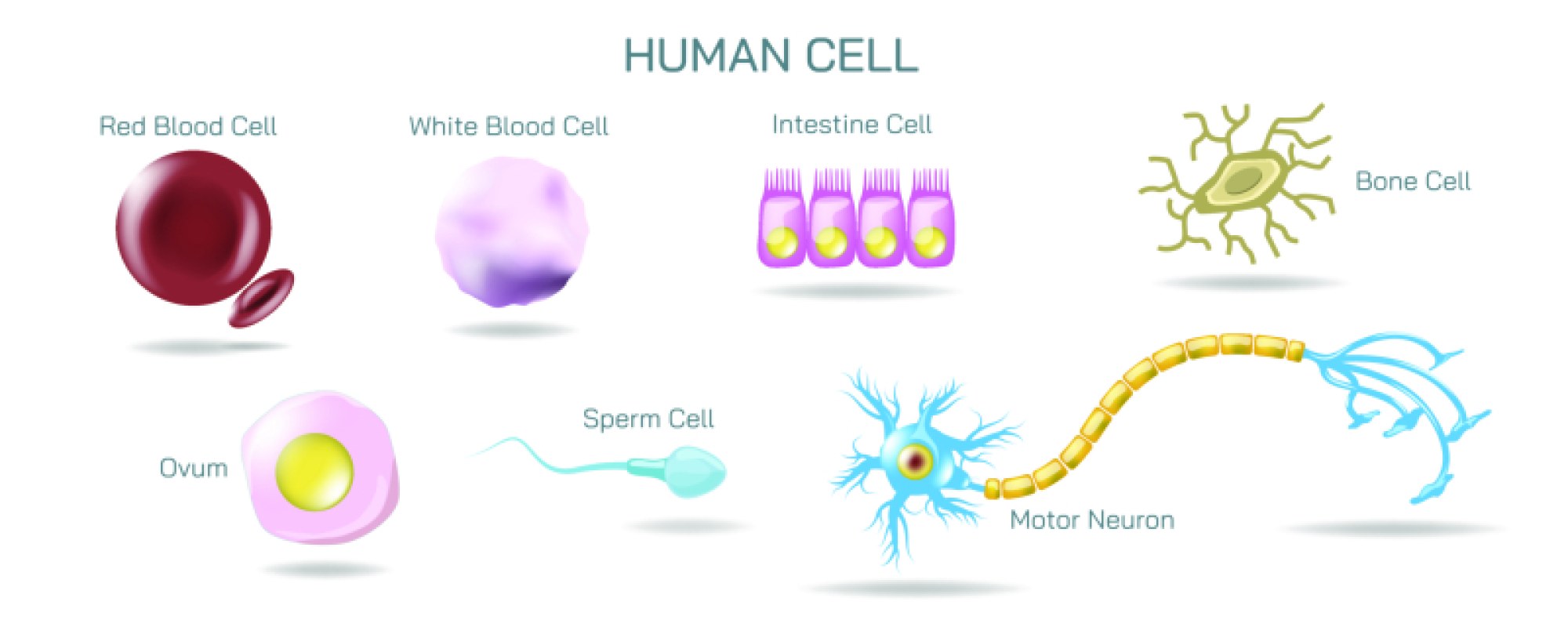
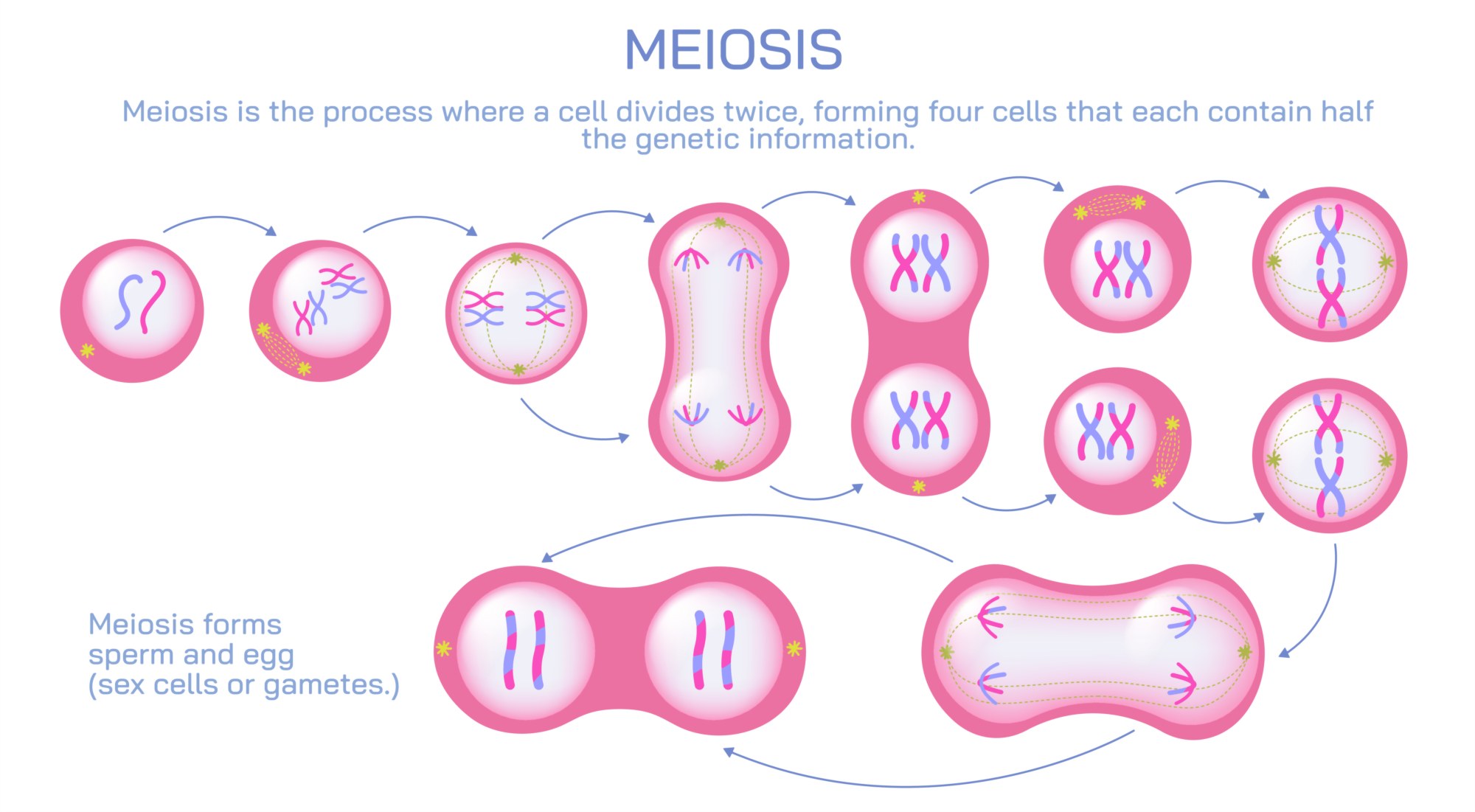
Meiosis is a specialized type of cell division that produces gametes — sperm and egg cells — with half the chromosome number of the parent cell. This process is essential for sexual reproduction and ensures genetic variation in offspring. Unlike mitosis, which produces identical daughter cells, meiosis involves two sequential divisions, resulting in four genetically distinct haploid cells from a single diploid parent cell. Understanding meiosis is fundamental in genetics, biology, and reproductive science.
Meiosis consists of two main stages: meiosis I and meiosis II. In meiosis I, homologous chromosomes pair up and undergo crossing over during prophase I, exchanging genetic material to increase diversity. During metaphase I, homologous chromosomes align at the cell equator, and in anaphase I, they are separated and pulled to opposite poles. Telophase I concludes the first division, producing two haploid cells with duplicated chromosomes. Meiosis II resembles mitosis, where sister chromatids separate. During prophase II, chromosomes condense, metaphase II aligns them at the equator, anaphase II separates chromatids, and telophase II produces four haploid gametes, each genetically unique.
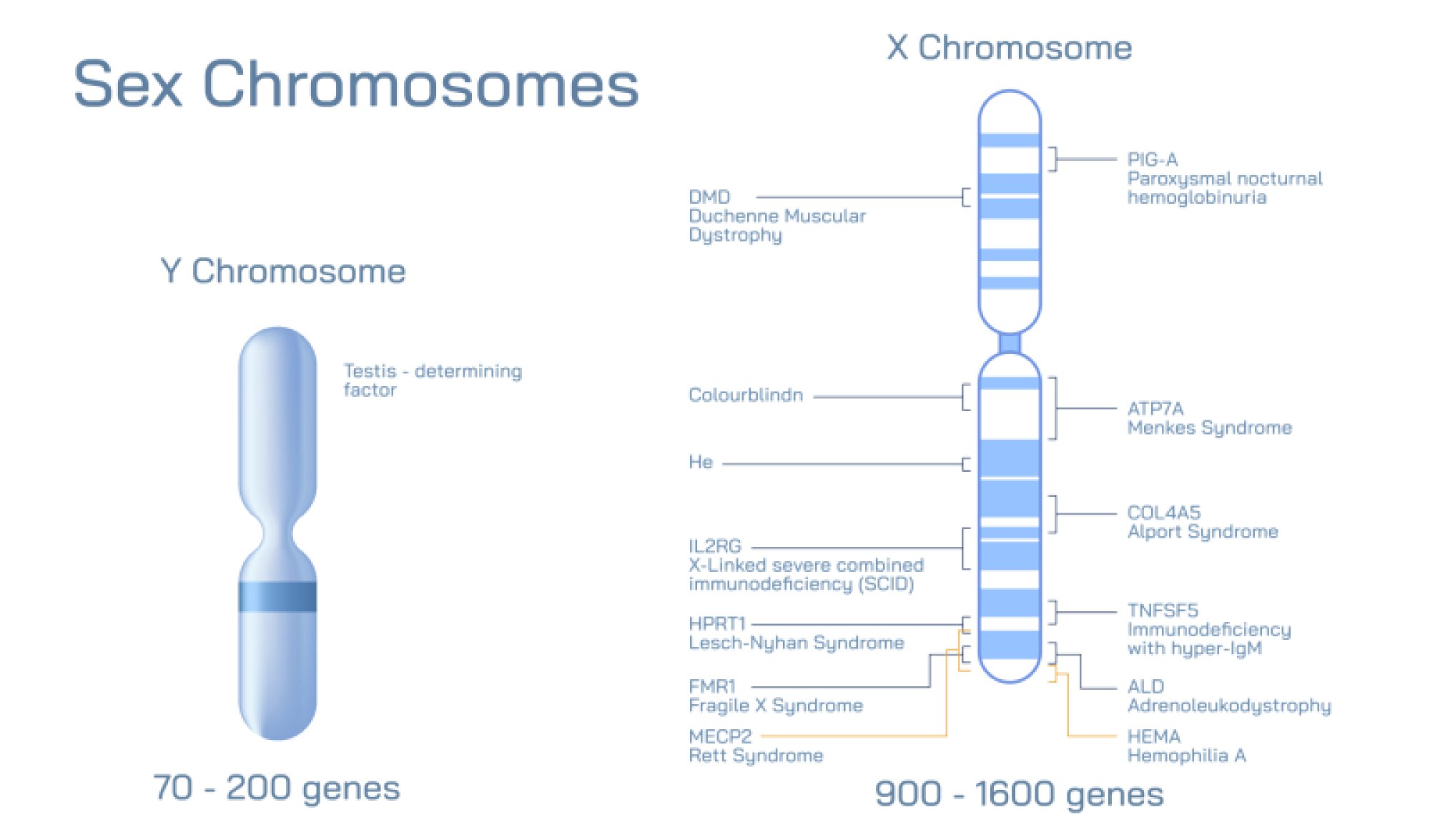
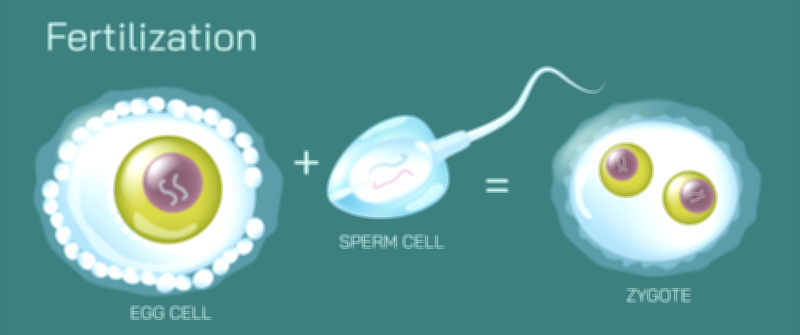
Genetic variation arises through independent assortment of chromosomes and crossing over, both occurring during meiosis I. This variation is vital for evolution and adaptation, providing populations with a diverse genetic pool. Meiosis also maintains chromosome number across generations; by halving the chromosome count in gametes, it ensures that fertilization restores the diploid state. Errors in meiosis can lead to chromosomal disorders such as Down syndrome, Turner syndrome, or Klinefelter syndrome, highlighting the importance of accurate division.
In addition to reproduction, meiosis is key in plant breeding, animal genetics, and conservation biology. By understanding meiosis, scientists can manipulate genetic traits, study inheritance patterns, and address fertility issues. Observing meiosis through microscopy allows students and researchers to visualize chromosome behavior, providing insights into cellular processes and genetic principles.
In conclusion, meiosis is a crucial cell division process that produces haploid gametes, ensures genetic variation, and maintains chromosome number in sexual reproduction. Its two-step division — meiosis I and II — involves pairing, recombination, and segregation of chromosomes, resulting in four genetically unique cells. Understanding meiosis is essential in genetics, biology, reproductive science, and evolution, providing the foundation for studying inheritance, diversity, and cellular processes in living organisms.