Comprehensive Overview of Earthquakes, Fault Line Mechanics, and Plate Interactions
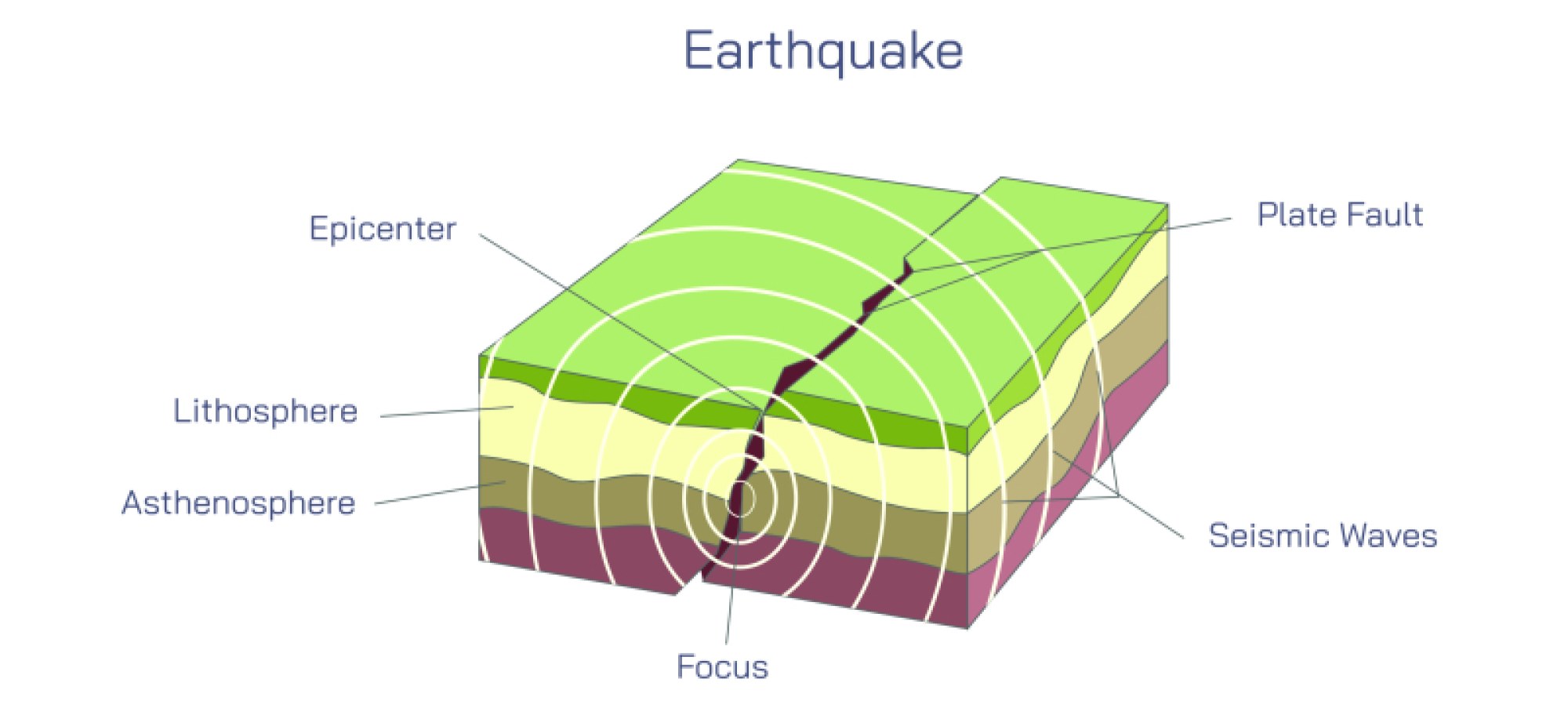
Earthquakes originate from powerful shifts within the outer solid layer of the planet, where large sections of the surface move against each other. These sections, known as plates, travel slowly across deeper layers. Their motion creates regions where edges meet, slide, collide, or pull apart. Along these edges, strain builds as each plate resists movement. Over time, the tension reaches a point where the locked sections suddenly slip, releasing stored energy that travels through the ground as shaking.
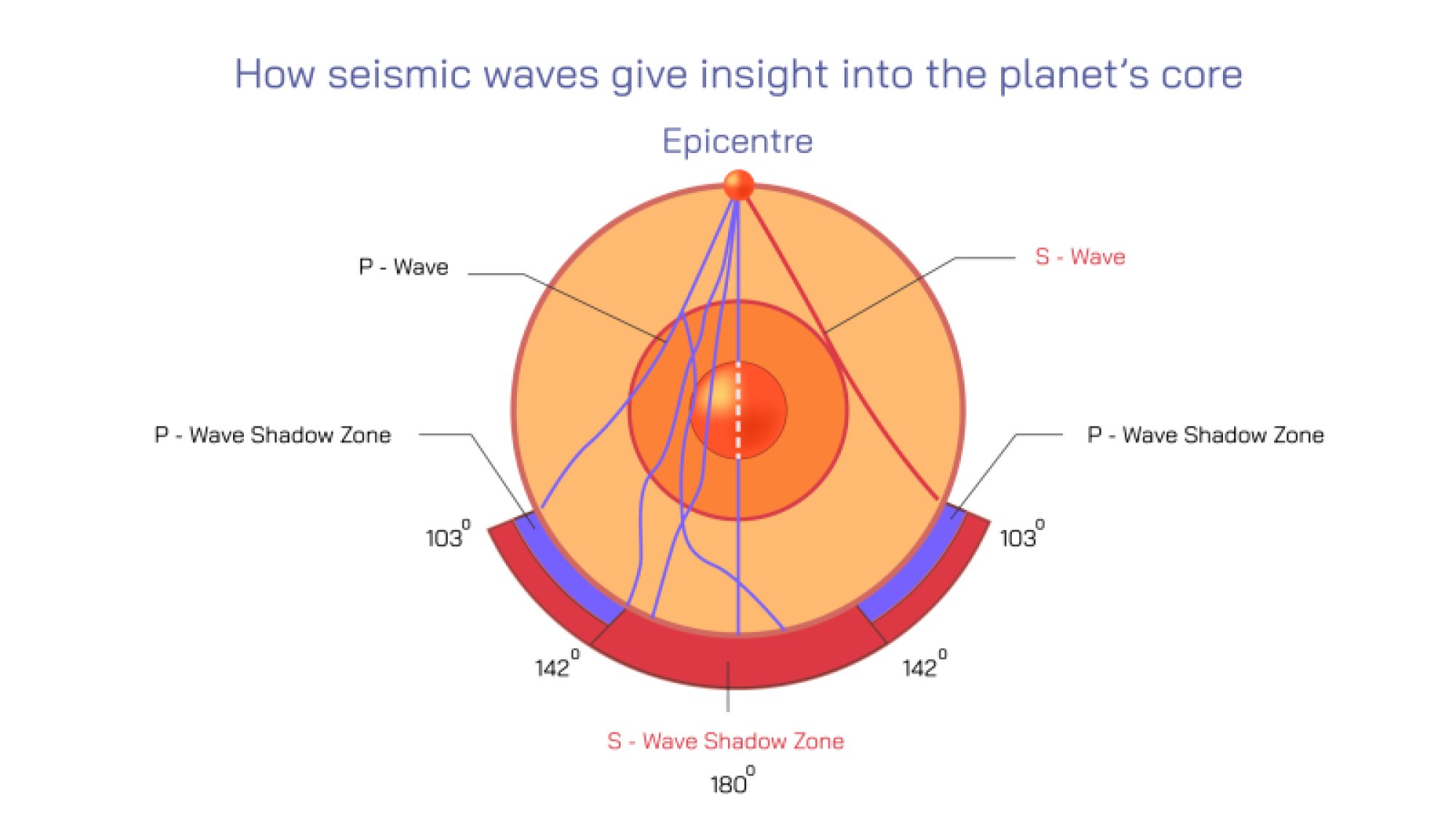
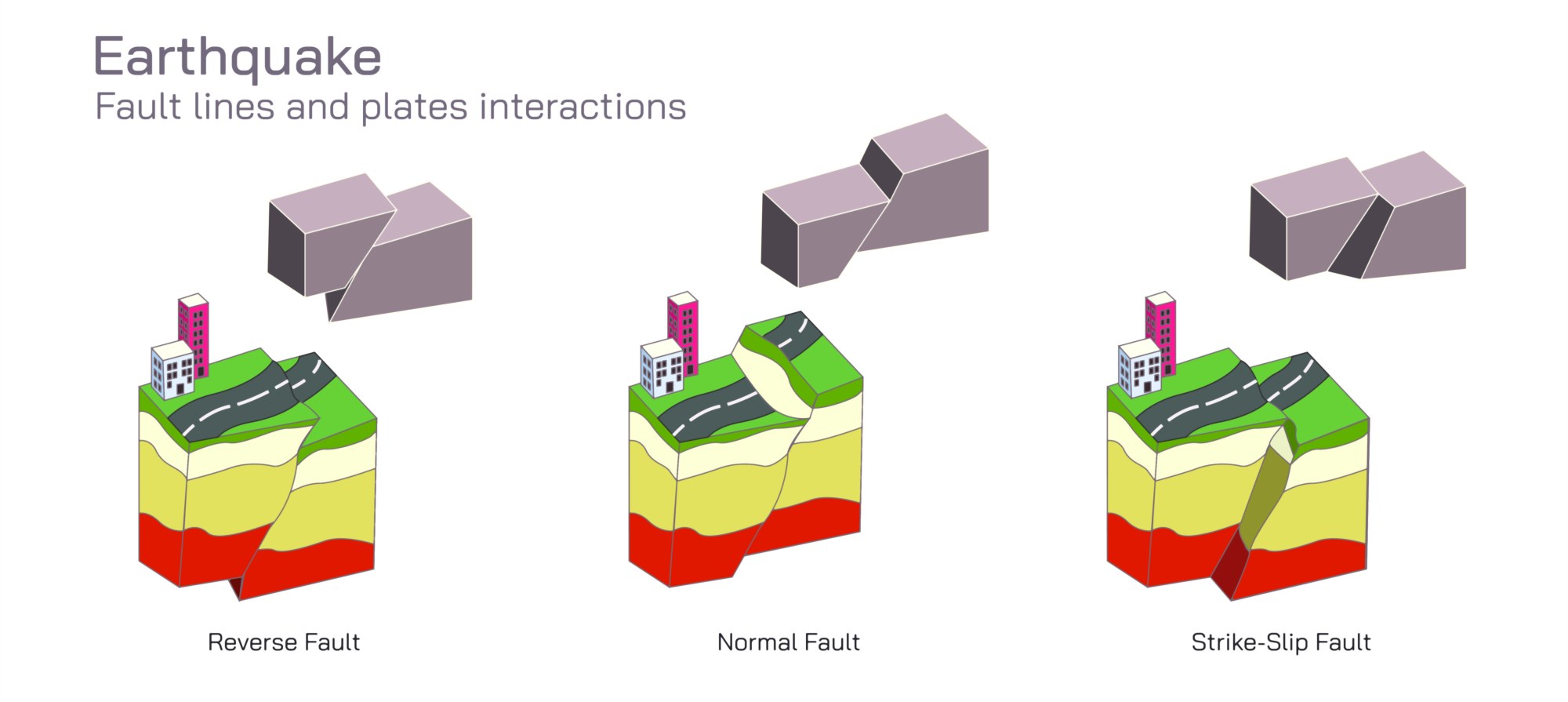
Fault lines form the natural boundaries where this slip occurs. They act as break zones in the outer layer, allowing rock blocks to shift when pressure becomes too strong. Some faults push blocks upward, others drag them sideways, and some pull them apart. Each type shapes the surrounding terrain and influences the direction and strength of ground movement. The release of energy from these zones produces vibrations that spread across regions, creating patterns that scientists study to understand the internal structure of the planet.
Plate interactions shape the intensity and frequency of these events. When plates converge, the pressing force can create strong quakes, especially where one section slides below another. Diverging plates create new ground but also produce repeated movement along weak points. Sliding plates generate lateral stress that can trigger sudden shifts. Each interaction leaves a signature in the landscape, influencing mountain formation, sea-floor growth, valley structure, and long-term geological development.
Understanding these processes helps explain why some regions experience frequent shaking while others remain stable. It also reveals how the movement of deep structures shapes surface features, influences climate patterns over long timescales, and plays a key role in the evolution of continents. Studying these interactions strengthens comprehension of natural forces, improves awareness of global risk zones, and deepens appreciation of the dynamic nature of the planet.