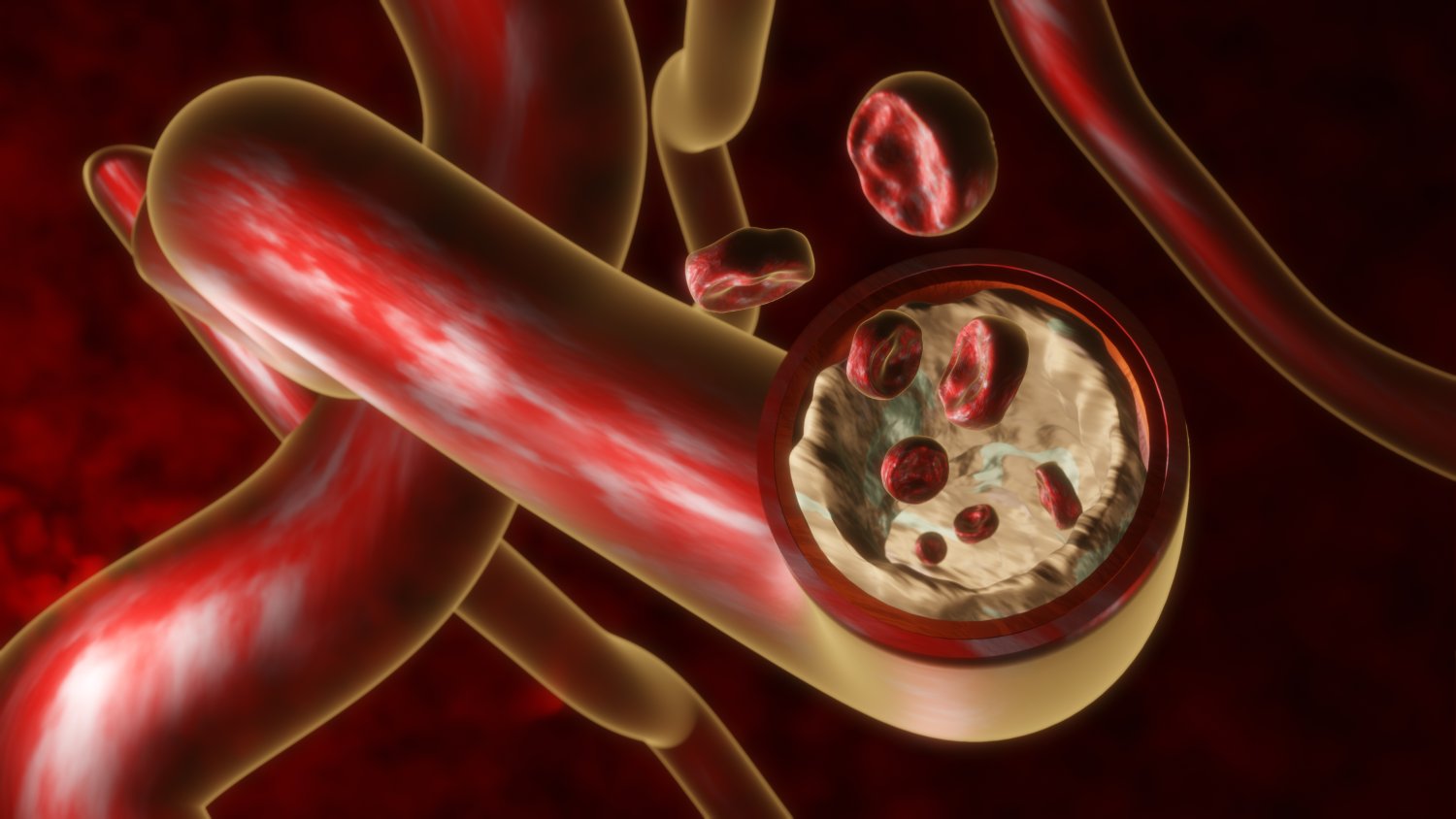
Detailed Overview of a 3D Rendered Depiction of Cholesterol Accumulation Inside Human Blood Vessels
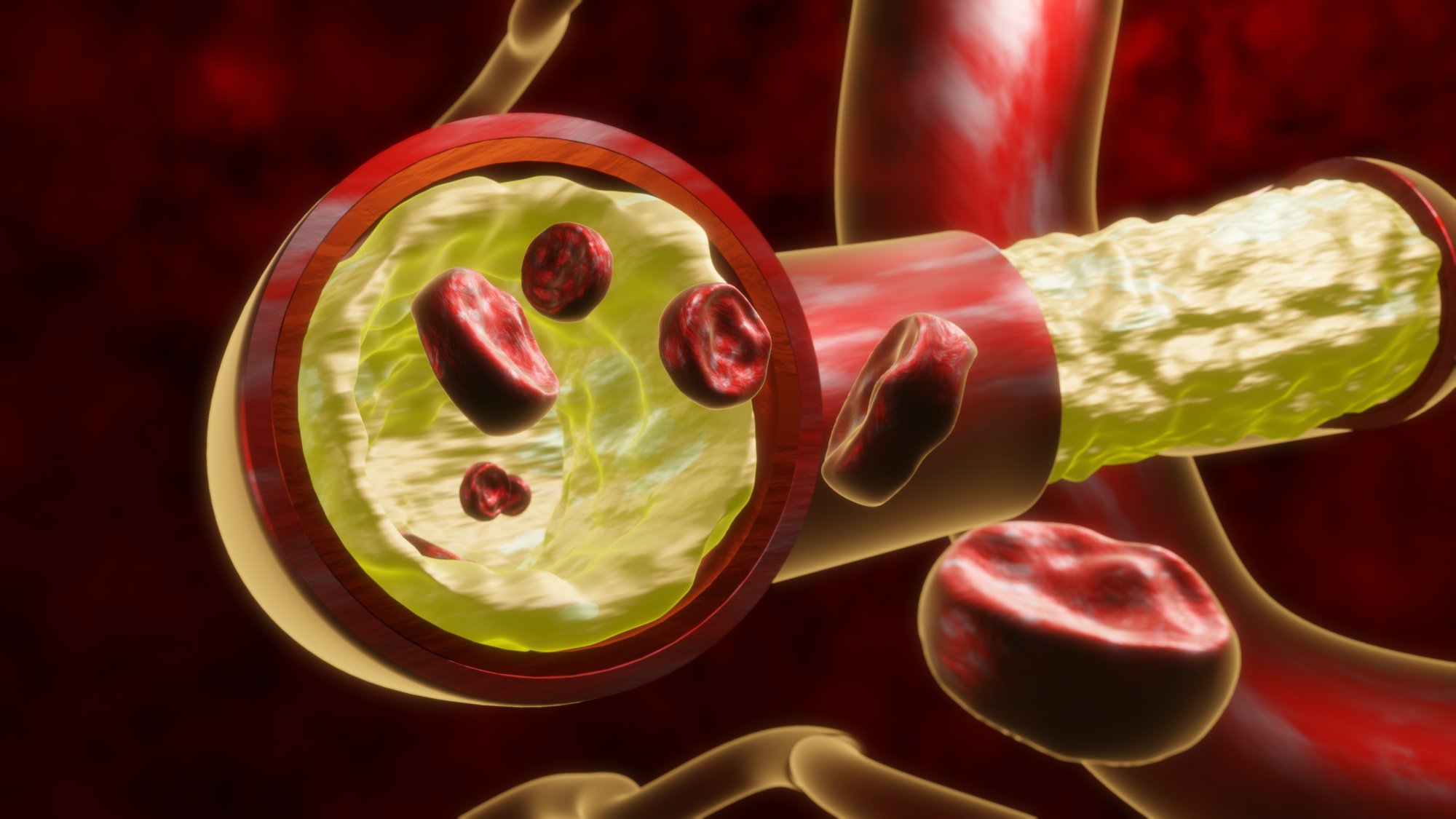
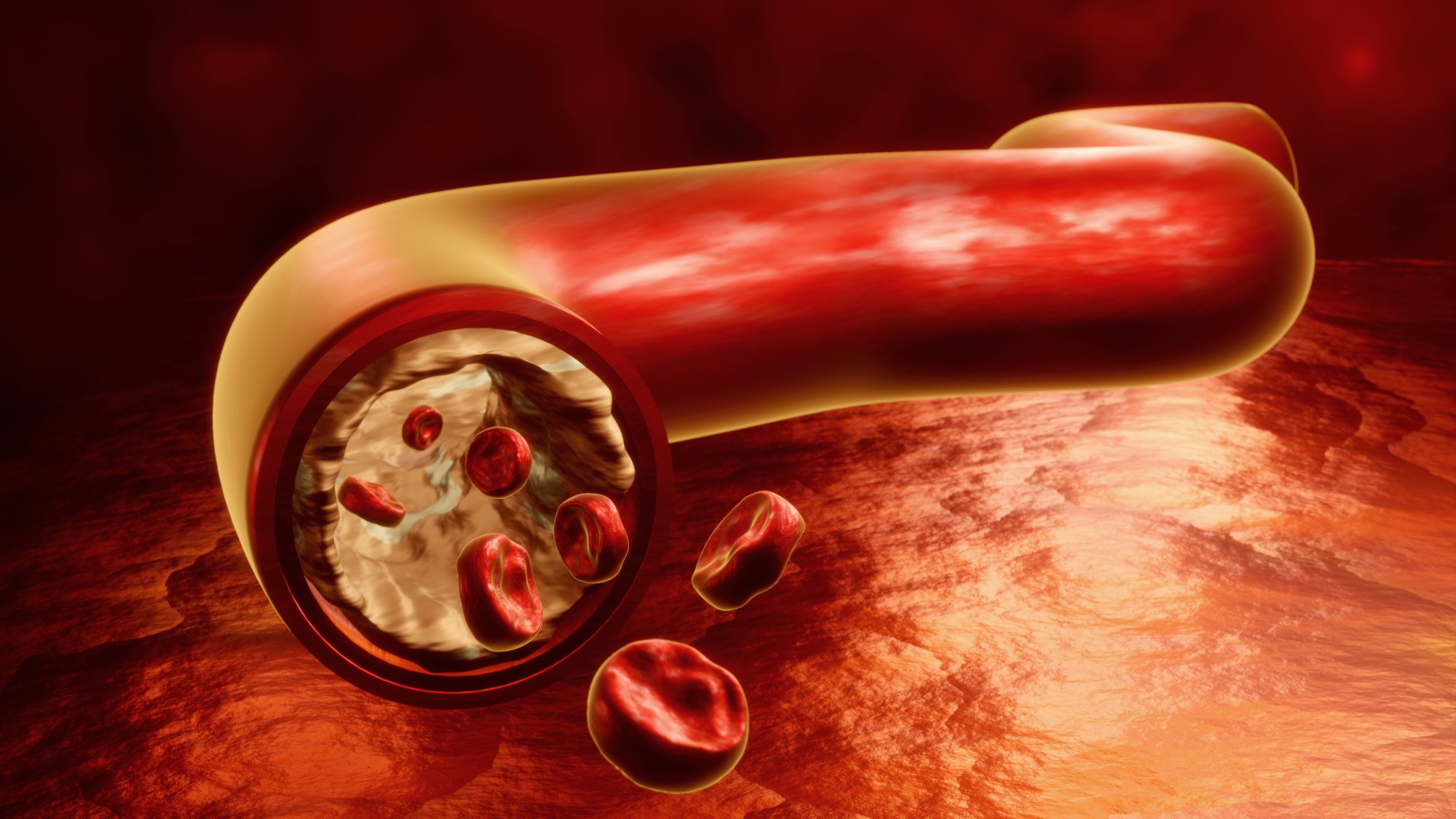
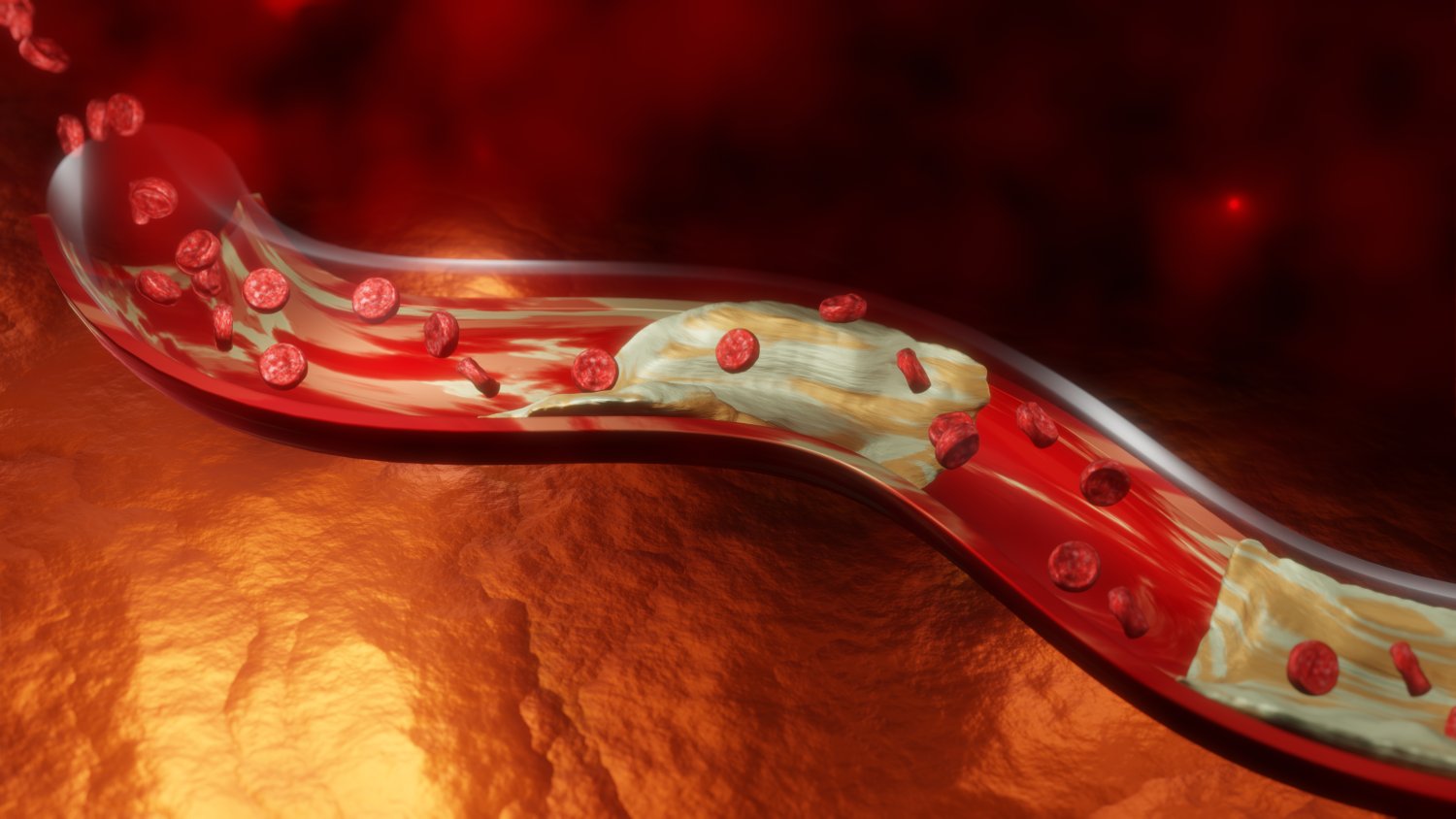
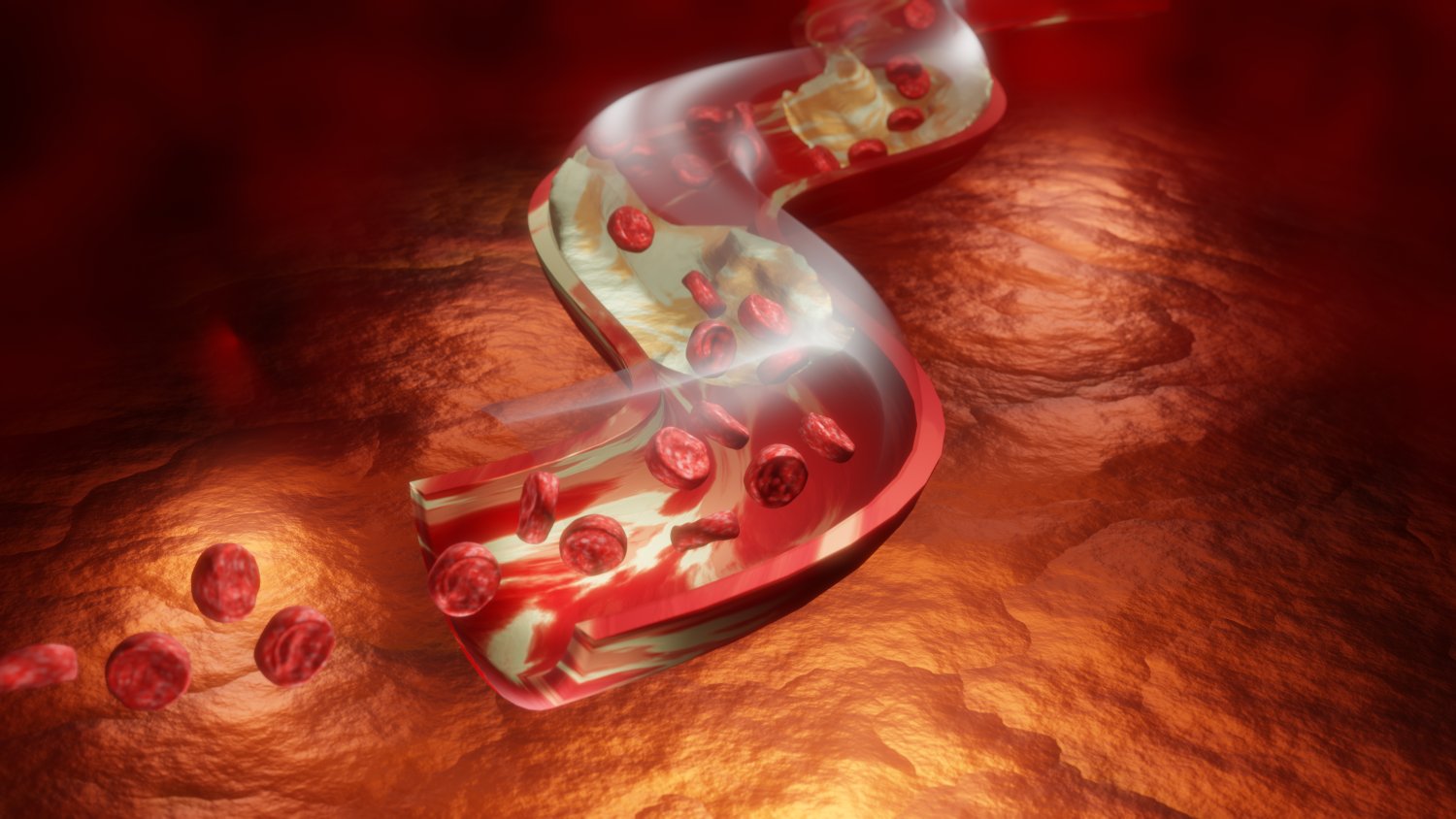
A 3D rendered depiction of cholesterol accumulation inside human blood vessels presents a vivid and realistic look at a process that typically unfolds quietly and without noticeable early signs. This visual environment makes it possible to observe the gradual transformation of the vessel’s interior landscape as deposits gather along the wall. Instead of relying on imagination, viewers are brought inside the vessel, where color, texture, depth, and shape work together to reveal how the structure changes over time. The three-dimensional perspective offers a level of clarity that traditional flat illustrations cannot match, making the internal progression far easier to understand.
Within the rendered scene, the healthy interior surface appears smooth and uniform, reflecting the ideal condition of a vessel that supports unrestricted movement. As the buildup begins, small patches form along the lining, creating subtle rises that break the smooth texture. These patches appear in various shapes and thicknesses, showing how accumulation rarely develops identically in all regions. The rendering uses light, shadow, and contour to emphasize the growing difference between the normal tissue and the raised formations. The viewer can observe how these raised areas gradually intrude into the interior, reducing the open pathway and altering the available space.
As the buildup expands, the vessel becomes an uneven environment with noticeable variations in surface height. Some segments show small clusters, while others develop thicker zones that extend farther into the channel. The 3D format brings attention to these transitions, showing how the structure becomes more complex and crowded. This detail helps illustrate why movement inside the vessel begins to slow. The narrowing effect is not simply a symbolic concept but a physical transformation that becomes clearly visible when examined from multiple angles. In this view, the viewer understands not just that the passage becomes smaller but how the shape of the remaining opening evolves.
This visual representation supports education by connecting an everyday health topic with its underlying physical features. Many learners hear discussions about vessel narrowing without forming an accurate mental picture of what occurs inside the body. A realistic 3D depiction provides that missing clarity by showing how the buildup slowly changes the environment over time. The gradual expansion of the deposits reinforces the idea that internal transformation is influenced by long-term patterns rather than sudden events. This perspective helps audiences understand the importance of wellness decisions, regular monitoring, and awareness of internal conditions.
For those in medical and anatomy training, the depiction serves as a valuable tool for explaining complex structural relationships. The model highlights how different textures, elevations, and surface changes influence movement inside the vessel. Students can observe the uneven distribution, recognize how the shape of the opening alters, and appreciate the physical nature of the progression. This deeper visual understanding allows discussions about symptoms, effects on bodily function, and potential concerns to become more meaningful. The clarity offered by the rendered scene strengthens learning, especially for topics involving internal structure.
Such a depiction also supports scientific communication. Researchers and educators can use the image to highlight specific features, show stages of development, or demonstrate the structural differences between earlier and later buildup. Because the rendering is detailed enough to enlarge without losing clarity, it is suitable for presentations, publications, and educational resources. Every curve, shape, and interior element communicates information that text alone cannot fully convey.
In summary, a 3D rendered depiction of cholesterol accumulation inside human blood vessels offers a clear and immersive view of an important biological process. By transforming a hidden internal change into a visible scene, it supports education, research, and communication across many fields. The depth, detail, and realism of the rendering provide a strong foundation for understanding how the buildup forms, changes, and affects the vessel’s interior landscape over time.