Plaque Formation in Arteries — How It Develops and Affects Heart Circulation
How Plaque Formation Begins Inside the Arteries
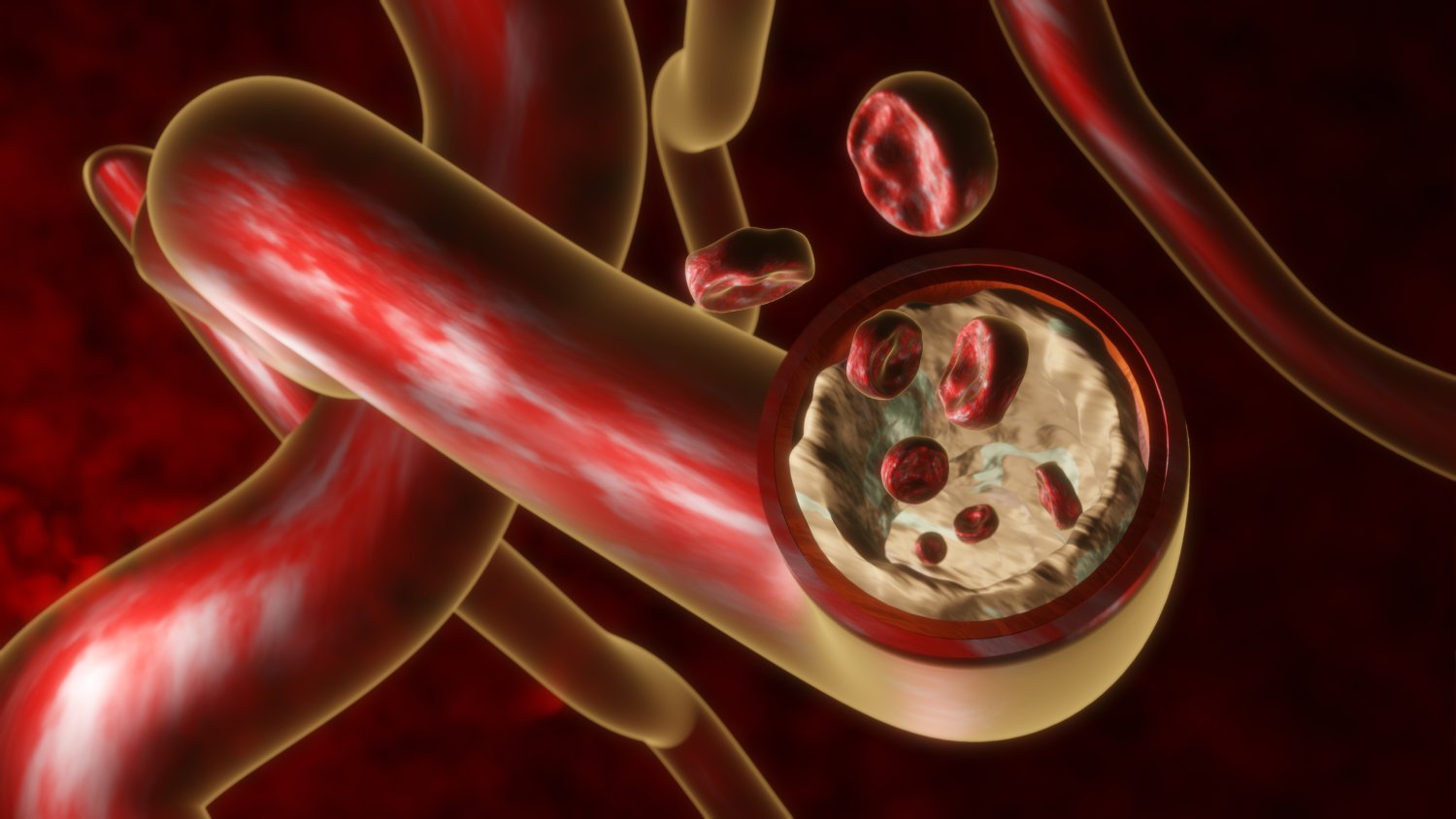
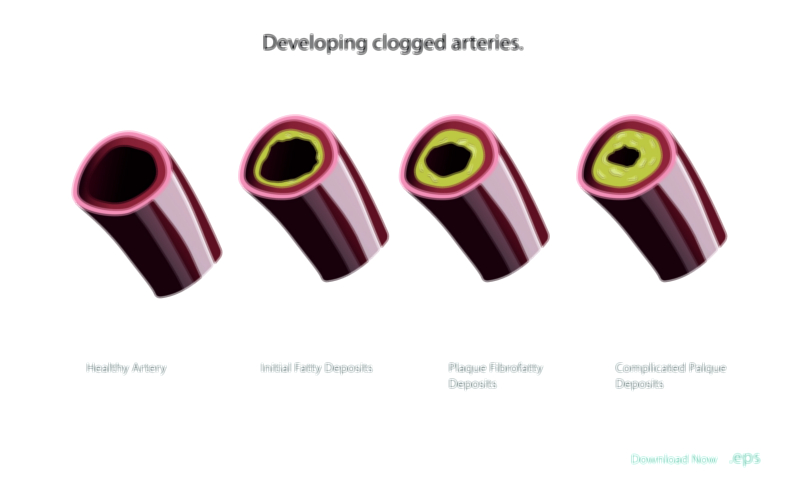
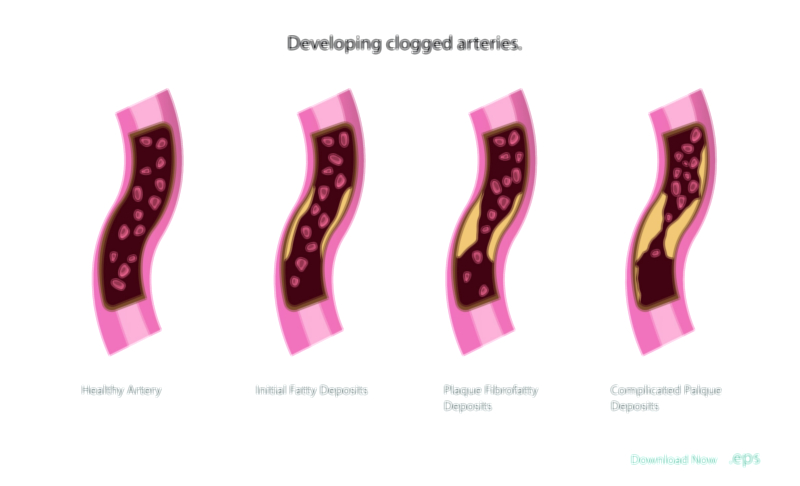
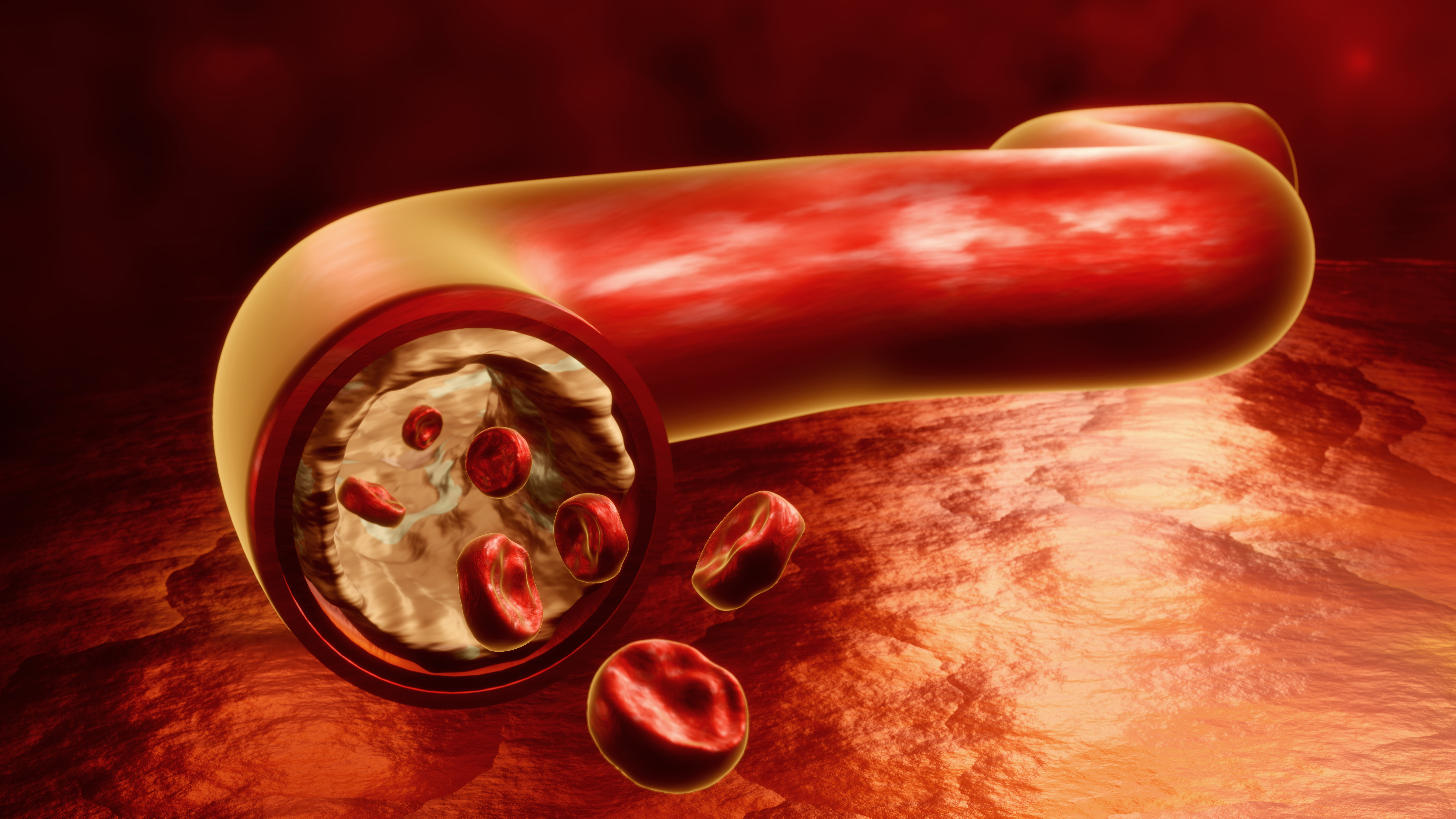
Plaque formation in arteries is a slow and progressive process that often begins long before any noticeable symptoms appear. Healthy arteries have smooth, flexible walls that allow blood to flow freely and deliver oxygen to all tissues. However, when the inner lining becomes irritated—due to high blood pressure, smoking, elevated stress, or excessive amounts of unhealthy fats in the bloodstream—it loses some of its protective smoothness. These tiny injuries create rough spots where circulating materials, especially fatty particles and inflammatory substances, begin to settle. The earliest stage of plaque formation often appears as faint streaks along the artery wall. Although soft and barely noticeable, these streaks represent the beginning of a long-term buildup that gradually interferes with heart circulation.
The Growth and Thickening of Arterial Plaque Over Time
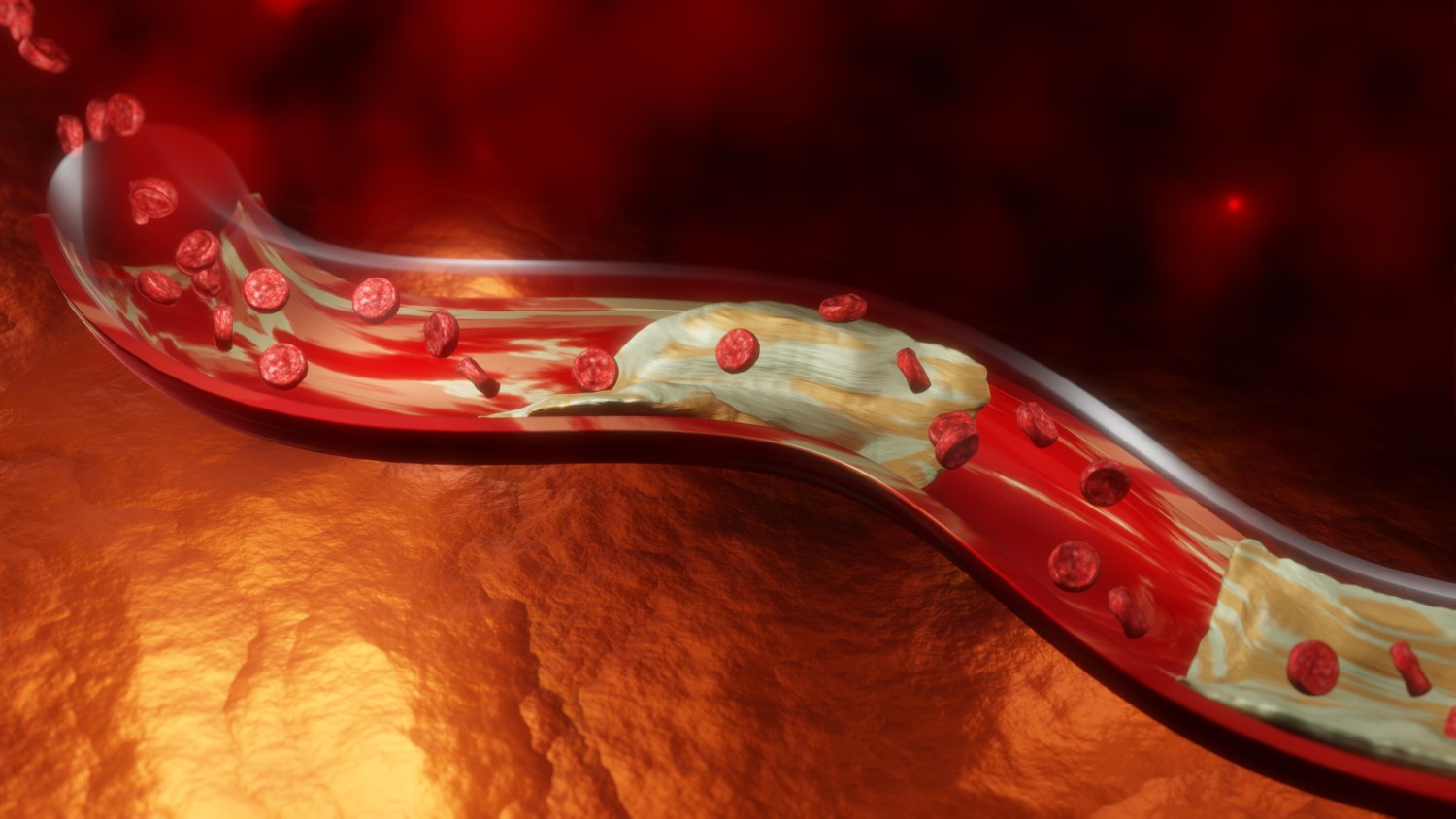
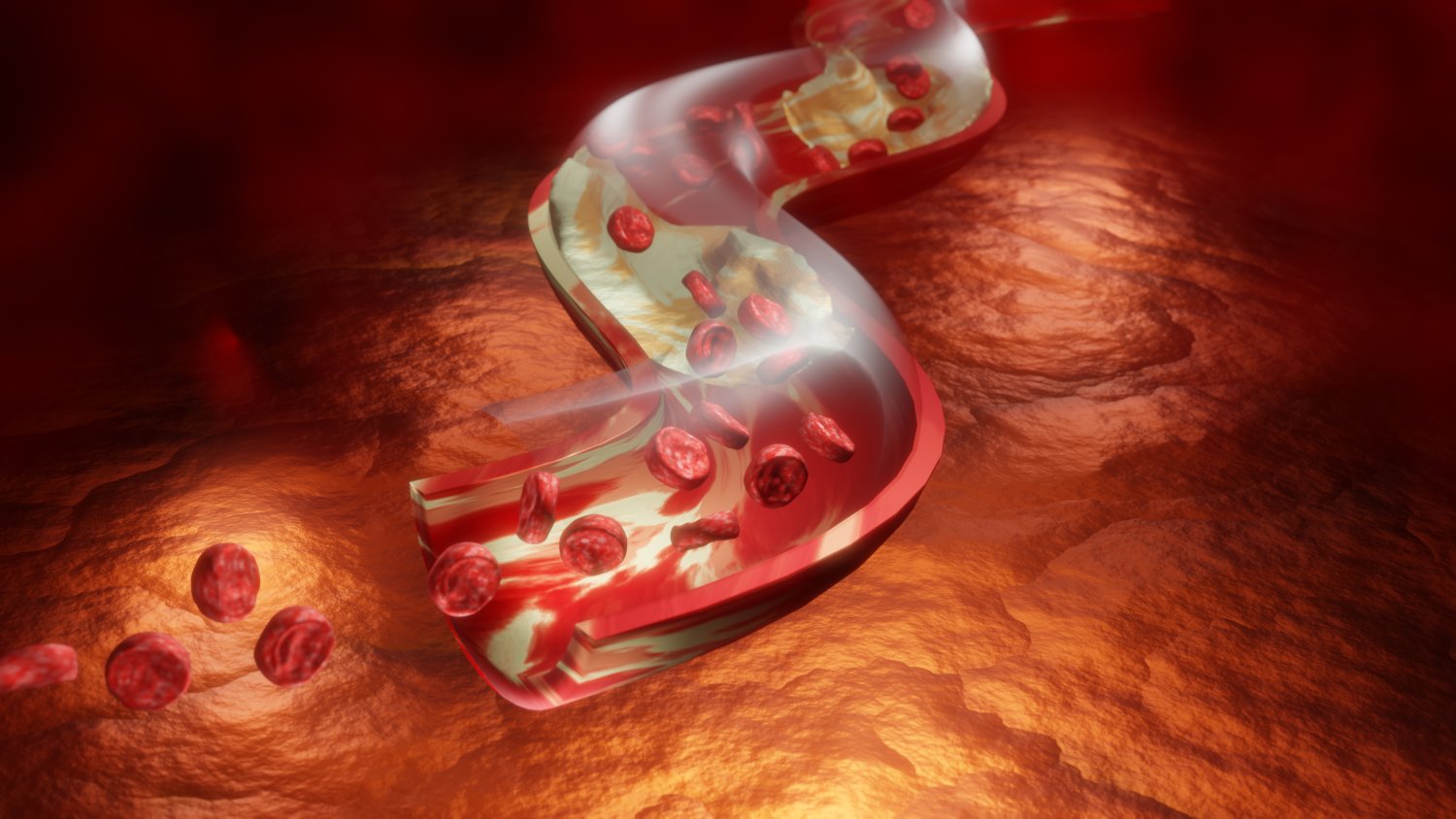
As more materials accumulate at the site of injury, the plaque gradually expands. Immune cells arrive to absorb the fatty deposits, but instead of clearing the debris, they become trapped within the growing buildup. Over time, additional layers of fats, proteins, and cellular remnants settle in the same area. The plaque becomes increasingly structured and begins to extend into the inner pathway of the artery. Parts of the buildup harden, forming stiff or calcified sections that reduce the natural flexibility of the vessel. This transformation turns a once-soft accumulation into a rigid, intrusive mass. The artery slowly narrows, making it more difficult for blood to pass through. Even moderate plaque thickening can impact circulation, especially during physical or emotional stress, when the heart demands more oxygen.
How Plaque Formation Interferes With Heart Circulation
When plaque forms inside the coronary arteries—the vessels that supply blood to the heart muscle—it gradually restricts the amount of oxygen-rich blood that can reach the heart. As the artery narrows, the flow becomes weaker and less efficient, forcing the heart to work harder to maintain normal function. During physical activity or heightened emotion, the heart requires more oxygen, but plaque limits the supply. This imbalance may cause chest discomfort, heaviness, shortness of breath, or unusual fatigue. In more advanced stages, even light activities may trigger symptoms because the heart is unable to receive even a baseline level of oxygen. Plaque buildup also disrupts the smoothness of blood flow, creating turbulence that increases the risk of sudden complications.
Dangers of Plaque Becoming Unstable or Rupturing
One of the most concerning aspects of plaque formation is the possibility of instability. Not all plaque remains solid and contained. Some forms have a fragile outer layer that can weaken over time. When this surface ruptures, the body reacts by sending clotting material to seal the breach. In many cases, the clot grows much larger than needed and ends up blocking the artery completely. This rapid transition—from a partially narrowed artery to a fully obstructed one—can happen without warning. When it occurs in the coronary arteries, the result is a heart attack. When it happens in arteries leading to the brain, a stroke may follow. This sudden event illustrates why plaque formation is dangerous even when the artery still appears partially open.
Factors That Cause Plaque to Form More Quickly
Plaque formation is influenced by a combination of lifestyle choices, environmental exposures, and genetic predispositions. Diets high in unhealthy fats, processed foods, and excessive sugars introduce more fatty particles into the bloodstream, increasing the chance that they will settle inside the arteries. Lack of regular exercise slows circulation and impairs the body’s ability to regulate blood pressure, cholesterol, and inflammation. Smoking introduces damaging chemicals that directly injure the artery wall and speed up plaque growth. Chronic stress tightens the arteries and elevates internal pressure, making the vessel walls more vulnerable to damage. Genetics also play an important role, with some individuals naturally producing more cholesterol or having arteries that are more reactive to damage. Age further contributes, as arteries gradually lose flexibility with time, creating a more favorable environment for plaque buildup.
Impact of Plaque on the Entire Cardiovascular System
Although plaque formation often begins in specific areas, the effects can influence the entire cardiovascular system. As arteries narrow, the heart must pump harder to circulate blood through the restricted pathways. This increased workload can cause the heart muscle to thicken or weaken over time. Reduced circulation also affects other organs. The brain may receive less consistent oxygen supply, leading to moments of dizziness or reduced clarity. Kidneys may struggle to filter blood effectively, affecting the body’s overall balance. In the limbs, reduced circulation can cause cramping, heaviness, or fatigue. These widespread consequences highlight that plaque formation is not just a localized issue but a systemic disruption that interferes with the body’s overall vitality.
Recognizing Early Signs That Plaque Is Affecting Circulation
While plaque develops quietly, the body sometimes provides early clues. Mild chest tightness during exertion, shortness of breath, unusual tiredness, or discomfort radiating into the arms, neck, or jaw may signal reduced heart circulation. When plaque buildup occurs in the arteries supplying the legs, individuals may experience aches or cramps while walking that ease during rest. Reduced blood flow to the brain may lead to light-headedness or temporary confusion. These early signals may appear irregularly, making them easy to overlook, yet they indicate significant strain on the circulatory system and should be taken seriously.
Ways to Slow Plaque Formation and Support Heart Circulation
Even though plaque formation is a long-term process, individuals have extensive control over how quickly it progresses. Regular physical activity strengthens the heart, improves circulation, and helps regulate blood pressure and cholesterol. A diet rich in whole foods—such as fruits, vegetables, whole grains, lean proteins, and healthy fats—reduces inflammation and supports healthier artery walls. Avoiding smoking protects arteries from direct chemical damage, while managing stress helps keep blood pressure and circulation stable. Adequate sleep, hydration, and maintaining a healthy weight all contribute to better long-term cardiovascular health. These consistent habits create an internal environment that slows plaque development and preserves stronger heart circulation.
Why Understanding Plaque Formation Is Essential for Heart Health
A deep understanding of plaque formation empowers individuals to take proactive steps toward protecting their heart and circulatory system. Because plaque begins developing early in life and progresses silently, awareness is crucial. Recognizing how plaque forms, how it affects blood flow, and how lifestyle decisions influence its progression allows people to take control of their cardiovascular health. This knowledge encourages preventive habits, earlier detection of symptoms, and long-term commitment to heart-supporting routines. With a clear understanding of plaque formation, individuals can protect their heart, maintain healthier circulation, and reduce the risk of sudden and life-threatening cardiovascular events.