Arterial Blockage — How It Leads to Difficult Blood Circulation
How Arterial Blockage Begins Within the Body
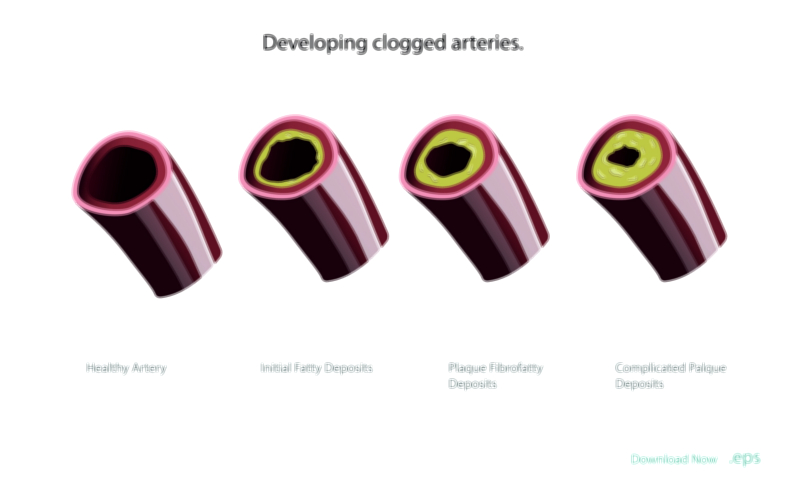
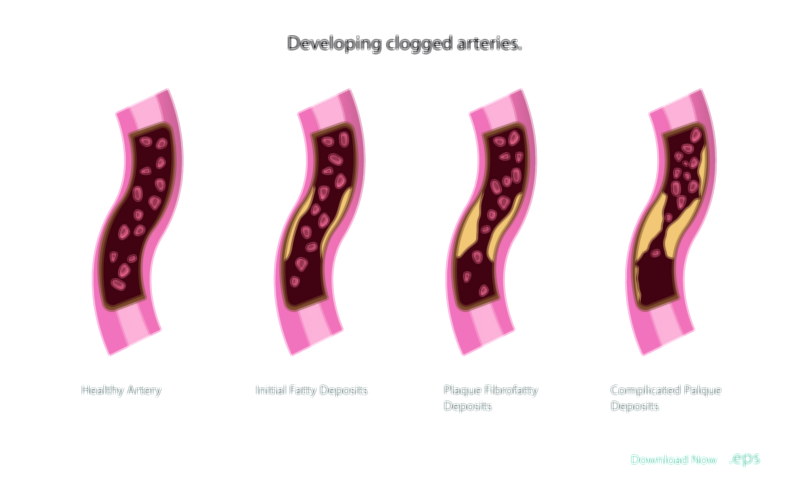
Arterial blockage develops gradually inside the blood vessels that carry oxygen-rich blood from the heart to the rest of the body. In the early stages, the inner lining of the arteries—normally smooth and protective—experiences tiny injuries caused by high blood pressure, harmful chemicals from smoking, elevated stress, or unhealthy dietary patterns. These microscopic injuries create rough patches that attract circulating fatty particles and inflammatory substances. As these materials begin to lodge within the vessel wall, a thin layer of buildup forms. This early buildup marks the beginning of plaque development, even though it does not yet cause noticeable symptoms. The body attempts to repair the injury by sending immune cells to the site, but these cells become embedded in the growing accumulation, unintentionally expanding the plaque layer.
How Buildup Progresses Into Significant Blockage
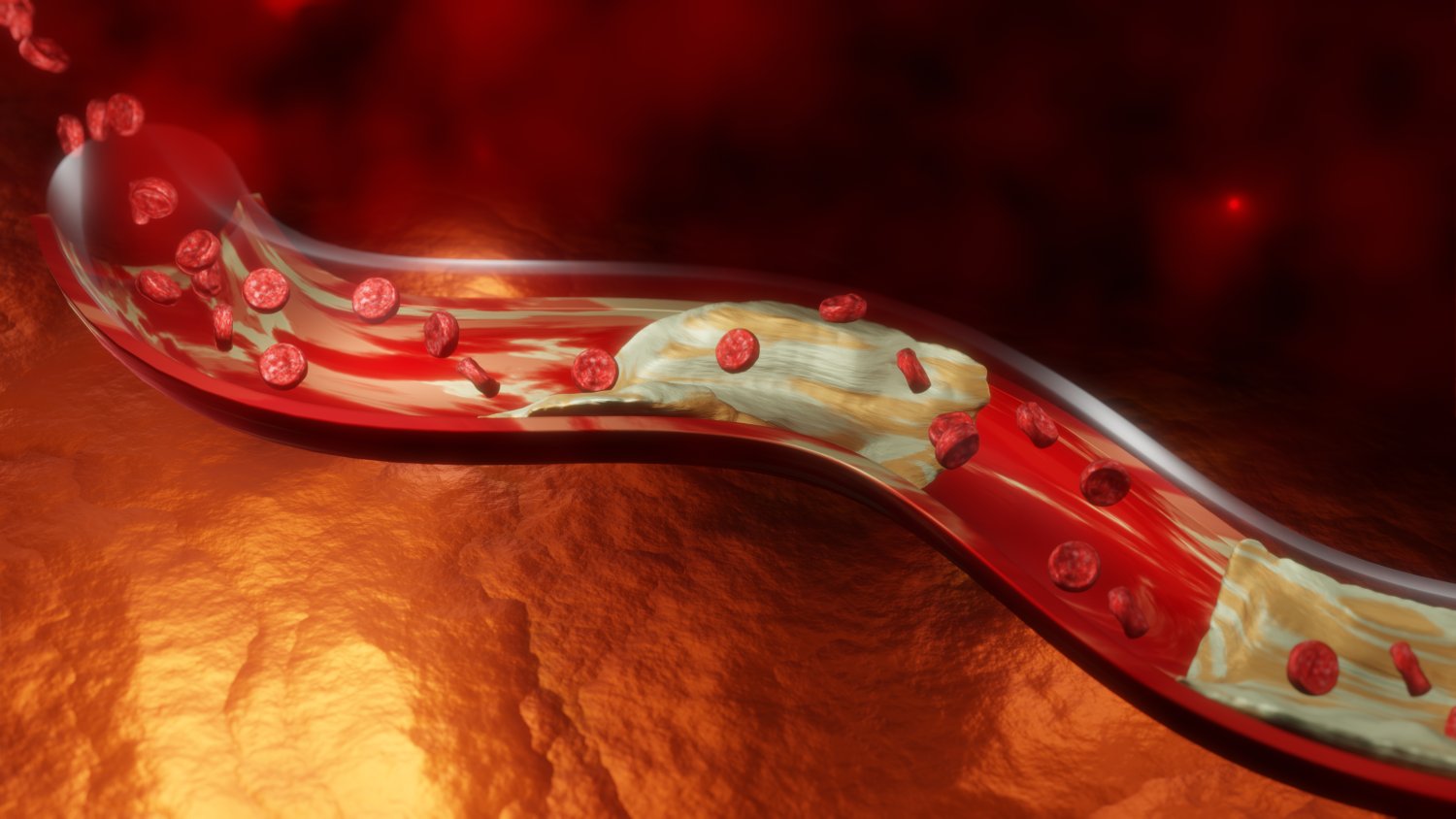
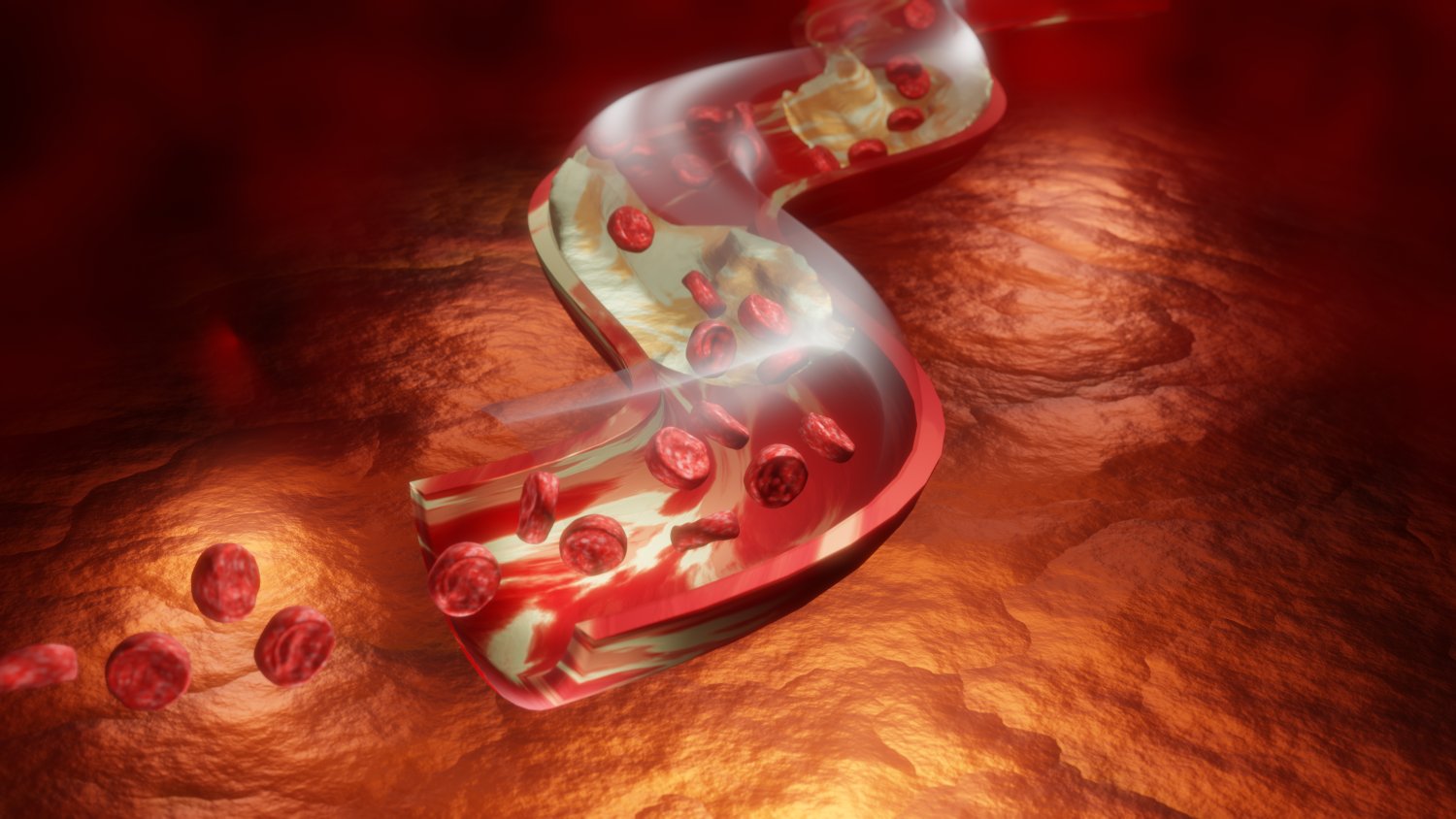
Over time, this early buildup grows into a larger, more structured form of plaque. Additional fats, immune cells, and microscopic debris continue to settle in the same area, creating a thickening that begins to extend into the artery’s interior space. As the plaque hardens, portions of it become stiff or calcified, reducing the artery’s natural flexibility. What was once a wide and resilient pathway narrows into a more rigid and restricted channel. The artery can no longer expand effectively to accommodate the pressure of blood flowing through it. This narrowing restricts circulation, forcing the heart to work harder. Even moderate narrowing limits the amount of oxygen-rich blood that can reach vital organs and muscles, especially during times of increased physical demand.
Why Arterial Blockage Leads to Difficult Blood Circulation
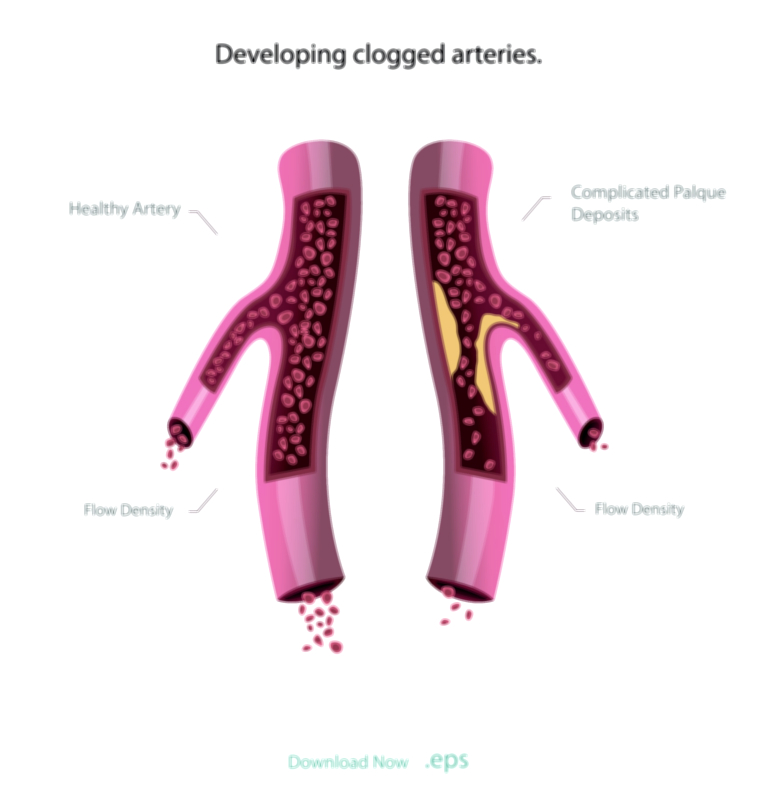
When plaque narrows the arteries, blood flow becomes slower, weaker, and far less efficient. Tissues downstream of the blockage—whether in the heart, brain, kidneys, or limbs—receive less oxygen and fewer nutrients than they require. This shortage doesn’t always cause immediate symptoms, but it affects overall vitality and endurance. The heart, which relies heavily on a steady supply of oxygen, is especially vulnerable. Narrowed coronary arteries reduce the heart’s ability to function at full strength. During exertion or emotional stress, the heart struggles to receive enough oxygen, leading to chest discomfort, breathlessness, or unusual fatigue. When arteries supplying the legs are narrowed, walking may cause cramping or heaviness because the muscles cannot get enough blood. These circulation difficulties are early signs that the cardiovascular system is under strain.
The Hidden Danger of Plaque Instability
A major threat related to arterial blockage is not just gradual narrowing but the possibility of plaque becoming unstable. As the plaque grows and stiffens, the top layer that covers it can weaken over time. If this outer surface cracks or ruptures, the body responds as if a wound has occurred. It sends clotting materials to seal the damaged area. However, the clot may grow rapidly and completely block the artery, creating a sudden and dangerous obstruction. In the coronary arteries, this event triggers a heart attack. In the arteries supplying the brain, it can cause a stroke. These sudden events illustrate how a seemingly stable blockage can become life-threatening within moments, making early prevention and awareness essential.
Lifestyle and Biological Factors That Accelerate Blockage
Arterial blockage is influenced by many interconnected elements. Diets high in saturated fats, processed foods, or excessive sugars increase the presence of harmful materials in the bloodstream. Lack of physical activity weakens the body’s ability to regulate cholesterol, blood pressure, and blood sugar, encouraging plaque formation. Smoking introduces toxic substances that injure artery walls and accelerate inflammation. Long-term stress also contributes by tightening blood vessels and increasing internal pressure. At the same time, genetics may predispose individuals to higher cholesterol levels or more reactive vessel walls. Age is another major factor, as arteries naturally become less elastic over time. These influences often overlap, creating conditions that allow plaque to develop faster and more aggressively.
How Blocked Arteries Affect the Entire Cardiovascular System
Blocked arteries force the heart to push against greater resistance, increasing its workload with every beat. Over time, this extra strain can cause the heart muscle to thicken or weaken, reducing its ability to circulate blood effectively. Reduced blood flow to the brain may lead to dizziness, memory difficulties, or decreased mental clarity. Kidneys may struggle to filter blood efficiently, influencing fluid balance. In the limbs, decreased circulation may cause fatigue, pain, or tissue damage in severe cases. This broad impact shows that arterial blockage is not a localized problem but a systemic condition that disrupts the harmony of the entire cardiovascular network.
Recognizing the Early Symptoms of Circulation Difficulty
Although arterial blockage can remain silent for years, subtle symptoms may appear as circulation worsens. These include chest discomfort during activity, shortness of breath, unusual tiredness, weakness in the limbs, or pressure in the neck, jaw, or shoulders. In the legs, cramping or heaviness during walking may signal reduced circulation. In more advanced cases, the skin of the extremities may appear colder or paler due to inadequate blood flow. These early signs are important because they reflect the body’s struggle to deliver sufficient blood. Recognizing them allows for earlier intervention and lifestyle adjustments before the blockage becomes more severe.
Strengthening Circulation and Slowing the Blockage Process
While arterial blockage is influenced by long-term factors, individuals have significant power to slow its progression and improve circulation. Regular physical activity keeps arteries flexible, strengthens the heart, and helps manage blood pressure and cholesterol. A diet focused on fresh, whole foods—such as fruits, vegetables, whole grains, lean proteins, and healthy fats—reduces inflammation and supports vessel health. Avoiding smoking eliminates one of the most damaging influences on arteries. Managing stress through relaxation techniques, mindfulness, or adequate rest helps reduce internal strain. Staying hydrated, maintaining a healthy weight, and prioritizing sleep also contribute to a healthier cardiovascular system. These steady changes create an environment where circulation improves and plaque buildup slows.
Why Understanding Arterial Blockage Is Essential
Awareness of how arterial blockage develops and how it disrupts blood circulation empowers individuals to protect their health proactively. Because plaque buildup progresses quietly, understanding its early stages and long-term effects is essential for preventing complications. Knowledge encourages better daily habits, earlier medical evaluation, and long-term commitment to cardiovascular wellness. With a deeper understanding of arterial blockage, individuals can take meaningful actions that preserve circulation, support heart strength, and reduce the risk of life-altering cardiovascular events.