Cholesterol Buildup in Arteries — Understanding Circulatory Blockage and Its Impact on Health
How Cholesterol Begins to Accumulate Inside Arteries
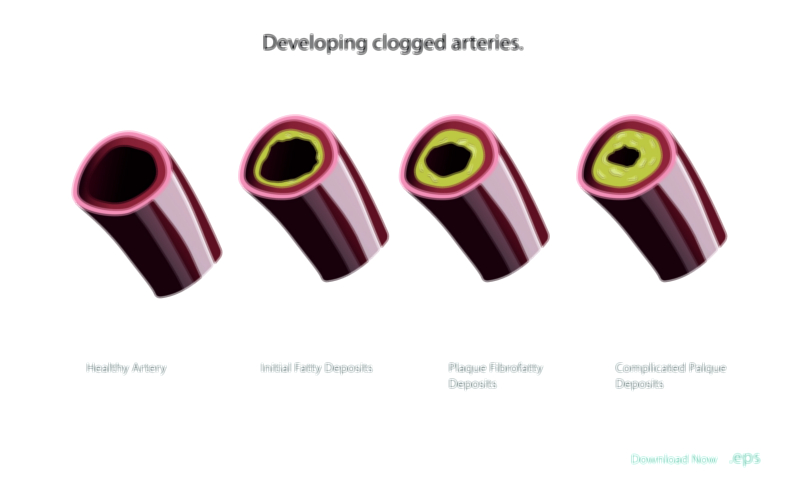
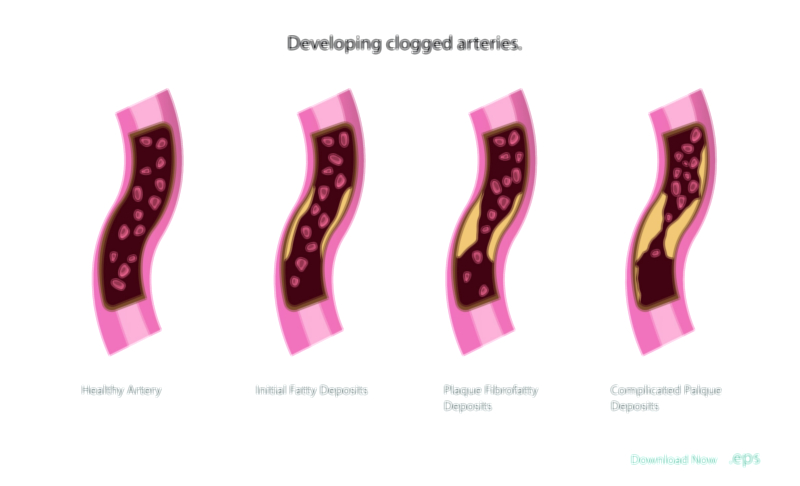
Cholesterol buildup in arteries is a gradual process that develops quietly over many years, often beginning long before any symptoms appear. In a healthy state, arteries are smooth, flexible tubes that allow blood to travel freely from the heart to the rest of the body. However, when the inner lining of these vessels becomes irritated—due to high blood pressure, smoking, excessive stress, or an unhealthy diet—it becomes vulnerable to damage. These tiny injuries create small patches where fatty particles, including cholesterol, can start to cling. The cholesterol circulating in the blood, especially the unhealthy type that tends to lodge in tissues, begins to settle into these weakened spots. As this material embeds into the artery wall, the earliest form of plaque begins to develop. This initial buildup is soft and subtle, yet it marks the beginning of a long chain of changes that eventually lead to circulatory blockage.
Progression From Cholesterol Deposits to Hardened Plaque
Once cholesterol begins to accumulate, the body attempts to respond by sending immune cells to absorb the fatty material. Instead of clearing the area, these cells become trapped within the buildup, adding to the growing plaque. Over time, new layers of cholesterol, inflammatory substances, and cellular debris continue to settle in the same region. This layered buildup becomes increasingly structured, slowly expanding into the space inside the artery. Portions of the plaque eventually become harder and more rigid, forming calcified areas that strip the artery of its natural elasticity. As a result, the vessel loses its ability to stretch during circulation, becoming stiff and narrow. This transformation turns soft cholesterol deposits into a solid obstruction that disrupts blood flow. Even before the artery becomes critically narrowed, the reduction in flexibility and space leads to increased strain on the heart and a less efficient circulatory system.
How Cholesterol Buildup Restricts Blood Flow Through Arteries
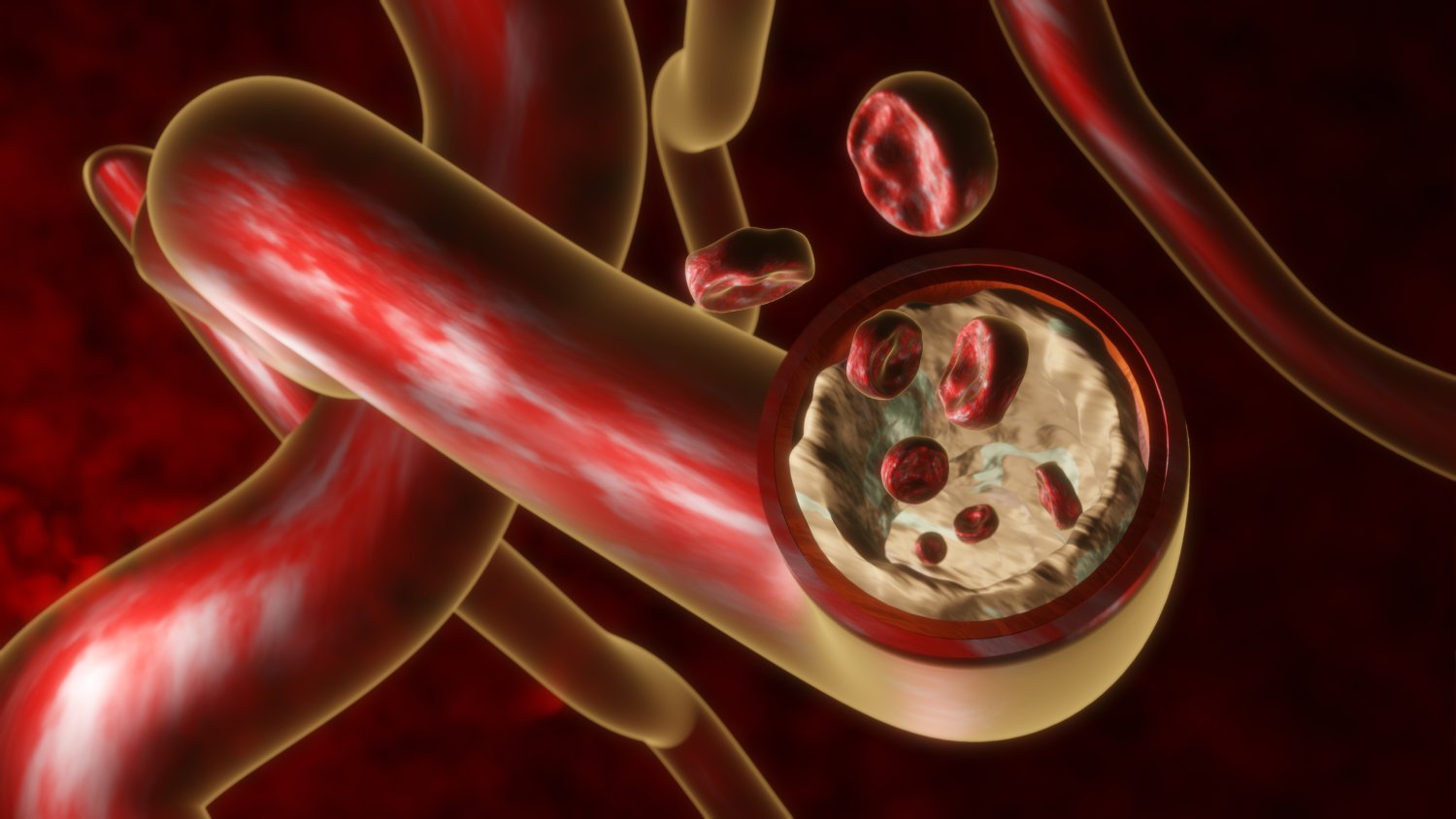
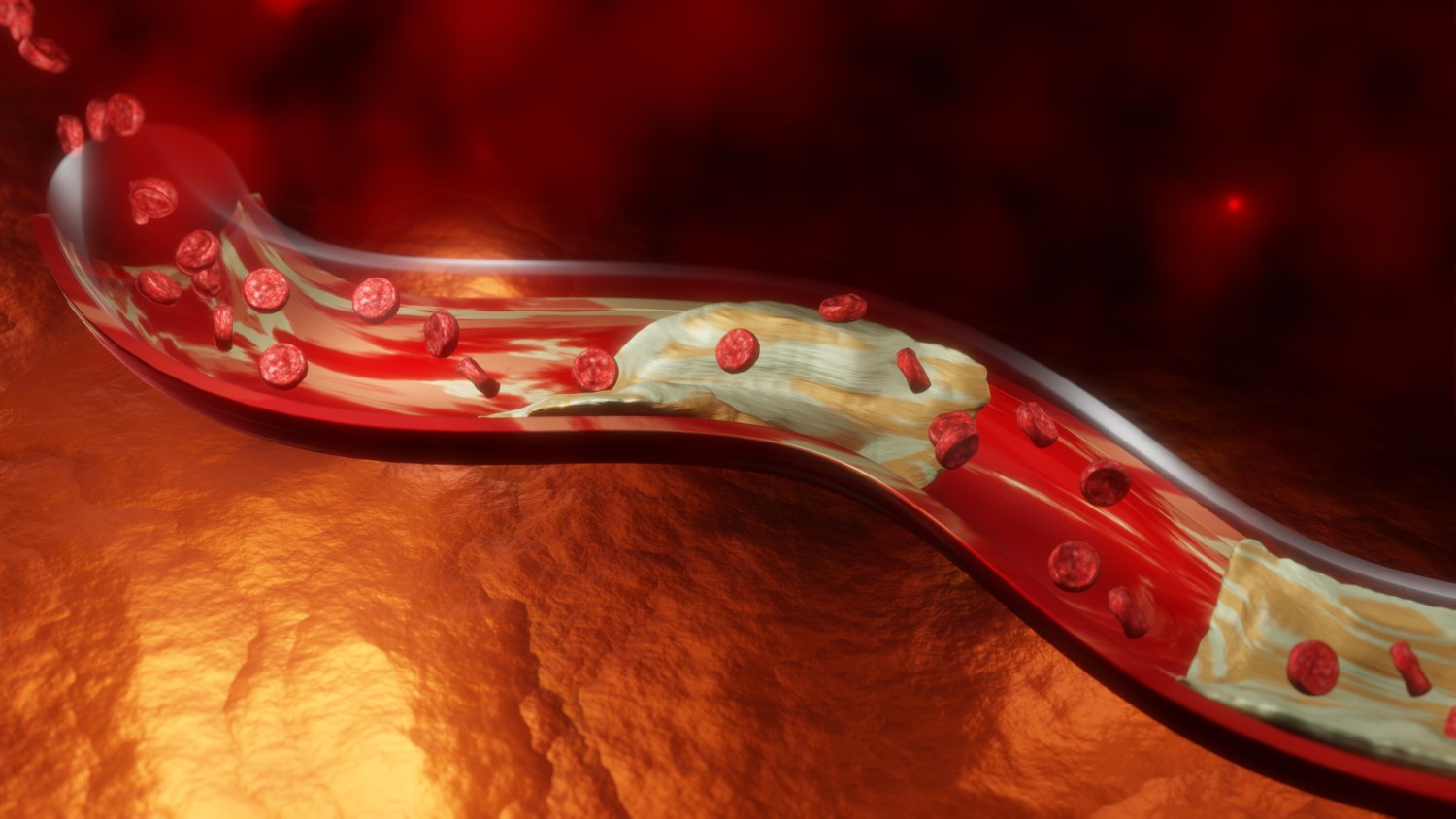
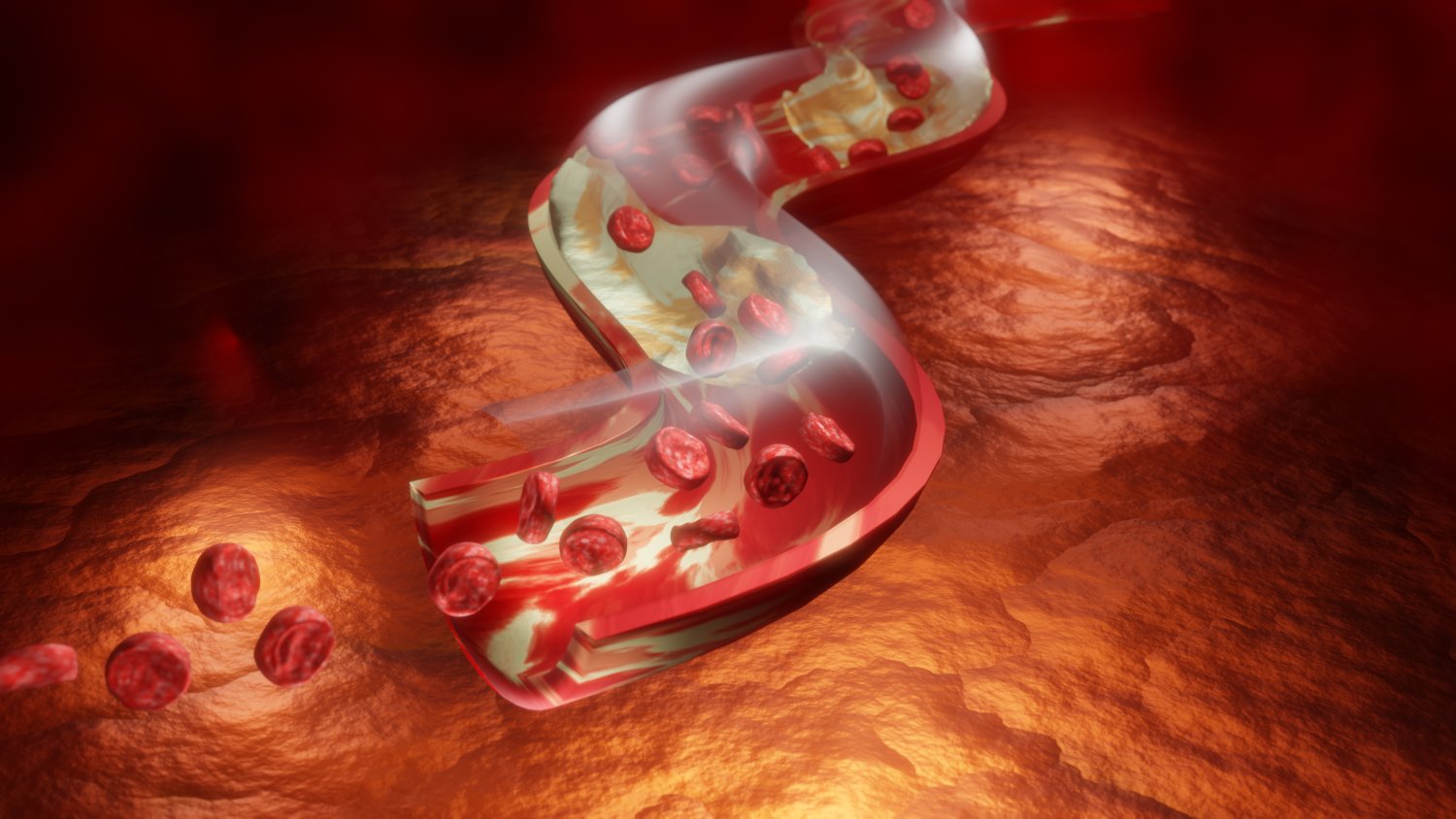
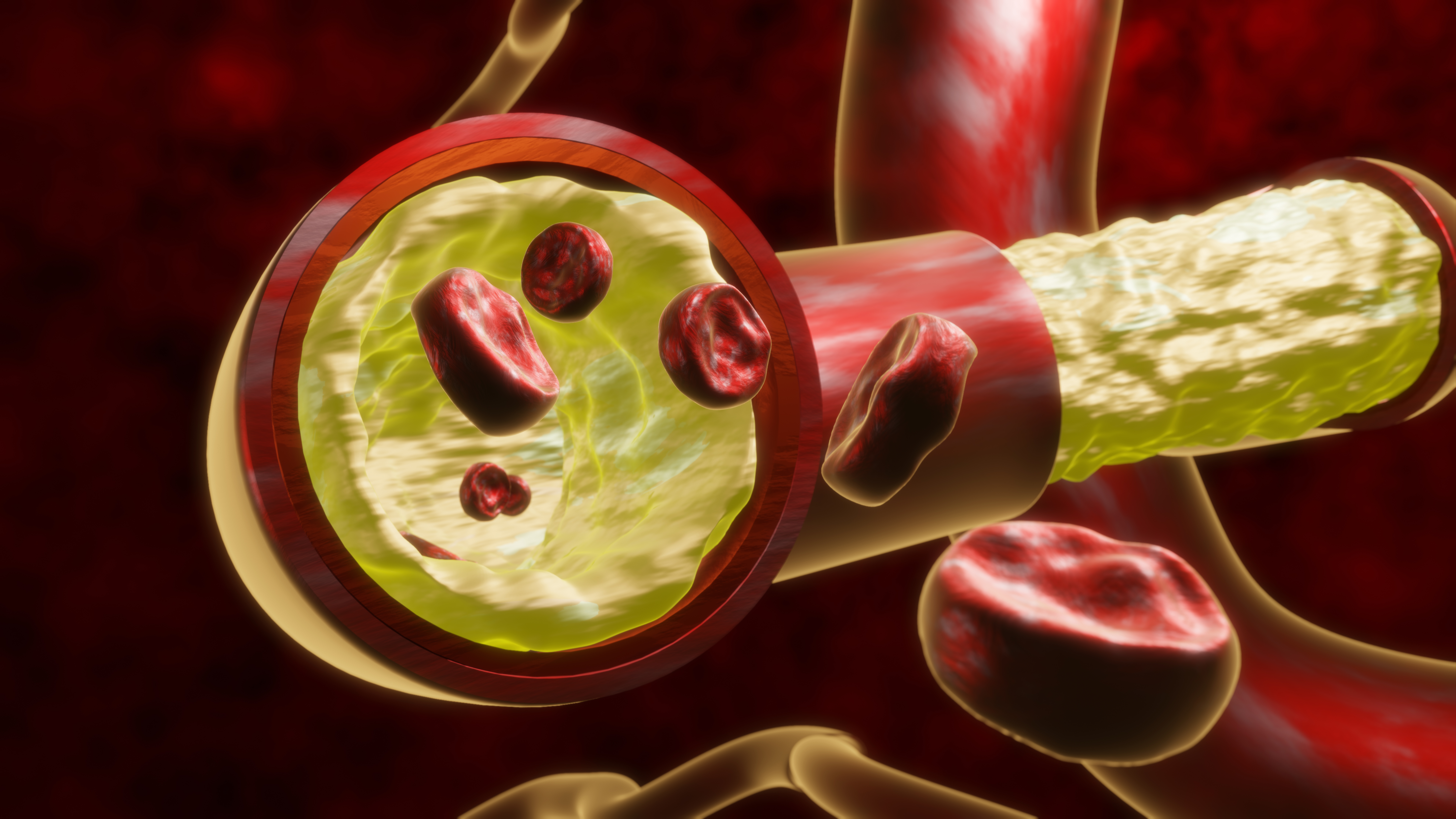
As plaque thickens, it occupies more and more of the artery’s inner passage, reducing the amount of blood that can flow through at any given time. When blood flow is restricted, organs and tissues receive less oxygen and fewer nutrients. The heart, which relies on a constant supply of oxygen-rich blood, is especially sensitive to these reductions. When the arteries that nourish the heart become narrowed by cholesterol buildup, the heart muscle may struggle during physical activity or emotional stress, leading to chest heaviness, tightness, or general discomfort. In more advanced stages, blood flow may be reduced even at rest. Illustrations of this condition typically show a once-wide arterial passage narrowed by thick layers of yellowish plaque, highlighting how the buildup restricts the movement of blood and increases the risk of sudden obstruction.
The Hidden Danger of Plaque Rupture and Sudden Blockage
Beyond gradual narrowing, cholesterol-rich plaque can become unstable. Its outer surface may weaken over time, especially when inflamed or exposed to continued stress. If this fragile covering ruptures, the body rushes to seal what it perceives as an internal wound by forming a clot at the site. This clot can grow rapidly and may completely block the artery within minutes. When this occurs in the arteries feeding the heart, a heart attack follows. When it occurs in the arteries leading to the brain, a stroke can result. This sudden transformation—from a partially narrowed artery to a fully blocked one—is one of the most dangerous consequences of cholesterol buildup. It illustrates why even moderate levels of plaque pose significant risk if they become unstable.
Factors That Encourage Cholesterol Buildup and Blockage
Cholesterol buildup is influenced by a combination of diet, lifestyle habits, environmental exposures, and genetic predisposition. Diets high in unhealthy fats, heavily processed foods, and refined sugars increase circulating cholesterol and promote plaque formation. Lack of regular exercise slows the body’s ability to regulate fats and maintain healthy blood pressure. Smoking damages the inner lining of the arteries and accelerates cholesterol accumulation. Chronic stress contributes by tightening the arteries and increasing inflammation within the bloodstream. Genetics also affect how cholesterol behaves in the body, with some individuals naturally producing higher amounts or processing it less efficiently. Age further compounds these factors since arteries naturally become stiffer over time. Illustrations often depict these contributors as surrounding influences that drive or accelerate the progression of artery blockage.
Impact of Cholesterol Buildup on Circulatory and Organ Health
The effects of cholesterol buildup extend far beyond the artery where it forms. When circulation becomes restricted, the entire cardiovascular system is forced to adapt. The heart works harder to push blood through narrowed pathways, which can eventually weaken or strain the heart muscle. Reduced blood flow to the brain may cause moments of confusion, dizziness, or reduced mental clarity. Poor circulation in the limbs can lead to cramping, heaviness, or cold sensations during walking or rest. Kidneys may struggle to filter blood effectively, affecting fluid balance and blood pressure control. The widespread impact underscores that cholesterol buildup is not just a localized issue but a systemic condition affecting the body’s overall vitality.
Recognizing Early Signs of Circulatory Blockage
Although cholesterol buildup often remains silent for many years, early signs may begin appearing as circulation declines. These can include chest tightness during exertion, unusual breathlessness, fatigue that appears without clear cause, or discomfort radiating through the arms, jaw, or back. When buildup affects arteries in the legs, individuals may notice aching or cramping during walking that eases with rest. Reduced blood flow to the brain can cause light-headedness or temporary fogginess. These early symptoms should not be ignored, as they often signal that the cardiovascular system is under strain and may be developing more advanced blockage.
Slowing Cholesterol Buildup Through Lifestyle Choices
Even though cholesterol buildup develops slowly, its progression can be significantly slowed—or in some cases, partially reversed—through consistent and mindful habits. Regular physical activity strengthens the cardiovascular system and improves the body’s ability to manage blood fats. A diet centered on whole foods, including fruits, vegetables, legumes, whole grains, and healthy fats, helps reduce inflammation and lower harmful cholesterol. Avoiding smoking protects vessel walls from direct chemical injury, while managing stress stabilizes vessel tension and supports hormonal balance. Adequate rest, hydration, and maintaining a healthy weight all contribute to smoother circulation and reduced burden on the arteries. These long-term habits form a protective barrier against further plaque formation.
Why Understanding Cholesterol Buildup Is Essential for Circulatory Health
A clear understanding of cholesterol buildup equips individuals to take proactive steps toward maintaining healthy arteries and preventing life-threatening complications. Because this process begins early and progresses silently, awareness is crucial. Understanding how cholesterol accumulates, how plaque forms, and how circulation is affected allows individuals to make informed choices that protect their cardiovascular system. With this knowledge, it becomes possible to preserve healthier blood flow, safeguard the heart, and reduce the risk of sudden cardiovascular events.