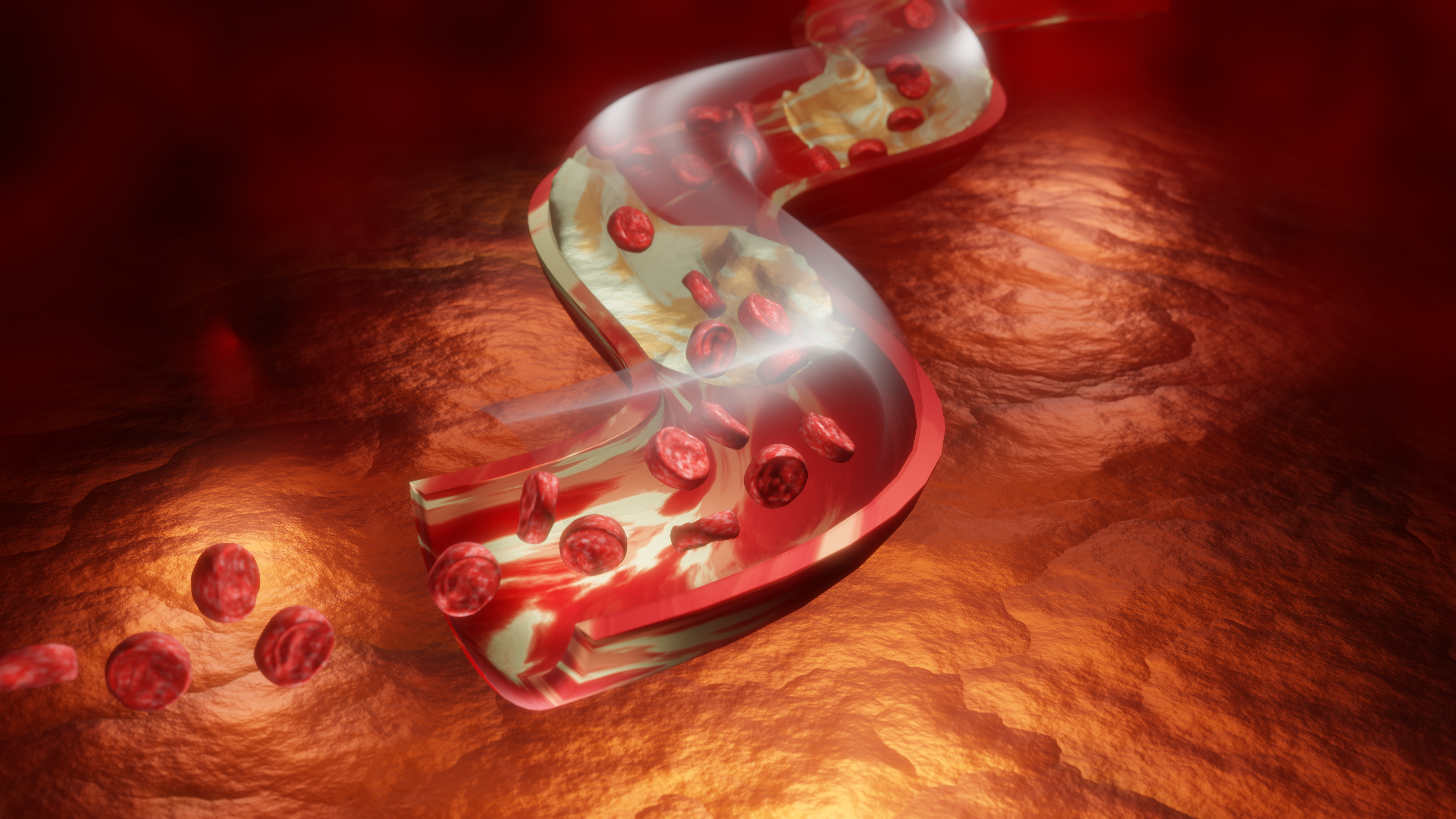
Artery Obstruction — Understanding Its Impact on Heart and Blood Flow
How Artery Obstruction Begins Within the Circulatory System
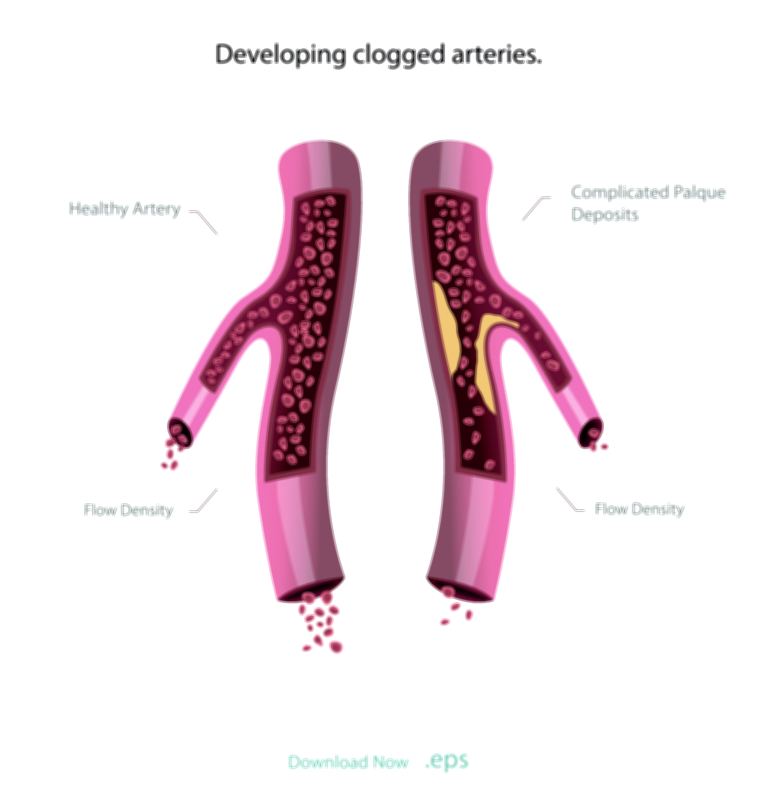
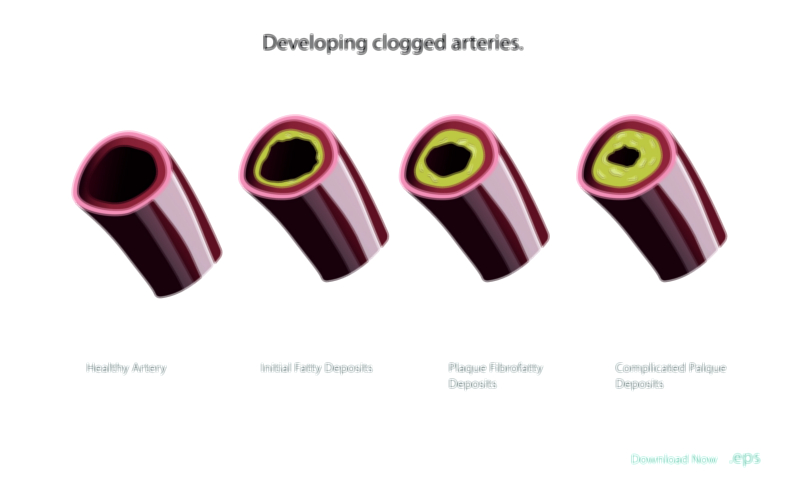
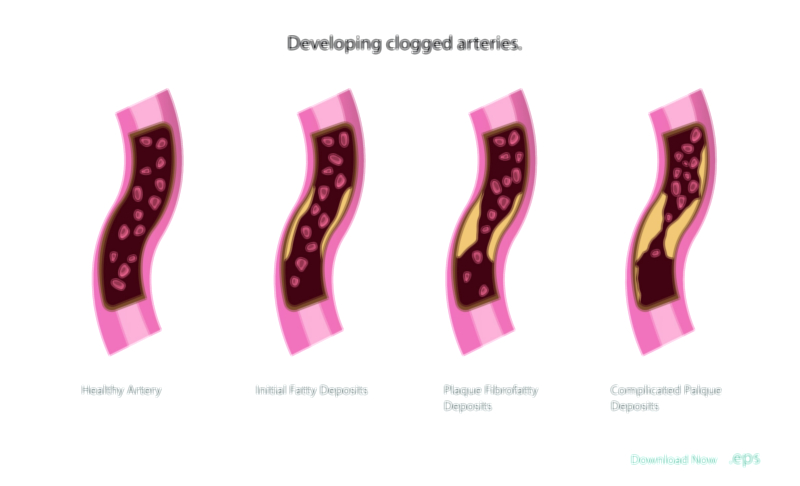
Artery obstruction is a slow-developing and often silent condition that disrupts the smooth flow of blood through the cardiovascular network. In a healthy state, arteries provide an open and flexible passageway for blood to travel easily from the heart to all parts of the body. These vessels are lined with a protective inner surface that keeps circulation clear and unobstructed. However, when this lining becomes irritated—whether by high blood pressure, smoking, frequent stress, or prolonged exposure to unhealthy dietary components—it begins to lose its smoothness. Small injuries or rough patches form along the inner wall, creating areas where circulating fatty particles and inflammatory substances begin to settle. Over time, these deposits gradually thicken, forming the earliest stages of plaque. This initial buildup marks the beginning of artery obstruction, even though individuals typically remain unaware of what is happening inside their vessels.
How Plaque Growth Gradually Narrows the Artery
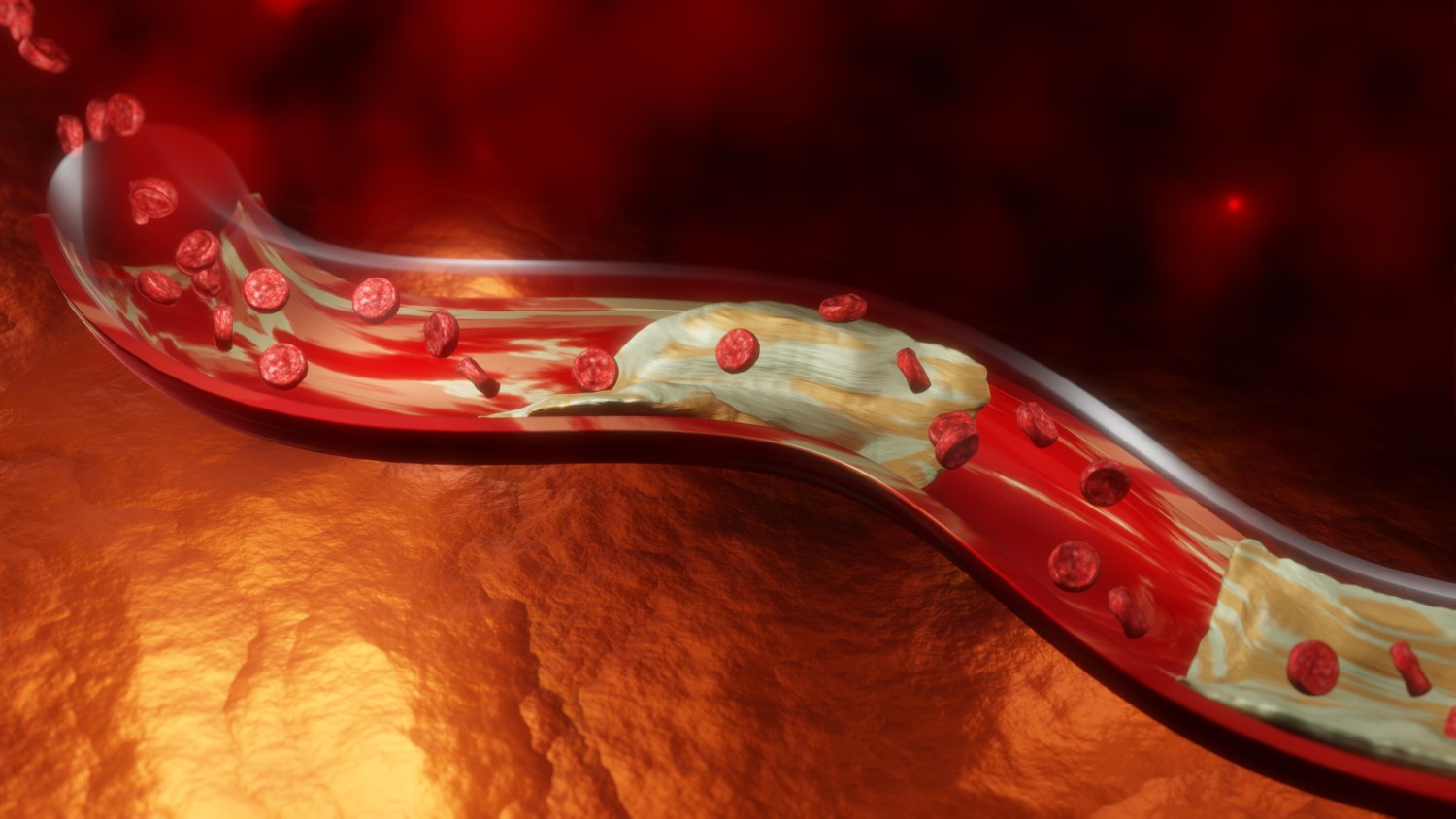
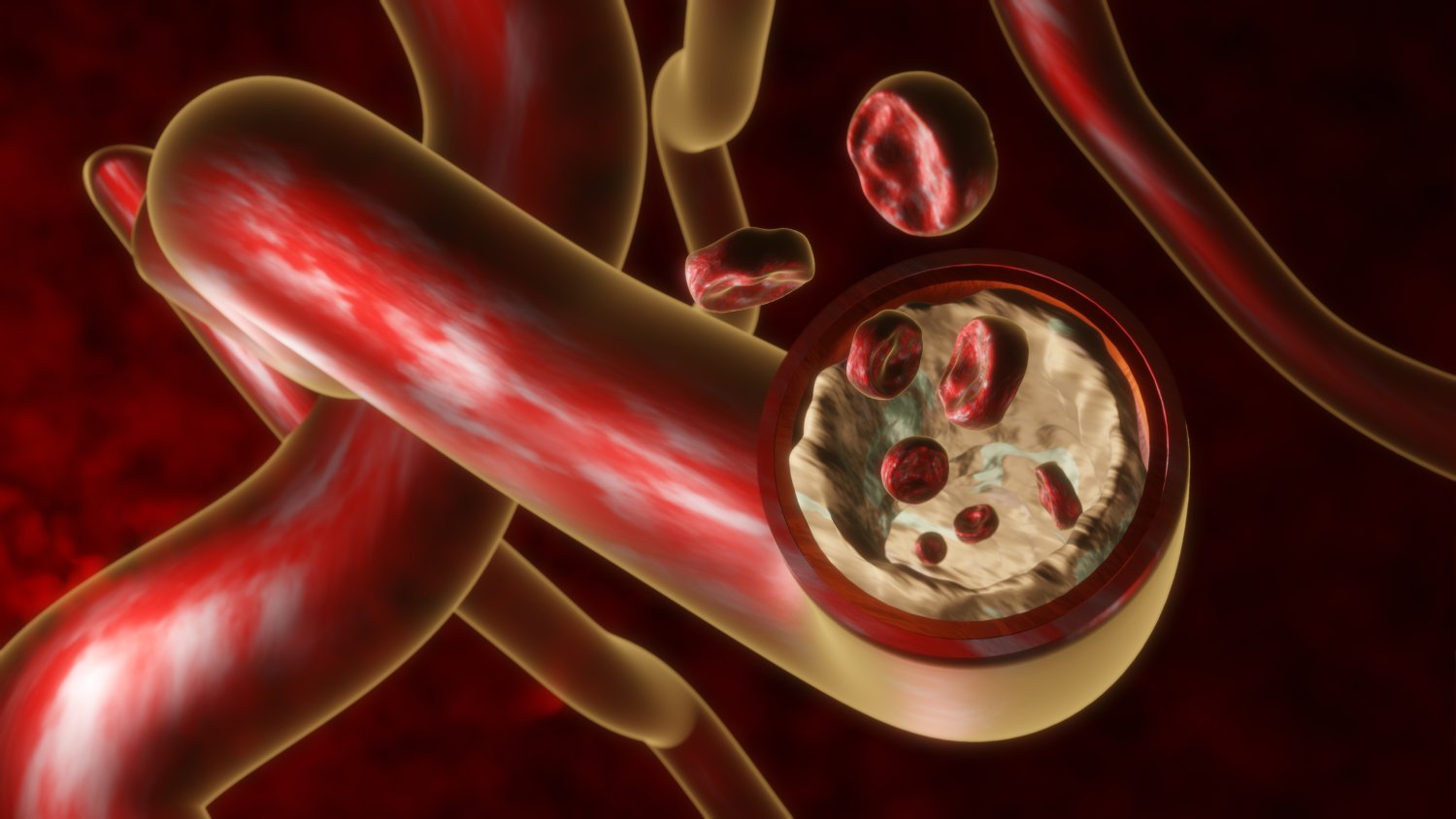
As plaque develops, it extends deeper into the artery wall and grows outward into the passageway through which blood flows. Early plaque is often soft and subtle, but as additional fats, immune cells, and microscopic materials accumulate, it becomes more structured and more difficult for the body to remove. Eventually, the buildup begins to harden, forming stiff or calcified sections that reduce the artery’s flexibility. This loss of flexibility prevents the vessel from expanding naturally as blood moves through, forcing the heart to work harder to maintain circulation. The narrowing also disrupts smooth blood flow, creating turbulence that encourages further deposits. Over time, these layered changes convert a once-wide vessel into a tight channel that struggles to deliver adequate oxygen to the tissues. Even before complete obstruction occurs, this reduced flow places significant strain on the heart and weakens the overall efficiency of the cardiovascular system.
How Artery Obstruction Affects Heart Function and Circulation
The heart depends on a constant and uninterrupted supply of oxygen-rich blood from its own network of arteries. When one or more of these arteries becomes obstructed, the heart muscle begins to experience shortages, especially during physical exertion or emotional stress. This shortage may produce a heavy or tight sensation in the chest, discomfort radiating into the arms or jaw, or shortness of breath during activities that once felt easy. When obstruction becomes severe, the risk of sudden complications increases dramatically. A fragile section of plaque may rupture, prompting the body to form a blood clot at the rupture site. While the clot is meant to patch the damaged area, it may grow large enough to block the entire artery. When this happens in a coronary artery, a heart attack occurs. This abrupt and complete loss of blood supply can damage the heart muscle within minutes, making artery obstruction one of the most serious threats to cardiovascular health.
Why Artery Obstruction Develops Over Time
The development of artery obstruction is influenced by a combination of lifestyle habits, environmental factors, and natural biological tendencies. Diets high in saturated fats, processed foods, and excess sugars increase the levels of circulating materials that tend to settle into arteries. Lack of exercise slows the regulation of blood pressure, blood sugar, and cholesterol, creating an internal environment that encourages buildup. Smoking introduces harmful chemicals directly into the bloodstream, damaging the inner lining of arteries and accelerating the obstruction process. Chronic stress triggers hormonal changes that tighten vessels and contribute to inflammation. Genetics also play a role, with some individuals inheriting traits that make them more prone to artery damage or higher levels of circulating fats. Age further increases vulnerability, as arteries naturally become less flexible and more prone to developing plaque as the years pass. When several of these influences combine, obstruction accelerates significantly.
Early Signals That Artery Obstruction May Be Developing
Although artery obstruction often advances quietly, the body sometimes provides subtle warnings. Mild chest pressure during activity, shortness of breath, and unexplained fatigue can signal that the heart is receiving less blood than it needs. Pain or heaviness in the arms, shoulders, neck, or jaw may also reflect reduced coronary circulation. When obstructions affect arteries in the legs, individuals may notice cramping or aching that appears during walking and subsides with rest. Reduced blood flow to the brain can cause brief dizziness, confusion, or difficulty concentrating. These early experiences are often mistaken for stress, tension, or aging, but when they occur repeatedly, they may signal that the cardiovascular system is struggling to maintain normal function.
Impact on the Entire Cardiovascular System
Artery obstruction does not simply affect the blocked area; it places strain on the entire cardiovascular system. As arteries narrow, the heart must pump harder to force blood through the restricted channels, increasing its workload and potentially thickening the heart muscle. Over time, this strain may weaken the heart’s ability to distribute blood effectively. Reduced circulation also impacts other organs. The brain may receive insufficient oxygen, affecting cognitive performance. The kidneys may struggle to filter blood efficiently, influencing fluid balance and blood pressure. Poor circulation to the limbs may lead to pain or tissue damage. These systemic effects highlight that artery obstruction is more than a local issue—it is a deep disruption of the entire circulatory process.
Protecting Against Artery Obstruction Through Healthy Habits
Even though artery obstruction develops slowly, individuals can significantly influence its progression through long-term lifestyle choices. Regular physical activity strengthens the cardiovascular system, improves circulation, and helps regulate cholesterol and blood pressure. A balanced diet rich in whole foods, vegetables, fruits, healthy fats, and lean proteins reduces internal inflammation and supports healthy arteries. Avoiding smoking protects vessels from direct chemical injury, while managing stress helps maintain more consistent vessel relaxation and healthier hormone levels. Adequate sleep and hydration, along with maintaining a healthy weight, further contribute to improved circulation. Although age and genetics cannot be changed, these habits help slow the obstruction process and support stronger cardiovascular resilience.
Why Understanding Artery Obstruction Matters for Heart Health
Understanding artery obstruction empowers individuals to make informed decisions that support long-term cardiovascular health. Because the condition begins early and progresses silently, awareness and prevention become essential tools for avoiding severe complications. Recognizing the slow buildup of plaque, the subtle early symptoms, and the factors that accelerate obstruction helps individuals adopt habits that protect their arteries and reduce the likelihood of sudden heart-related events. With this knowledge, people can approach heart health proactively, supporting stronger circulation, improved vitality, and a reduced risk of life-threatening episodes.