Understanding Cholesterol Through a 3D Rendered Visualization of Blood Vessel Structure
A three-dimensional illustration of cholesterol inside human blood vessels provides a powerful way to understand how this waxy, fat-like substance behaves within the circulatory system. Although cholesterol is often discussed in the context of health risks, it is also a natural and essential component of the body. When displayed through a carefully crafted 3D render, the viewer gains access to a clear, layered, and realistic perspective of how this material appears, how it gathers, and how it interacts with surrounding tissue. This visual method allows viewers to explore the internal environment of vessels in a way that conventional drawings cannot achieve, offering clarity on both form and structure.
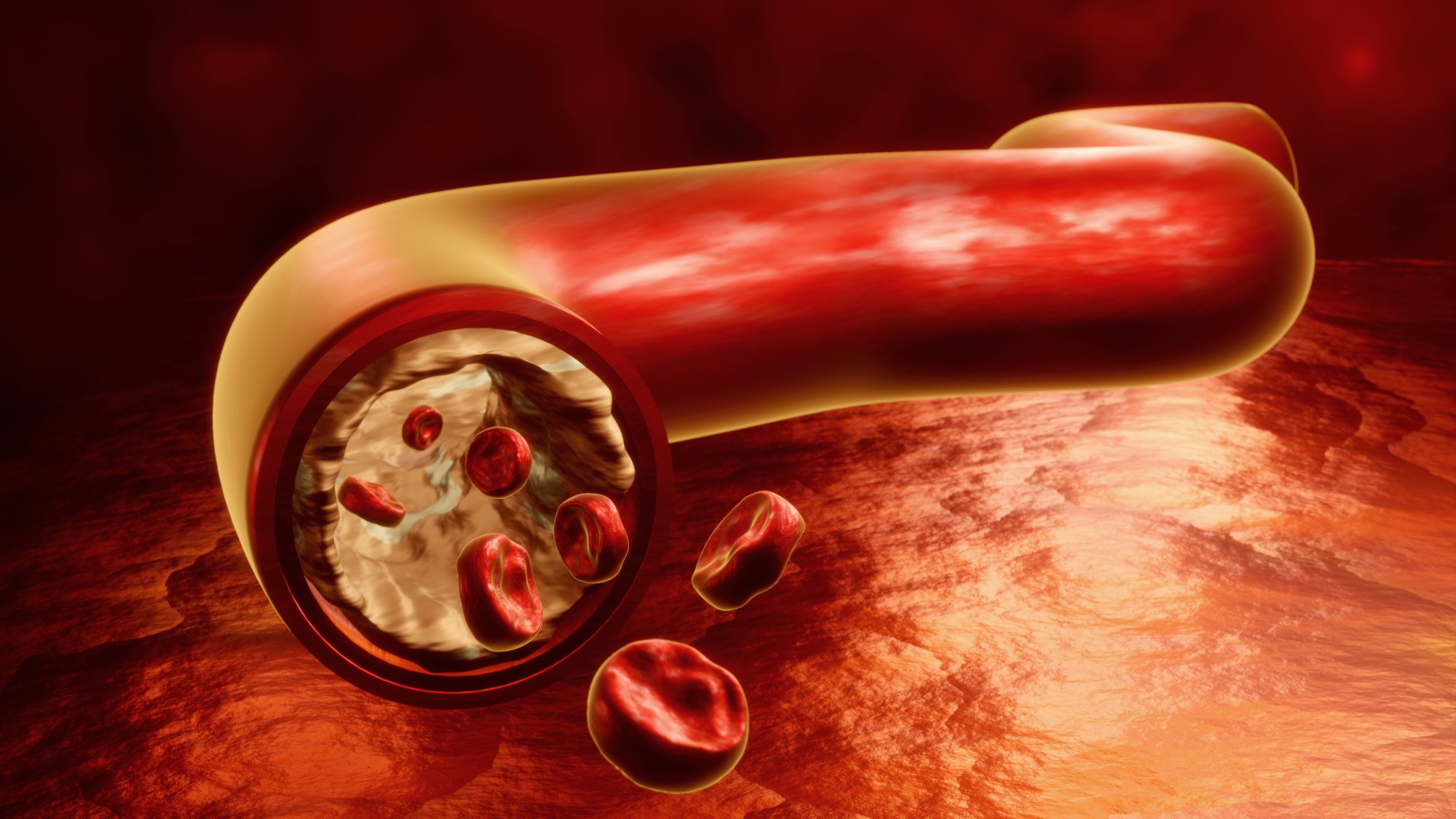
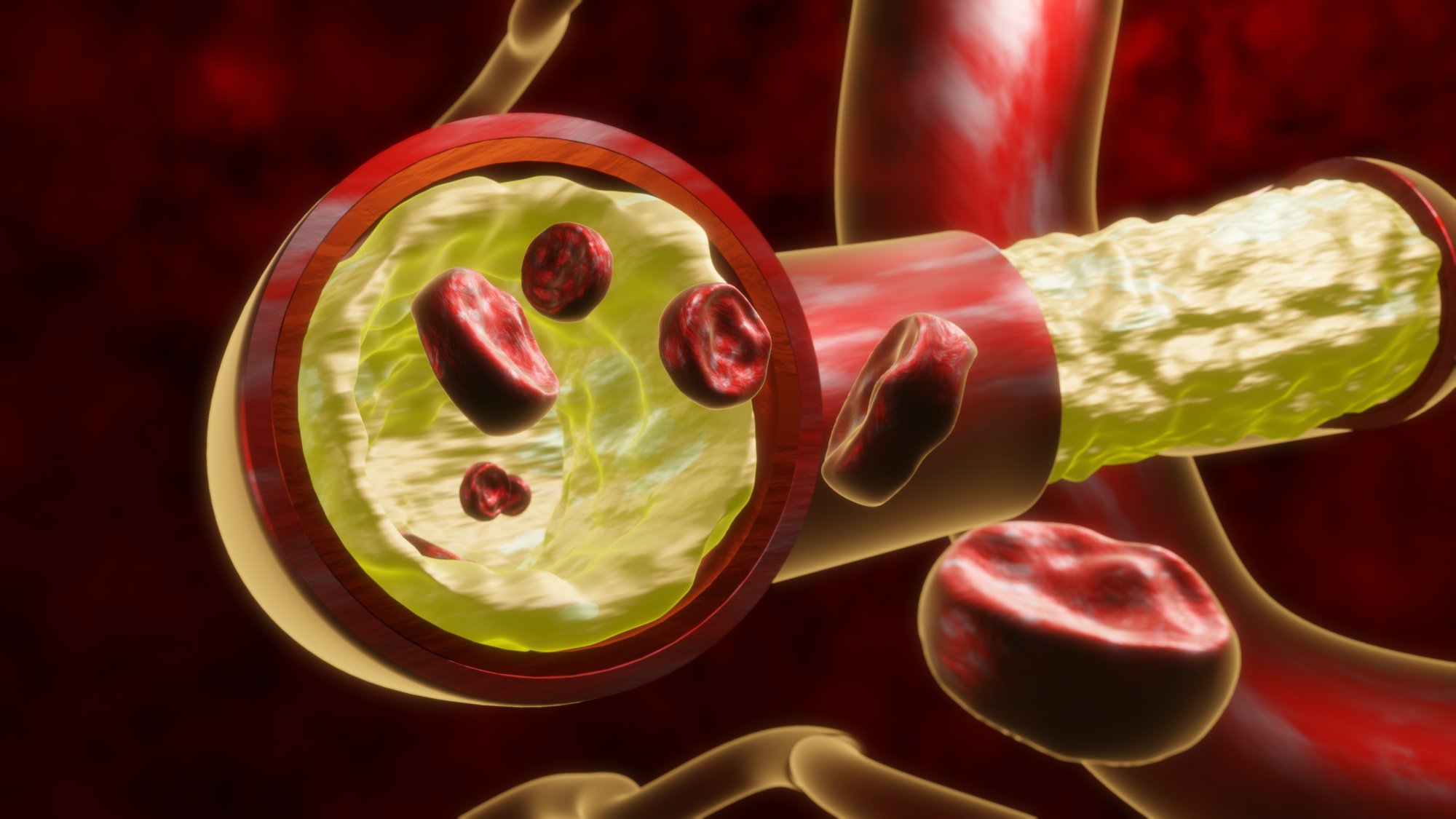
In a detailed 3D representation, cholesterol can be shown forming soft clusters or smooth layers along the inner lining of a vessel. These layers often appear glossy or wax-like, capturing the texture implied by scientific descriptions. The visual depth of a rendered image reveals how these deposits occupy space within the vessel, subtly pushing into the channel through which blood flows. Instead of imagining the buildup as an abstract idea, this visualization brings the concept to life, allowing learners to see exactly how a thickened layer begins to influence the movement of fluid. This transforms a hidden biological process into something visible and intuitive.
The illustration also helps highlight the dynamic relationship between cholesterol and the vessel walls. A 3D perspective can show how deposits attach themselves along curved surfaces, forming patterns that follow the natural shape of the channel. The smooth interior, normally open and flexible, becomes altered as the deposit develops, and the render captures these shifts precisely. With realistic lighting and shading, the viewer can observe subtle differences in texture and tone that reveal where the buildup begins and how it spreads. This contributes to a more complete understanding of how gradual changes inside a vessel influence long-term circulation.
Another benefit of this visualization lies in its ability to portray complex spatial relationships. Blood vessels are narrow structures with multiple layers, and a 3D view shows how each layer interacts with accumulated material. The illustration can highlight surrounding elements such as cellular surfaces or flowing particles, creating a dynamic scene that conveys the movement, spacing, and structural balance within the vessel. This immersive perspective helps viewers appreciate how the buildup influences the internal environment, affecting flow patterns and altering the shape of the channel. For learners who struggle with abstract biological information, this level of depth brings exceptional clarity.
Furthermore, the realistic aesthetic of the rendered model adds an important dimension to the learning experience. Soft highlights, smooth textures, and carefully chosen gradients create a vivid and compelling image. The visual appeal contributes to retention by helping the viewer form strong mental associations. This makes the image useful not only for learners but also for educators and presenters who want to show concepts in ways that engage attention and encourage deeper understanding. By simplifying complex science into a clear visual form, the illustration serves as a bridge between technical explanation and accessible knowledge.
A 3D visualization of cholesterol in vessels also supports broader educational communication. Complex health topics can often feel overwhelming for individuals without a scientific background. However, when these ideas are expressed through realistic, easy-to-interpret imagery, they become more relatable and less intimidating. The illustration can be used in health discussions, awareness campaigns, digital platforms, or academic settings to clarify how buildup forms and why it matters. It provides an approachable way to explain why maintaining healthy habits contributes to long-term vessel stability, making the visualization a powerful communication tool.
In summary, a 3D rendered illustration of cholesterol inside blood vessels provides unmatched clarity for understanding this waxy, fat-like substance. It shows how deposits begin, how they influence the vessel environment, and how spatial structure plays a central role in circulation. Through depth, realism, and precision, the visualization transforms complex biological science into a clear, informative, and engaging learning experience.