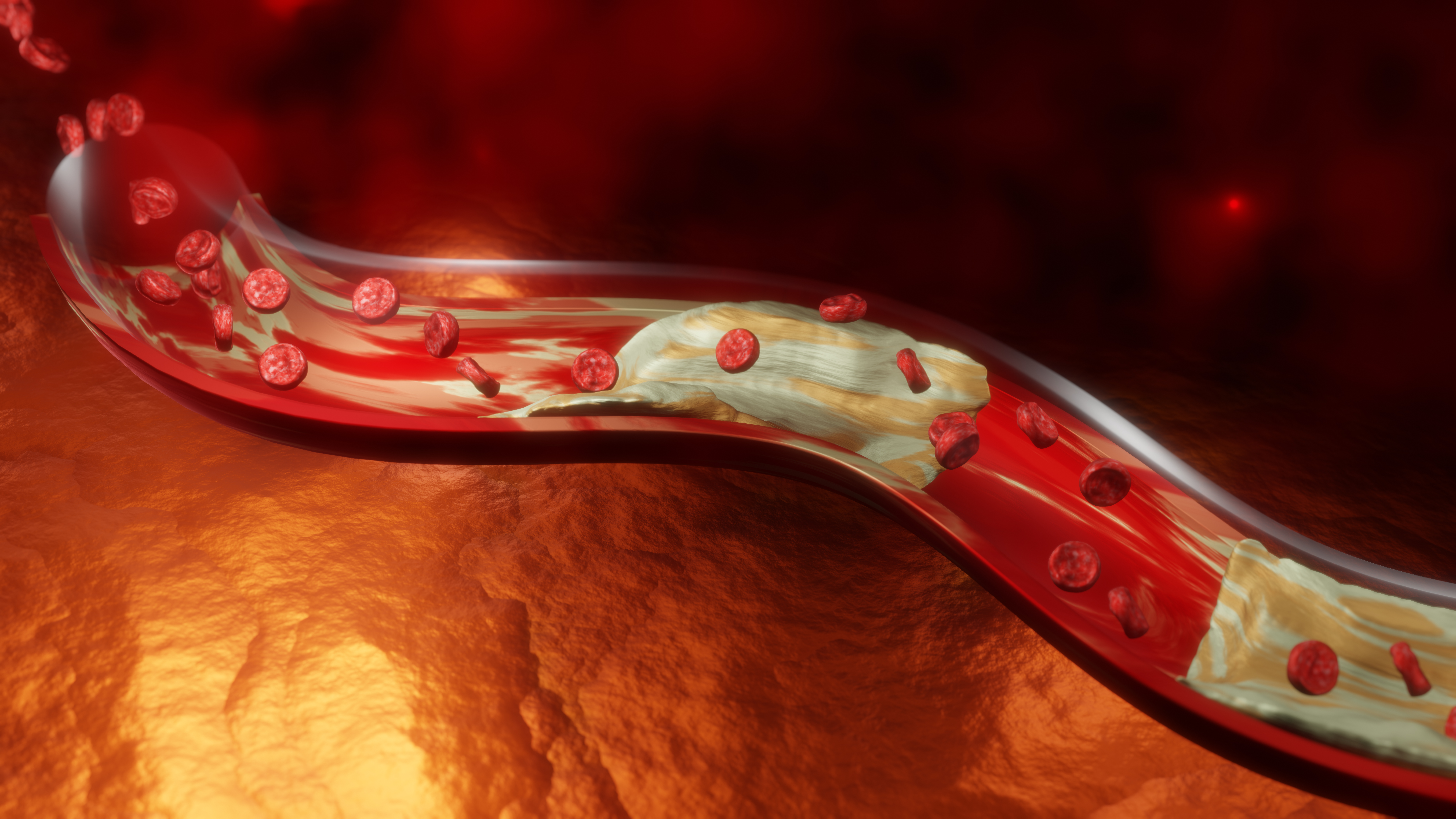
Arterial Plaque Buildup — Understanding Its Impact on Heart Circulation
How Arterial Plaque Begins to Form Inside Blood Vessels
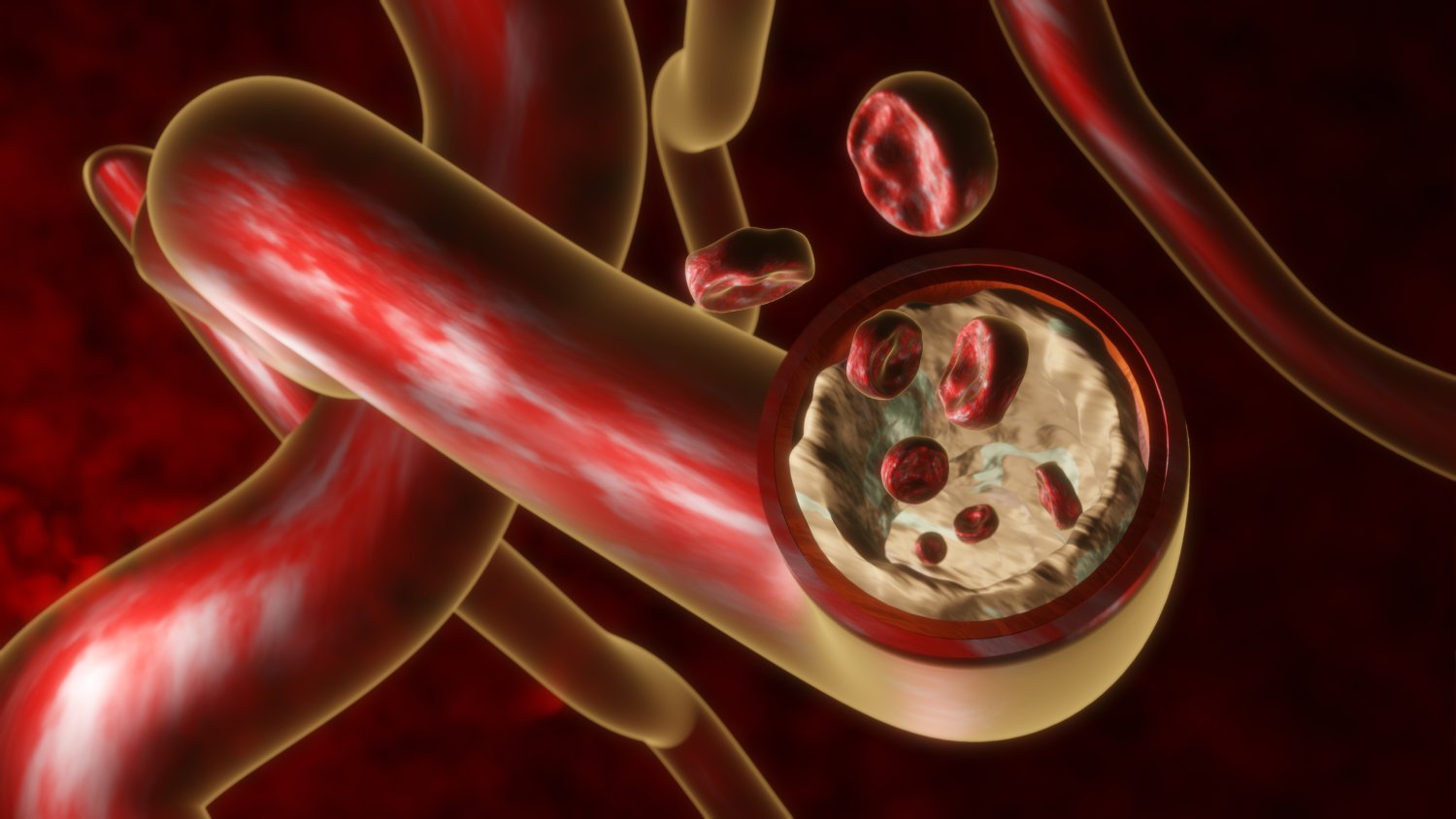
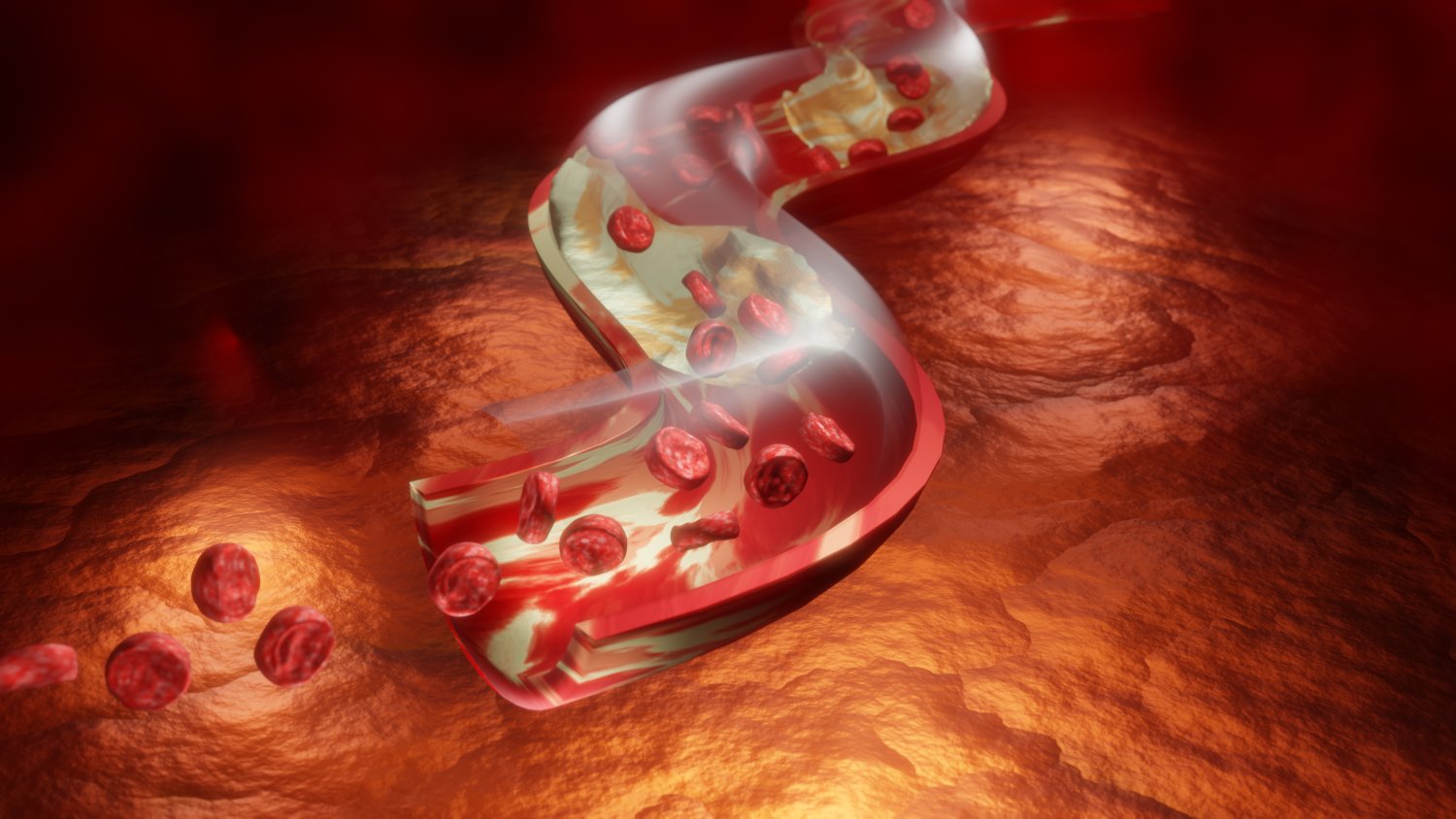
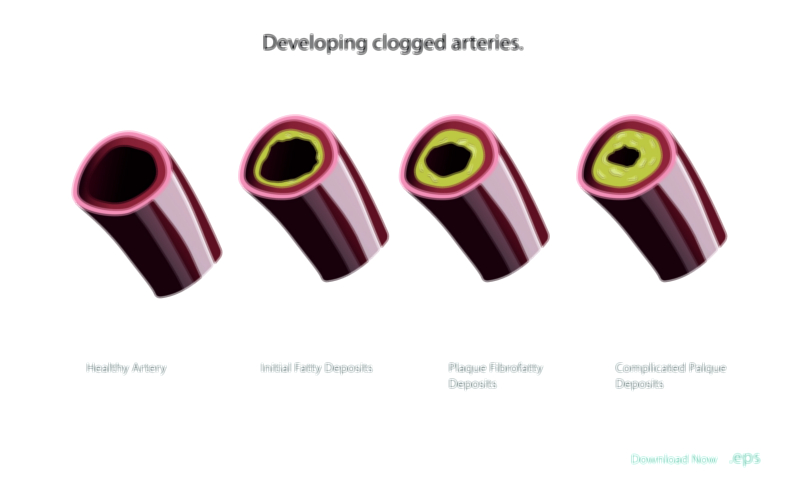
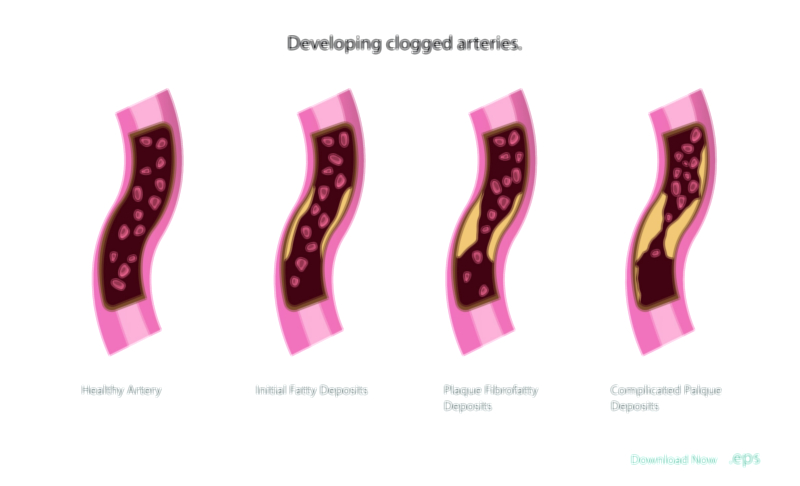
Arterial plaque buildup develops gradually within the inner walls of arteries, creating a slow-moving disruption that eventually affects the heart’s ability to receive the oxygen-rich blood it needs to function efficiently. Inside a healthy artery, the lining is smooth, flexible, and able to expand with each heartbeat, ensuring that blood flows effortlessly. However, when this lining becomes irritated by factors such as high blood pressure, smoking, elevated stress, poor diet, or chronic inflammation, tiny injuries begin to appear. These microscopic disturbances make the once-smooth surface slightly rough, allowing circulating fatty particles and inflammatory materials to cling to the damaged area. Over time, these materials accumulate layer by layer. What begins as a soft streak of fatty deposits gradually thickens into a more structured patch known as plaque. This early buildup is almost always silent, occurring without discomfort or obvious warning signs, even though the foundation for cardiovascular disease is already being laid within the vessel walls.
The Progression From Soft Deposits to Dangerous Blockages
As plaque continues to develop, it becomes increasingly complex. The body tries to protect the artery by sending immune cells to absorb the trapped fatty material, but instead of solving the problem, these cells get embedded within the growing plaque. Additional fats, cellular fragments, and proteins continue to settle into the area, allowing the patch to thicken and extend deeper into the artery wall. With time, portions of the plaque may harden, forming stiff or calcified areas that reduce the artery’s flexibility. The once supple vessel becomes rigid and less responsive to changes in blood flow. As the internal space of the artery narrows, the heart must pump with greater effort to push blood through the restricted passage. This increased workload raises the overall strain on circulation and lays the groundwork for angina, heart attacks, and other serious complications. Even moderate narrowing can reduce blood flow significantly during physical exertion, when the heart demands increased oxygen.
The Impact of Plaque Buildup on Heart Circulation
Heart circulation depends on constant, unrestricted blood flow through the coronary arteries. When plaque forms within these vessels, the heart muscle receives less oxygen, especially during activities that increase demand, such as climbing stairs, exercising, or experiencing emotional stress. This reduction in blood supply may lead to a feeling of heaviness or tightening in the chest, discomfort that radiates through the arms or jaw, or a deep sense of fatigue that seems out of proportion to the activity. In more advanced stages, the plaque becomes unstable. Its outer layer may weaken, allowing the inner contents to rupture into the bloodstream. When this happens, the body responds by forming a clot at the rupture site. This clot can abruptly block the artery completely, cutting off blood flow to part of the heart muscle and triggering a heart attack. Even arteries with only moderate narrowing can produce life-threatening events if the plaque becomes unstable, which is why understanding plaque behavior is so critical.
Why Plaque Forms: Influences From Lifestyle and Biology
Arterial plaque buildup is strongly influenced by long-term lifestyle habits and natural biological processes. Diets high in unhealthy fats, sugars, and processed foods introduce an excess of circulating fats that can settle into arterial walls. Sedentary behavior slows circulation and weakens the body’s ability to regulate cholesterol and blood pressure, two major contributors to plaque formation. Smoking exposes arteries to harmful chemicals that damage the inner lining and accelerate inflammation, making the vessel walls more vulnerable. Stress contributes by tightening blood vessels and altering hormonal patterns that affect cardiovascular health. At the same time, genetics can predispose some individuals to higher cholesterol levels or increased inflammatory responses, even when they follow healthy routines. Age also plays a role; as people grow older, the natural elasticity of arteries decreases, making them more prone to plaque accumulation. When several of these influences overlap, plaque can develop and progress more rapidly.
How Plaque Buildup Affects the Entire Cardiovascular System
Although plaque often begins in one area, its effects extend throughout the cardiovascular system. As arteries narrow, the heart must pump harder, increasing strain on its muscle fibers. This ongoing pressure can weaken the heart over time, reducing its ability to circulate blood efficiently. Reduced blood flow also affects organs such as the brain, kidneys, and limbs. The brain may receive less oxygen, increasing the risk of cognitive decline or stroke. Kidneys may struggle to filter blood properly, influencing fluid balance and blood pressure. Poor circulation in the legs may lead to discomfort when walking or, in severe cases, tissue damage. This wide-reaching impact underscores how plaque is not simply a local buildup but a systemic issue that disrupts the functioning of multiple organs simultaneously.
Recognizing Early Symptoms and the Silent Nature of Plaque
One of the most concerning aspects of arterial plaque buildup is that it progresses quietly for many years. Many individuals experience no symptoms until the blockage becomes significantly advanced. Nevertheless, subtle early signals may appear, offering critical opportunities for early intervention. These include mild chest discomfort during exertion, shortness of breath, unusual fatigue, weakness in the limbs, or discomfort in the neck, back, or jaw. Some people may notice difficulty performing activities that once felt easy. Others experience brief episodes of light-headedness or pressure that seems to accompany emotional stress. While these signs are often dismissed, they may reflect the beginning stages of compromised circulation and should be taken seriously when they appear repeatedly.
Protecting Heart Circulation Through Long-Term Habits
Even though arterial plaque buildup is a long-term process, it can be slowed or stabilized through consistent and mindful habits. Regular physical activity improves circulation, strengthens the heart, and helps regulate blood pressure and cholesterol. A diet rich in whole foods—such as fruits, vegetables, whole grains, legumes, and healthy fats—creates an internal environment that reduces inflammation and discourages plaque expansion. Avoiding smoking protects arterial walls from direct chemical injury, while stress management supports more stable blood pressure and hormonal balance. Adequate sleep, hydration, and healthy weight maintenance also contribute to long-term protection. While not all risk factors can be eliminated, individuals have significant influence over how quickly plaque develops and how effectively the cardiovascular system adapts to challenges.
Why Understanding Arterial Plaque Buildup Matters
A clear understanding of arterial plaque buildup empowers individuals to make meaningful choices that support long-term heart health. Because the condition begins early and progresses silently, awareness is the first step in preventing the serious consequences associated with clogged arteries. Knowledge encourages preventative monitoring, healthier lifestyle habits, and timely medical evaluation. By recognizing how plaque forms, how it affects circulation, and how it can be slowed, individuals gain the ability to protect their heart, promote stability within their cardiovascular system, and reduce the risk of sudden and life-altering events. With this understanding, heart health becomes a proactive and achievable goal rather than a reactive struggle.