Common Stomach Symptoms – Understanding Digestive Discomfort, Underlying Causes, and Educational Insight into Their Meaning and Management
The experience of stomach symptoms is among the most universal health concerns across all age groups, yet it remains one of the most misunderstood areas of personal wellness. People often refer to discomfort in the abdomen simply as a “stomach problem,” but the digestive system is complex, stretching from the esophagus to the intestines, liver, gallbladder, and pancreas, and discomfort in one area can radiate or feel as though it originates elsewhere. Learning about common stomach symptoms not only helps individuals describe what they are feeling more accurately but also provides insight into when symptoms are harmless and temporary versus when they should prompt medical attention. The digestive tract relies on careful coordination of muscular movement, enzyme release, acid secretion, fluid balance, and bacterial harmony to operate smoothly, and whenever one component becomes irritated or disrupted, symptoms appear. This makes gastrointestinal education a crucial part of preventive healthcare because many stomach issues develop gradually from daily habits rather than sudden disease, and understanding symptoms helps prevent escalation, unnecessary anxiety, or delayed treatment.
Among the most common stomach symptoms, abdominal pain is usually the first sensation that alerts a person to a disturbance. Pain itself, however, can vary greatly in intensity, location, and duration, and the characteristics of pain often hint at the underlying cause. Dull, cramping sensations are typically associated with gas buildup, bloating, intestinal movement, or menstrual cycles, while sharp, stabbing pain can suggest acute inflammation or spasms. Pain that spreads across the abdomen without a specific point of origin may reflect general irritation of the digestive organs, while localized pain—such as sharp discomfort in the lower right abdomen or strong pain under the ribs—can correspond to specific organs like the appendix or gallbladder. Even the timing in relation to meals tells a story: pain shortly after eating often suggests stomach lining irritation, while pain that improves after eating may indicate excess acid production before meals. These patterns show how the body sends signals for attention long before serious illness develops, and learning to interpret them encourages thoughtful, proactive care rather than fear or neglect.
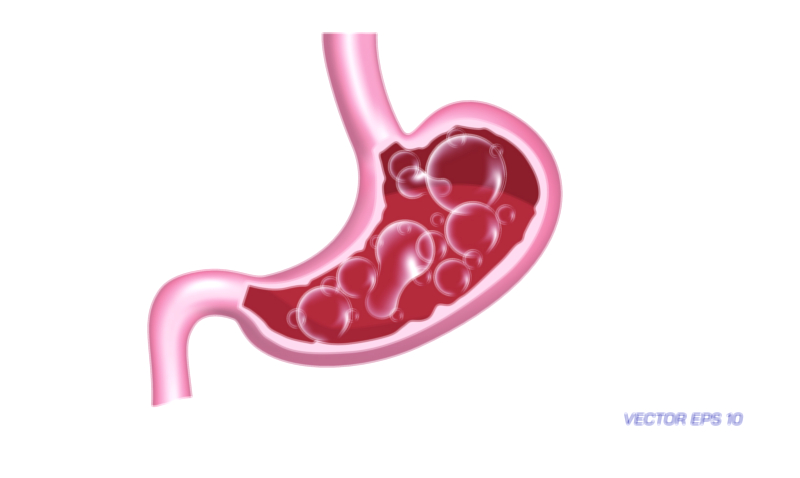
Bloating and gas represent another pair of extremely common stomach symptoms, and although they are often described casually, they reveal important digestive dynamics. Bloating refers to a feeling of fullness, tightness, or pressure in the abdomen, sometimes accompanied by visible swelling of the belly. Gas refers to the buildup of air within the digestive tract, which may be released upward through belching or downward through flatulence. Both gas and bloating are heavily influenced by how efficiently the digestive system breaks down food and how intestinal bacteria interact with unabsorbed nutrients. Foods rich in fiber such as beans, whole grains, and cruciferous vegetables can produce more gas because they undergo fermentation in the colon. Swallowing air while eating quickly, chewing gum, smoking, or drinking carbonated beverages can also contribute. When bloating and gas occur only occasionally, they are usually harmless and related to dietary and lifestyle factors. However, persistent bloating accompanied by changes in bowel habits, weight loss, or fatigue may reflect intolerance to certain foods or chronic inflammatory conditions inside the digestive system, highlighting why symptom frequency and accompanying changes are important clues.
Nausea and vomiting are stomach symptoms that suggest disruption of the nervous system’s control over digestion. Nausea can arise from irritation of the stomach lining, motion sickness, migraine, early pregnancy, infection, or emotional stress, and it reveals that the stomach and brain continually communicate through nerves and hormones. Vomiting occurs when the body forcefully expels stomach contents through coordinated muscular contractions and is usually a protective reaction against toxins, spoiled food, viral infection, or severe pain. Although vomiting can temporarily relieve nausea by eliminating irritants, excessive vomiting risks dehydration and chemical imbalance, especially in young children and the elderly. In many mild cases, nausea resolves with rest, hydration, and dietary moderation. Persistent nausea lasting days or vomiting that contains blood or appears dark and grainy, however, requires medical evaluation to rule out ulcers, intestinal blockages, or internal injury. Thus, understanding nausea as a warning rather than a disease helps individuals differentiate between transient stomach upset and situations needing urgent care.
Diarrhea and constipation represent opposite disturbances in bowel movement but reflect similar patterns of imbalance in digestive function. Diarrhea occurs when stool becomes loose or watery due to increased intestinal movement or inadequate water absorption. It often results from infections, food intolerances, stress, medication side effects, or sudden dietary changes. While short-term diarrhea helps the body quickly expel pathogens or irritants, prolonged diarrhea can deplete electrolytes and weaken the body. Constipation develops when stool moves too slowly through the intestines or when water is excessively absorbed, resulting in dry, hard, and infrequent bowel movements. Common causes include low fiber intake, dehydration, sedentary lifestyle, and delaying the urge to pass stool. Both symptoms illustrate the importance of fluid balance, nutrition, and intestinal muscle coordination. Although many people experience alternating diarrhea and constipation at times of stress or dietary shifts, chronic irregularity may signal irritable bowel-related conditions or structural problems in the intestine. Learning to observe stool patterns empowers individuals to recognize early signs of digestive imbalance and encourages preventive measures rather than emergency intervention.
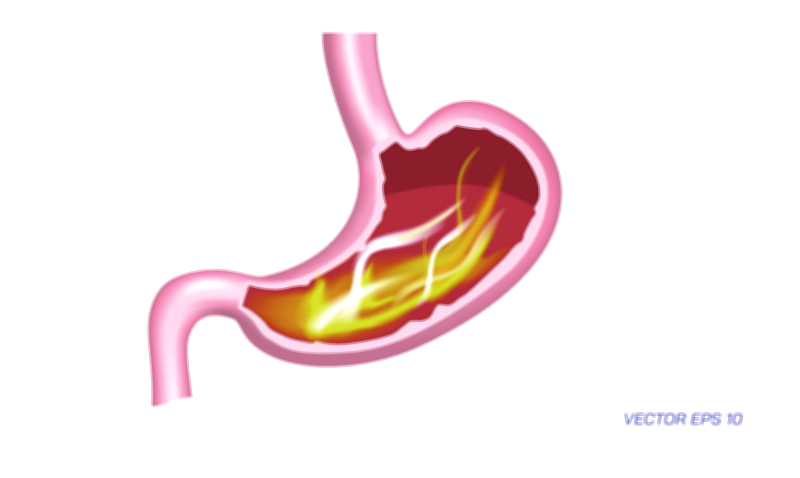
Acid reflux and heartburn are stomach symptoms related to the movement of acidic contents upward into the esophagus. When the valve between the stomach and esophagus weakens or relaxes too frequently, acid travels upward, creating a burning sensation in the chest or throat. This symptom reveals how digestion relies not only on chemical processes but also on muscle control to keep stomach acid in place. While occasional heartburn is common after heavy meals or lying down soon after eating, frequent reflux can inflame the esophagus and interfere with sleep, appetite, and quality of life. In many cases, symptoms improve when individuals avoid triggers such as overeating, late-night meals, caffeine, chocolate, spicy food, or alcohol. Persistent reflux, however, may indicate chronic gastroesophageal irritation requiring further evaluation and management. Understanding heartburn helps individuals view it not as a random flare-up but as a finely tuned response to diet, body posture, and digestive muscle function.
Loss of appetite, early satiety, and unexplained fullness are additional symptoms that reflect the stomach’s complex balance between hunger signals, digestion speed, and emotional state. Loss of appetite may accompany infections, stress, medication effects, hormonal changes, or gastrointestinal inflammation. Early satiety—feeling full after only a few bites—may result from delayed stomach emptying or pressure from gas or inflammation. These symptoms illustrate how digestion depends not only on what a person eats but also on how the body processes hunger and satiety cues. Because appetite changes are common during temporary illness or emotional stress, many individuals recover naturally. However, when such symptoms persist, they can indicate deeper issues such as chronic inflammation, ulcers, or metabolic imbalance. Knowing the difference between short-term appetite fluctuation and a long-lasting pattern is important for recognizing when to seek evaluation.
Across all these symptoms—pain, bloating, gas, nausea, vomiting, diarrhea, constipation, acid reflux, and appetite changes—the most meaningful educational insight is that the digestive system expresses distress in predictable and interpretable ways. The goal of understanding stomach symptoms is not self-diagnosis but improved communication and better recognition of patterns. When individuals can describe the location, duration, triggers, and timing of symptoms precisely, healthcare professionals are able to identify causes more efficiently and reduce anxiety surrounding digestive discomfort. Many stomach symptoms are temporary and reflect diet, hydration, stress, or sleep patterns, which means they can often be prevented or minimized through daily choices. Yet the same awareness helps identify when symptoms do not follow normal patterns and require medical attention, ensuring safety without alarm.
Ultimately, learning about common stomach symptoms strengthens personal health awareness by revealing that the digestive system is both sensitive and adaptive. It reacts to changes to protect the body, and symptoms are part of that communication rather than signs of failure or mystery. When individuals understand digestive discomfort more clearly, they feel more confident, less fearful, and more capable of supporting their long-term well-being through informed behavior and timely medical guidance.