Wave-Particle Type — Dual Nature of Light and Matter Explained
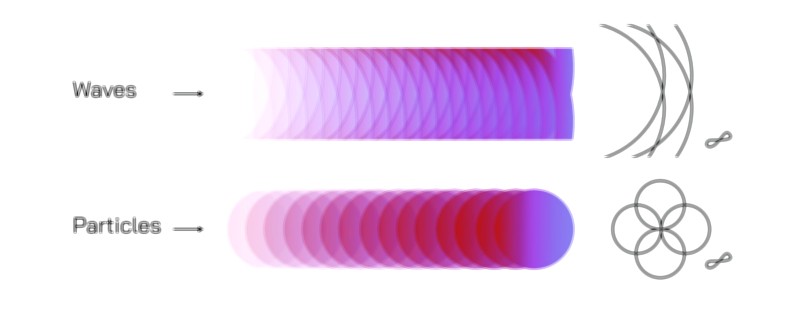
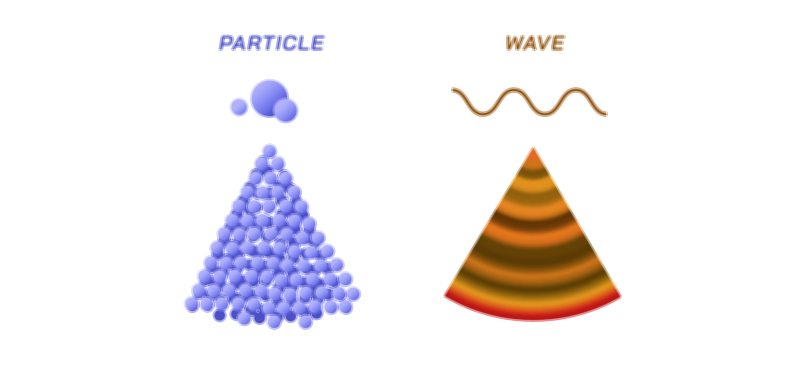
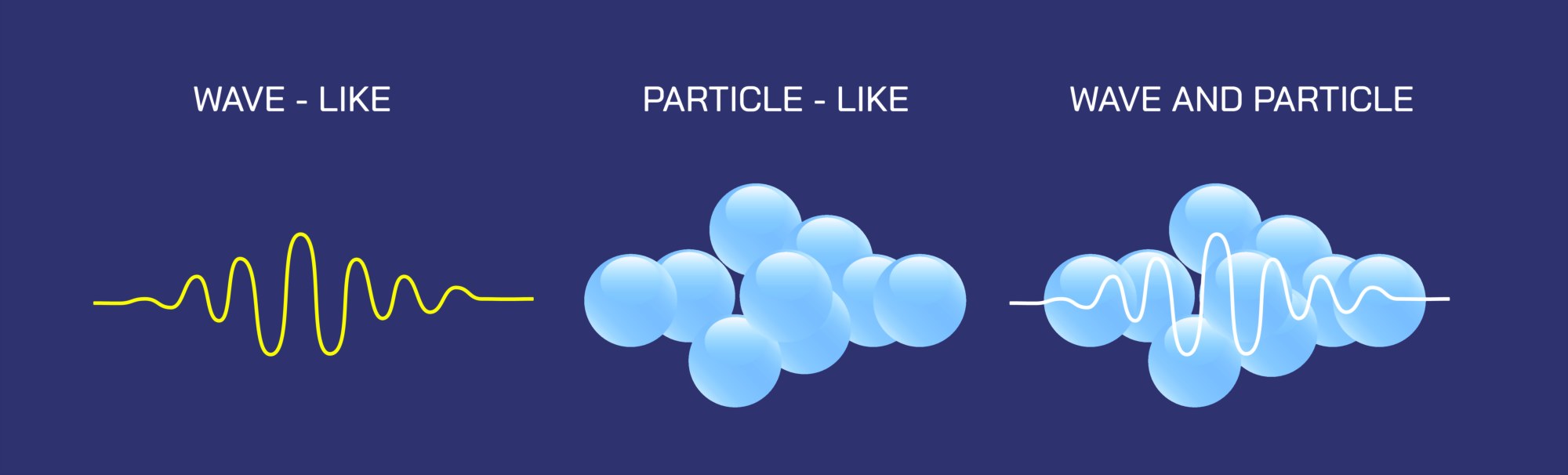
The concept of wave-particle type, also known as wave-particle duality, is a fundamental principle in quantum mechanics that describes how light and matter exhibit both wave-like and particle-like properties depending on the conditions of observation. This dual nature challenges classical physics, where waves and particles were considered separate entities, and is crucial for understanding modern quantum phenomena.
Light, historically understood as a wave due to its ability to exhibit interference and diffraction, also behaves as a particle called a photon, which carries discrete amounts of energy. Similarly, matter particles like electrons, protons, and neutrons demonstrate wave-like behavior, producing patterns associated with interference and diffraction in specific experiments such as the double-slit experiment. This dual behavior allows particles to be described by wave functions, which represent probabilities rather than definite trajectories.
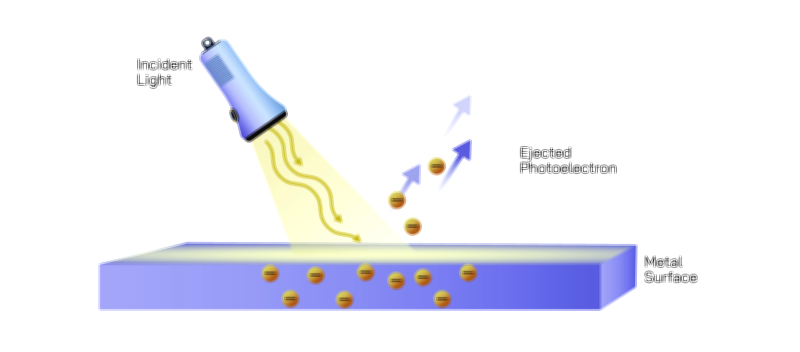
The wave-particle concept is essential for explaining phenomena such as photoelectric effect, where light ejects electrons from metal surfaces, demonstrating particle properties of photons, and electron diffraction, revealing wave characteristics of electrons. Quantum mechanics mathematically models this behavior using wave equations, probability densities, and quantized energy levels, forming the basis for technologies like semiconductors, lasers, and quantum computers.
Understanding wave-particle type behavior also helps reconcile classical and quantum perspectives, showing that entities in the microscopic world cannot be fully described as either particle or wave alone. Instead, the observed behavior depends on experimental context, with measurement and interaction determining whether wave-like interference or particle-like discrete events are detected. This principle underpins fundamental research in atomic, molecular, and optical physics, shaping the modern understanding of matter, energy, and light.
In conclusion, the wave-particle type concept illustrates the dual nature of light and matter, demonstrating that both can exhibit characteristics of waves and particles. It is central to quantum mechanics, explaining phenomena like electron diffraction, photon behavior, and the photoelectric effect. Understanding this principle is essential for comprehending modern physics, quantum technologies, and the probabilistic nature of the microscopic world.