Small Mass vs Large Mass — Heat Delay, Heat Effect, and Thermal Response
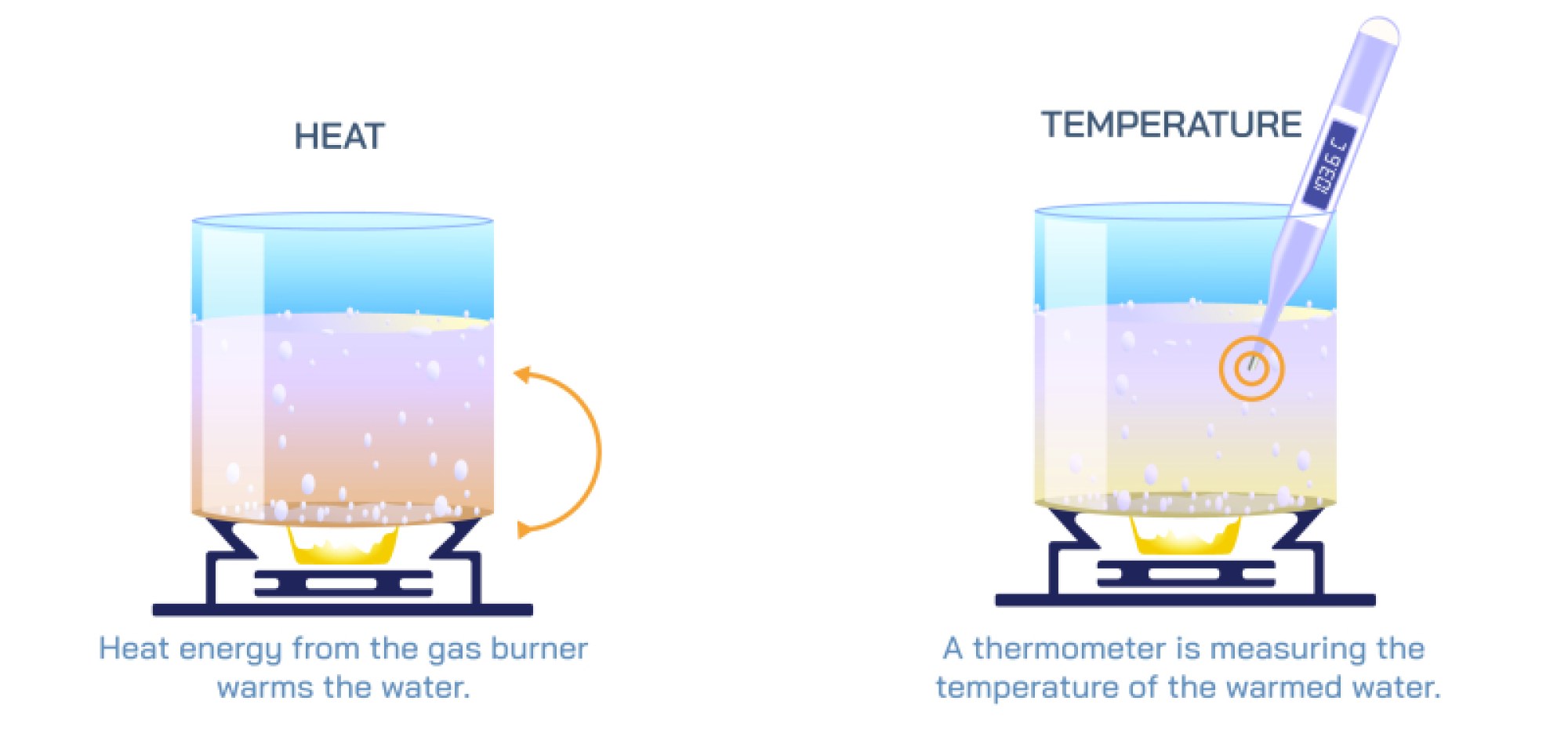
The thermal response of an object to heat depends on its mass, specific heat capacity, and exposure conditions. A small mass and a large mass subjected to the same heat source exhibit significant differences in temperature change, heat delay, and overall thermal effect, which are fundamental concepts in physics, engineering, and material science.
A small mass heats up quickly because it contains fewer particles, requiring less energy to increase its temperature. When heat is applied, the small mass shows a rapid temperature rise, demonstrating a short heat delay and immediate thermal effect. This makes small masses highly responsive to changes in heat but also susceptible to quick cooling when the heat source is removed. Examples include a thin metal plate, a small water sample, or a light object placed in sunlight.
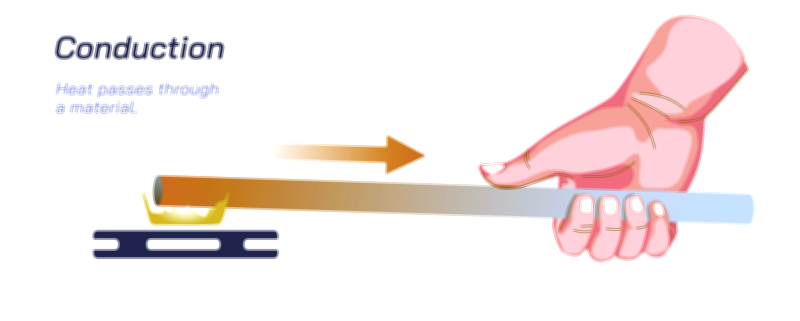
Conversely, a large mass requires more energy to achieve the same temperature change due to the greater number of particles absorbing heat. The heat takes longer to penetrate the entire mass, resulting in a heat delay and a slower, gradual temperature rise. Large masses also retain heat longer, exhibiting a prolonged thermal effect and higher thermal inertia, which helps maintain temperature stability. Examples include a thick metal block, a large body of water, or a heavy container exposed to heat.
The difference in heat response between small and large masses has practical implications in various fields. In engineering, designing heat exchangers, cooking equipment, and building materials requires accounting for the thermal behavior of different masses. In environmental science, understanding how large bodies of water or land masses heat and cool influences climate and weather predictions. The concept also applies to everyday situations, such as why a small pan heats faster than a large pot or why lightweight clothing warms quickly compared to heavy insulation.
In conclusion, small masses respond rapidly to heat with minimal delay, showing quick temperature rise and immediate thermal effects, whereas large masses absorb heat more slowly, exhibit delayed temperature response, and maintain heat longer. Understanding the heat delay and thermal effects in small and large masses is essential for physics, engineering, environmental studies, and practical applications involving energy transfer and temperature management.