Thermophoresis — Particle Migration Under Temperature Gradients
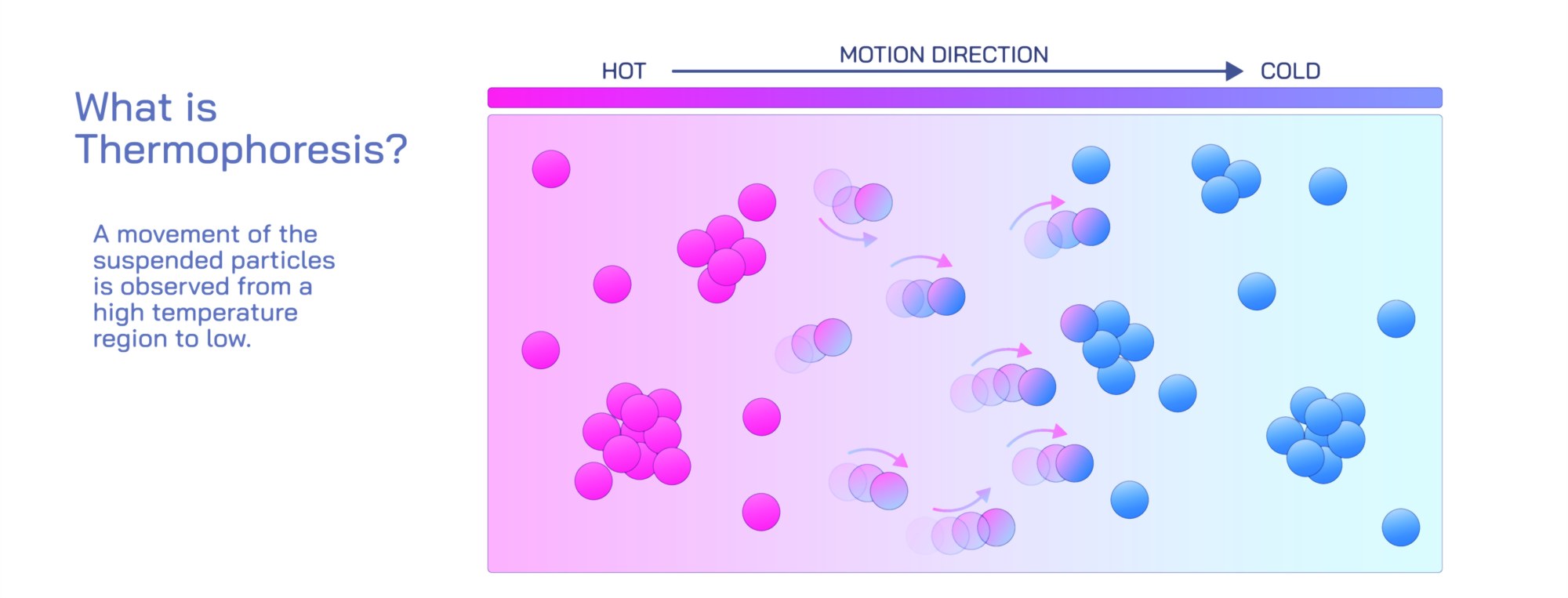
Thermophoresis is a physical phenomenon where particles move in response to a temperature gradient in a gas or liquid. Instead of drifting randomly as in ordinary diffusion, particles travel from regions of higher temperature toward regions of lower temperature, or in some cases the opposite direction, depending on their surface properties and interactions with the surrounding medium. This unique behavior makes thermophoresis an important mechanism in aerosol science, microfluidics, semiconductor manufacturing, and environmental physics.
At a molecular level, thermophoresis occurs because particles experience more frequent and more energetic molecular collisions on their hotter side. The hot side sends stronger momentum pushes compared to the cooler side, creating a net force that propels the particle. This imbalance becomes the driving mechanism that generates directional movement. The strength of this force depends on factors such as the temperature gradient, particle size, gas density, and the thermal conductivity of the particle’s surface.
In gases, thermophoresis is especially noticeable because gas molecules travel freely and transfer kinetic energy efficiently. As the temperature difference increases, so does the speed of particle migration. This effect is often observed in atmospheric aerosols, where small particles drift away from hot surfaces, influencing how dust, smoke, or pollutants distribute in the air. In industrial settings, thermophoresis helps remove fine particles from exhaust streams using thermal precipitators, improving air purity.
In liquids, the process becomes more complex due to stronger intermolecular forces. Particles still move along thermal gradients, but their mobility is affected by viscosity and interactions with the surrounding fluid. Microfluidic researchers use thermophoresis to manipulate biomolecules, such as DNA and proteins, enabling precise separation or concentration without mechanical contact. This controlled movement also plays a role in diagnostic techniques and analytical chemistry, where temperature zones help guide molecular behavior.
Thermophoresis is also relevant in semiconductor fabrication. During chip manufacturing, tiny particles can contaminate surfaces, leading to defects. Engineers utilize heated wafers or controlled temperature zones to push particles away, keeping surfaces clean and improving product reliability. This non-contact particle management method avoids the mechanical disturbances that traditional cleaning processes might introduce.
Beyond industrial applications, thermophoresis contributes to natural processes. In volcanic plumes, ash particles are redistributed due to strong temperature gradients. In biological systems, small molecules shift within cells under thermal variations, influencing biochemical reactions. Even in astrophysical environments, thermophoretic forces can affect dust motion around stars or within cosmic gas clouds.
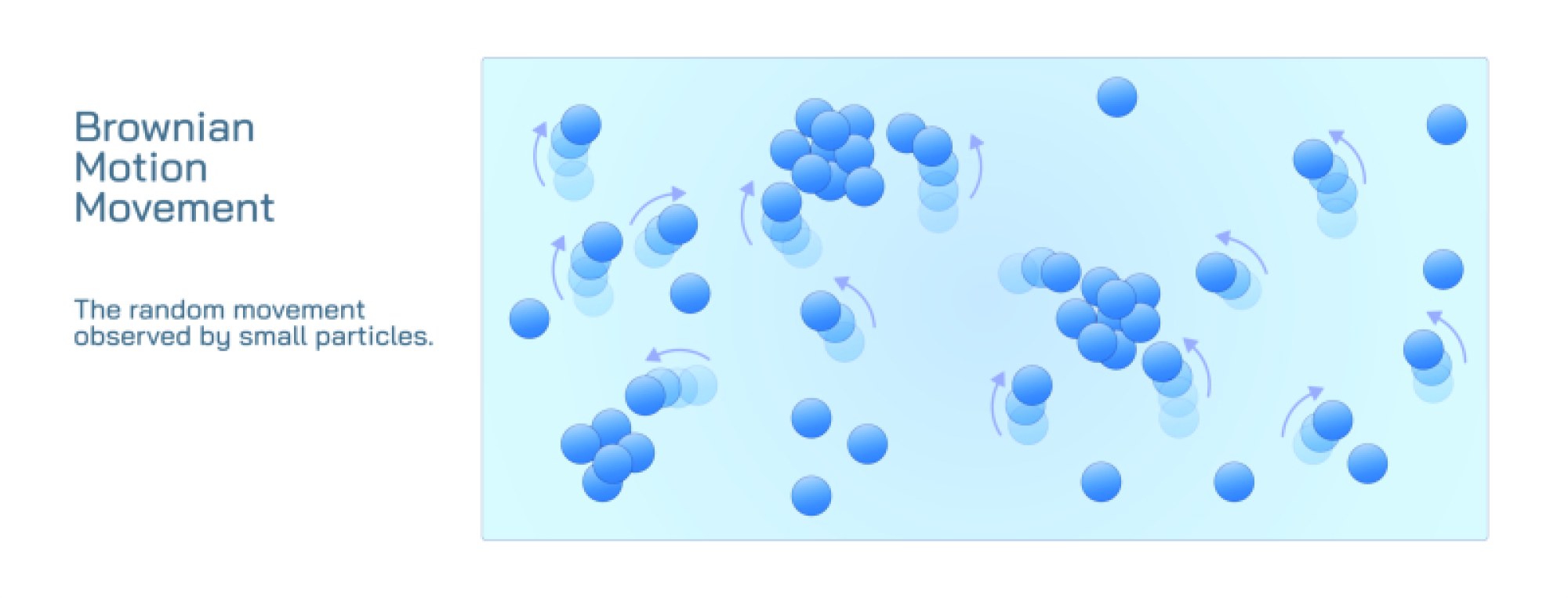
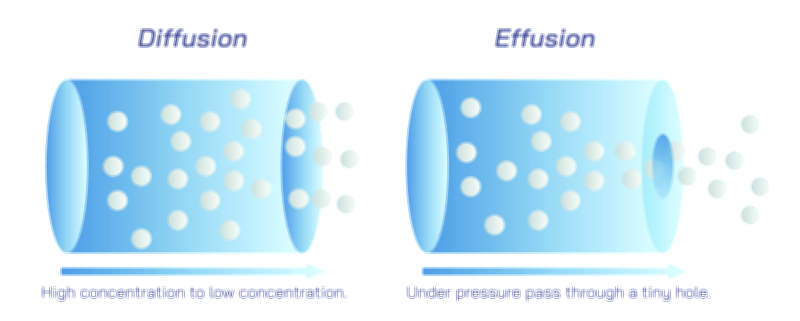
A key characteristic of thermophoresis is that it competes with diffusion. While diffusion spreads particles randomly due to concentration differences, thermophoresis adds a directional push caused by temperature. When both forces act simultaneously, the overall movement reflects the balance between them. This interplay allows scientists to design systems where particle paths can be finely controlled by adjusting heat patterns.
As technology continues to miniaturize, thermophoresis becomes increasingly valuable. At microscopic scales, even small temperature differences can generate significant particle movement. This makes the phenomenon ideal for lab-on-a-chip devices, targeted drug delivery research, nanomaterial transport, and thermal microscopy. Its ability to manipulate particles without physical contact provides unique advantages over mechanical methods.
Overall, thermophoresis reveals how temperature and motion interact in surprising ways. By understanding and applying this principle, scientists and engineers can harness heat-driven forces to control particles, improve industrial processes, and explore new physical and biological behaviors. The study of thermophoresis continues to expand as innovations in microtechnology and fluid dynamics deepen our understanding of heat-induced particle migration.