RGB vs CMYK — Understanding Color Differences in Digital and Print Media
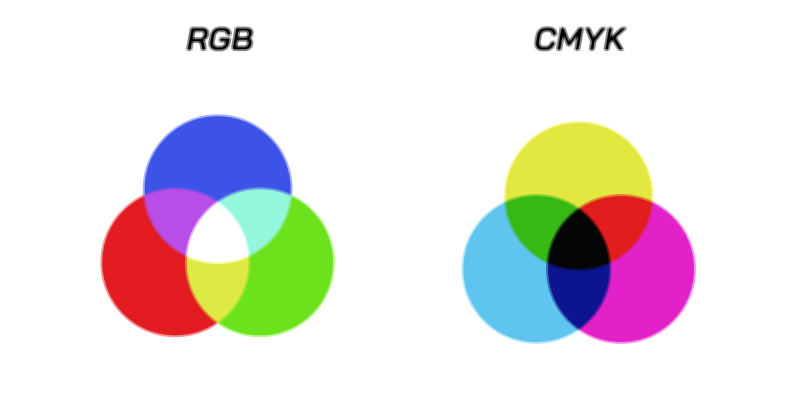
RGB and CMYK are two primary color models used in visual media, each serving distinct purposes based on how colors are generated and displayed. The RGB color model (Red, Green, Blue) is an additive color model, primarily used for digital screens such as computers, televisions, and smartphones. In this model, colors are created by combining different intensities of red, green, and blue light. When all three colors are combined at full intensity, they produce white, and varying combinations produce a wide range of vibrant colors. RGB is ideal for digital design because it aligns with how screens emit light, allowing precise control over color brightness and saturation.
On the other hand, the CMYK color model (Cyan, Magenta, Yellow, Key/Black) is a subtractive color model, mainly used in printing. In CMYK, colors are created by subtracting light using inks or pigments. Combining all primary inks theoretically produces black, while partial combinations produce other colors. CMYK is essential for print media because printed surfaces reflect ambient light, and the subtractive process ensures accurate reproduction of colors on paper. Designers often convert RGB images to CMYK before printing to account for differences in how colors appear on screen versus paper.
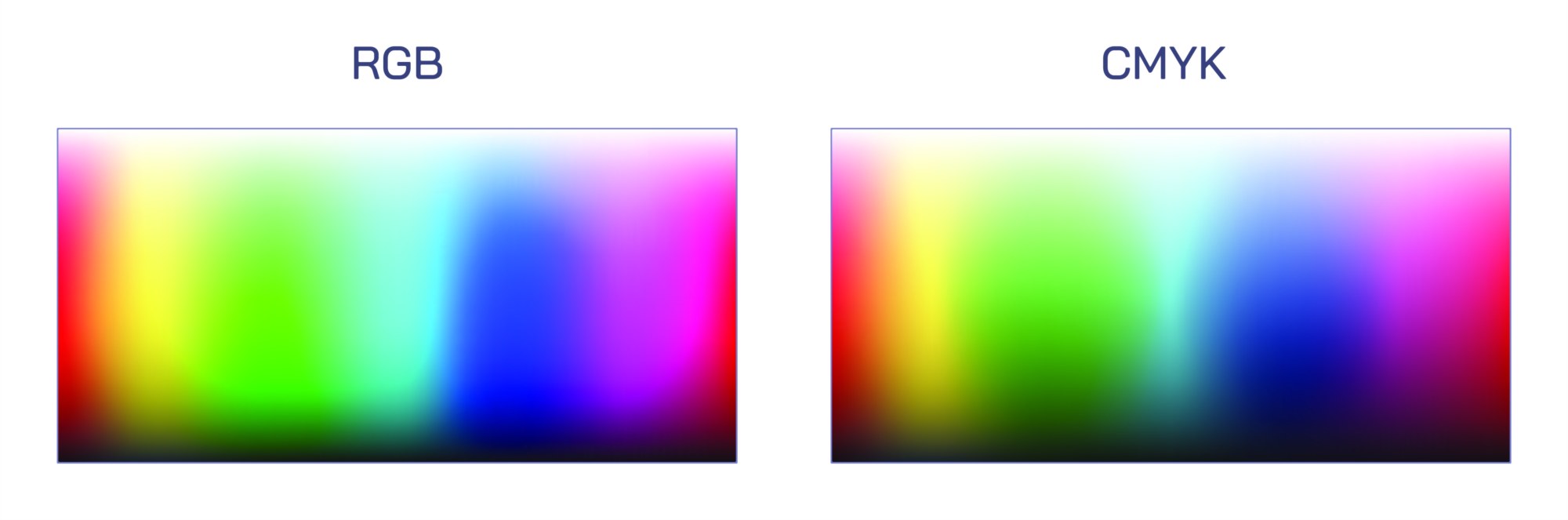
The key difference between RGB and CMYK lies in their method of color creation. RGB uses emitted light, resulting in bright and vibrant colors suited for digital displays, while CMYK relies on reflected light, producing colors suitable for physical media but often less saturated than RGB. This difference means some colors visible on a screen in RGB cannot be exactly replicated in CMYK, leading to adjustments in graphic design and printing workflows. Understanding this distinction is crucial for designers, photographers, and publishers to ensure color consistency across digital and printed formats.
In conclusion, RGB and CMYK represent two different approaches to color: additive for digital displays and subtractive for printing. RGB produces colors through light emission, offering vibrant hues for screens, whereas CMYK relies on ink absorption, suitable for accurate printed reproduction. Knowledge of these color models and their differences allows designers and visual artists to manage color effectively, ensuring consistency and quality across digital and print media.