Normal Prostate vs Enlarged Prostate — Structure, Function, and Health Differences
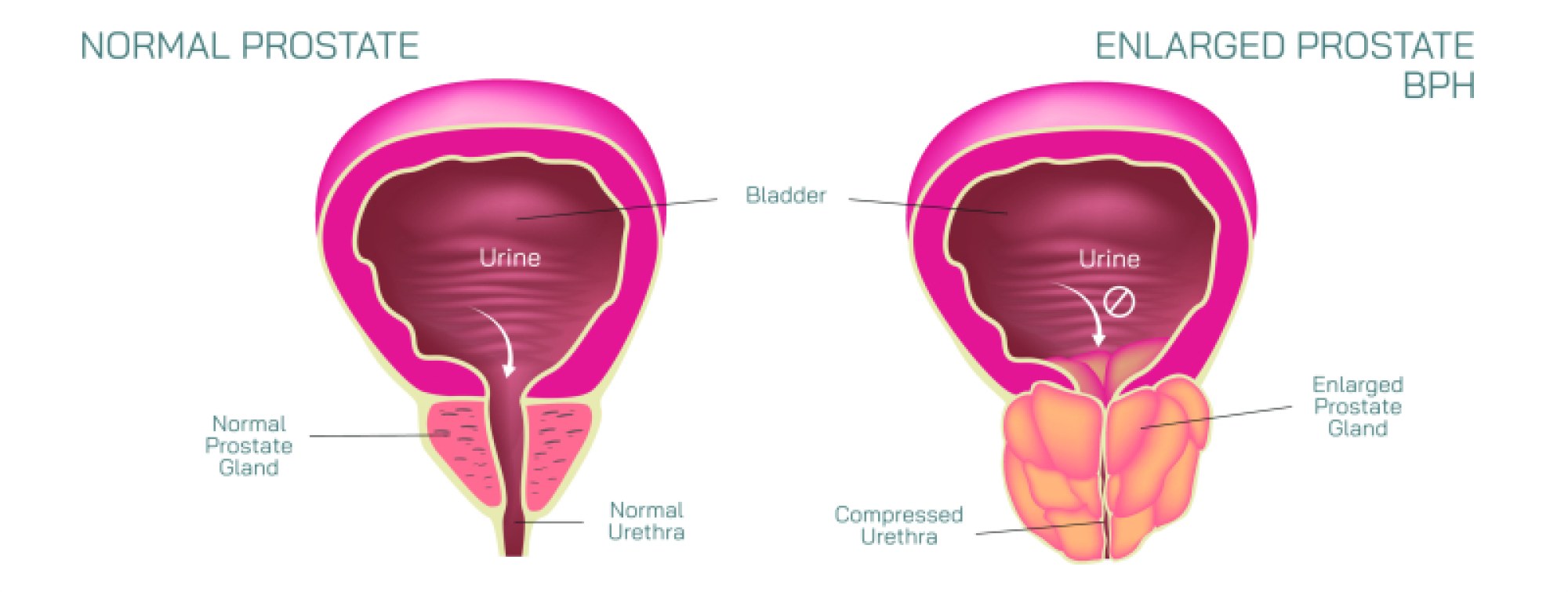
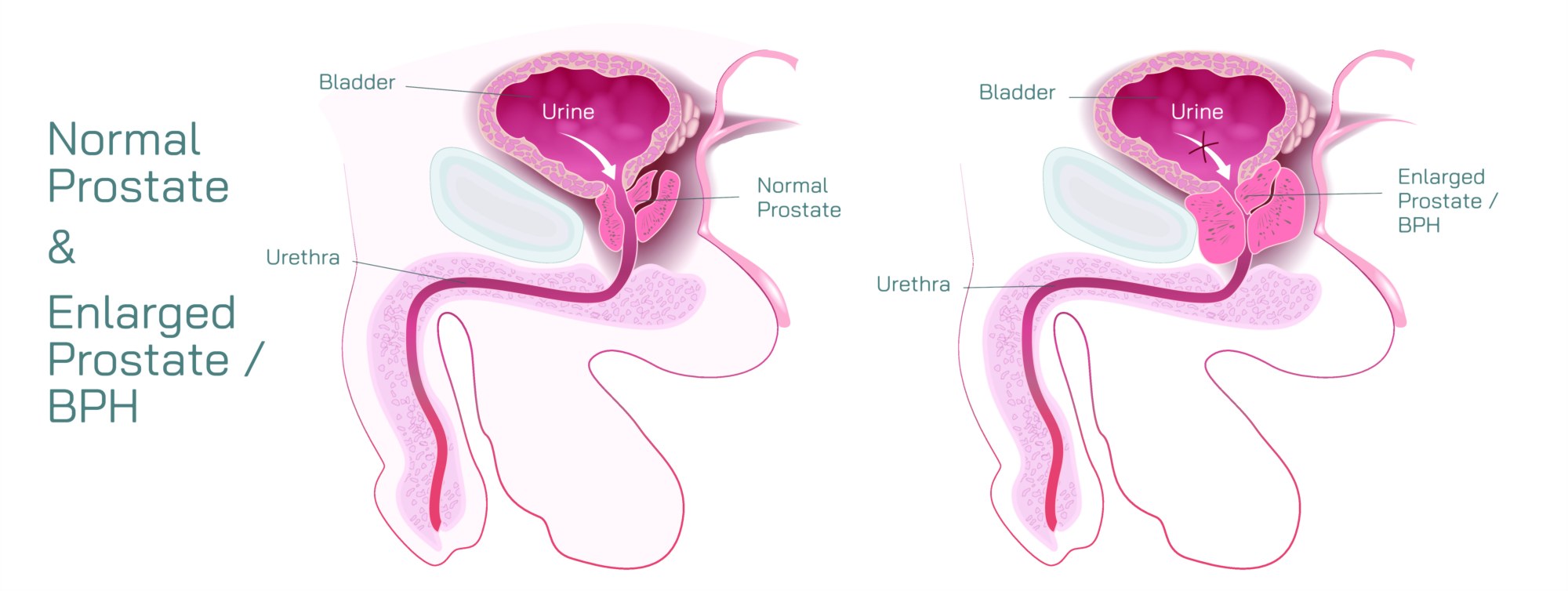
The prostate gland is a small, walnut-shaped organ in the male reproductive system that surrounds the urethra, just below the bladder. In its normal state, the prostate plays a critical role in producing seminal fluid, which nourishes and transports sperm during ejaculation. A healthy prostate is firm, smooth, and maintains a size that does not interfere with urinary or reproductive function. Proper functioning of the prostate is essential for male fertility and urinary health.
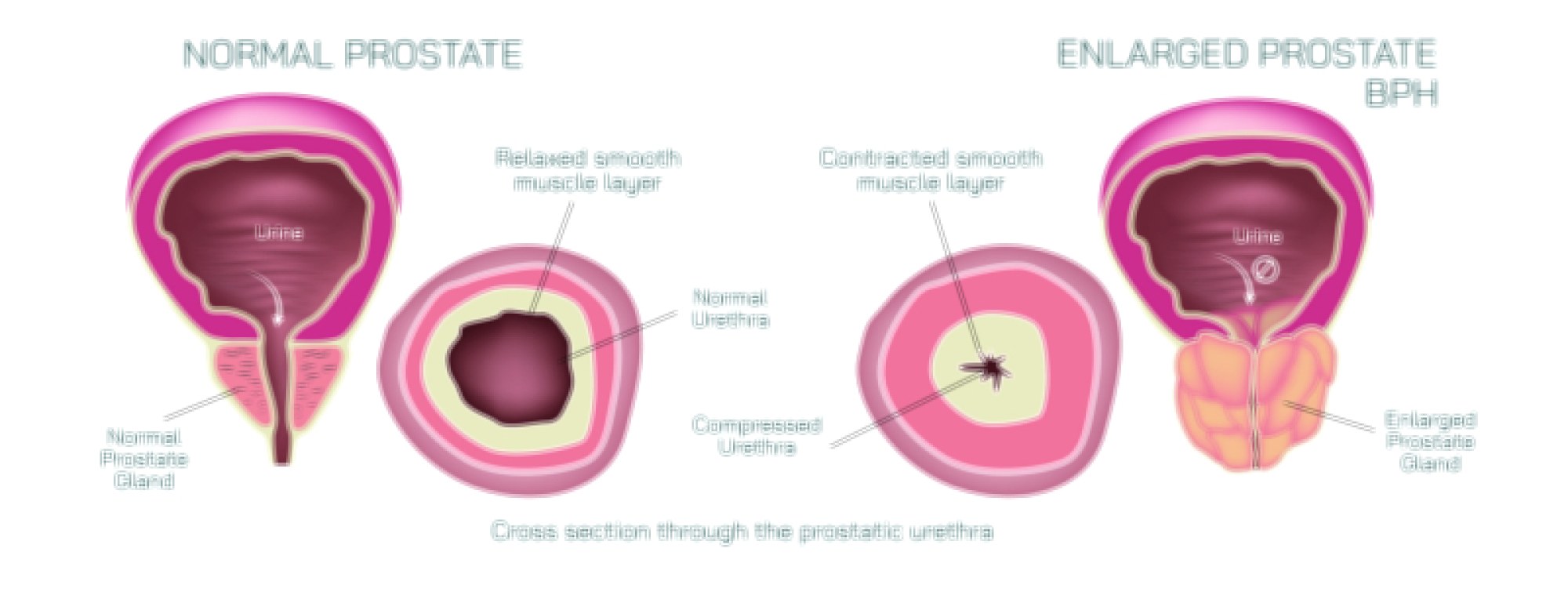
An enlarged prostate, medically referred to as benign prostatic hyperplasia (BPH), occurs when the gland grows larger than normal. Enlargement is common in aging men and can compress the urethra, leading to urinary symptoms such as difficulty starting urination, weak stream, frequent urination, nighttime urination, and incomplete bladder emptying. Unlike prostate cancer, benign enlargement is noncancerous but can significantly affect quality of life if left unmanaged.
The difference between a normal and enlarged prostate is primarily in size, shape, and impact on surrounding structures. A normal prostate allows unobstructed urine flow, whereas an enlarged prostate constricts the urethra and bladder neck, causing urinary difficulties. The enlargement may also lead to complications such as urinary tract infections, bladder stones, and, in severe cases, kidney damage if untreated. Diagnosis of enlargement is achieved through physical examination, imaging, and tests that assess urinary function.
Management of an enlarged prostate includes lifestyle changes, medication to relax prostate muscles or shrink the gland, and in some cases, surgical procedures to relieve obstruction. Monitoring prostate health through regular check-ups is important for early detection of enlargement or other conditions such as prostate cancer. Maintaining a balanced diet, staying hydrated, and avoiding excessive alcohol or caffeine can also support prostate function.
In conclusion, the normal prostate is a small, functional gland essential for reproductive and urinary health, while an enlarged prostate represents a common condition that can disrupt urinary flow and quality of life. Understanding the differences between normal and enlarged prostate anatomy and function is crucial for male health awareness, early detection, and appropriate management of prostate-related issues.