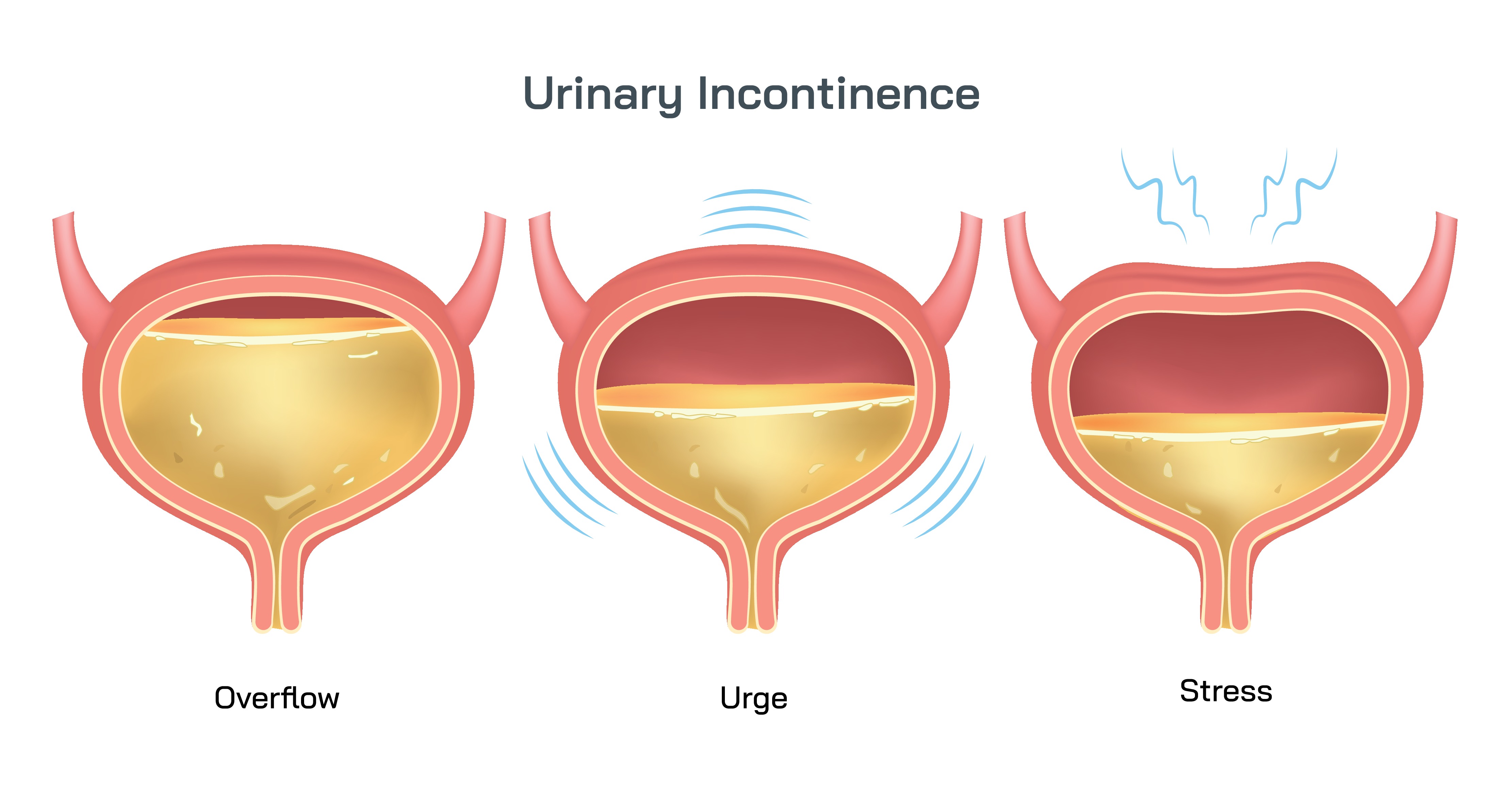
Bladder incontinence, medically known as urinary incontinence, is a condition characterized by the involuntary leakage of urine. It occurs when a person loses control over the muscles and nerves responsible for storing and releasing urine. Although often associated with aging, bladder incontinence can affect individuals of all ages and genders. The condition ranges from occasional minor leakage to complete loss of bladder control and can significantly impact physical comfort, emotional well-being, and quality of life.
The urinary bladder is a muscular, balloon-like organ that stores urine produced by the kidneys. Under normal conditions, the bladder fills gradually, and nerves signal the brain when it is time to urinate. The muscles of the bladder wall contract while the sphincter muscles relax, allowing urine to pass through the urethra. Bladder incontinence develops when this coordinated process is disrupted due to muscle weakness, nerve damage, or functional impairment.
There are several types of bladder incontinence, each with distinct causes and characteristics. Stress incontinence occurs when physical pressure is applied to the bladder, such as during coughing, sneezing, laughing, lifting heavy objects, or exercising. This type is commonly caused by weakened pelvic floor muscles and is more prevalent in women, particularly after pregnancy, childbirth, or menopause. In men, it may occur following prostate surgery.
Urge incontinence is characterized by a sudden, intense urge to urinate followed by involuntary leakage. It is often associated with an overactive bladder, where bladder muscles contract unpredictably even when the bladder is not full. Neurological conditions, bladder irritation, infections, and certain medications can contribute to this type of incontinence.
Overflow incontinence occurs when the bladder does not empty completely, causing urine to leak continuously or frequently in small amounts. This type is commonly linked to blocked urinary flow, weak bladder muscles, or nerve damage. Conditions such as diabetes, spinal injuries, and prostate enlargement can increase the risk of overflow incontinence.
Functional incontinence occurs when a person has normal bladder function but is unable to reach the toilet in time due to physical limitations, cognitive impairment, or environmental barriers. This type is often seen in individuals with mobility issues, arthritis, neurological disorders, or dementia.
Bladder incontinence can have many underlying causes. Weak pelvic floor muscles reduce support for the bladder and urethra, leading to leakage. Nerve damage caused by conditions such as stroke, multiple sclerosis, Parkinson’s disease, or spinal cord injury can interfere with bladder control signals. Hormonal changes, particularly reduced estrogen levels in women, may weaken urinary tissues. Chronic coughing, obesity, and constipation increase abdominal pressure and strain bladder-supporting structures.
Symptoms of bladder incontinence vary depending on the type and severity. Common signs include urine leakage during physical activity, sudden urges to urinate, frequent urination, nighttime urination, difficulty starting urine flow, and feeling that the bladder is not fully emptied. These symptoms can lead to embarrassment, anxiety, sleep disturbance, and reduced social interaction if not properly managed.
Diagnosis of bladder incontinence involves a detailed medical history, physical examination, and evaluation of urinary habits. Doctors may ask patients to maintain a bladder diary to track fluid intake, urination frequency, and leakage episodes. Additional tests may include urine analysis, ultrasound, bladder pressure testing, and nerve function assessments to identify underlying causes.
Treatment of bladder incontinence depends on the type, cause, and severity of the condition. Conservative approaches are often the first line of management. Pelvic floor muscle strengthening exercises help improve muscle control and reduce leakage. Bladder training techniques involve gradually increasing the time between urination to improve bladder capacity and control.
Lifestyle modifications play a crucial role in managing bladder incontinence. Maintaining a healthy weight reduces pressure on the bladder. Limiting caffeine, alcohol, and spicy foods can reduce bladder irritation. Adequate hydration is important, as reducing fluid intake excessively can worsen symptoms. Timed voiding and scheduled bathroom visits can help prevent accidents.
Medical treatments may include medications that relax bladder muscles or improve sphincter function. In some cases, devices or minimally invasive procedures are used to support bladder position or stimulate nerve function. Surgical options are considered when other treatments are ineffective and may involve repairing or supporting weakened structures.
Bladder incontinence can affect emotional and psychological health. Many individuals experience embarrassment, frustration, or social withdrawal. Education, reassurance, and supportive care are essential to reduce stigma and encourage individuals to seek help. With appropriate management, most people experience significant improvement in symptoms and quality of life.
Prevention focuses on maintaining pelvic muscle strength, avoiding excessive strain, managing chronic conditions, and adopting healthy lifestyle habits. Early intervention is important, as untreated incontinence can worsen over time and lead to complications such as skin irritation and urinary infections.
Urinary bladder incontinence is a complex health condition that reflects disruption in one of the body’s most finely controlled systems. Normal bladder function depends on precise coordination between muscles, nerves, the spinal cord, and the brain. Any disturbance in this coordination can lead to involuntary urine leakage. While bladder incontinence is often misunderstood as a normal or unavoidable part of aging, it is not a disease itself but a symptom of underlying physiological or neurological changes. Understanding the condition in depth helps remove stigma and highlights that effective management is possible in most cases.
The bladder functions as a temporary storage organ. As urine gradually fills the bladder, stretch receptors in the bladder wall send signals to the brain indicating fullness. Under normal circumstances, the brain consciously delays urination until an appropriate time and place. This control depends on strong pelvic floor muscles, healthy bladder muscles, and intact nerve pathways. Incontinence occurs when any part of this control system weakens or malfunctions. The result may be sudden urgency, leakage during physical activity, or an inability to completely empty the bladder.
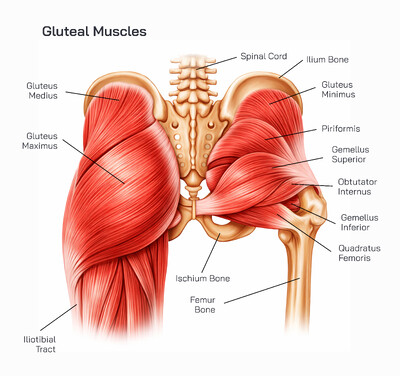
One of the most common contributors to bladder incontinence is pelvic floor muscle weakness. These muscles form a supportive sling beneath the bladder and urethra. When they weaken, the urethra loses support, making it difficult to keep urine contained during increases in abdominal pressure. This is especially common in women due to pregnancy, childbirth, and hormonal changes after menopause. Repeated stretching of pelvic tissues can reduce muscle tone and elasticity, leading to leakage during coughing, sneezing, or lifting.
Neurological control plays an equally important role. The bladder relies on nerves that transmit signals between the bladder, spinal cord, and brain. Conditions that damage or disrupt these pathways can significantly impair bladder control. Stroke, spinal cord injury, multiple sclerosis, Parkinson’s disease, and diabetes-related nerve damage are common neurological contributors. In such cases, the bladder may contract at inappropriate times or fail to empty properly, resulting in urge or overflow incontinence.
Bladder incontinence is also influenced by changes in bladder muscle behavior. In some individuals, the bladder muscle becomes overactive, contracting suddenly even when the bladder is only partially filled. This leads to an urgent need to urinate that is difficult to delay. Overactive bladder can occur without a clear cause or may result from irritation, infection, or neurological conditions. The unpredictability of these contractions can severely disrupt daily life and sleep patterns.
Overflow incontinence represents a different mechanism altogether. In this case, the bladder becomes overly full because it cannot empty effectively. Urine then leaks out in small amounts. This condition is often associated with blockages, such as prostate enlargement in men, or weakened bladder muscles that cannot generate sufficient force to expel urine. Chronic conditions that affect nerve signaling can also interfere with bladder emptying, increasing the risk of overflow leakage.
Functional incontinence highlights how bladder control is not only a physical process but also depends on mobility, cognition, and environment. Individuals with arthritis, impaired vision, memory disorders, or limited access to bathroom facilities may experience leakage simply because they cannot reach the toilet in time. In such cases, the bladder itself may function normally, but external factors interfere with timely urination.
Bladder incontinence has far-reaching effects beyond physical symptoms. Many individuals experience emotional distress, embarrassment, and reduced self-confidence. Fear of accidents may lead to avoidance of social activities, exercise, or travel. Sleep disruption is common, particularly when nighttime urination becomes frequent. Over time, these challenges can contribute to anxiety, depression, and reduced overall quality of life if not addressed.
Diagnosis of bladder incontinence requires careful evaluation. A detailed history helps identify patterns, triggers, and severity of symptoms. Physical examination assesses pelvic muscle strength, nerve function, and signs of underlying disease. Simple tools such as bladder diaries provide valuable insight into fluid intake, urination frequency, and leakage episodes. In more complex cases, specialized tests evaluate bladder pressure, muscle activity, and nerve responses to identify the precise cause.
Management of bladder incontinence often begins with non-invasive approaches. Strengthening pelvic floor muscles improves support and control, especially in stress-related leakage. Bladder training helps restore normal signaling between the bladder and brain by gradually increasing the time between urination. These methods require consistency and patience but can produce significant improvement without medication.
Lifestyle adjustments play a critical role in long-term management. Excess body weight increases pressure on the bladder and pelvic floor, making weight management an important factor. Dietary choices influence bladder irritation; substances such as caffeine, alcohol, and acidic foods can worsen symptoms. Adequate hydration is essential, as concentrated urine can irritate the bladder lining, even though many individuals mistakenly reduce fluid intake.
Medical therapies are used when conservative measures are insufficient. Certain medications help calm overactive bladder muscles or improve nerve signaling. In selected cases, targeted procedures or supportive devices help restore bladder position or improve sphincter function. Surgical interventions are reserved for severe or persistent cases and aim to correct structural weaknesses or blockages.
Skin care and hygiene are important aspects of incontinence management. Frequent exposure to moisture can lead to skin irritation, infection, and discomfort. Proper cleansing, protective barriers, and breathable absorbent products help maintain skin health and dignity. These practical measures significantly improve daily comfort and confidence.
Prevention strategies focus on maintaining pelvic strength, managing chronic diseases, avoiding excessive strain, and seeking early medical advice when symptoms appear. Early intervention prevents progression and reduces complications. Education plays a vital role in empowering individuals to recognize symptoms and understand that bladder incontinence is a treatable condition rather than an inevitable outcome.
From a public health perspective, bladder incontinence is increasingly recognized as a condition requiring greater awareness and support. As populations age, the number of affected individuals continues to grow. Addressing incontinence openly reduces stigma and encourages timely treatment, improving both individual well-being and healthcare outcomes.
In conclusion, urinary bladder incontinence is a multifactorial condition involving muscular, neurological, and functional elements. Its impact extends beyond physical leakage to emotional, social, and psychological well-being. Although it can be challenging, bladder incontinence is manageable through a combination of medical care, lifestyle modification, and supportive strategies. With proper understanding and treatment, individuals can regain control, confidence, and a significantly improved quality of life.
In summary, bladder incontinence is a common but manageable condition resulting from disrupted control of urine storage and release. It may arise from muscle weakness, nerve damage, or functional limitations and presents in various forms. Understanding its causes, recognizing symptoms early, and adopting appropriate treatment strategies can greatly improve comfort, confidence, and overall well-being.