Inflamed Thyroid Neck Appearance – Visible and Physical Changes in the Neck During Thyroid Inflammation, Structural Swelling, Painful Sensations, Hormonal Fluctuations, and the Medical Meaning Behind External Symptoms
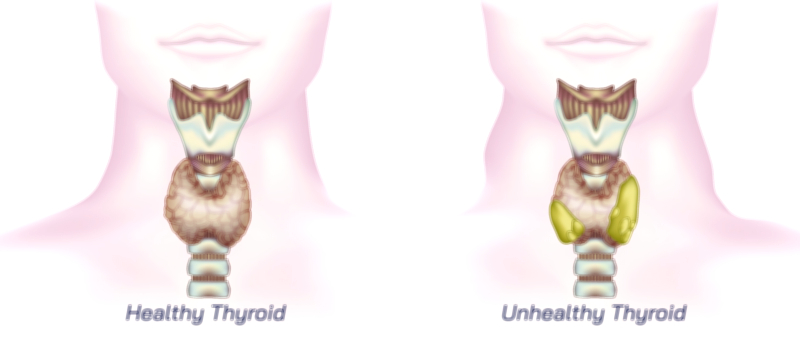
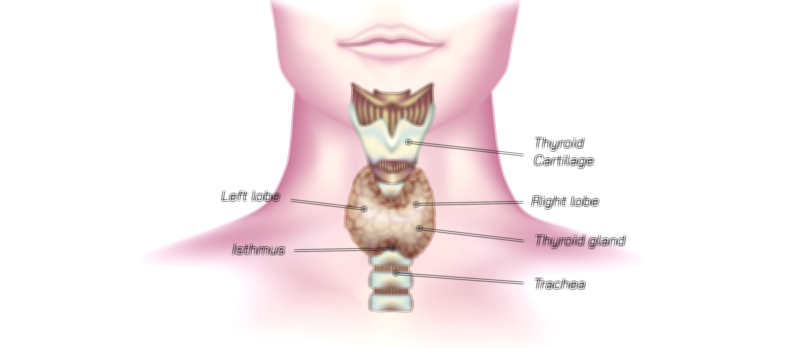
The appearance of the neck can provide important clues when the thyroid gland becomes inflamed, because inflammation alters both the structure and the surface visibility of the gland. The thyroid normally rests almost unnoticed at the front of the neck, its two lobes hugging the trachea beneath the larynx. In healthy conditions, the gland is not easily seen or felt, and the neck maintains a smooth contour when viewed from the front or side. When the thyroid becomes inflamed, however, swelling and internal irritation change this natural appearance, sometimes subtly and sometimes very dramatically depending on the severity and type of inflammation. Although neck appearance alone cannot diagnose thyroiditis, it often gives the first visual indication that something in the thyroid is not in its normal state, making awareness of these anatomical changes important for both patients and clinicians.
Early Visual and Physical Changes During Thyroid Inflammation
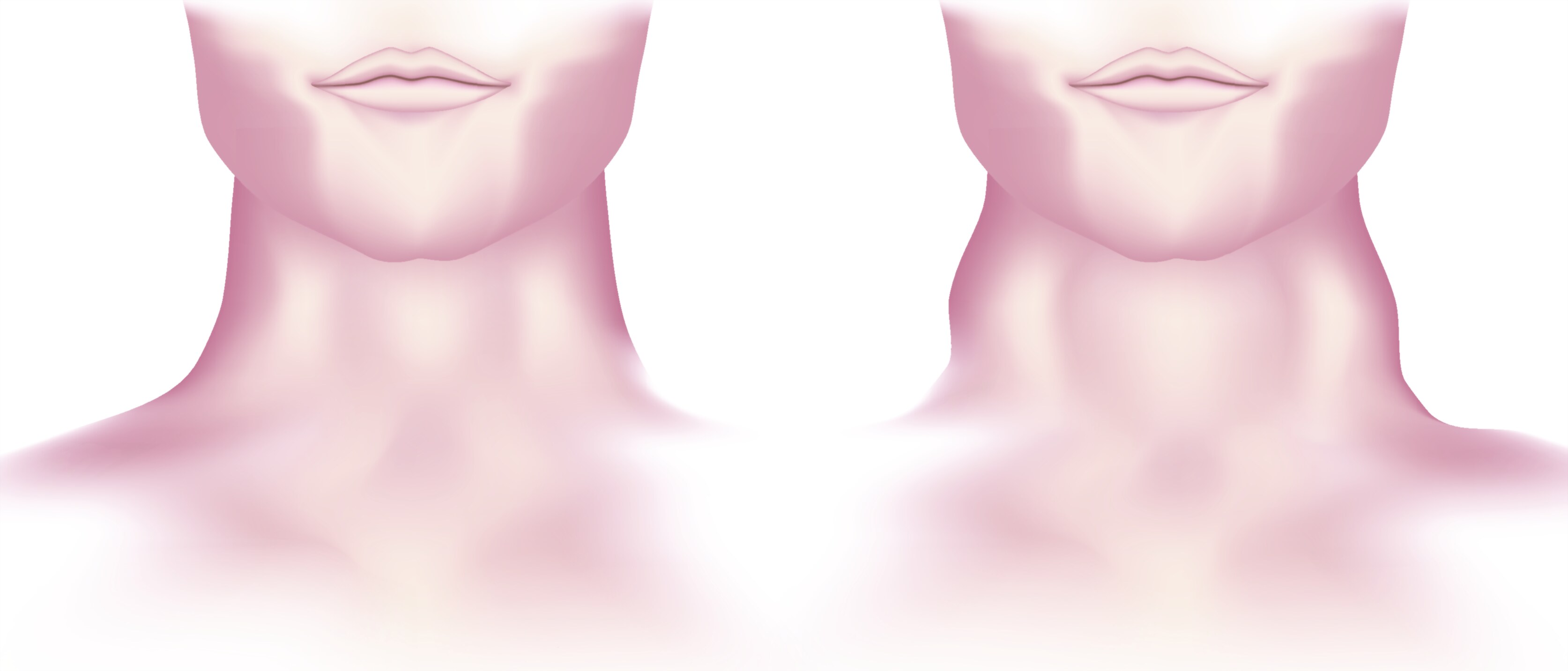
In the early phases of thyroid inflammation, especially in autoimmune or viral thyroiditis, the gland may become mildly enlarged, creating a fuller contour in the lower front of the neck. This swelling might not be noticeable at rest but becomes more visible when swallowing, because the thyroid rises along with the larynx during the movement. Some individuals notice a new rounded prominence at the base of the neck when looking in the mirror, especially at certain angles. The skin over the neck may appear stretched, and in more painful forms of thyroiditis the area may feel warm or tender when touched. Even slight swelling can produce a sensation of tightness inside the neck, as though a scarf or collar is pressing against the area, prompting heightened awareness of the region despite minimal outward change.
Enlargement and Visible Contour Alterations in Moderate to Severe Inflammation
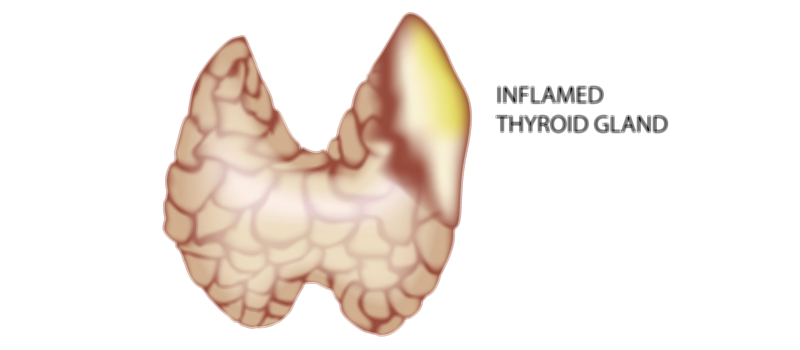
When inflammation becomes more pronounced, the thyroid may enlarge enough to create a clearly visible bulge known as a goiter. Unlike weight gain, this swelling is localized to the lower front of the neck and often appears as a smooth, rounded enlargement that expands outward symmetrically or asymmetrically depending on which thyroid lobe is more inflamed. Turning the head or tilting the chin upward may make the swelling more apparent. In some cases, the swelling looks like a broad thickening, while in others the outline of individual lobes becomes discernible. If one lobe is more affected than the other, the neck may appear uneven, with one side projecting slightly farther outward. The isthmus, the central connection between the lobes, may enlarge as well, widening the center of the neck. In painful thyroiditis, especially subacute inflammation, this visible enlargement is often paired with significant tenderness, so gentle pressure can trigger discomfort radiating toward the ears or jaw.
Appearance in Nodular or Irregular Thyroid Inflammation
Although not every inflamed thyroid develops nodules, some cases involve regions of tissue overgrowth that form discrete lumps within the gland. When nodules are present during inflammation, swelling may appear uneven or irregular rather than smooth. In people with thin necks or significant enlargement, nodule outlines may be faintly visible or palpable as rounded, firmer areas beneath the skin. These irregularities do not automatically indicate cancer, as most nodules are benign hormonal or inflammatory growths, but they reflect changes in the thyroid’s internal structure that have reached a level detectable from the outside. When nodular inflammation progresses, it can cause the neck to look lumpy rather than uniformly rounded, prompting more detailed medical investigation through ultrasound imaging and hormonal testing.
Neck Appearance and Functional Symptoms Together Give Diagnostic Clues
Although the visual appearance of an inflamed thyroid varies from person to person, certain physical sensations frequently accompany the outward changes and reinforce the suspicion of inflammation. Individuals may feel pressure when swallowing, discomfort when lying on their back, or a persistent awareness of the neck that was not present before. In severe inflammation, swallowing food or water may feel temporarily difficult because the swollen gland compresses the esophagus. Breathing can feel tight when inflammation presses against the trachea, though this is more common in large goiters. Voice changes can occur when swelling irritates nerves controlling the vocal cords, producing hoarseness or a deeper tone. These sensations often begin before swelling becomes visibly obvious, demonstrating that discomfort and visual cues together form the full clinical picture of thyroid inflammation.
Hormonal Effects Reflected Through Appearance and Posture
The neck does not change in isolation; the appearance of thyroid inflammation often coincides with body-wide symptoms caused by hormonal imbalance. During the early hyperthyroid phase of some thyroiditis conditions, the neck may appear swollen at the same time that the rest of the body experiences increased metabolism, rapid heartbeat, heat intolerance, anxiety, or tremors. Later, when inflammation weakens hormone production leading to hypothyroidism, swelling can persist while the rest of the body slows down, causing fatigue, weight gain, dry skin, and mental fog. These metabolic changes can influence posture and muscle tone, sometimes making the head feel heavy or the neck muscles tense and fatigued. The interplay between appearance, pain, and metabolic state makes inflammatory thyroid disease a condition that manifests not only externally but systemically.
Why Recognizing Neck Appearance Matters for Thyroid Health
Inflamed thyroid neck appearance serves as a visible sign of an internal endocrine disorder and gives patients a cue to seek medical evaluation before irreversible damage occurs. Although swelling alone does not determine the cause of inflammation, it prompts physicians to investigate the deeper issues through laboratory tests such as TSH, Free T4, Free T3, thyroid antibodies, inflammatory markers, and imaging scans like ultrasound. Early identification of thyroid inflammation can prevent complications including permanent hypothyroidism, prolonged metabolic instability, or long-term gland scarring. Learning to recognize what an inflamed thyroid looks and feels like also helps distinguish thyroid swelling from other neck masses such as lymph nodes, muscular enlargement, or anatomical fat distribution.
Ultimately, inflamed thyroid neck appearance reflects the union of anatomy and endocrine physiology. When inflammation disturbs the smooth, quiet structure of a healthy thyroid, the neck begins to show signs of internal struggle—swelling, sensitivity, asymmetry, tension, tightness, and changes during swallowing. These visible markers are not merely cosmetic differences; they are outward expressions of disrupted hormonal balance and structural stress inside one of the body’s most essential metabolic organs. Recognizing these signs deepens awareness of thyroid health and supports early, effective medical care that protects overall well-being.