Leg Arteries Clogged — Causes, Symptoms, and Treatments
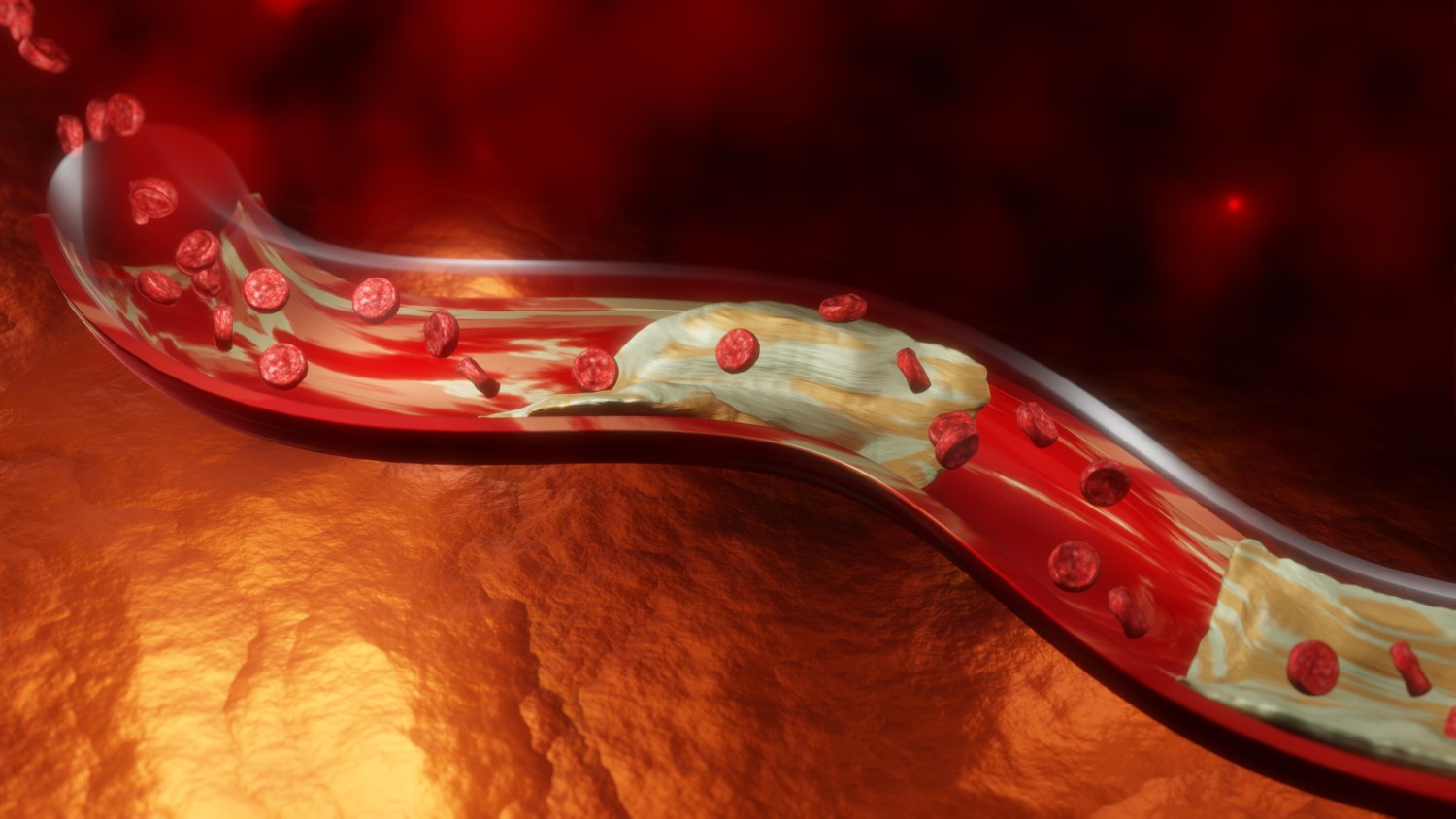
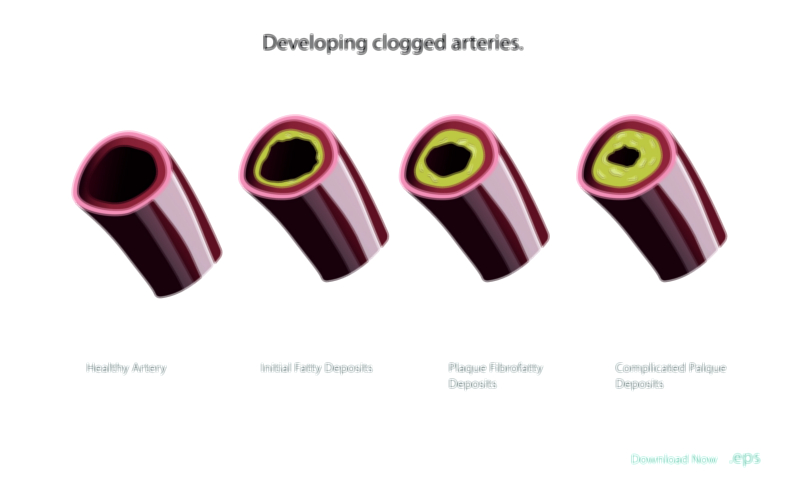
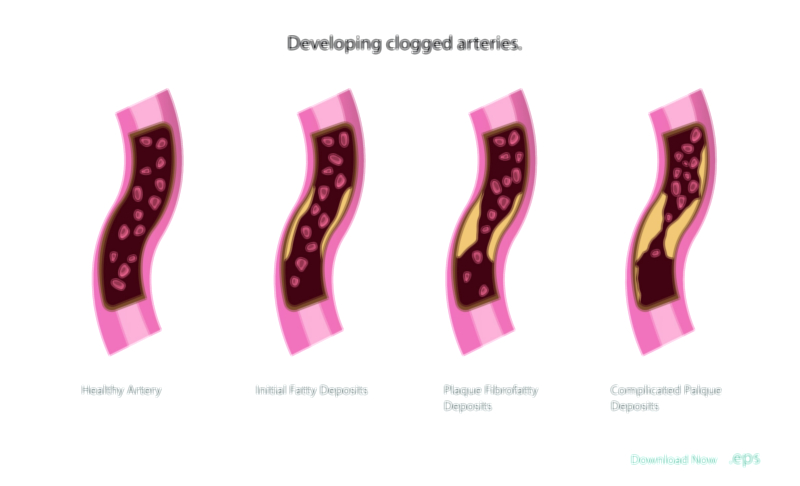
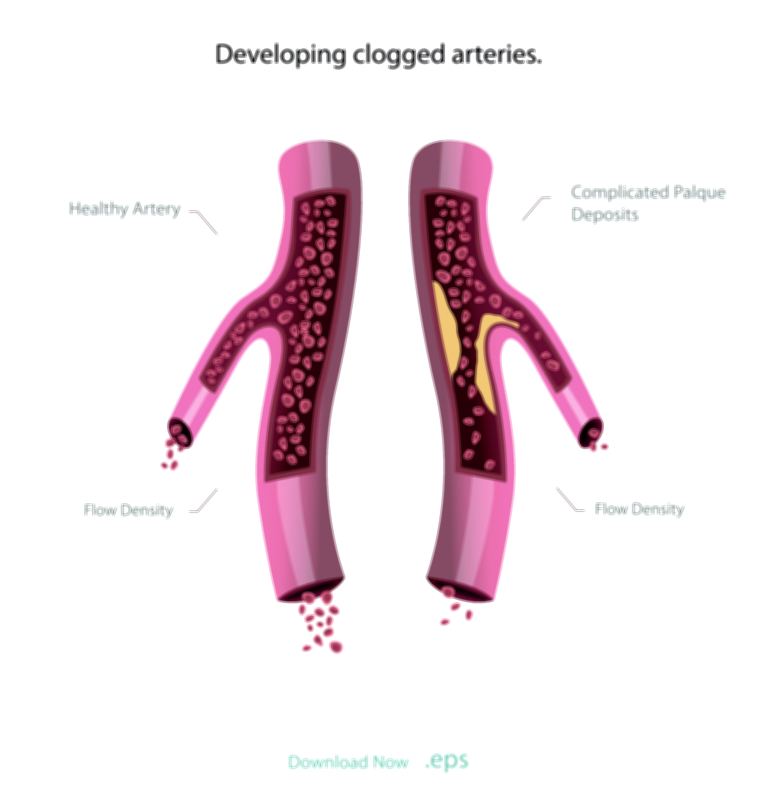
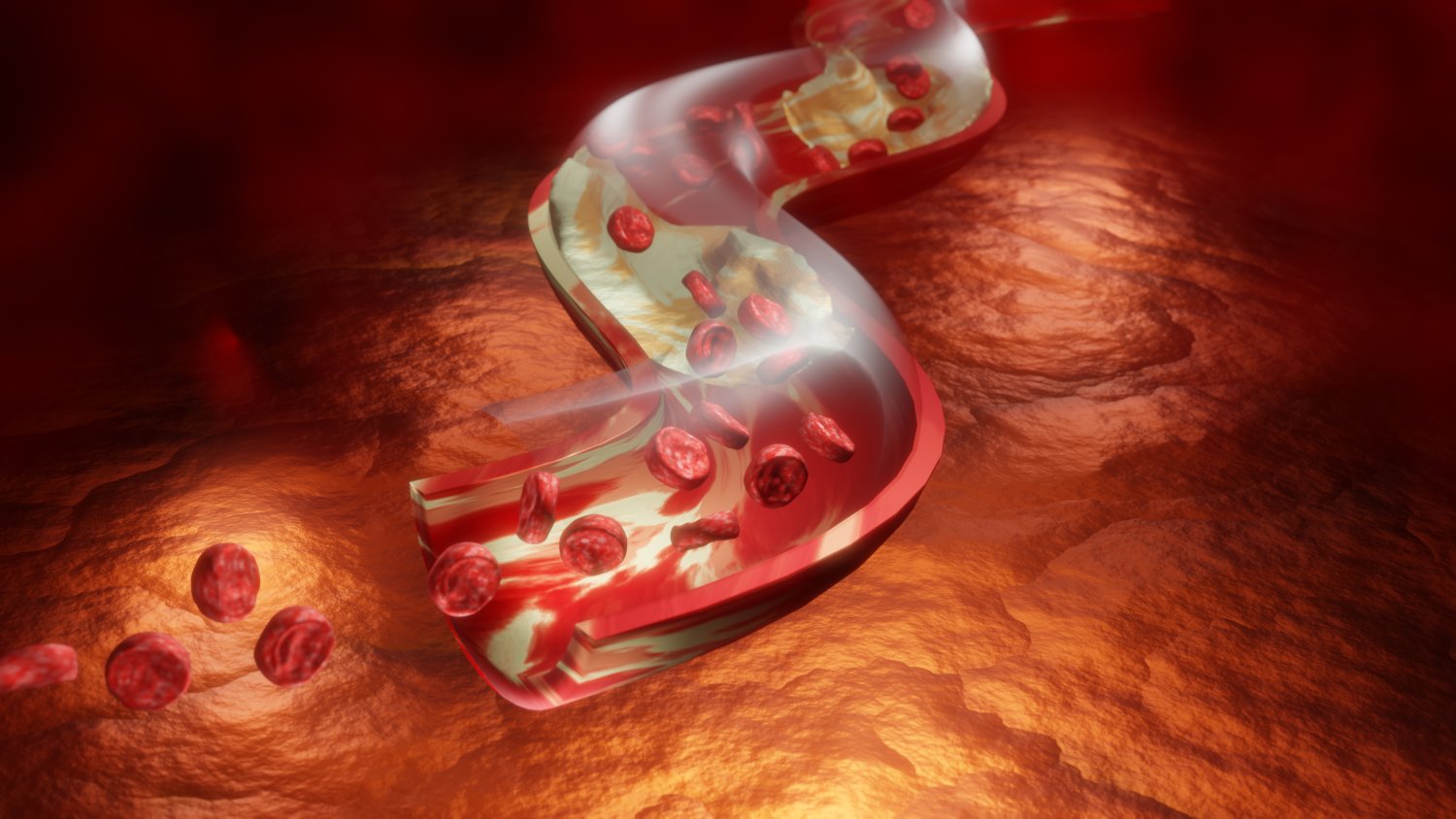
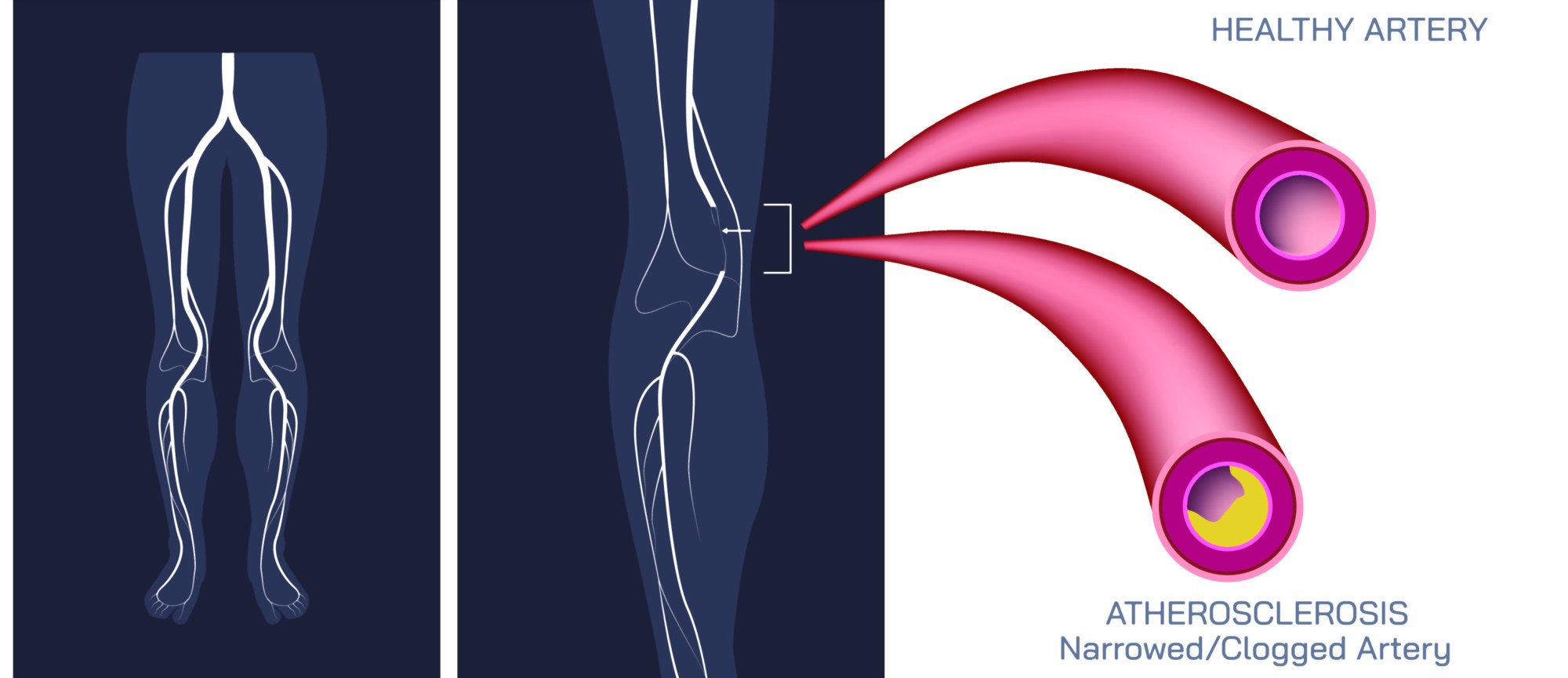
Clogged leg arteries, also referred to as peripheral artery disease (PAD), occur when the arteries that supply blood to the legs become narrowed or blocked due to the buildup of fatty deposits known as plaques. This condition restricts blood flow to muscles and tissues, leading to pain, numbness, and reduced mobility. PAD is often caused by atherosclerosis, a process in which cholesterol, fats, and other substances accumulate on artery walls, forming plaques that stiffen and narrow the vessels. Risk factors include smoking, diabetes, high blood pressure, high cholesterol, obesity, and a sedentary lifestyle.
Symptoms of clogged leg arteries can vary depending on the severity of the blockage. Intermittent claudication, which is pain or cramping in the legs during walking or exercise, is a common early sign. Other symptoms include numbness or weakness in the legs, cold feet or toes, slow-healing wounds, skin discoloration, and in severe cases, ulcers or gangrene. Because leg artery blockages can reduce oxygen supply to tissues, timely diagnosis and intervention are crucial to prevent serious complications, including tissue damage or limb loss.
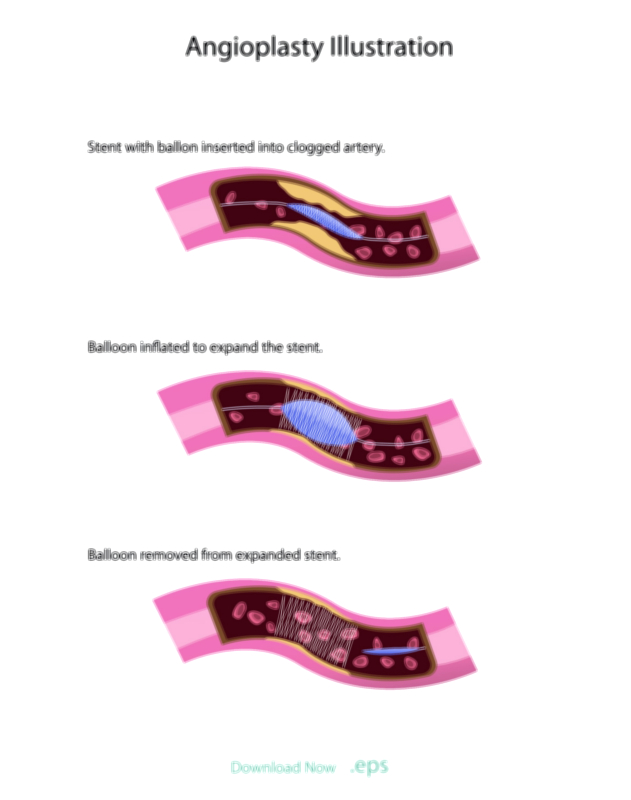
Treatment strategies for clogged leg arteries include lifestyle modifications, such as quitting smoking, regular exercise, and maintaining a healthy diet to reduce cholesterol levels. Medications may be prescribed to improve blood flow, reduce clot formation, or manage underlying conditions like diabetes and high blood pressure. In more severe cases, medical procedures such as angioplasty, stent placement, or bypass surgery may be necessary to restore adequate circulation. Regular monitoring by a healthcare professional and preventive care are essential for managing PAD and reducing the risk of complications.
Maintaining vascular health is crucial for preventing clogged leg arteries. Regular checkups, managing risk factors, and adopting a heart-healthy lifestyle help ensure proper blood flow to the lower limbs. Awareness of symptoms, early detection, and appropriate treatment significantly improve outcomes and quality of life for individuals affected by PAD.
In conclusion, clogged leg arteries result from plaque buildup that restricts blood flow to the legs, causing pain, numbness, and mobility issues. Peripheral artery disease can be managed through lifestyle changes, medications, and medical interventions, depending on severity. Understanding the causes, recognizing the symptoms, and seeking timely treatment are essential for maintaining leg and vascular health, preventing complications, and ensuring proper circulation to the lower limbs.