Photosynthesis — Process, Mechanism, and Role in Plant Life
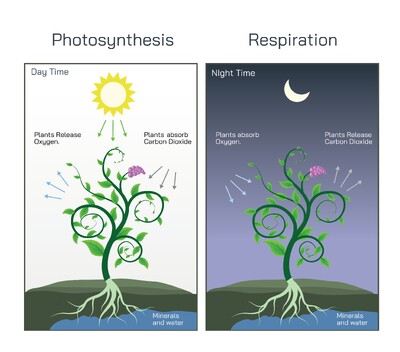
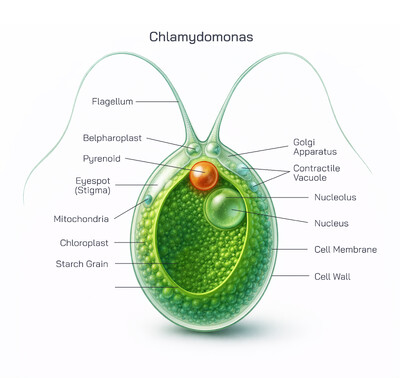
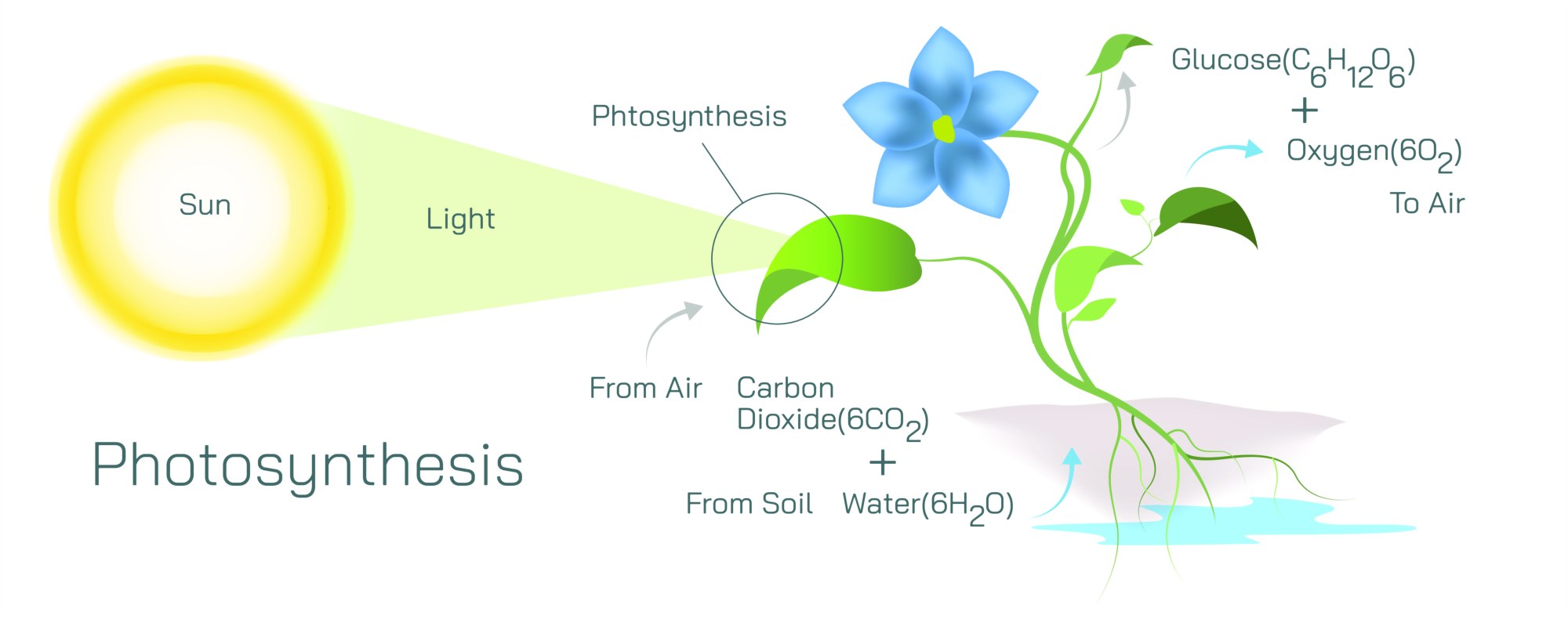
Photosynthesis is a vital biological process through which green plants, algae, and certain bacteria convert sunlight into chemical energy. This process takes place in the chloroplasts of plant cells, where chlorophyll and other pigments capture light energy. The energy is then used to transform carbon dioxide from the atmosphere and water from the soil into glucose, an energy-rich compound, while releasing oxygen as a byproduct. Photosynthesis is essential for the survival of plants and animals, forming the base of the food chain and maintaining atmospheric oxygen levels.
The process of photosynthesis can be categorized into two main stages. The first stage, light-dependent reactions, occurs in the thylakoid membranes of the chloroplasts. In this stage, light energy is absorbed by chlorophyll and used to split water molecules, producing oxygen and generating molecules that store energy. The second stage, light-independent reactions, also known as the Calvin cycle, occurs in the stroma of the chloroplasts. Here, the energy stored from the first stage is used to fix carbon dioxide into glucose. These stages work together to ensure plants produce food, grow, and store energy for cellular functions.
Photosynthesis also plays a key ecological role. The oxygen released during this process is essential for aerobic respiration in animals and humans. Additionally, it regulates carbon dioxide levels in the atmosphere, contributing to climate stability. Environmental factors such as light intensity, temperature, water availability, and carbon dioxide concentration directly influence the efficiency of photosynthesis, affecting plant growth and crop yield. Understanding photosynthesis is crucial for agriculture, environmental science, and biology education.
In conclusion, photosynthesis is the process by which plants harness sunlight to produce glucose and oxygen, supporting life on Earth. It involves light-dependent reactions that capture energy and light-independent reactions that fix carbon into sugars. This process is fundamental for plant growth, energy flow in ecosystems, and maintaining the balance of gases in the atmosphere. Studying photosynthesis enhances our understanding of plant physiology, ecology, and the essential role of plants in sustaining life.