Botany and Its Branches — Study of Plants and Their Specialised Fields
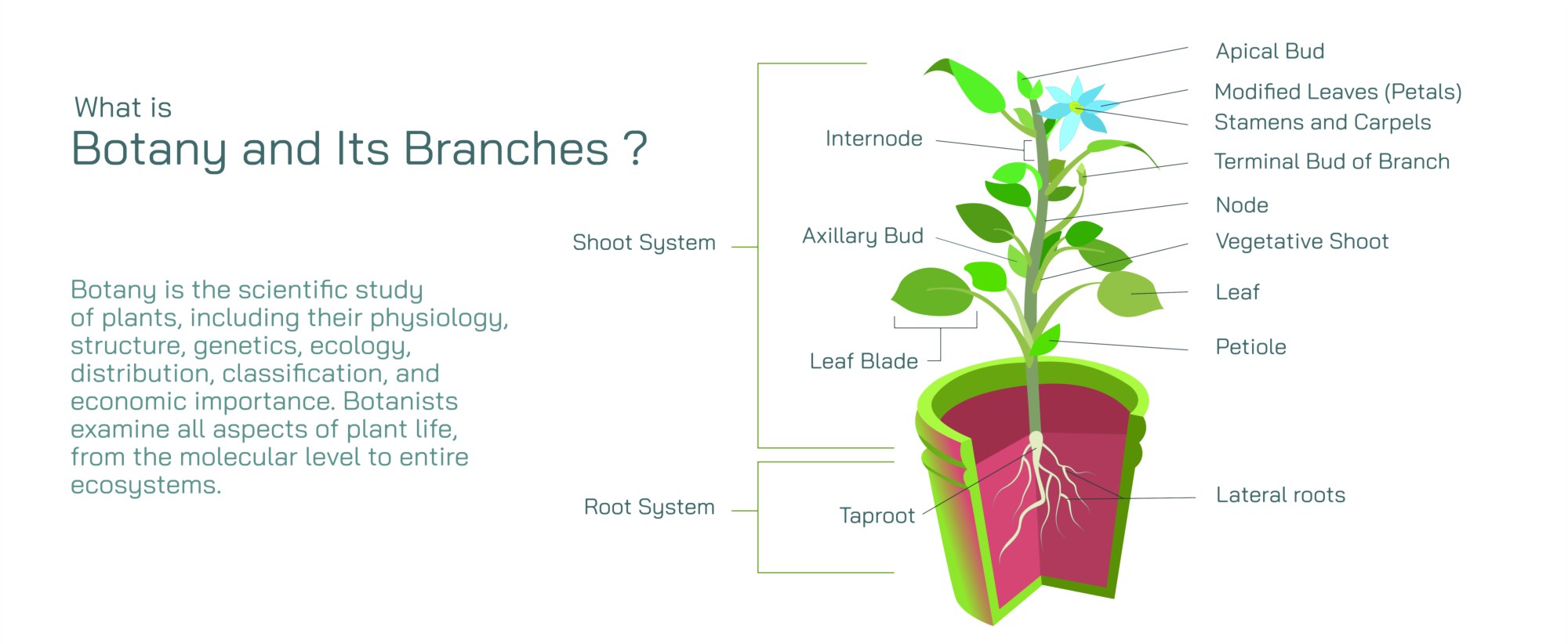
Botany is the branch of biology that focuses on the scientific study of plants, including their structure, function, growth, reproduction, evolution, and interactions with the environment. Plants are fundamental to life on Earth, providing oxygen, food, medicine, and raw materials. Botany is essential not only for understanding plant life but also for applications in agriculture, horticulture, ecology, and biotechnology.
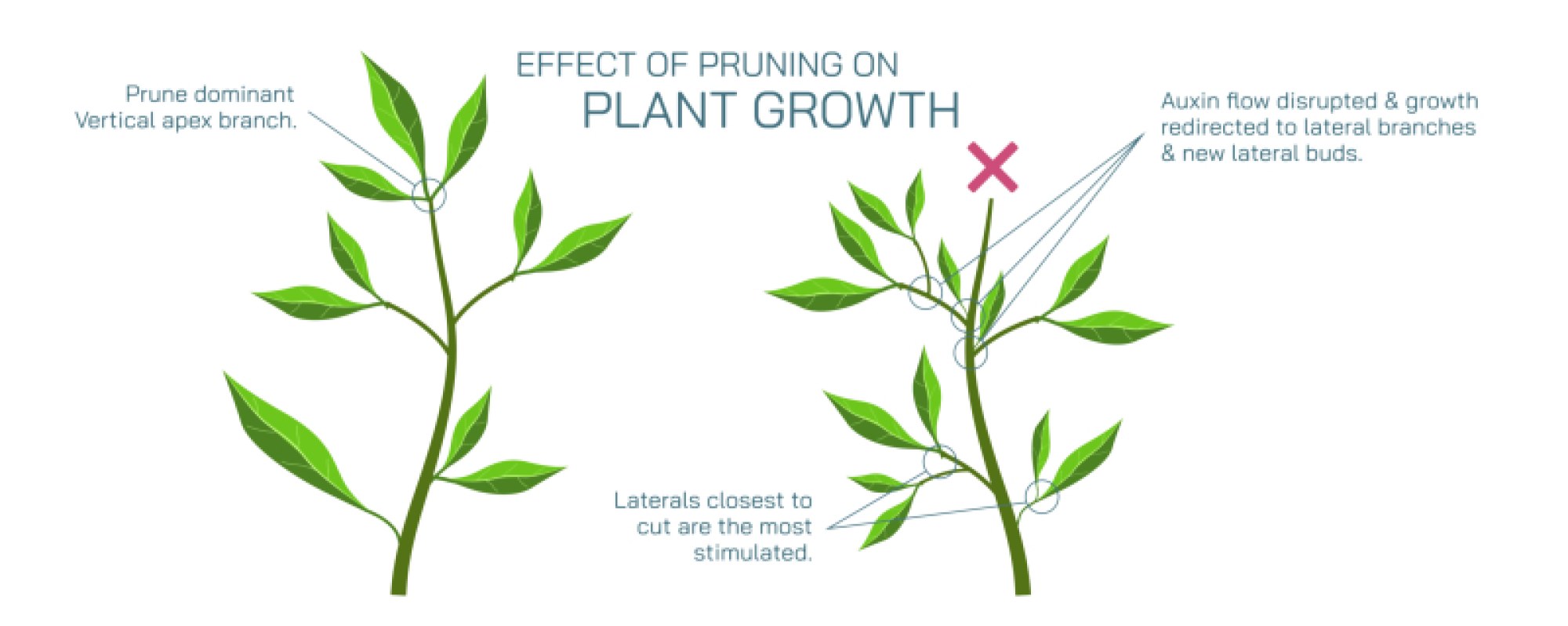
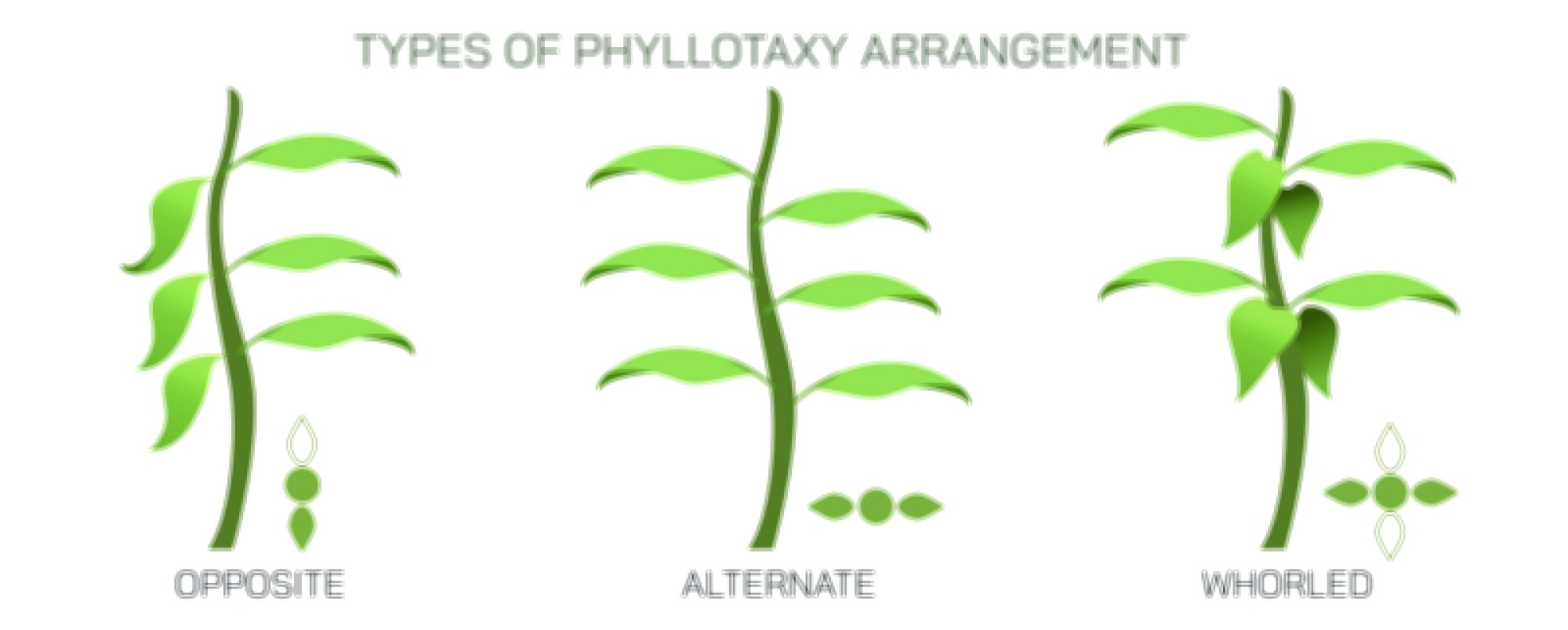
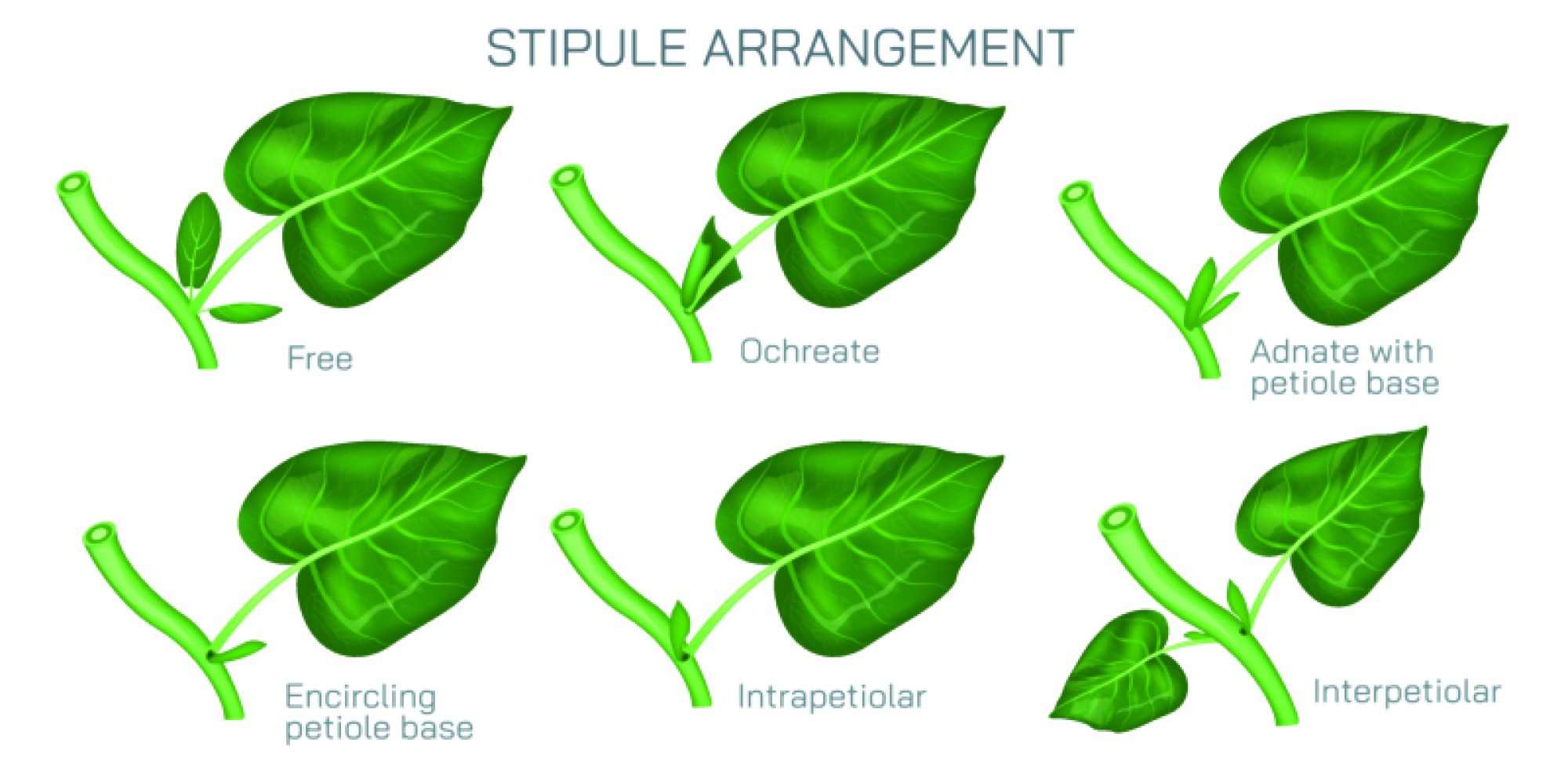
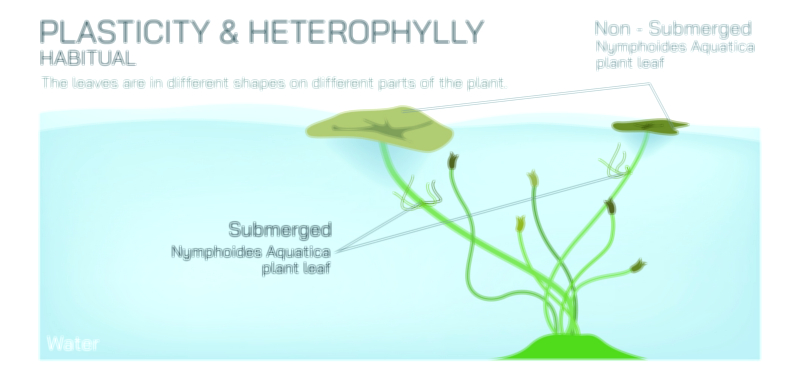
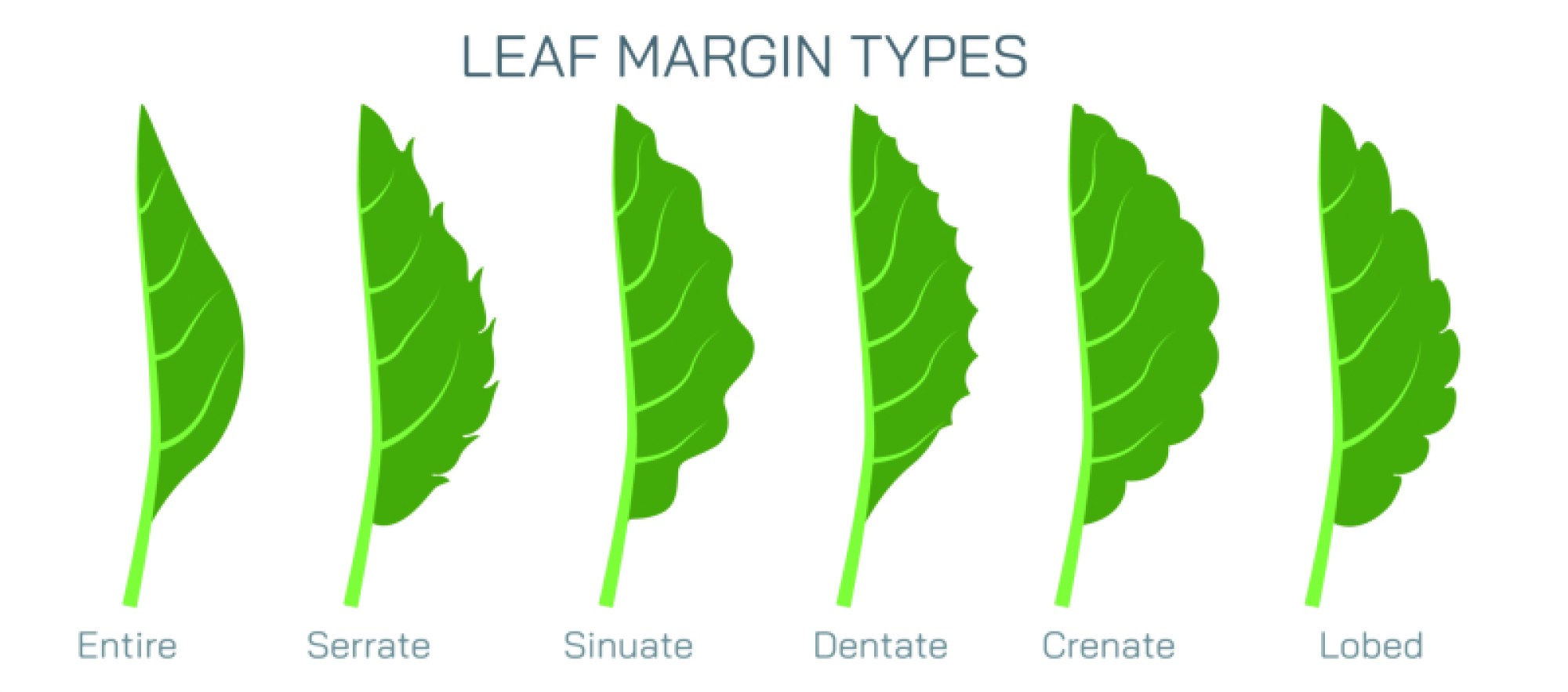
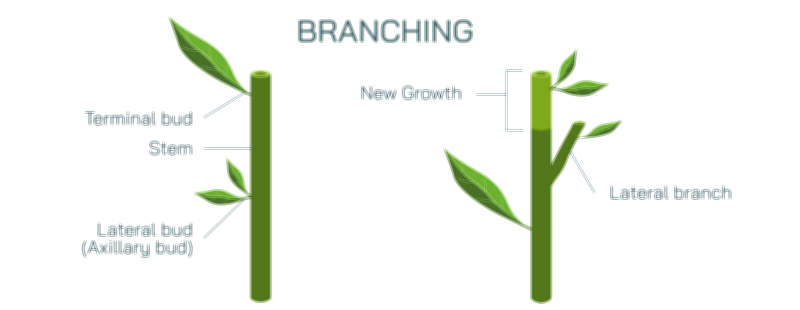
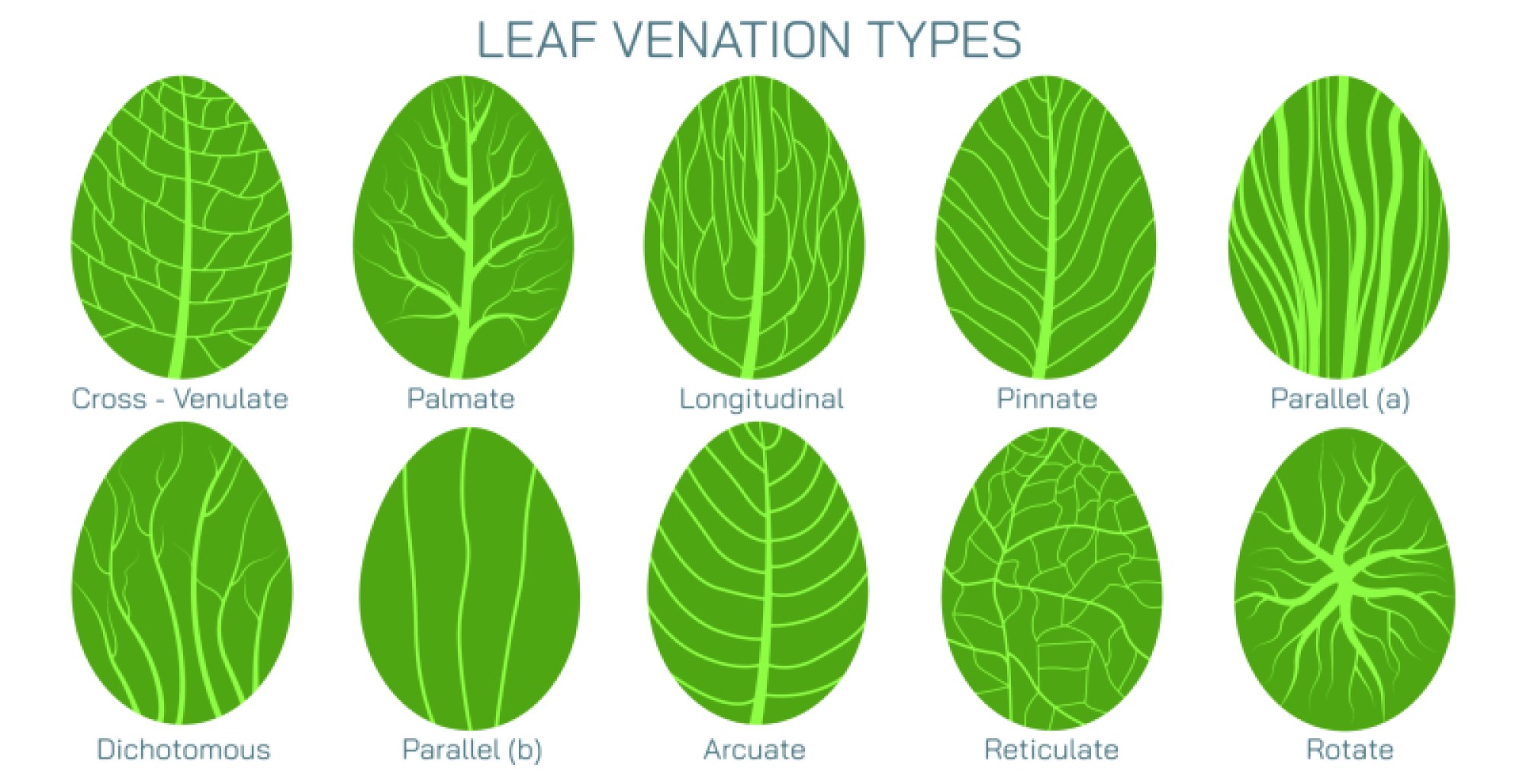
The study of botany is divided into several specialized branches, each focusing on a particular aspect of plant science. Plant physiology examines the internal processes of plants, such as photosynthesis, respiration, transpiration, and nutrient transport. Plant anatomy and plant morphology study the structural features of plants, including tissues, organs, and overall form, providing insight into how plants function and adapt to their environment.
Plant taxonomy and systematics involve classifying, naming, and identifying plants, helping to understand their evolutionary relationships and biodiversity. Plant ecology explores the interactions between plants and their surroundings, including other organisms, climate, soil, and water, emphasizing the role of plants in ecosystems. Plant genetics investigates heredity and variation in plants, enabling improvements in crop production, resistance to diseases, and genetic research.
Other important branches include plant pathology, which studies plant diseases and their control; plant biotechnology, which applies technological tools for plant improvement; economic botany, focusing on plants of commercial importance; and ethnobotany, which explores the relationship between plants and human cultures. Horticulture and agricultural botany apply botanical knowledge for crop cultivation, landscaping, and food production.
Understanding the different branches of botany allows scientists, students, and professionals to study plants comprehensively, addressing both basic and applied aspects. Research in botany contributes to environmental conservation, sustainable agriculture, medicine, and the discovery of new plant-based resources. The interdisciplinary nature of botany connects it with chemistry, physics, genetics, and ecology, providing a holistic understanding of plant life and its importance to humanity.
In conclusion, botany is the scientific study of plants encompassing multiple branches such as physiology, anatomy, taxonomy, ecology, genetics, pathology, and biotechnology. Each branch provides unique insights into plant life, contributing to agriculture, medicine, conservation, and research. A comprehensive understanding of botany and its branches is vital for promoting environmental sustainability, advancing scientific knowledge, and utilizing plants effectively for human benefit.