Human Intestines — Structure, Functions, and Digestive Role
The human intestines are a major component of the digestive system, responsible for nutrient absorption, water balance, and waste elimination. The intestines are divided into the small intestine and the large intestine, each with distinct structures and functions that contribute to digestion and overall health. Studying the intestines provides insights into human nutrition, digestive physiology, and gastrointestinal disorders.
12. The inner surface of the small intestine is lined with villi and microvilli, which increase the surface area for maximum nutrient absorption. The coordinated action of smooth muscles, digestive enzymes, and mucosal lining ensures efficient breakdown and uptake of nutrients into the bloodstream.
The large intestine, also known as the colon, is wider and shorter than the small intestine and includes the cecum, ascending, transverse, descending, and sigmoid colon, and the rectum. Its primary functions are water absorption, formation and storage of feces, and housing beneficial gut microbiota. The large intestine absorbs remaining water and electrolytes, compacts indigestible food, and maintains a healthy microbial balance, which is essential for immune function and metabolism. The rectum stores feces until elimination through the anus, completing the digestive process.
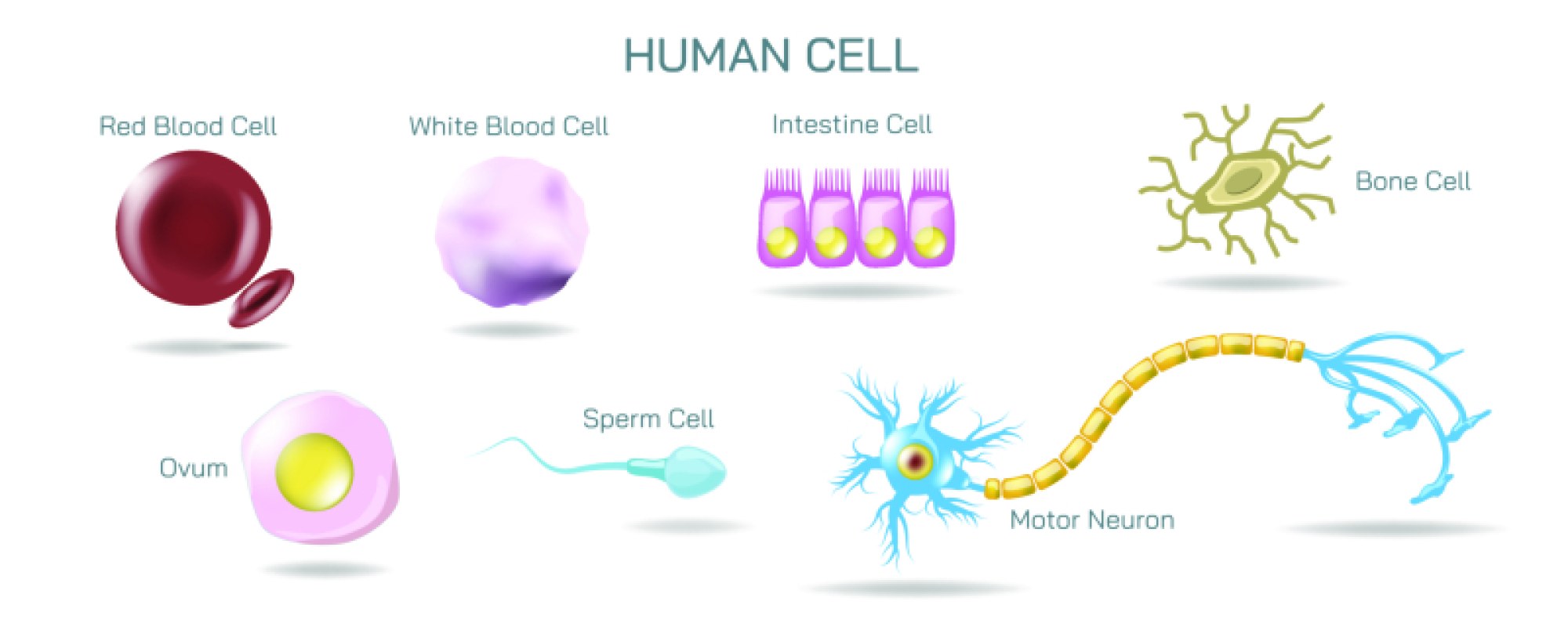
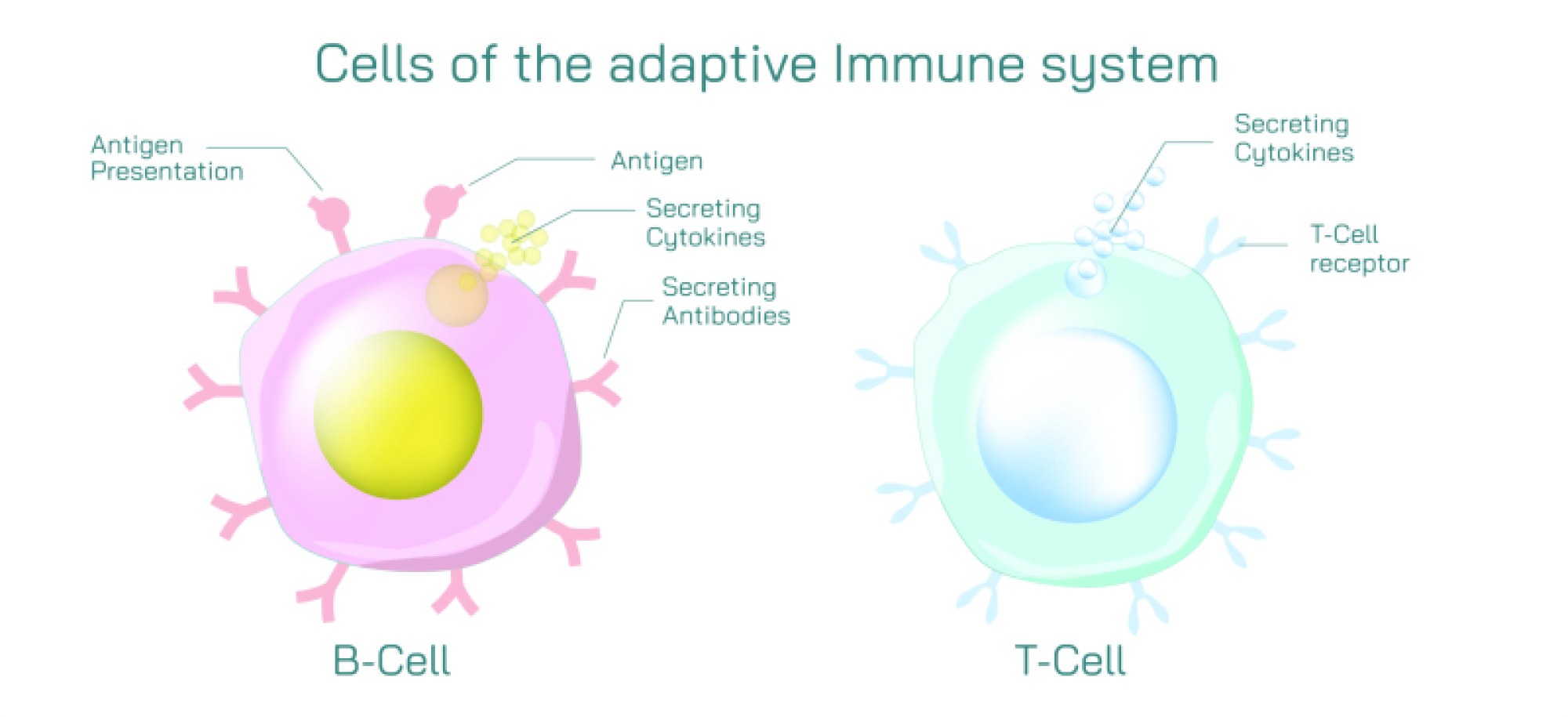
The intestines also play a role in immune defense, as the intestinal lining contains lymphoid tissue that monitors and responds to pathogens. Proper functioning of the intestines is critical for overall health, nutrient status, and preventing gastrointestinal diseases. Disorders such as irritable bowel syndrome, Crohn’s disease, and intestinal infections highlight the importance of intestinal integrity and microbiome balance.
In conclusion, human intestines are essential for digestion, nutrient absorption, water balance, and waste elimination. The small intestine specializes in enzymatic digestion and nutrient uptake, while the large intestine focuses on water absorption, fecal formation, and maintaining gut microbiota. Understanding the structure and function of the intestines provides key insights into human nutrition, digestive physiology, and gastrointestinal health, emphasizing the critical role these organs play in sustaining life and overall well-being.