Tooth Brushing Technique — Proper Steps for Effective Oral Hygiene Explained
Tooth brushing is one of the simplest habits practiced daily, yet its true effectiveness depends not on frequency alone but on technique, thoroughness, timing, and understanding how plaque forms and adheres to teeth. Many individuals brush regularly but still experience cavities, gum inflammation, bad breath, or yellowing because brushing routines often focus only on the front visible surfaces while neglecting the areas where plaque accumulates most aggressively—the gumline, inner surfaces, and grooves of molars. The purpose of brushing is not simply to freshen the mouth but to disrupt bacterial plaque, remove food particles, prevent acid formation, and maintain a clean and healthy environment for teeth and gums. An effective tooth brushing technique therefore requires intentional movement, proper positioning of the toothbrush, and attention to all tooth surfaces, including those that are less noticeable. When done correctly, brushing becomes a proactive health behavior that protects enamel, prevents gum disease, and supports long-term oral and systemic wellness.
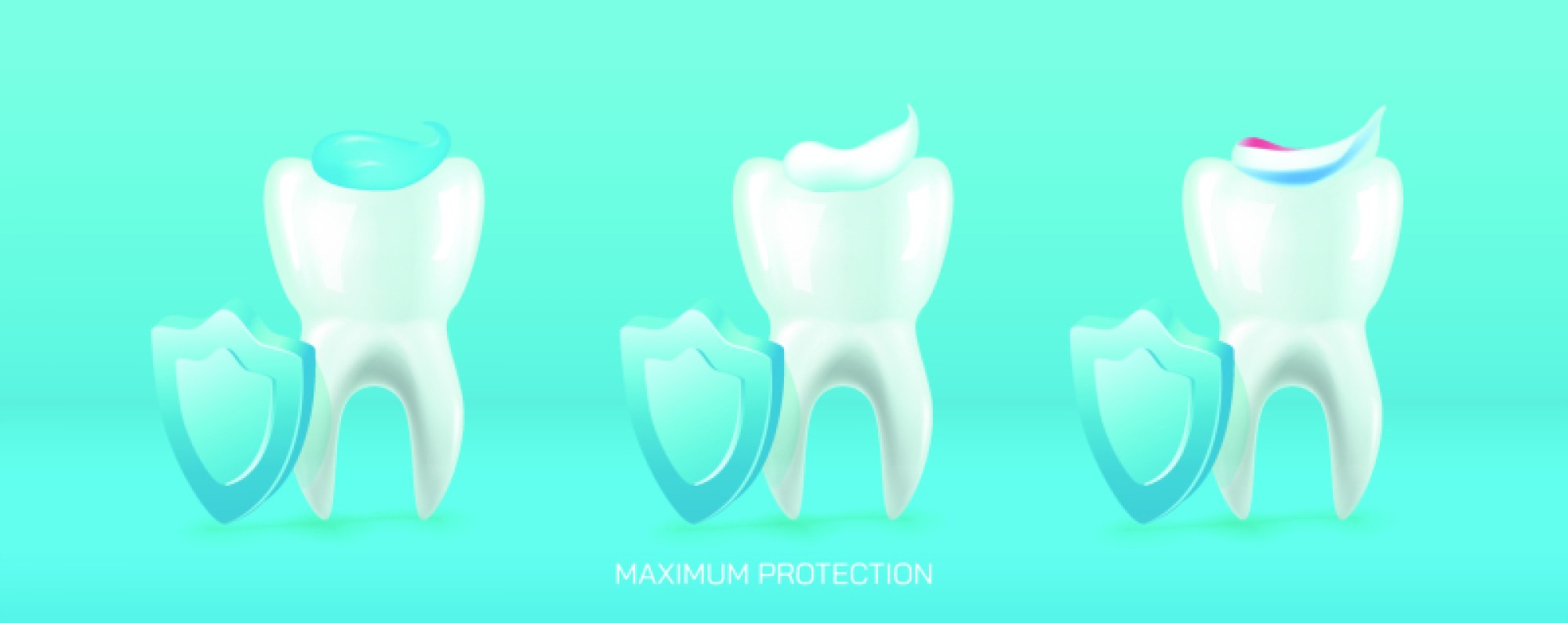
The brushing process begins before the toothbrush even touches the teeth—with the selection of a soft-bristled brush and fluoride toothpaste. Soft bristles are gentle on enamel and gums, while still capable of penetrating the plaque layer. Hard bristles do not clean more effectively and can cause gum recession and enamel abrasion over time. Fluoride toothpaste strengthens enamel and increases resistance to acid-producing bacteria, making it an essential component of effective oral hygiene. Once prepared, the most important step in brushing is the angle and placement of the toothbrush. The brush should be positioned at a 45-degree angle toward the gumline, where plaque tends to accumulate most densely because it forms at the intersection of tooth and gum. Maintaining this angle allows bristles to sweep slightly under the gum margin instead of cleaning just the flat surface of the tooth. Many people mistakenly brush horizontally with excessive force, polishing the enamel but leaving harmful plaque intact at the gumline.
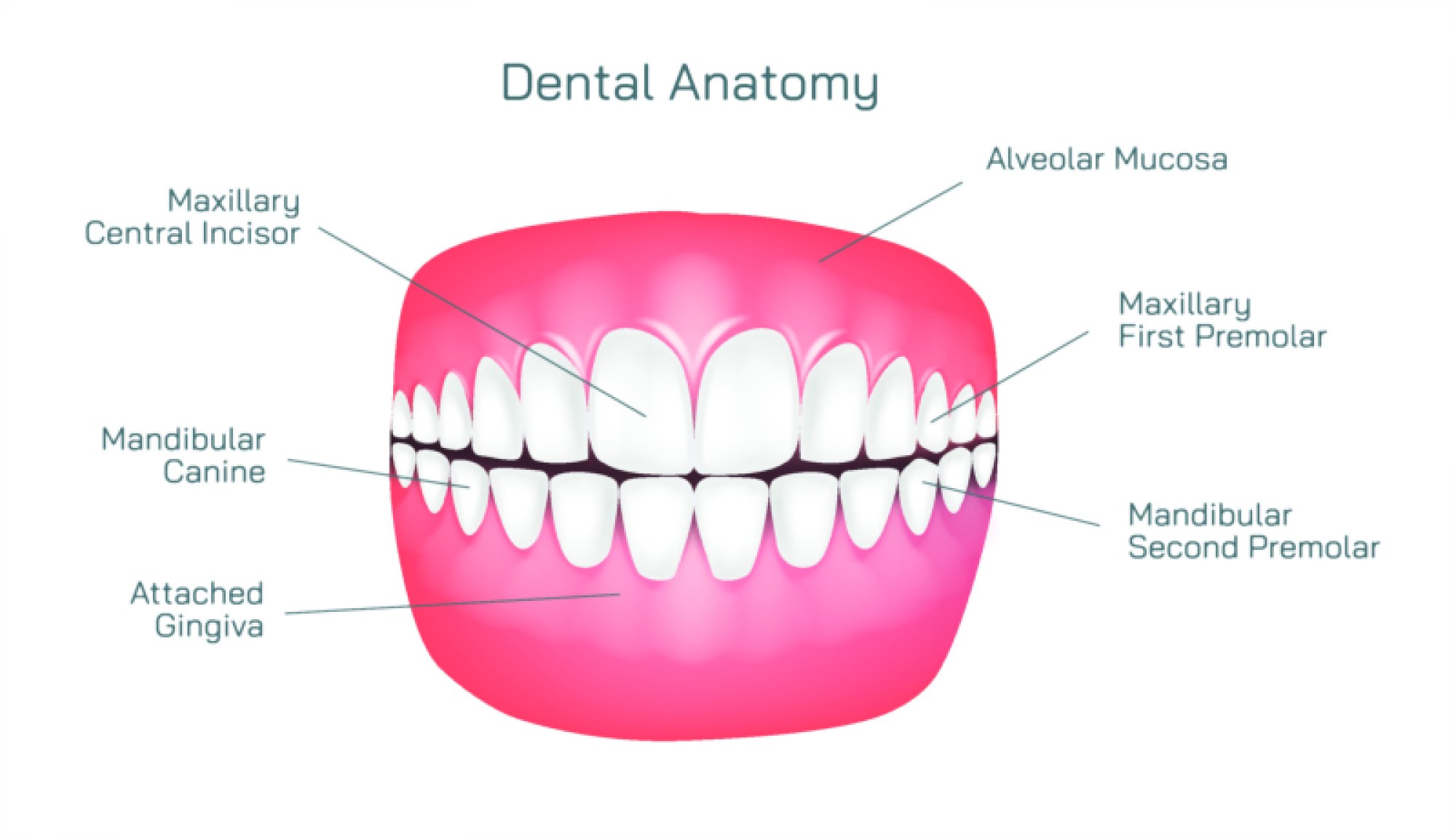
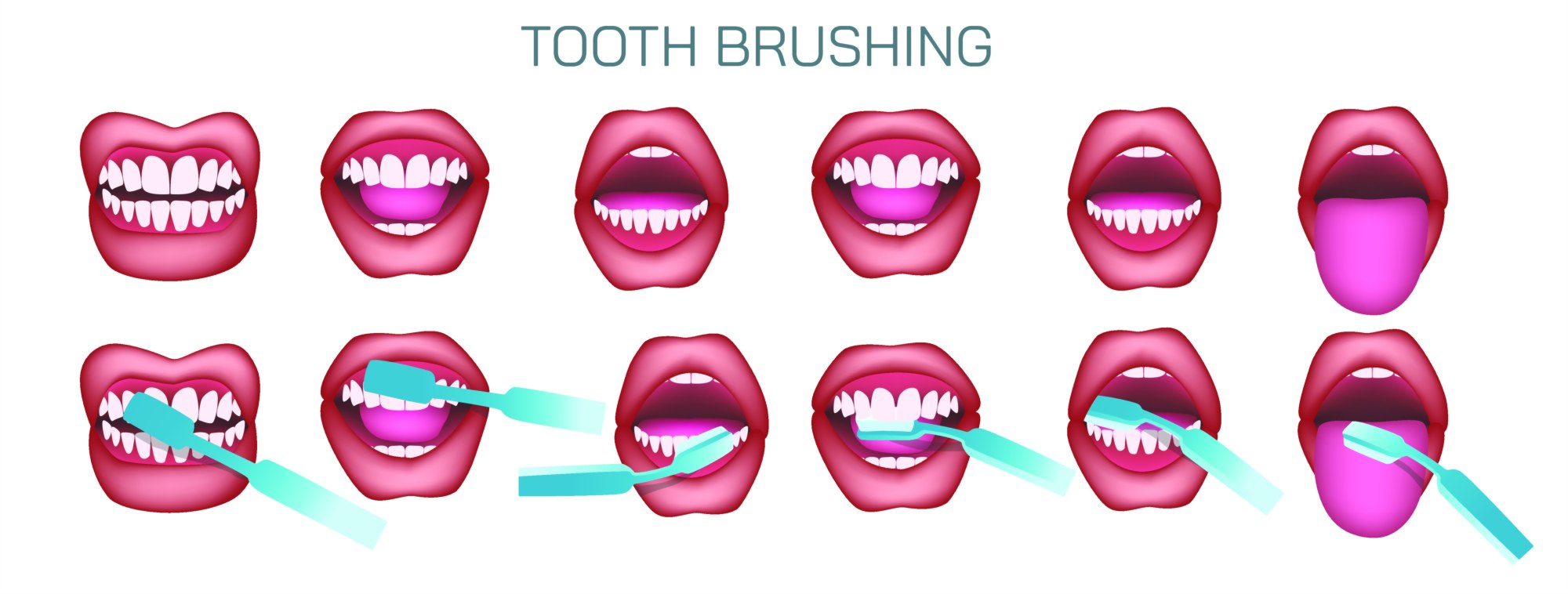
Using the correct movement is critical. Instead of scrubbing back and forth aggressively, brushing should involve gentle circular or short vibrating motions that lift plaque away from the surface rather than simply moving it side to side. The technique should start with the outer surfaces of the upper molars and methodically work across each tooth surface in a sequence to ensure nothing is skipped. Then the same pattern is repeated on the lower teeth. Each tooth face needs attention—not just the front-facing surfaces. After cleaning the outer cheeks-side surfaces, the brush should move to the inner surfaces of the teeth, which are frequently neglected and are a major site of plaque accumulation and gum disease. On the inner surfaces of the front teeth, the brush should be held vertically and small up-and-down strokes should be used to reach narrow spaces. Only after outer and inner surfaces are cleaned should attention shift to the chewing surfaces, using deliberate scrubbing or back-and-forth motions to reach deep grooves where plaque and food remnants hide.
Effective tooth brushing also requires adequate time and coverage. The full process should take about two minutes, divided evenly between the upper and lower jaws. Quick brushing—often done in 20–30 seconds—removes only surface debris but not established plaque biofilm. When brushing is rushed, the most difficult areas are skipped: the far back molars, the inside surfaces, and the gumline. Brushing must also include the gumline itself, because the line between tooth and gums is the gateway where bacteria first trigger inflammation that can lead to gingivitis and eventually periodontitis. Gentle pressure and patience allow the bristles to reach under this margin without harming tissues. Contrary to common belief, stronger brushing does not clean better; it damages gums without removing additional plaque. Consistency and technique matter far more than force.
Another overlooked step is brushing the tongue and inner cheeks, which harbor bacteria capable of producing bad breath and contributing to plaque regrowth. The tongue’s textured surface traps odor-causing microorganisms, and gently brushing or using a tongue scraper significantly improves freshness and reduces microbial load. After completing all surfaces, the mouth should be rinsed lightly, though some experts recommend spitting without rinsing to allow fluoride to remain on teeth longer and continue strengthening enamel. If mouthwash is used, choosing an alcohol-free antibacterial rinse can help reduce microbial activity without drying the oral tissues.
Timing also influences brushing effectiveness. Brushing should normally occur twice a day, once in the morning and once before bed, because saliva production decreases during sleep and a dry mouth becomes a breeding ground for bacterial growth. Nighttime brushing is especially critical because leaving plaque and food particles on teeth overnight increases acid exposure for hours. However, when acidic foods or beverages have been consumed—such as citrus fruits or soda—immediate brushing should be avoided to prevent enamel abrasion. Instead, rinsing with water first and waiting 20–30 minutes before brushing protects temporarily softened enamel.
Even when brushing is done properly, toothbrush maintenance plays a role in oral hygiene. The bristles wear down gradually and lose their ability to reach plaque effectively. A toothbrush should be replaced every three to four months, or sooner if bristles become frayed. Using a damaged brush creates a false sense of cleanliness while offering inadequate plaque disruption. Powered electric toothbrushes can improve consistency, especially for individuals with limited dexterity, because they maintain ideal motions and pressure automatically. Still, whether manual or electric, brushing is most successful when paired with daily flossing, which removes plaque between teeth where bristles cannot reach. Without cleaning these interdental spaces, bacteria remain active and undermine the benefits of brushing.
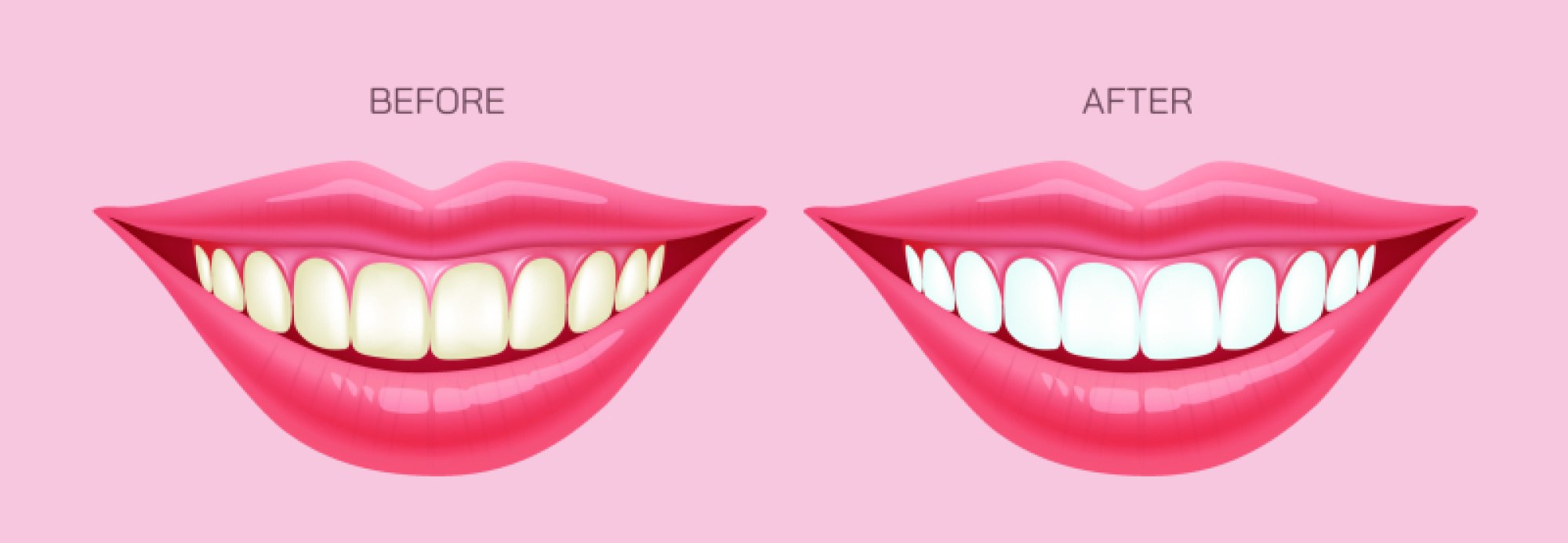
Ultimately, tooth brushing is not a routine motion but a structured, mindful hygiene practice. The goal is to clean all tooth surfaces thoroughly, especially at the gumline, using gentle, deliberate technique rather than speed or pressure. When done correctly, brushing disrupts plaque biofilm before it can trigger decay, inflammation, or staining, and strengthens enamel to withstand daily exposure to acids and bacteria. Over time, consistent technique safeguards both oral health and overall well-being, reducing the risk of dental diseases that can influence systemic health. Proper tooth brushing is therefore not only a pathway to a clean smile, but a lifelong preventive investment in whole-body health.